
Hydrogen buses turn into a fiasco in France: millions of euros lost and vehicles abandoned
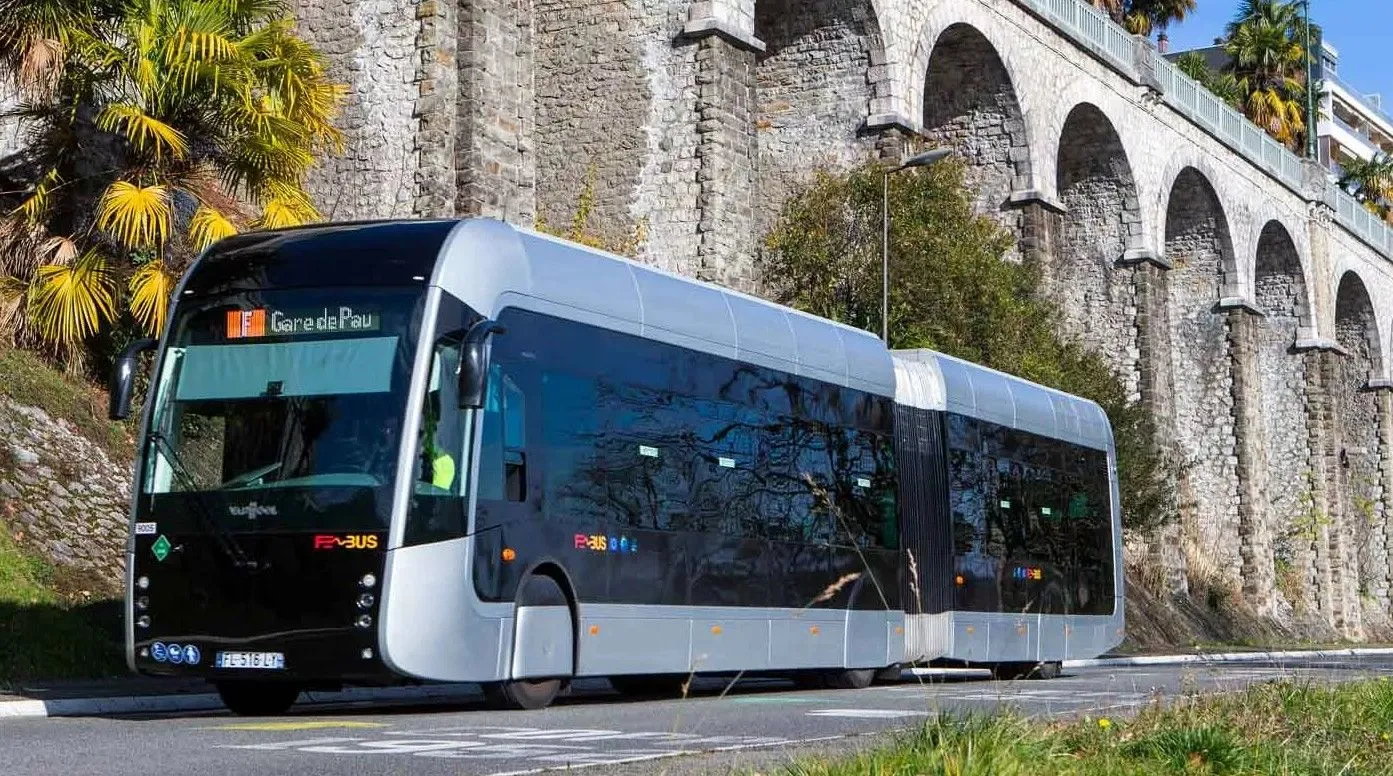
Hydrogen buses arrived in European cities with the promise of reducing emissions and lowering public transportation costs. Their technology seemed to offer an interesting alternative to diesel, but the experiences of several French municipalities are revealing the problems still plaguing this solution.
A report by France’s TF1 television channel focused on two regions of the country, Pyrénées-Atlantiques and Pas-de-Calais, where breakdowns, lack of maintenance, and difficulties in ensuring hydrogen supply are jeopardizing projects that received significant public investment. The situation is especially concerning because some of these vehicles have barely started operating.
Millions of euros invested in buses that don’t run
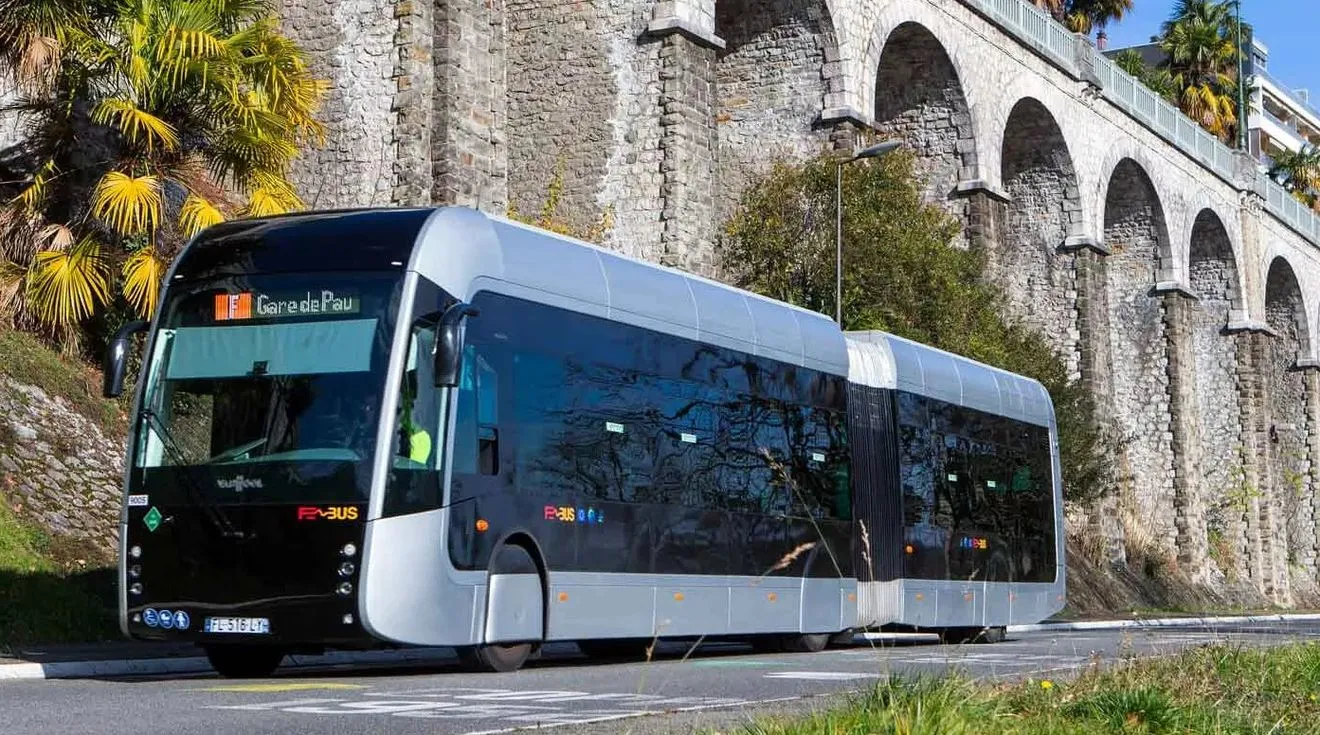
Arnaud Jacottin, president of the transportation union Pau Béarn Pyrénées Mobilités, acknowledges the economic dimension of the problem. The situation is even more complicated because eight other buses cannot be repaired if they break down, after the manufacturer went bankrupt. The lack of industrial support leaves authorities without an easy solution to keep a fleet operational that was supposed to represent a step forward in decarbonizing public transportation.
The municipality will have to replace these vehicles with electric buses, a decision that also has implications for the rest of the fleet. While resources are being allocated to replace hydrogen buses, the diesel vehicles that continue to operate are not being renewed. Jacottin describes the outcome as a lost gamble and acknowledges that there were already signs indicating the technology was not yet mature enough.
The problem, therefore, goes beyond the purchase price. A bus intended for public transportation must offer high availability, have spare parts available for years, and rely on a maintenance network capable of responding quickly. When any of these elements fails, the operator not only loses the money invested in the vehicle but also has to reorganize services and find alternatives to cover the routes.
A hydrogen infrastructure that also isn’t working as it should
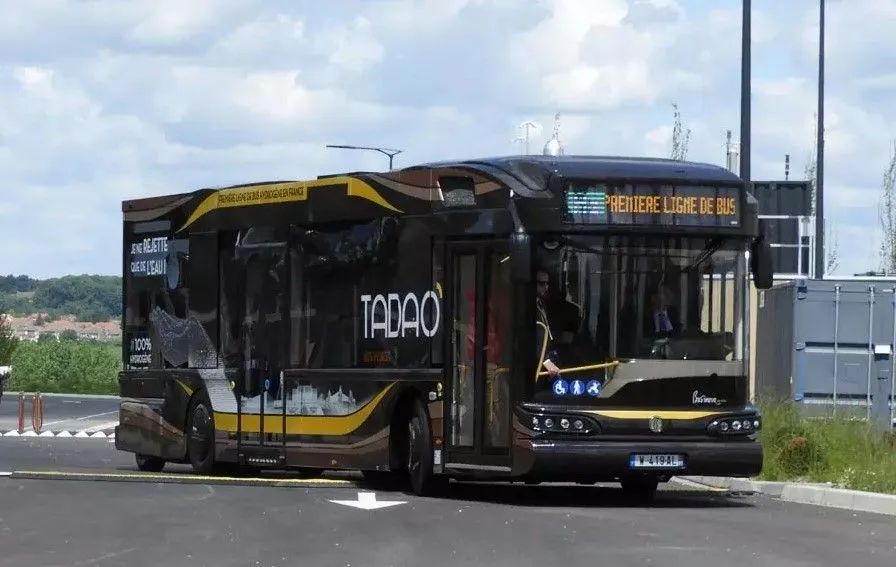
The difficulties are not limited to the buses themselves. In Houdain, in the Pas-de-Calais department, a hydrogen production facility was installed to supply enough fuel to operate a dozen vehicles from the Tadao transportation network on a daily basis. The facility was presented as a crucial element to ensure the fleet’s operation without relying on external suppliers.
Five years after its launch, the station is experiencing frequent malfunctions. Added to this is another serious issue: both the operator and the involved suppliers have disappeared, making it difficult to find a company willing to take responsibility for the facilities and ensure their operation. The problem is particularly delicate because the new manager would have to take over an infrastructure they did not build and must understand its functioning before committing to supplying hydrogen continuously.
The result is a situation that is difficult to justify from both economic and environmental perspectives. To keep the buses running, the network has had to transport hydrogen by road from other stations, sometimes located hundreds of kilometers away. This adds logistical costs and reduces some of the advantages associated with a technology meant to enable cleaner public transportation.
The French case shows that the viability of hydrogen buses depends not only on their ability to operate without harmful emissions from the exhaust. It also requires a reliable supply chain, available infrastructure, companies capable of maintaining the equipment, and manufacturers who can provide spare parts and support throughout the vehicles’ lifespan.
According to a TF1 report, there are currently less than a hundred hydrogen buses in France, and nearly half of them are at risk of being abandoned. This figure reflects the challenges faced by a technology that several municipalities decided to test before it was fully established, with costs now having to be borne by public authorities.
This experience once again highlights that the best solution for urban transportation is battery-electric buses. They have proven their ability to operate under any conditions, with operating costs that are much lower than those of hydrogen, diesel, or hybrid buses.