
London between Brussels and Beijing. The UK is considering tariffs on Chinese electric vehicles
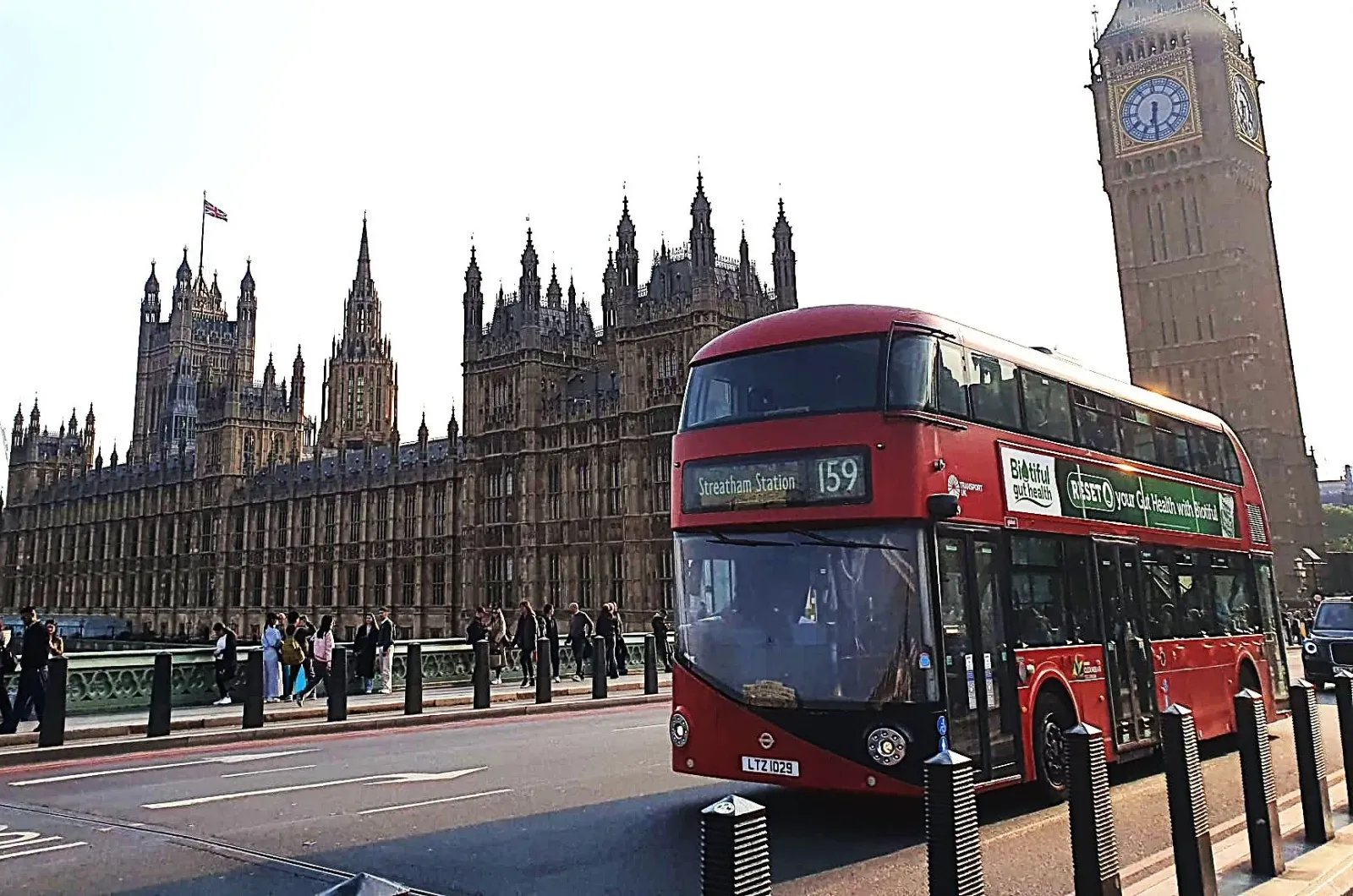
The Brits face a tough challenge. On one hand, they are seeing rapid growth in sales of Chinese cars, which drive demand and increase price competition. On the other hand, London must deal with pressure from the European Union, which expects British trade policies to align with Europe’s restrictions on electric vehicle manufacturers, especially those producing cheap hybrids from China. At stake are not only relations with Beijing but also British manufacturers’ access to their most important export market. The EU has also decided to fight hard for its interests. EU negotiators are heading to China today. What will be the outcome?
In short:
London is at a crossroads today
On one hand, the Brits are witnessing strong growth in sales of Chinese cars in the islands
Secondly, the island nation is under pressure from the European Union, which expects British trade policies to align with European restrictions on cheap Chinese vehicles.
The stakes involve not only relations with Beijing but also British manufacturers’ access to the most important export market, namely the EU.
Downing Street is getting closer to deciding on tariffs on Chinese cars, reports “The Times”.
Today, EU negotiators are flying to China.
London is in trouble.
Great Britain is considering imposing tariffs on imported electric cars from China. As reported by the British “The Times,” the government is evaluating such a move not only due to the growing presence of Chinese brands in the islands but primarily because of concerns over future trade relations with the European Union.
According to reports, Brussels signals that Britain’s access to the planned “Made in Europe” rules could be conditional on London adopting a similar approach toward Chinese manufacturers as that already in place across the English Channel. EU officials fear that the island nation’s market might become a gateway for Chinese cars to enter EU countries.
Bloomberg notes that this puts the government in Downing Street in a difficult position. Currently, Britain remains one of the few major developed markets that has not imposed additional tariffs on Chinese vehicles. Meanwhile, the European Union has applied extra tariffs of up to 45% on Chinese electric cars, and the United States has essentially closed its market to most such products.
As Emily Sawicz of consulting firm RSM UK notes, the British automotive industry finds itself caught between two strategic partners. “It’s a difficult compromise,” the expert said in an interview with The Guardian. In her view, the UK “cannot afford to drift aimlessly between the two sides,” as both Chinese investment and access to the European market are crucial for the sector’s future.
Europe is more important than China
Although the British government is concerned about potential retaliation from Beijing, figures show that the EU market is far more important to manufacturers in the UK. Data cited by the British association of car manufacturers and dealers, SMMT, indicates that in the first half of the year, 58 percent of Britain’s car exports went to European Union countries. For comparison, China accounted for around 4 percent.
SMMT CEO Mike Hawes did not hide his concerns over possible tightening of European regulations. “The British and EU automotive industries are deeply integrated, so effectively excluding vehicles produced in the UK from their largest market would mean mutual harm,” he emphasized.
Representatives of manufacturers present in Europe hold a similar view. Massimiliano Messina, Nissan’s head for Europe, recently warned that “Europe cannot have a Trojan horse through which the Chinese will flood the market via the UK,” reports The Guardian.
Chinese brands are accelerating
The pressure from Brussels is not random. Chinese manufacturers are recording impressive sales growth in the UK market, notes Puls Biznesu. Brands such as BYD, MG under SAIC Group, as well as Omoda and Jaecoo from Chery Group are steadily expanding their presence. According to industry data, BYD’s, Omoda’s, and Jaecoo’s share of the UK’s new car market more than tripled in the first eight months of the year, accounting for 12% of sales.
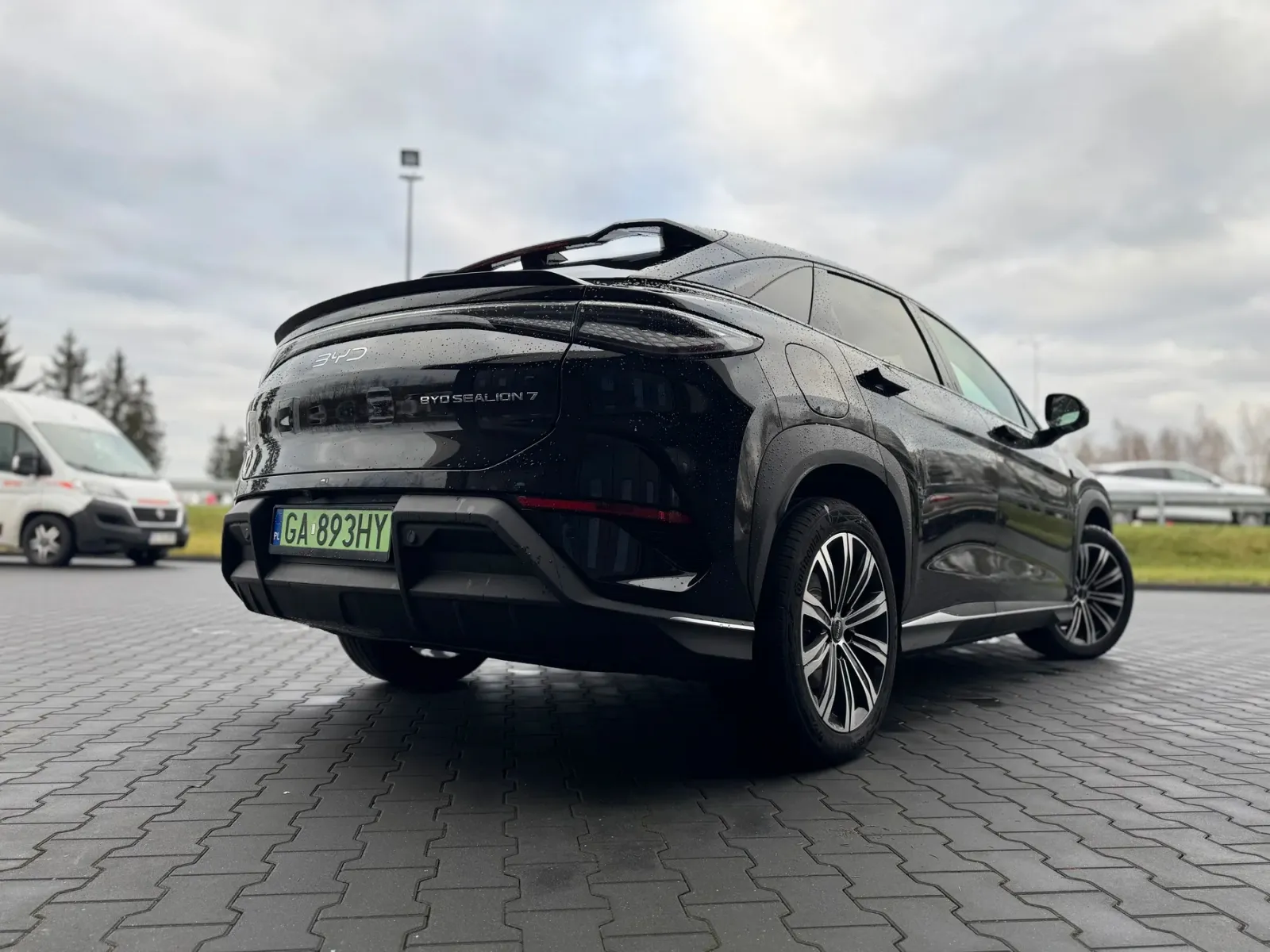
The growing popularity of Chinese models is mainly due to their attractive prices and wide range of electric vehicles. Ian Plummer, sales director at Auto Trader, notes that competition from Chinese manufacturers has made cars more accessible to consumers. He said the presence of new brands “encourages more people to buy a new car.”
SMMT data also show that the UK new car market is performing very well. New vehicle registrations rose by 12% year-on-year in September, the best result for that month since 2017. Demand for electric cars and the success of models from Chinese manufacturers, such as the BYD Sealion 7 and Jaecoo 7, played a significant role.
Won’t tariffs deter investors?
Opponents of the new tariffs argue that they could not only raise car prices for British consumers but also limit investment inflows. Chery is in talks to produce cars at Nissan’s plant in Sunderland, and representatives of Chinese brands have publicly announced long-term plans for expansion in the UK. Victor Zhang, CEO of Jaecoo and Omoda brands in the UK, insists that even potential trade barriers will not change the company’s strategy. “Tariffs come and go, but they won’t affect our investments in the UK. We are here to stay,” writes pb.pl.
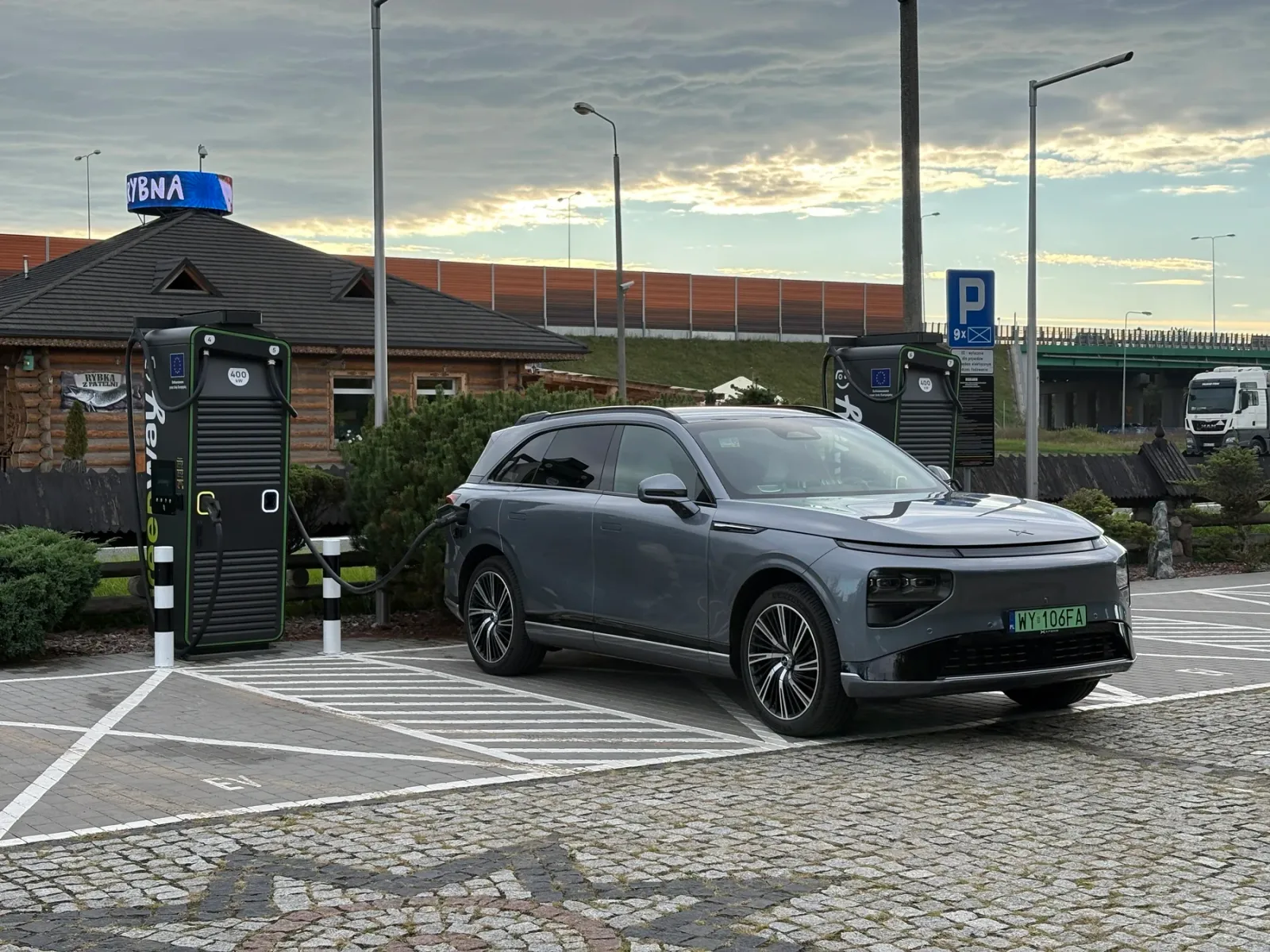
Zhang also rejects accusations that he is using the British market as a gateway to Europe. He noted that most of the vehicles sold by his company are currently hybrids, not electric cars subject to European tariffs. “The cars we sell here stay here,” he assured.
A strategically important decision
The debate over Chinese cars now goes far beyond tariff issues. For the British government, it means having to choose between maintaining an open market and attracting investment from China and protecting trade relations with the European Union, which remains the country’s most important export partner in the automotive industry.
The paradox is that Chinese brands are helping to drive new car sales and accelerate the electrification of the market, while simultaneously increasing competitive pressure on local manufacturers.
EU Negotiators Heading to China
The issue of cheap Chinese cars and market protection affects not only the UK but primarily the European Union. EU trade negotiators led by Trade Commissioner Maroš Šefčovič are traveling to China on October 7 for two days of talks aimed at reaching a breakthrough agreement to address Beijing’s record trade surplus of 1 billion pounds per day by restricting the export of cheap hybrid electric cars to Europe.
Oskar Włostowski
