
The Bus That Recharges from Its Wheels, a Swiss Project
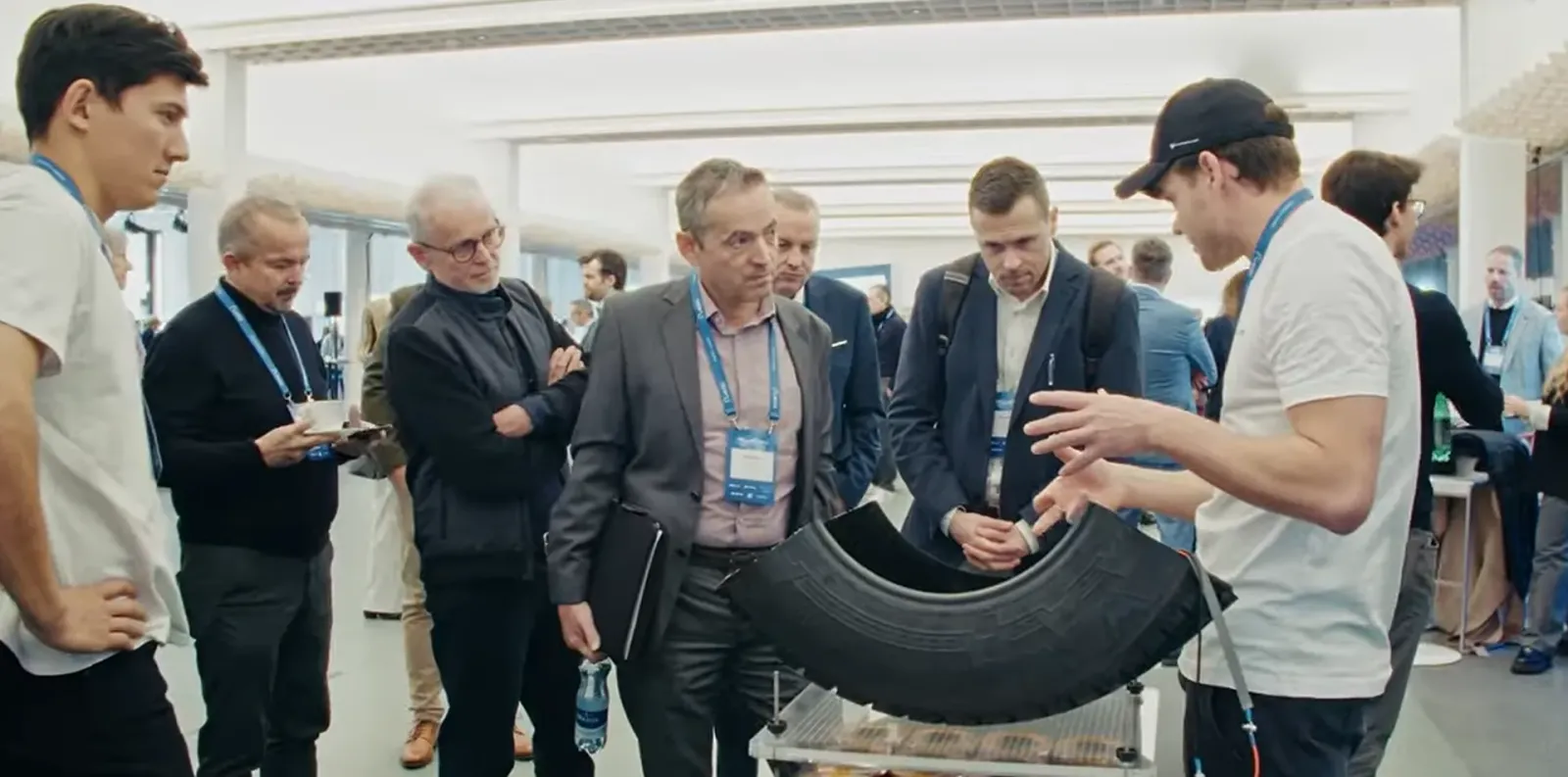
The bus is charged directly through its wheels, reducing the time needed for overnight charging at the depot and allowing smaller batteries to be used, which offers advantages in terms of space, weight, and vehicle cost. The project originated in Switzerland thanks to Winduction, a spin-off from ETH Zurich, which developed a wireless charging system that operates during stops at bus stops.
When Charging Moves from Roads to Wheels
Incremental charging, or charging in small doses during operation, is not entirely new: pantographs are already in use in Europe and even in Italy, we participated in Alstom’s induction charging demonstration in Spain (video here), and there are other solutions as well. Now the Swiss idea comes along, moving the coil from under the chassis to the wheel.
Swiss researchers started with a key issue: most electric buses are charged at night in depots, carrying heavy batteries during the day. This is a costly method. Moreover, it’s easier to use renewable energy sources during the day. Let’s see the solution as described by its creators: “The rear wheel of this older model bus rests on a large plate roughly the size of a shopping cart. Suddenly, the bus’s battery begins charging—10 percent, 20, 30—the indicator keeps rising without any cables connecting the vehicle to the plate.” These are the words of Sonam Bhuka, Sylvain Fricker, and Laurin Schwitter, the three founders of Winduction.
Beyond Pnrr: new calls for 70 million and 98 electric buses
In addition to the examples we’ve cited from cell phones to electric cars, there’s a growing number of induction-based solutions. However, according to the Swiss trio, efficiency issues arise that are more pronounced in buses compared to cars. They point out “a major weakness,” namely “the distance between the road and the vehicle’s underbody is relatively large and varies from one vehicle model to another. This distance is a key factor in induction charging systems, as the efficiency of energy transfer decreases as the separation increases.”
The original and (perhaps) winning idea: tires always in contact with the road
"In any vehicle, the only part that’s always in contact with the ground are the wheels," explains Sylvain Fricker, an ETH graduate and head of technology at the young company. It was this simple observation that led to the idea behind the spin-off’s name: Winduction stands for wheel-based induction, or induction powered by wheels.
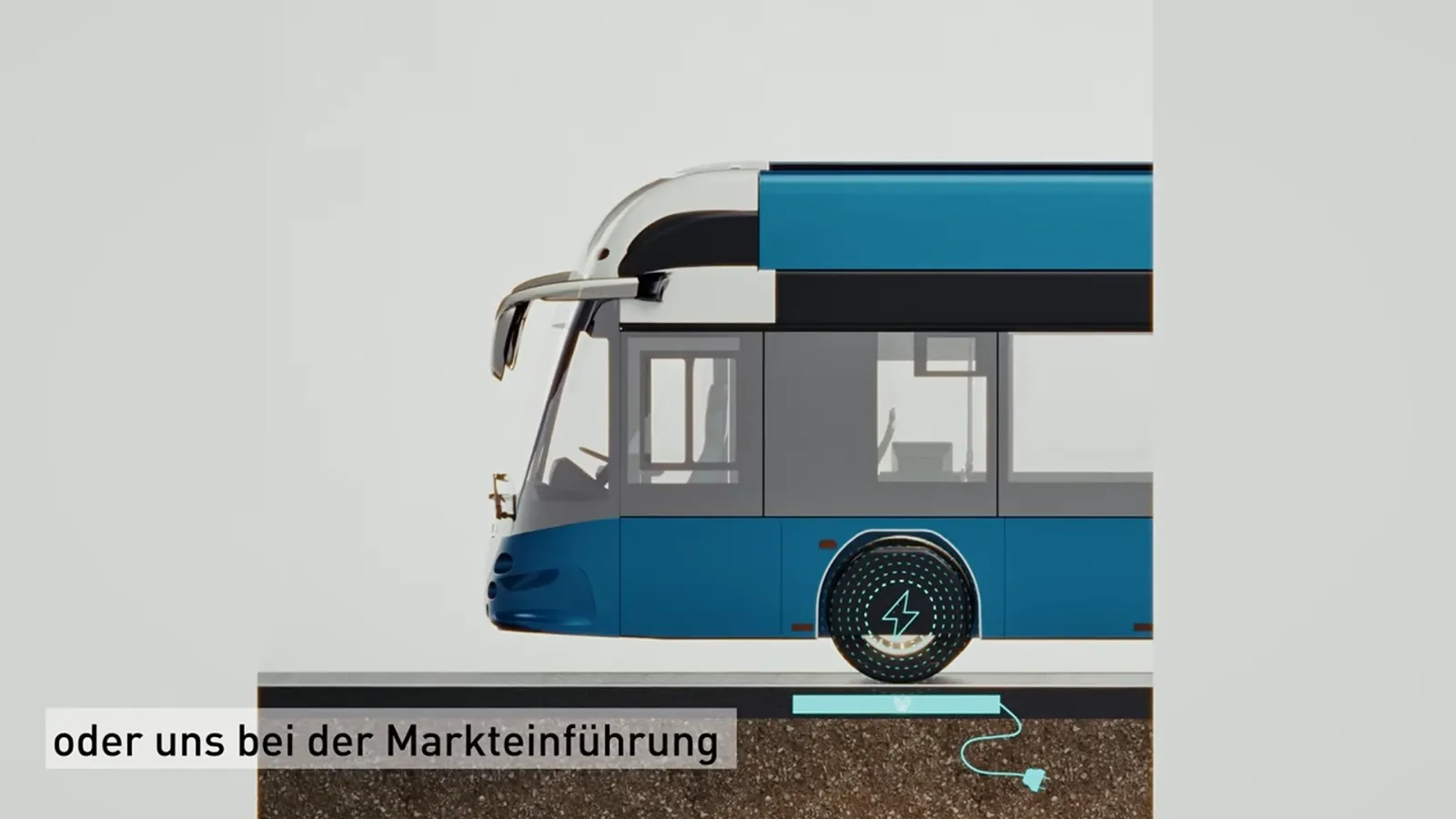
The technology works through magnetically coupled coil systems. The first set of inductive coils is housed in a plate embedded in the road surface, connected to the electrical grid and capable of generating a magnetic field. A second set of coils, built into a specially designed tire, captures energy when the bus stops and transfers it to the vehicle’s battery.
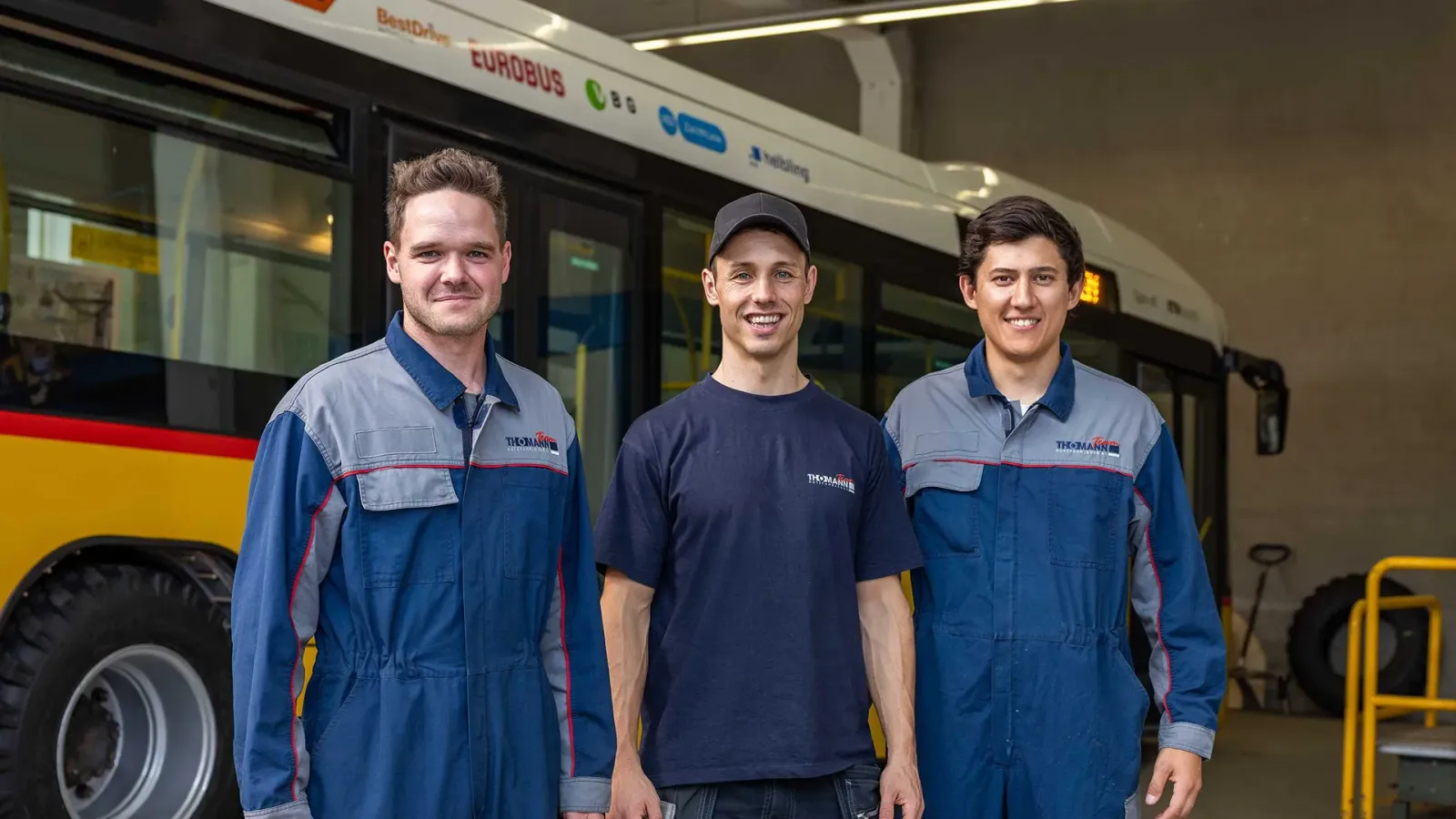
"We reduce the large transmission distance between the road and the underbody by placing the coils inside the wheel," explains Fricker. From the ground to the vehicle, the Winduction system achieves an efficiency of over 90% according to the researchers: in other words, less than 10% of the energy fed into the plate is lost. "Since our technology is also effective during short charging stops, buses can use smaller batteries, making them much cheaper to purchase and maintain," adds the ETH graduate.
There is still work to be done on tires to achieve the goal
The idea behind Winduction is fascinating, but there’s still work to be done before it can be put into use. Conventional bus tires contain steel belts that ensure stability, but this steel would react with the magnetic field, converting most of the energy into heat instead of transferring it to the battery.
Record Sales in Germany, Driven by Tesla
Savings and Reduced Strain on the Grid
According to Winduction’s calculations, the total costs could be reduced significantly. The founders conducted calculations along the route between Zurich Airport and the Oerlikon district. “Our analyses show substantial savings compared to charging at depots. The extent of these savings depends on the route. A feasibility study with public transportation operators is currently underway to quantify them,” explains Schwitter.
Let’s look at the savings: buses with smaller batteries cost less and can carry more passengers. Winduction’s ground-level charging pads are also relatively inexpensive compared to traditional charging infrastructure. Another advantage is that buses can be charged multiple times throughout the day. On the route between Zurich Airport and Oerlikon, charging pads would only be needed at 2 of the 24 stops, where the buses could accumulate about 3 hours of charging time over a 16-hour operating day. This would also reduce the number of backup vehicles required.
The electric buses currently used on this route are charged simultaneously for five hours at the depot overnight, requiring much more power than what is needed with the Winduction system. Lower energy consumption will become even more important in the future, as electricity becomes increasingly affordable during the day due to the expansion of solar power. At the same time, peak loads on the grid are reduced because it is no longer necessary to charge all buses simultaneously at night, further cutting costs. However, the theory isn’t convincing in this regard, as nighttime consumption—given that electric vehicles are still a minority and thus cheaper at present—is actually lower.
The first pilot project in 2028
The spin-off of ETH Winduction is currently building a realistic testing infrastructure, with support from the Federal Office of Transport and the Swiss Climate Foundation. The project includes both a testing laboratory and a dedicated experimental stop. Schwitter emphasizes, “Our goal is to develop a fully converted electric bus as quickly as possible that can also be used outside our private testing area.”
Electric buses continue to see strong growth: +148%, while trucks are declining. Incentives are needed.
The founders plan to launch the first pilot project in 2028. Discussions are underway with several Swiss public transport operators. One example is the area around Zurich Airport, where the bus will be tested under real operating conditions and carry passengers for the first time.
READ ALSO: Bonus for charging stations – there’s still hope, watch the video – Incentive guide