
The solution to making an electric car battery last longer might lie in disconnecting some cells.
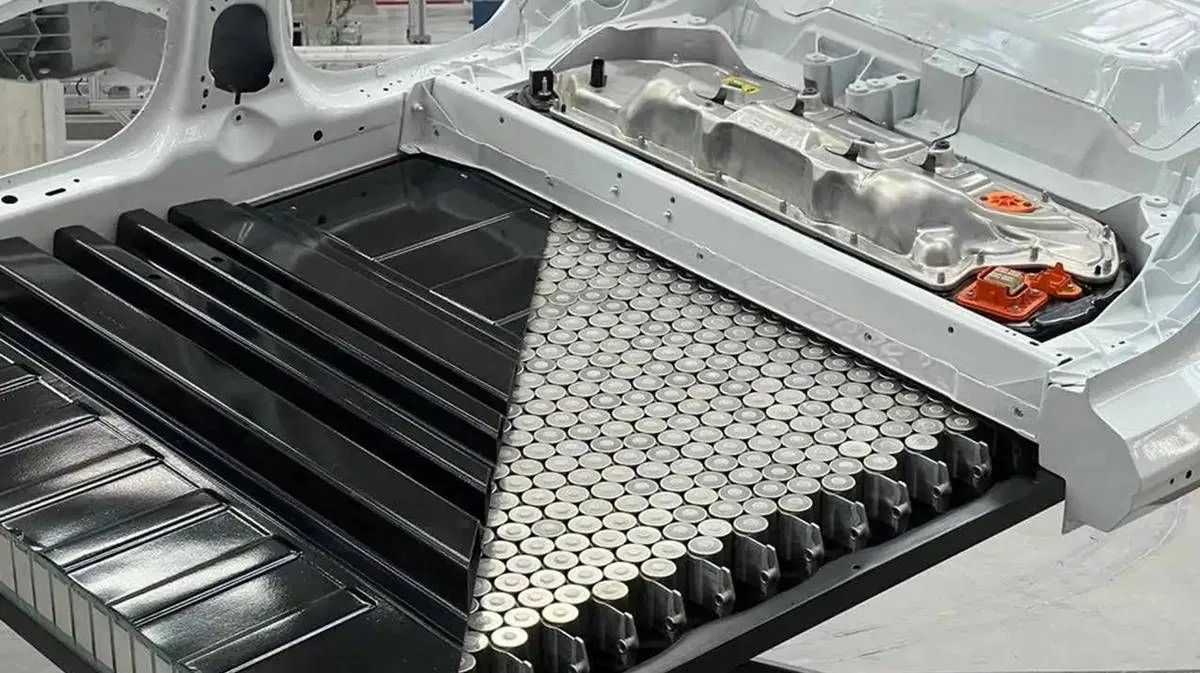
The batteries in electric cars consist of hundreds or thousands of cells, which do not age uniformly. Over time, some lose capacity faster than others, and this difference can eventually limit the overall performance of the battery pack. A team of Swedish researchers is working on a solution that could reduce the impact of this uneven wear without the need to replace the entire battery.
The proposal involves changing the way cells are connected during operation. Through electronic switches and a control system capable of adjusting these connections, the battery could stop relying on the most degraded cells and make better use of those that still retain much of their capacity. This solution could be particularly useful in electric vehicles with long ranges and electric trucks.
Disconnecting the most degraded cells to optimize battery use
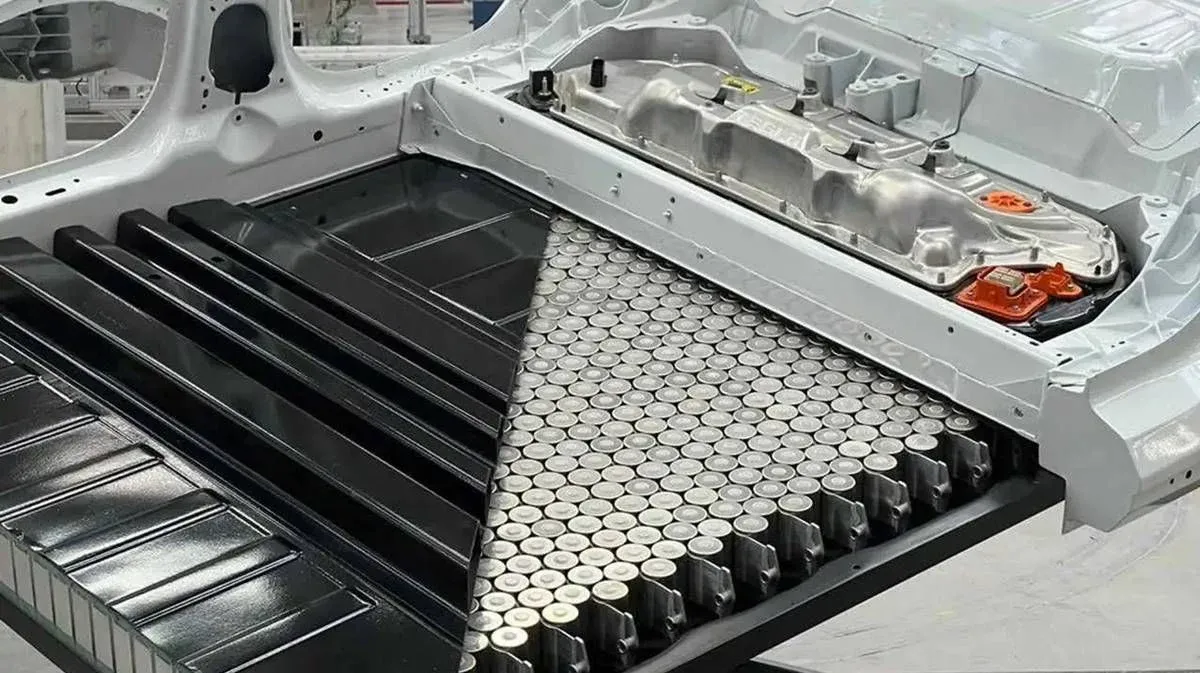
In a conventional battery, the cells are connected in a specific electrical configuration. Although not all cells degrade at the same rate due to time or mileage, those that lose capacity earlier can limit the usable energy of the entire battery. This is one of the reasons why deterioration in a portion of the battery can ultimately affect its range, even if the remaining cells maintain a relatively good health status.
The architecture studied by researchers at Chalmers University of Technology in Sweden aims to solve this problem through a reconfigurable battery. The system includes electronic switches that allow disconnecting cells with poor performance and adjusting the connections so that the remaining cells can continue to function. In this way, a degraded cell no longer necessarily limits the performance of the entire battery.
To evaluate the proposal, the team relied on experimentally validated battery models and large-scale simulations. The researchers analyzed various chemistries, electrical configurations, operating conditions, and aging patterns, including variations between cells through 1,000 Monte Carlo simulations for each scenario. The work also covered 20 representative electric vehicle models from 15 different manufacturers.
The results suggest that the potential improvement generally increases with battery voltage. This makes the technology particularly interesting for vehicles with many cells connected in series, such as long-range electric cars and trucks. However, achieving the maximum benefits would require controlling each cell individually, which adds complexity and cost. Therefore, a commercial application would likely rely on controlling groups of cells to keep the system within reasonable limits.
Up to 14 more months before replacing the battery
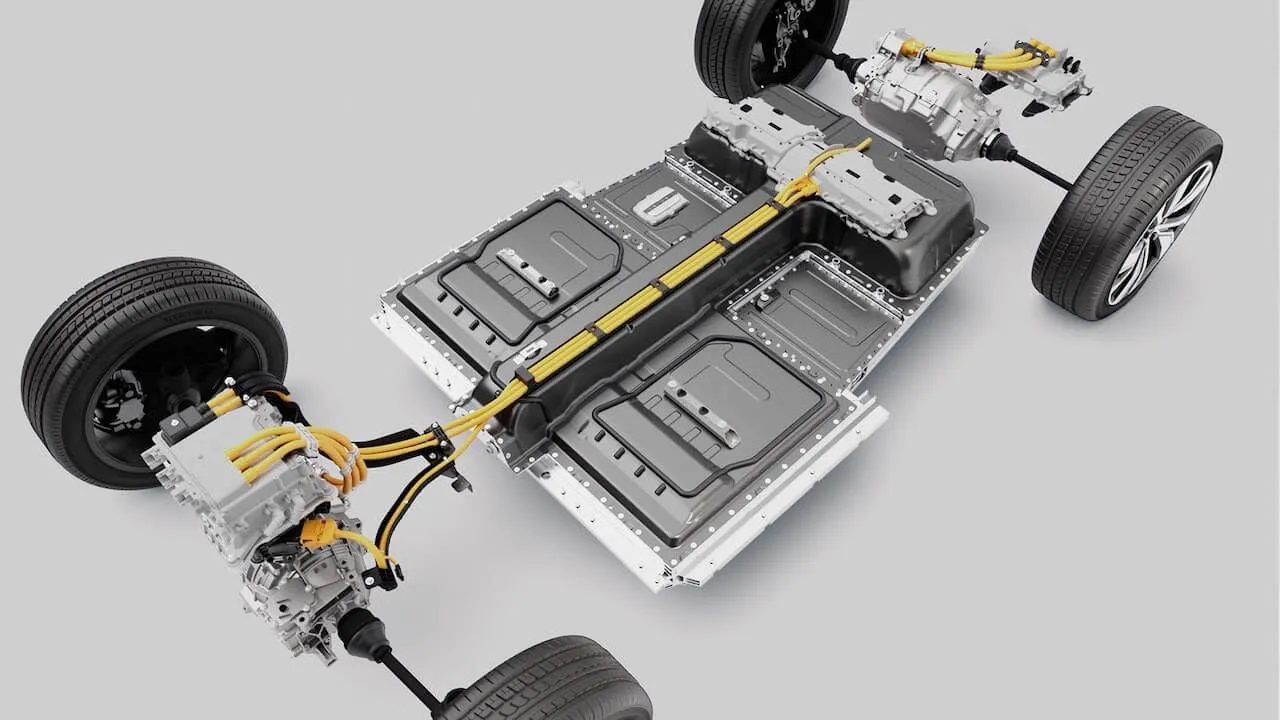
The study also examined whether extending the battery’s lifespan could offset the additional cost of electronic components. The results indicate that this approach may be economically viable for batteries over 50 kWh with relatively moderate annual mileage, as long as the initial extra cost remains below 7.16%. Longer lifespan could also help preserve the vehicle’s residual value, though this effect will depend on actual usage conditions and the used car market.
An additional potential advantage would be reducing the need to select and match cells with such precision during manufacturing. If the system can adapt to performance differences that arise over time, manufacturers would have more flexibility in handling variations between cells. Moreover, by allowing cells that still retain useful capacity to be used for longer periods, this architecture could facilitate the reuse of batteries removed from vehicles for stationary energy storage applications.
It is important, however, to place the results in context. An improvement of over 20% represents a theoretical limit under optimal conditions, not a guaranteed gain for any electric vehicle. Although the technology has undergone research and testing with industrial prototypes, it is not yet available in mass-produced vehicles. Extended tests under real-world conditions will be needed to determine how much the lifespan can be increased and whether the resulting savings outweigh the added complexity.
The study, conducted in collaboration with industry companies such as Scania and PHINIA, has been published in the scientific journal Nature Communications. If the results are confirmed in commercial vehicles, this approach could become a new way to reduce the ownership cost of electric cars: instead of relying solely on improving cell chemistry, lifespan could also be extended through smarter electrical management.
Source | Nature