
The idea that promises to turn Spain’s sun into pensions, public housing, and long-term funds
Spain could turn its solar and wind potential into a source of income to fund pensions, build public housing, and renovate millions of homes—or at least that is the proposal of Javier Peña, an environmental advocate and head of the Hope! audiovisual project, who has spearheaded the citizen campaign “Spain Can Be Great” through the Impulso Regenerativo platform.
His initiative, dubbed “Norway of the Sun,” aims to bring to Spain the sovereign wealth fund model of that Scandinavian country, which uses the profits from its oil resources to generate long-term wealth and finance its welfare state.
Using the sun to create a sovereign fund
The proposal is based on the idea that if Norway has turned its oil and gas reserves into one of the world’s largest sovereign funds, Spain could do something similar by leveraging its renewable resources. To achieve this, the proponents suggest creating a Generational Energy Fund that would directly benefit from the energy transition. The mechanism would involve the state receiving a 30% stake in new solar, wind, and storage facilities, along with income from expiring hydroelectric concessions, a portion of CO2 emission rights, and voluntary contributions from citizens.
The goal would not be to spend those earnings immediately, but to build wealth and generate returns over decades. According to the Impulso Regenerativo approach, 50% of the profits would be reinvested to increase the fund’s capital, while the other 50% would be allocated to three main objectives: funding pensions, expanding public housing, and energetically upgrading existing buildings.
The promoters estimate that the fund could generate over 12.5 billion euros annually by 2050, funds they intend to use to cover about 4.6% of pension expenses, renovate nearly one million homes, and build or acquire another 180,000 to add to the public rental housing stock. They also propose offering loans to improve homes’ energy efficiency, allowing them to be repaid through savings on electricity bills.
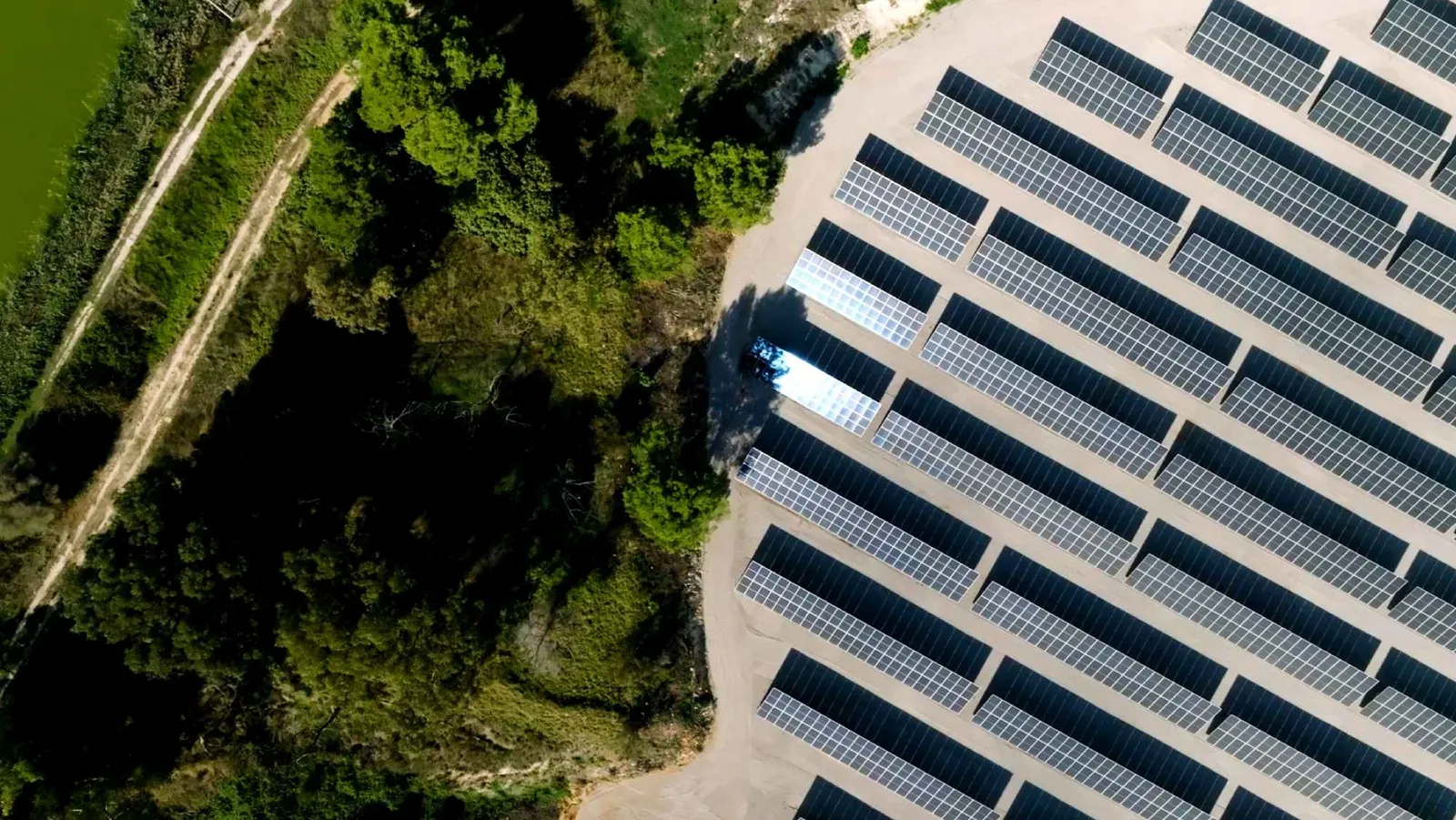
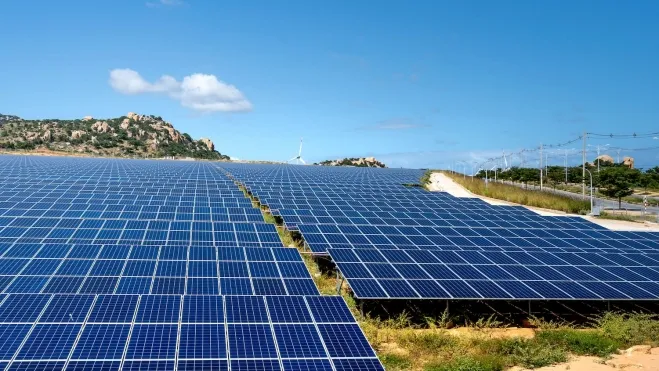
The initiative also provides that municipalities with large renewable energy facilities can directly benefit from them through local energy communities. In this way, residents can share part of the electricity generated and reduce their bills. It also proposes transforming solar parks into areas compatible with agricultural activities and biodiversity restoration, through grazing, native vegetation, and environmental regeneration measures.
Some political parties already support it
PSOE has announced that it will include in its program the creation of a sovereign fund linked to the benefits of the energy transition, although its initial approach focuses especially on reclaiming for the state the hydroelectric concessions that are set to expire. According to Cristina Narbona, a party deputy, around thirty large dams could come under public management within the next five years. Sumar has also previously advocated for the creation of a public investment fund for renewables, while other parties hold varying positions on the energy model.
It should be noted that Norway’s equivalent was not established overnight; its sovereign wealth fund began developing in 1990 and received its first transfers in 1996. By the end of 2025, it had accumulated approximately 21.3 trillion Norwegian crowns. This gives an idea that transferring such a model to Spain would require investments, legislative changes, and a strategy that must be sustained for decades.