
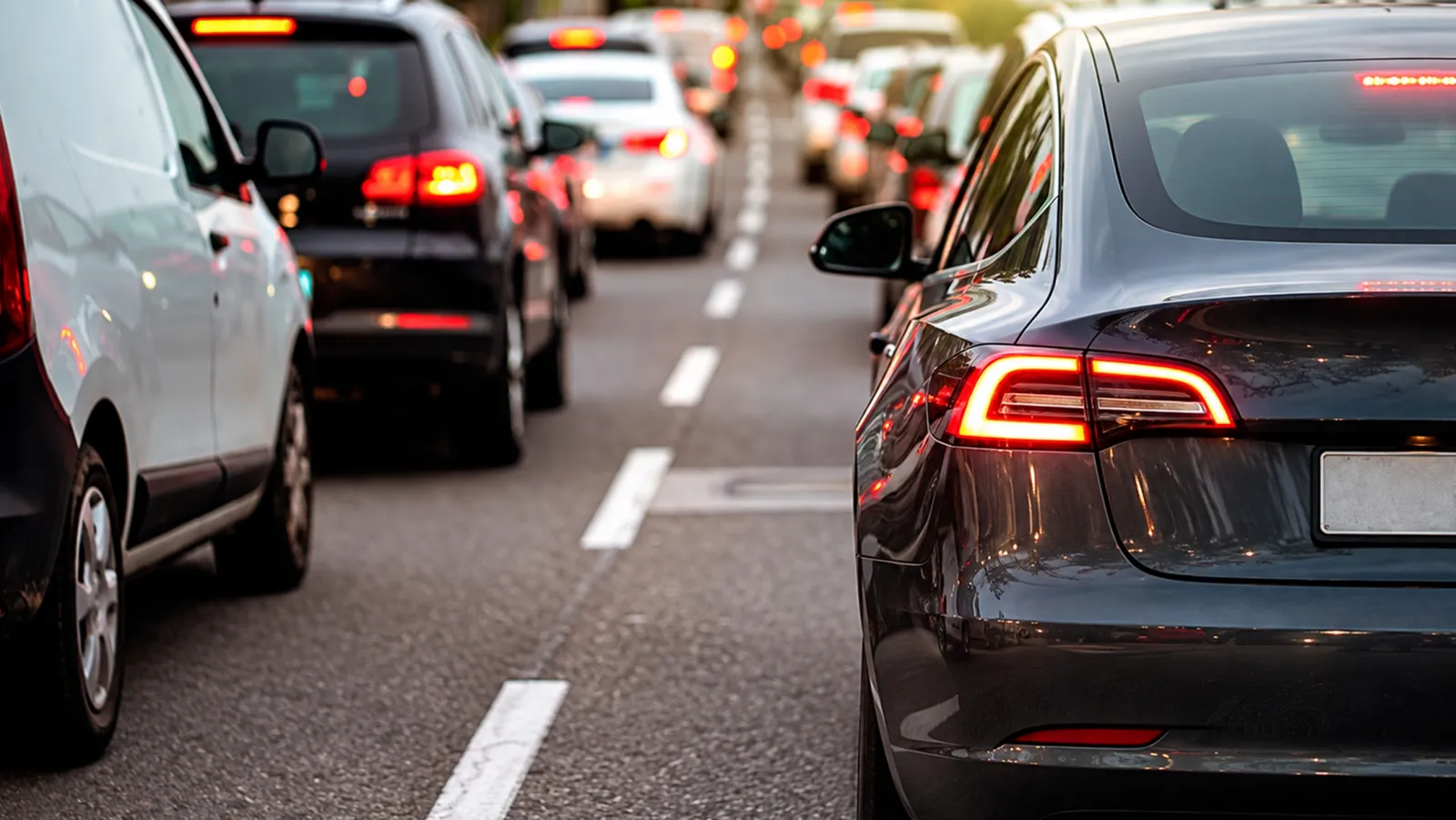
The DGT is focusing on a gesture that millions of drivers perform every day and which can lead to accidents
12/10/2026 17:30
Updated to
12/10/2026 17:30
However, this is not the only habit that can compromise road safety, as braking too late, overusing the brake pedal on slopes, or suddenly reducing speed in a curve also poses significant risks. To clarify how to act in each situation, the DGT published a series of recommendations in March 2023 in its magazine Tráfico y Seguridad Vial, explaining the techniques that help maintain control of the vehicle and avoid unnecessary wear on its components.
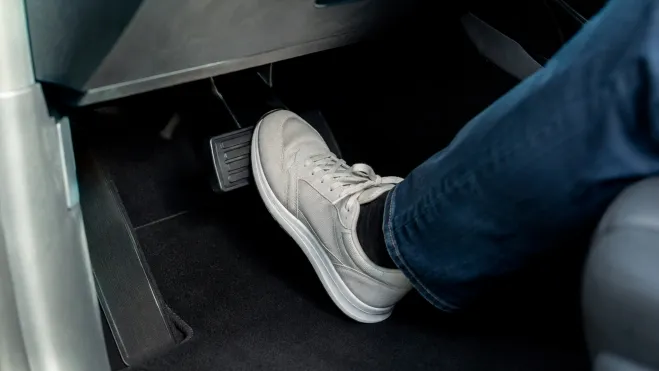
The DGT warns about the most dangerous mistakes when using brakes
Mountain roads are among the scenarios that require the greatest caution, especially during long descents when keeping the brake pedal pressed continuously can cause the system to overheat and reduce its responsiveness. To avoid this situation, Tráfico recommends driving at an appropriate speed, utilizing engine braking with short gears, using brakes moderately, and paying attention to signs warning of steep slopes or dangerous curves.
In curved sections, it is also essential to reduce speed before starting to turn, as braking too intensely once the maneuver begins can exceed the tire’s grip limit and cause a loss of control off the road. Juan Ignacio Serena, head of the Driver Training Department at DGT, states that it is advisable to enter the curve at a speed that allows for a stable trajectory, reserving gradual acceleration for when the exit of the curve can already be seen.
Another particularly important aspect is the safety distance, as driving too close to the vehicle ahead limits the time available to react to an unexpected stop and can trigger chain collisions. The DGT advises keeping an eye on what’s happening several vehicles ahead and checking the mirrors frequently, while also reminding drivers of the importance of signaling maneuvers and adjusting speed well in advance when approaching overpasses and intersections, especially when stopping is necessary to yield right of way.
How to respond to an emergency brake and reduce vehicle wear
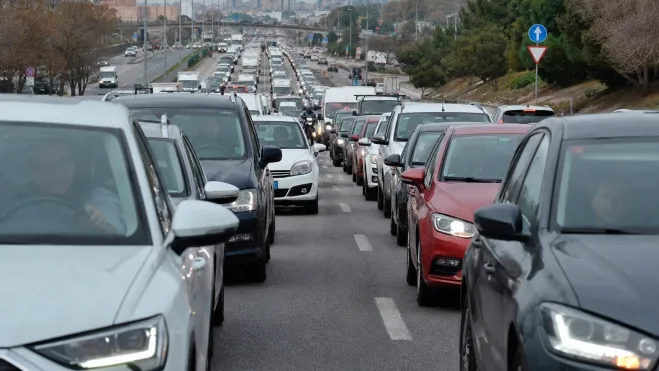
Situations involving immediate danger require a completely different approach from normal driving, as an emergency brake stop demands applying full force to the pedal without reducing pressure throughout the maneuver. In vehicles equipped with ABS, vibrations that may occur under the foot are a result of the anti-lock braking system in operation, so they should not cause the driver to stop braking. In the case of a car with a manual transmission, it is also necessary to press the clutch to prevent the engine from overheating.
Outside of these exceptional circumstances, Tráfico insists that anticipatory driving helps avoid many harsh braking situations, especially when approaching traffic lights, crosswalks, or congestion. Taking your foot off the accelerator in time and gradually reducing speed helps extend the life of brake discs and pads, while also cutting fuel consumption. As noted by DGT itself, driving characterized by sudden accelerations and braking can increase fuel use by two to four liters per 100 kilometers.