
DGT warns those who never use their car’s lights: if the automatic mode fails, you’ll be fined.
10/10/2026 19:00
Updated to
10/10/2026 19:00
Aid systems are taking on more and more functions within vehicles, but there are certain decisions that regulations still leave entirely in the driver’s hands. One of these is the proper use of lighting, even when the vehicle has sensors capable of turning the lights on and off automatically.
This becomes particularly important when visibility deteriorates, as it isn’t always nighttime that requires turning on the lights. Heavy rain, fog, snow, or dust storms can also necessitate their use, and relying solely on what the vehicle decides might result in a violation.
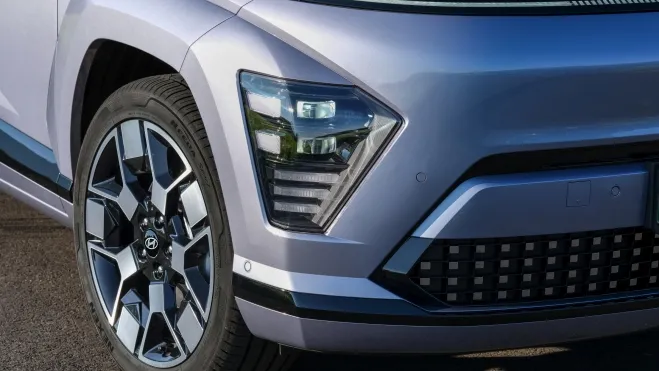
The car can turn on the lights on its own, but the driver remains responsible.
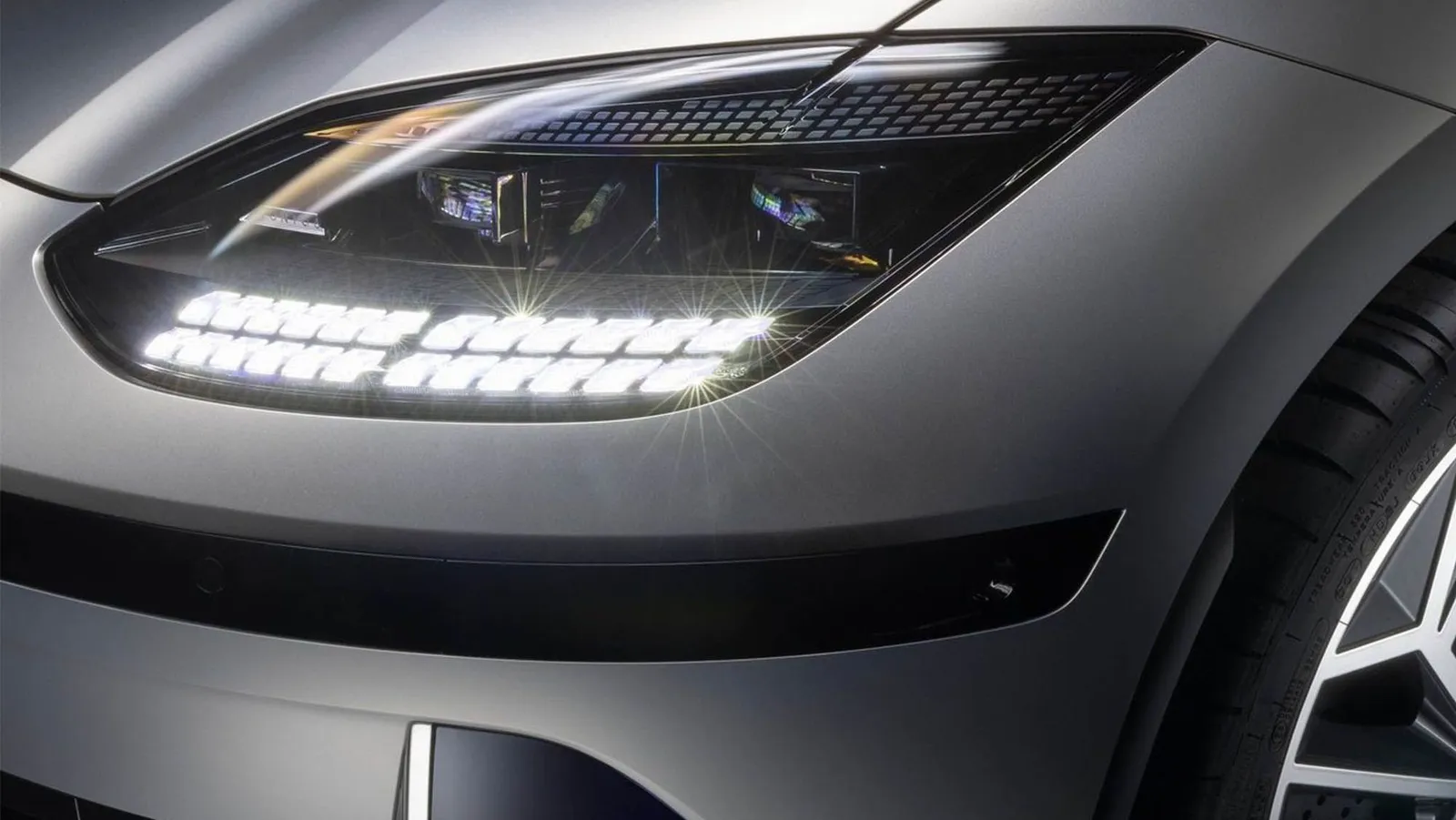
The DGT includes Automatic Lighting Function among the current available driver assistance systems, a technology that uses a sensor to analyze ambient light levels and activate the lighting when it detects conditions such as nightfall, entering a tunnel, or reduced available light.
The problem is that these systems operate based on the conditions they can detect, and this does not exempt drivers from checking whether they have the appropriate lights. For example, a rainy day may provide enough light for certain automatic systems not to react in the same way as in darkness, even though visibility on the road has significantly worsened.
Spanish legislation leaves no room for ambiguity on this matter, as Article 43 of the Traffic Law requires the use of appropriate lighting from sunset to sunrise, when driving through tunnels, and also when weather or environmental conditions significantly reduce visibility. Examples explicitly mentioned include fog, heavy rain, snow, smoke, and dust.
In rain or fog, automatic mode is not an excuse
The General Traffic Regulations elaborate on this requirement in Article 106, stating that in such situations the front fog lights or short/long range headlights must be used as appropriate, while the rear fog lights are reserved for especially adverse conditions such as heavy fog, intense rain, or severe snowfall.
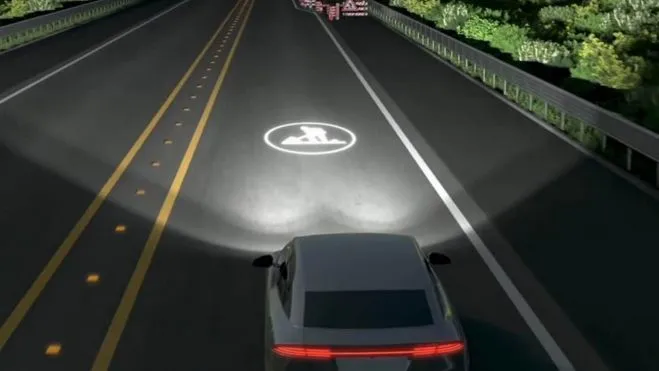
The DGT itself also recommends turning on the turn signals when driving in rain to improve visibility and help other road users detect the vehicle, a measure that is particularly important when water reduces contrast and makes it harder to see other cars on the road.
Driving without the appropriate lighting when visibility is poor or absent is considered a serious offense, with a standard fine of 200 euros for such violations. The presence of automatic lights does not change this responsibility, so if conditions require the use of lighting and the system fails to activate it, the driver must do so manually.