
Kia e-Niro and recall campaign. “Insufficient battery monitoring,” fire risk. Was this how 0% degradation was achieved? :)
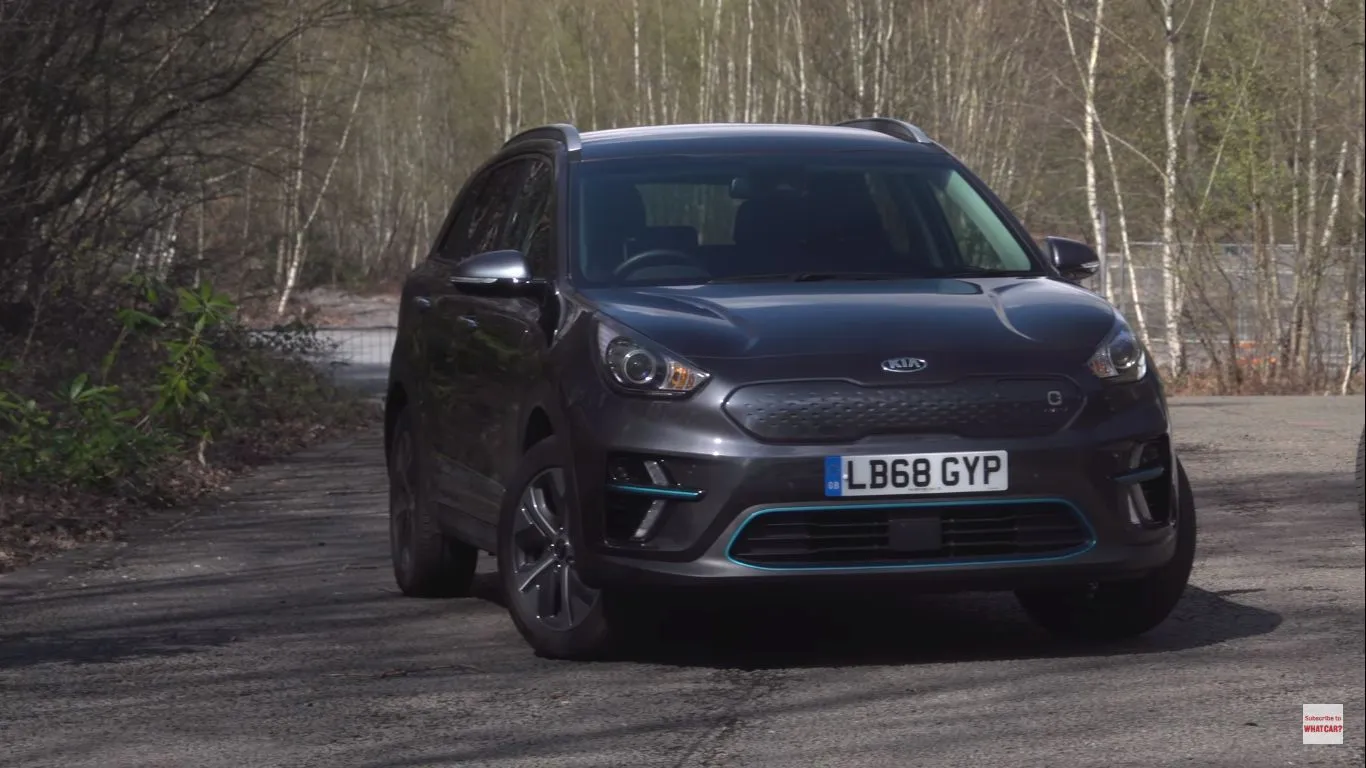
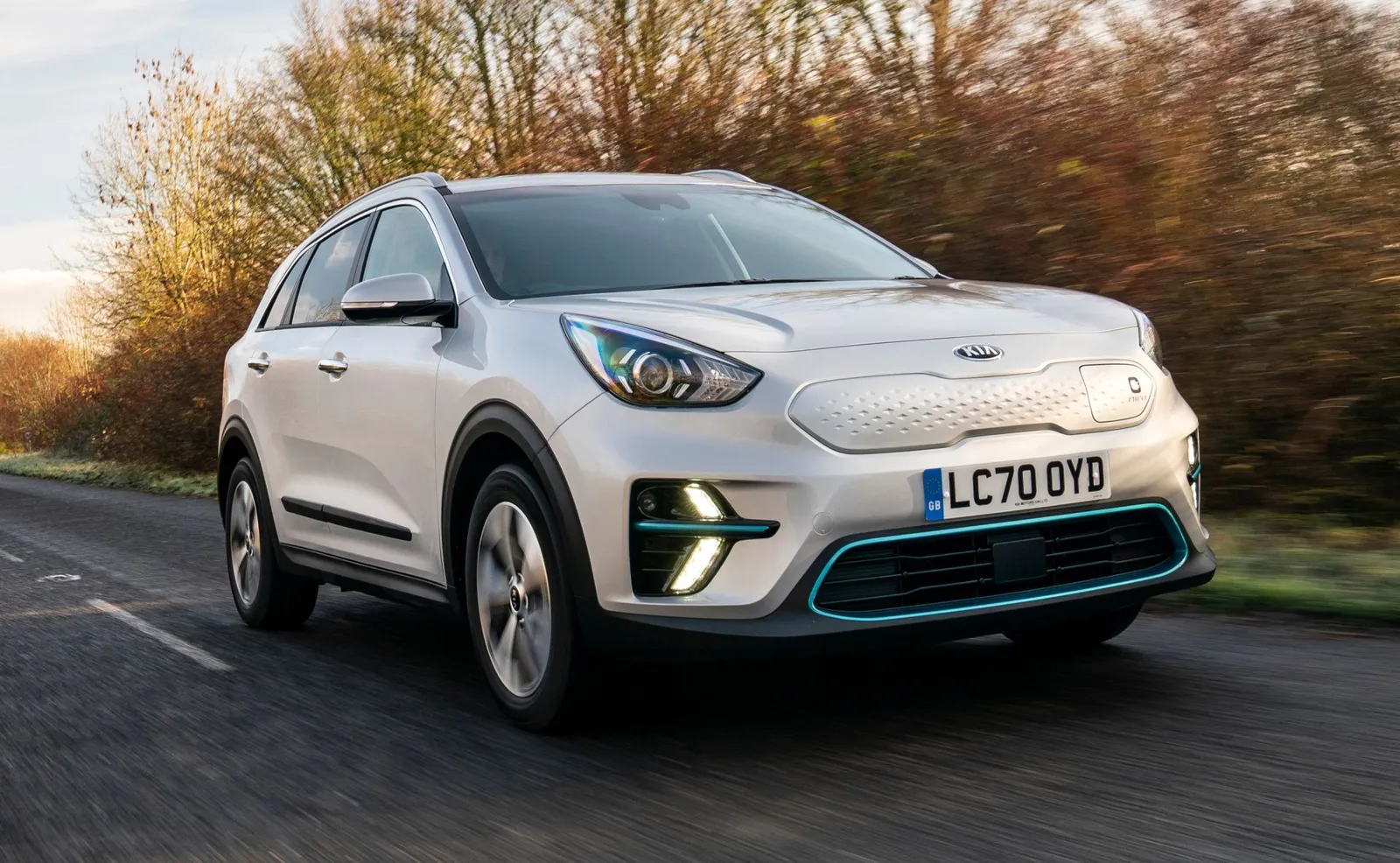
Kia has announced a worldwide recall for the Kia e-Niro, the first generation of the electric Kia Niro. The manufacturer claims it is due to “insufficient battery monitoring,” which may increase the risk of fire. It’s unfortunate that Kia dealerships conducted battery tests some time ago, which showed zero degradation in the battery packs even in vehicles that were heavily used. Meanwhile, the “risk of fire” doesn’t arise out of nowhere but rather from the progressive degradation of battery cells.
Worldwide Service Action for Kia e-Niro
The Kia e-Niro was introduced in 2018, initially available only in limited quantities and solely in South Korea, but over time (about 1.5 years later) it gradually made its way to Europe as well. We have consistently written that it was “too good” for its time—alongside the Hyundai Kona Electric and Kia e-Soul—because thanks to a battery with a capacity of ~66-67 (64) kWh, it offered ranges of hundreds of kilometers. It was a phenomenon in its segment, as no one was able to challenge it for a long time.
However, zero degradation after several years of use seemed suspicious to us. We were right: Kia is recalling the e-Niro models produced between May 19, 2020, and March 18, 2022—a total of 14,117 units [pre-redesign], of which 11,331 were sold in Europe, according to Germany’s Auto Motor und Sport. The reason for the recall is “insufficient logic” in the battery management system (BMS), which could cause cells to overheat and lead to fires. By “insufficient logic,” we mean a lack of data and procedures within the BMS for cells that are several years old or have accumulated 150,000+ kilometers of mileage [approximate figures].
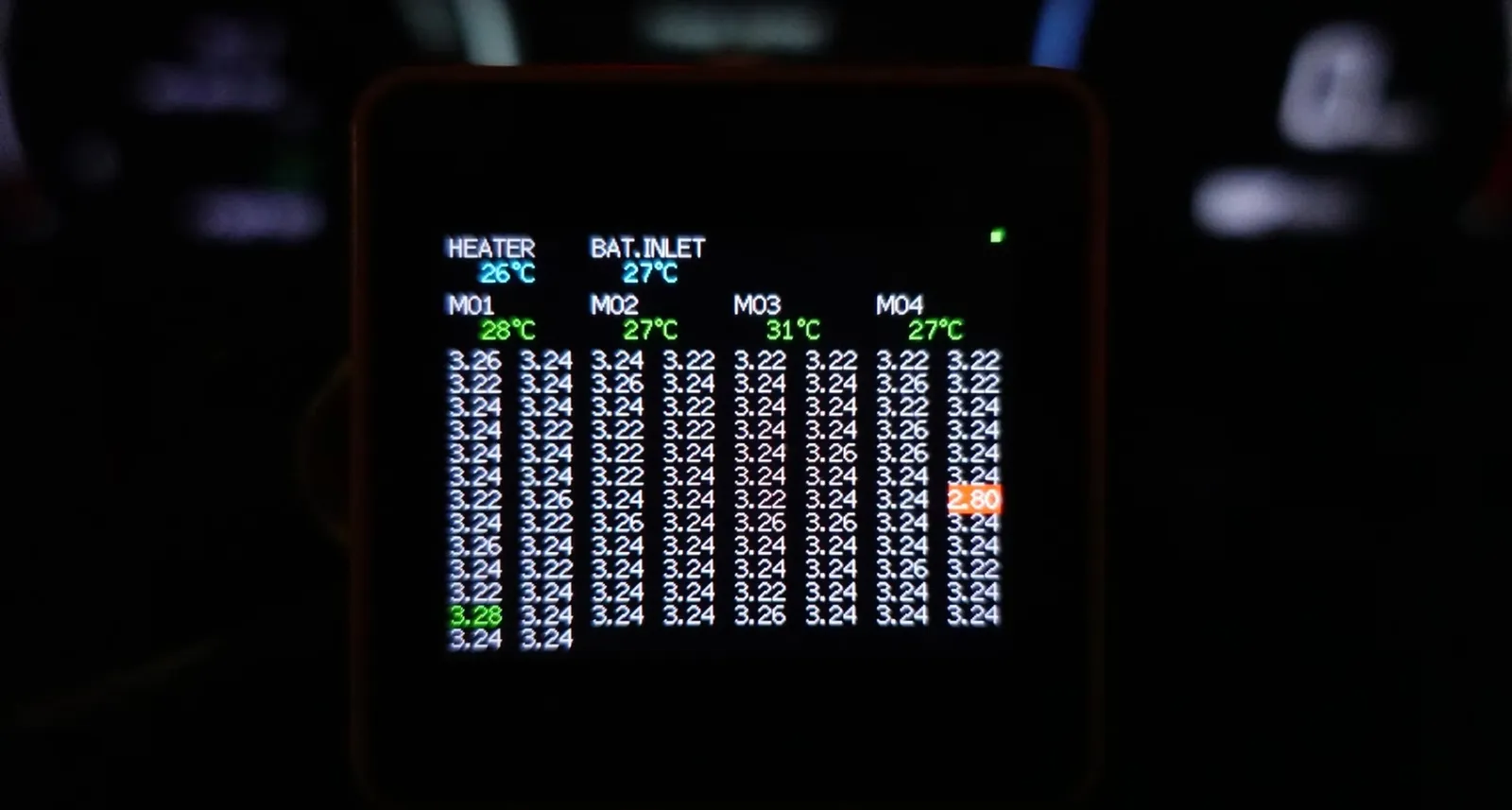
A voltage issue in one or more cells of the Kii e-Niro is a sign that the cells have worn out or aged.
By simply bringing the model to market, the manufacturer was unable to conduct years-long simulations covering all possible usage scenarios. The BMS was not programmed to handle certain issues that arise with age and increasing mileage.
In response to the ASO recall (action number 261261), the aforementioned Kia e-Niros will receive an update to their BMS software. The software installation is expected to take about half an hour. The actual degradation of the battery pack will also be checked, and if issues are found, the battery will be replaced under warranty. Replacing it typically takes an entire workday, as it requires 6 hours of work (source). Unlike the Hyundai Kona Electric, the Kia e-Niros used SK Innovation cells, which the manufacturer claimed until recently had zero battery-related fires.
Article Rating
Readers’ Ratings
[Total: 3 votes Average: 5]
Don’t miss new content—CLICK and FOLLOW Elektrowoz.pl on Google News. You might also be interested in the following ads: