Katowice as the capital of European mobility! 550 speakers from around the world, 250 thematic sessions, and an EXPO of modern technologies
In short:
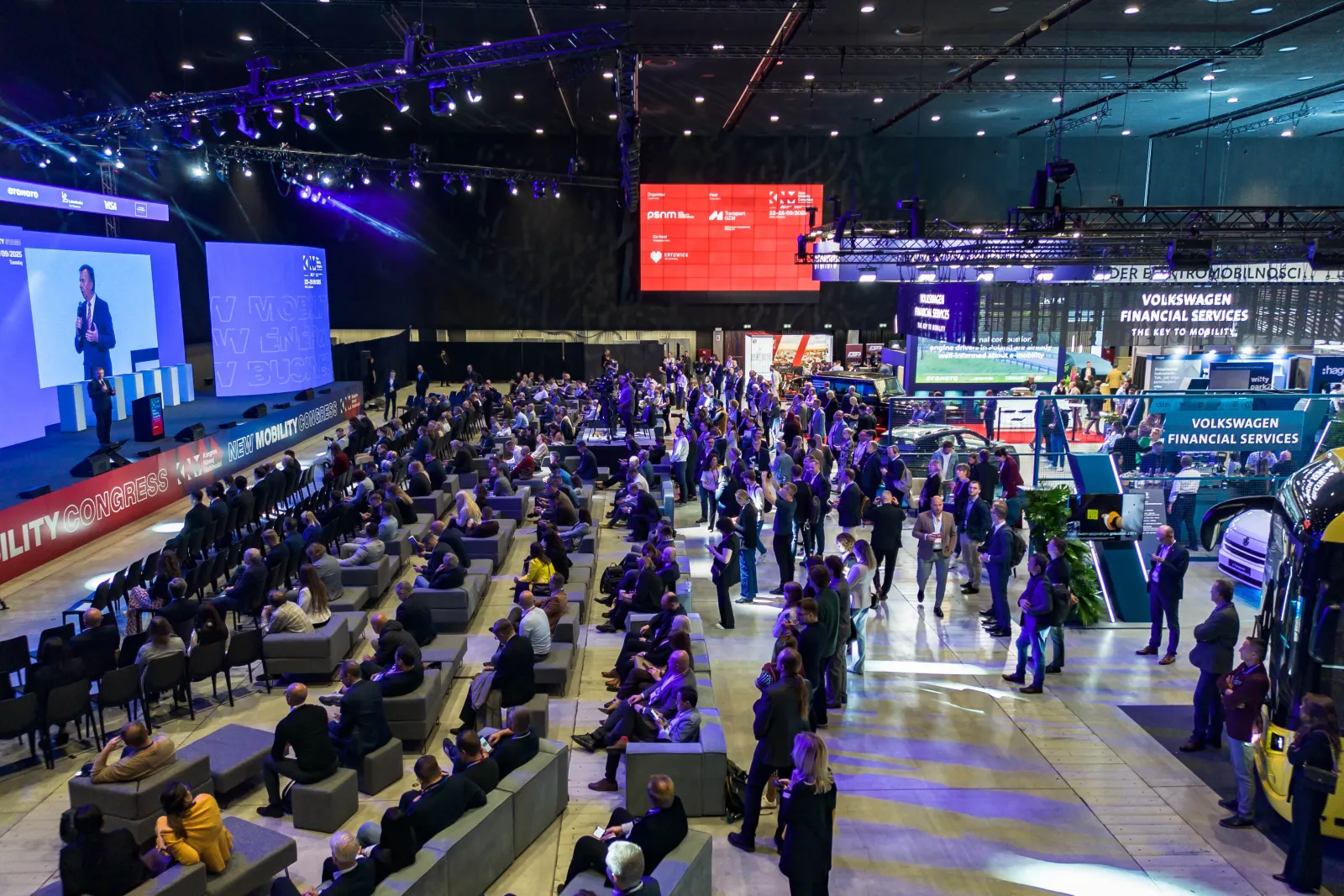
On September 23 this year, Katowice will become the center of European mobility for three days
KNM will host discussions on strategic transformation directions for industries and sectors in the European economy, among other things
Over 550 speakers from around the world have confirmed their attendance
The organizers have scheduled 250 thematic sessions
The event will be accompanied by the region’s largest EXPO for modern technologies
Katowice: Capital of Transformation
The Congress of New Mobility has consistently expanded its scope over the past few years, and this year’s edition will be the most comprehensive in its history. KNM 2026, held for the second time in a row at the International Convention Center (MCK), will go far beyond just electromobility to cover all key areas of transformation — from transportation, railways, aviation, logistics, and infrastructure, to energy, industry, AI, and deep tech technologies, as well as urban development, architecture, construction, housing, climate policy and health, security and resilience, and future mobility.
“The transformation of transportation no longer relates solely to the automotive industry — it encompasses energy, industry, digitalization, safety, cities, and investment. The Congress on New Mobility reflects this change. We are creating a platform where leaders from various sectors come together to jointly seek answers to questions about Europe’s competitiveness, economic resilience, and the technologies that will shape the next decade. We believe it is such discussions that lead to concrete decisions, partnerships, and projects that ultimately transform the Polish and European markets,” said Maciej Mazur, Managing Director of the Polish Association for New Mobility.
Why Attend in Katowice?
Those who make decisions. The KNM 2026 stages will feature representatives from public administration and European institutions, presidents and board members of global companies, leaders of Polish cities, scientists, and experts responsible for the future of key industries and economic sectors. Check the list of announced speakers: https://kongresnowejmobilnosci.pl/prelegenci-2026/.
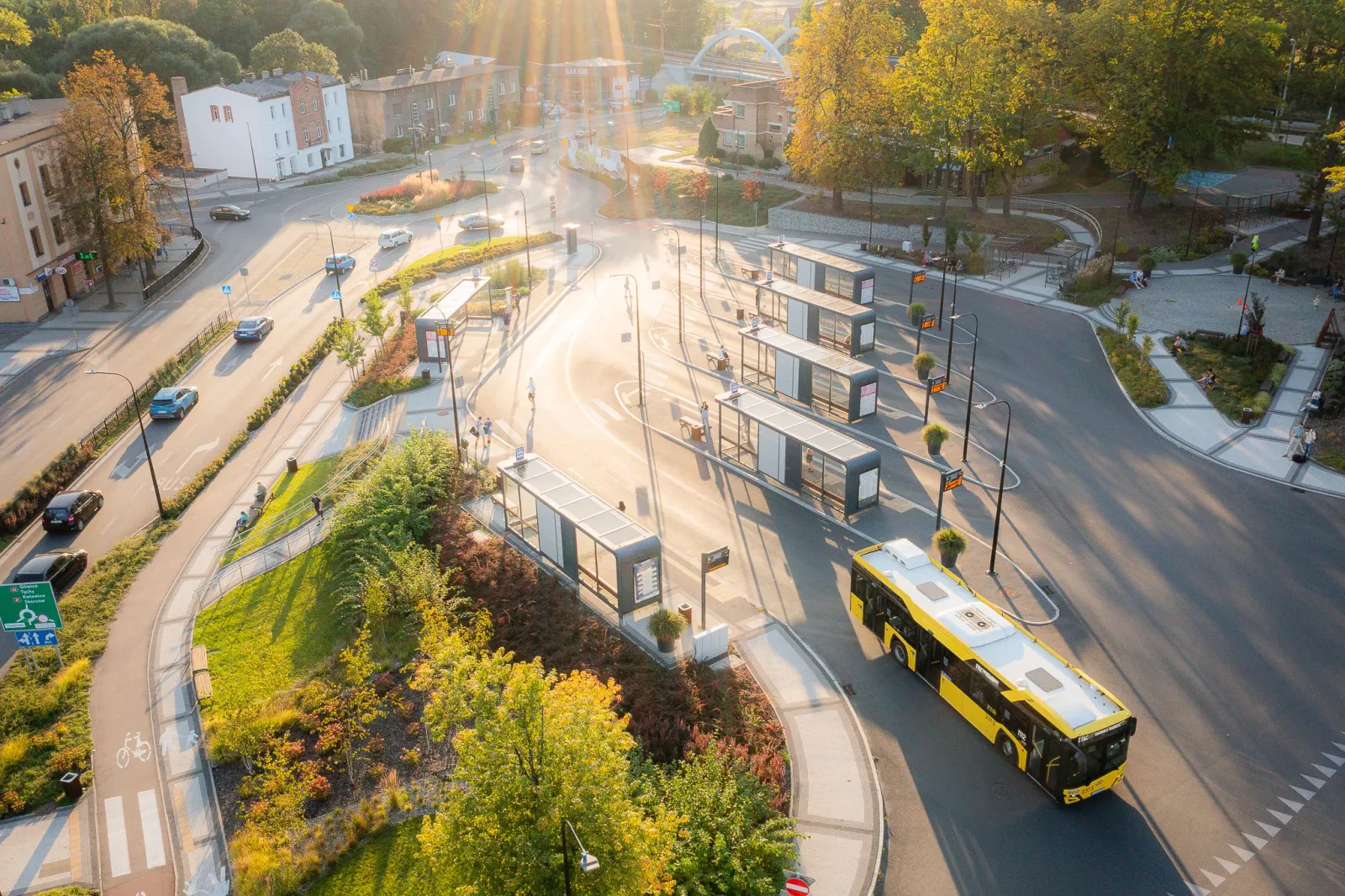
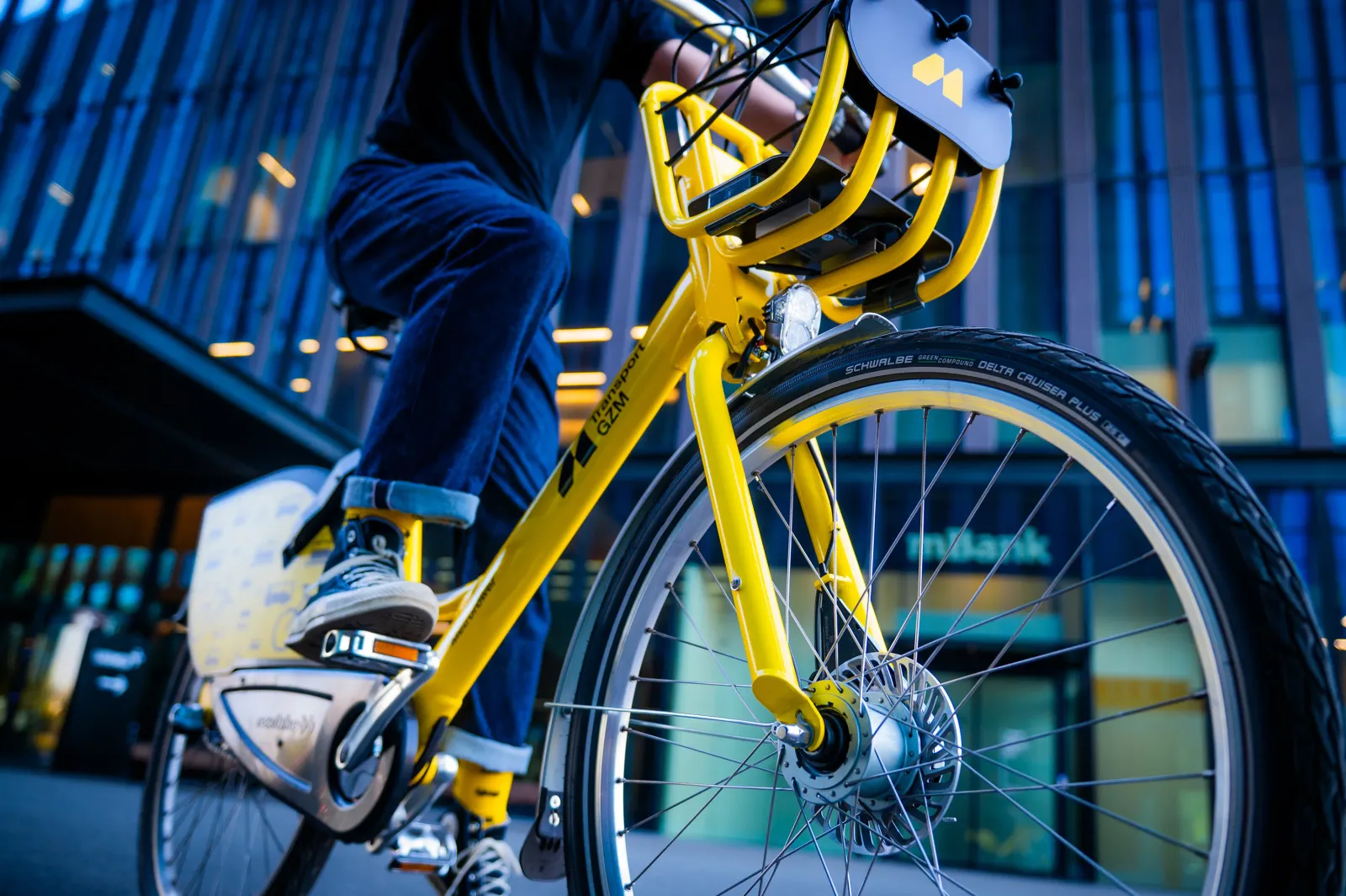
– The Silesian Basin Metropolitan Area is today one of the places where mobility transformation is truly taking place—not just on paper. We are integrating public transportation, developing Metrorower, and investing in railway fleets and cycling infrastructure, because the future of mobility lies above all in a well-connected, convenient, and resident-friendly system. That’s why we are pleased that Katowice will once again serve as a gathering place for those who influence the direction of these changes. The Congress on New Mobility is a platform where experiences from local governments can meet new technologies, businesses, and European trends. It is through such discussions that solutions should be developed, which we can then implement in our cities and metropolitan areas—said Igor Śmietański, vice chairman of the board of the Silesian Basin Metropolitan Area.
Premieres that will show the direction of change in the coming decade. In Katowice, KOMPAS 2035 – Strategy for Transforming Poland’s Automotive Industry, a roadmap of actions to strengthen the country’s automotive sector within Europe’s value chain, will be presented. The Polish EV Outlook 2026 and the report “Cybersecurity in New Mobility” will also make their debut. And these are just some of the analyses, reports, and expert studies to be showcased at this year’s Congress.
– The 2026 Congress on New Mobility will focus on the impact of new technologies on Poland’s and Europe’s economic and social development. The program covers strategic industries and sectors undergoing transformation, as well as the need to enhance competitiveness, build resilience, and achieve technological sovereignty. Participants can look forward to strategic debates, presentations by world experts, report launches, special events, and a comprehensive EXPO area showcasing technologies and solutions for mobility, transportation, energy, infrastructure, industry, and future cities – said Łukasz Witkowski, Vice President of the Polish Association for New Mobility.
From autonomous cars to electric planes
– Katowice is today a symbol of successful transformation – it is a city that was able to leverage its industrial past experience to build a modern, open, and dynamic metropolis. This transformation shows that change can be not only a challenge but also an opportunity for development and improving the quality of life for residents. That’s why I’m pleased that it is our city once again becoming the venue for an important discussion on the future of cities, transportation, and the economy. The Congress on New Mobility is not just a gathering of experts and business representatives but primarily a platform for exchanging experiences and developing concrete solutions that we can implement in our cities – said Marcin Krupa, mayor of Katowice.
Cities as a vital part of transformation
The transformation of mobility doesn’t end with roads, charging networks, or cybersecurity – it also takes place in the spaces where we live day to day. For this reason, an increasing number of participants at the Congress are architects, urban planners, and representatives from the construction industry. This clearly shows that sectors previously seen as separate – transportation, energy, and construction – are increasingly seeking a common language. The way buildings, residential areas, and public spaces are designed determines how residents move around, how much energy cities consume, and how effectively they can respond to climate change or new social needs.
– Architecture, urban planning, and construction are today integral parts of transformation. The way we design buildings, neighborhoods, and entire cities affects not only how we move but also quality of life, resilience to climate change, energy and resource consumption, and cities’ ability to address emerging challenges. That’s why at the 2026 Congress on New Mobility, architecture and construction will be one of the key focus areas, with speakers including architects, urban planners, representatives from local governments, and the real estate sector responsible for shaping and developing Polish cities – said Agata Wiśniewska-Mazur, Vice President of the Polish Association for New Mobility.
The program also included the Student Architectural Workshops “Stop: Integration” and the student competition “HUB it! – HUBnij to!”, aimed at students in architecture and urban planning who are seeking answers to how cities, public spaces, and future mobility should be designed.
From September 23 to 25, Katowice will once again serve as the venue where those shaping the future of mobility in Poland and Europe come together.
Registration: https://tickets.kongresnowejmobilnosci.pl/registration?ticket=nw9dszkbch
Free admission: https://kongresnowejmobilnosci.pl/bilety-darmowe/
Event program: https://kongresnowejmobilnosci.pl/program-knm-2026/
More information: www.kongresnowejmobilnosci.pl
About PSNM
The Polish Association for New Mobility (PSNM) is the largest industry organization in Poland, focusing on areas such as developing the electric mobility market. It brings together nearly 300 companies from across the entire electric mobility value chain, including vehicle and infrastructure manufacturers, charging service providers, fuel and energy companies, financial institutions, transportation firms, suppliers of modern technologies, as well as other entities and organizations active in the field of sustainable transportation. PSNM is part of E-Mobility Europe, the largest organization working to develop the electric mobility market in Europe.
About GZM
The Silesian-Copperbelt Metropolis (GZM) is an association of 41 cities and municipalities in Upper Silesia and the Copperbelt, home to over 2 million residents. The metropolis leverages the potential of its municipalities to improve residents’ quality of life and enhance their competitiveness.
One of GZM’s most important tasks is the organization and development of an integrated transportation system. Under the Transport GZM brand, it combines buses, trams, trolleybuses, bicycles, and regional rail to create one of the largest public transportation systems in Europe. GZM is also developing Metrorower—the largest urban cycling system in Poland—and consistently strengthening the role of rail as the foundation for a future metropolitan transportation system. GZM’s activities also include economic development, education and research, climate and environmental protection, as well as the expansion of leisure offerings. The metropolitan area is a space for cooperation among local governments, universities, businesses, and residents, as well as a place to implement modern solutions to address the challenges of contemporary cities.
About Katowice
Katowice has been involved in numerous initiatives and projects for many years, including those funded by the EU, aimed at encouraging changes in transportation habits. Modern transfer hubs operate here, the tram infrastructure is being expanded, and electric buses are part of the urban transit fleet. As the first city in Poland, Katowice fulfilled the requirements of the Electromobility Act and met its legal obligation to build appropriate infrastructure. Today, there are over 200 charging points in the city. The city also continues to invest in cycling infrastructure—developing a network of bike stations and paths, with over 200 kilometers available at present, including the region’s longest velostrada route at 4.4 kilometers. These numerous options make it increasingly common for residents of Katowice to choose cycling as a mode of transport and to use public transportation more frequently.
The popularity of electric vehicles is also on the rise. Katowice has been repeatedly recognized for its efforts in this area. The city ranks highly in various assessments and is also honored with awards in competitions promoting sustainable development.