
Jeep confirms the return of the Renegade, which will have an electric version
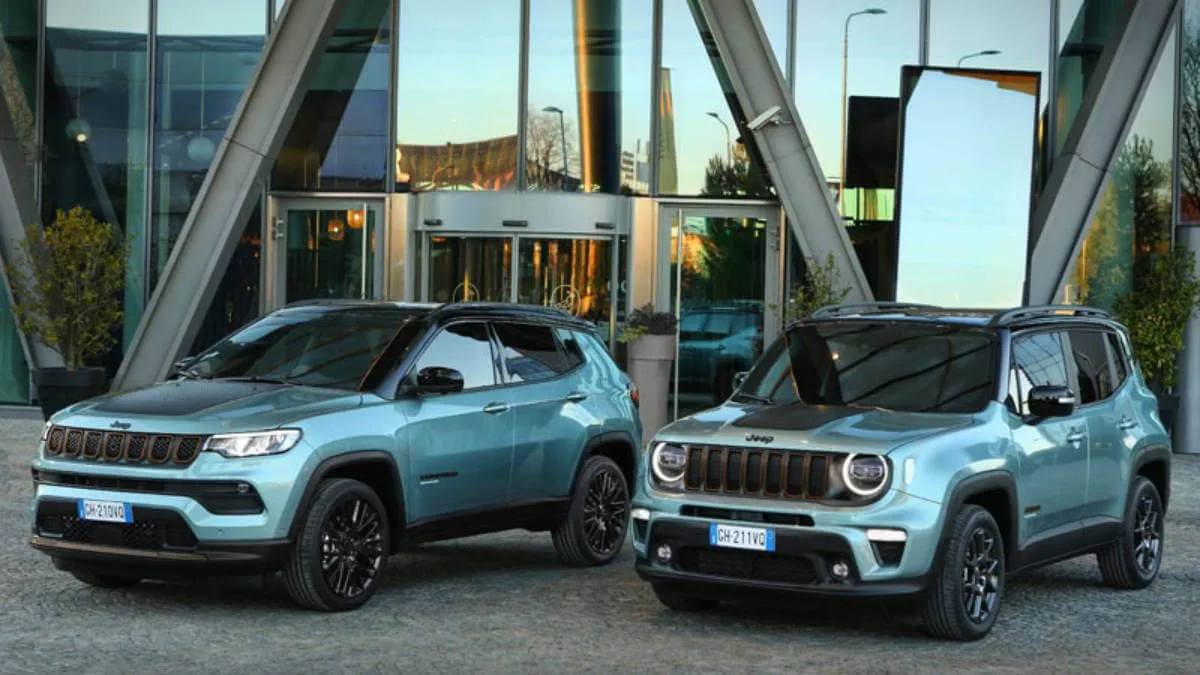
The Jeep Renegade will get a second chance in Europe. After nearly twelve years on the market, this American compact SUV needs a thorough refresh to remain competitive in one of our market’s most competitive segments, where electric models are gaining increasing prominence. Stellantis is already preparing a successor, with the new generation aiming for a significant shift in its approach.
The return of the Renegade will also be an opportunity to regain ground against more modern rivals. Electrification will play a key role in this new phase, with a fully electric version that could become one of the most interesting alternatives for those seeking a compact SUV with a distinct aesthetic and a more adventurous orientation.
The first generation, launched in 2014, has sold over 610,000 units in Europe. However, neither aesthetic updates nor the introduction of electric versions have managed to hide the passage of time. Its successor must maintain Jeep’s recognizable character, but with technology that meets current standards.
A new electric generation
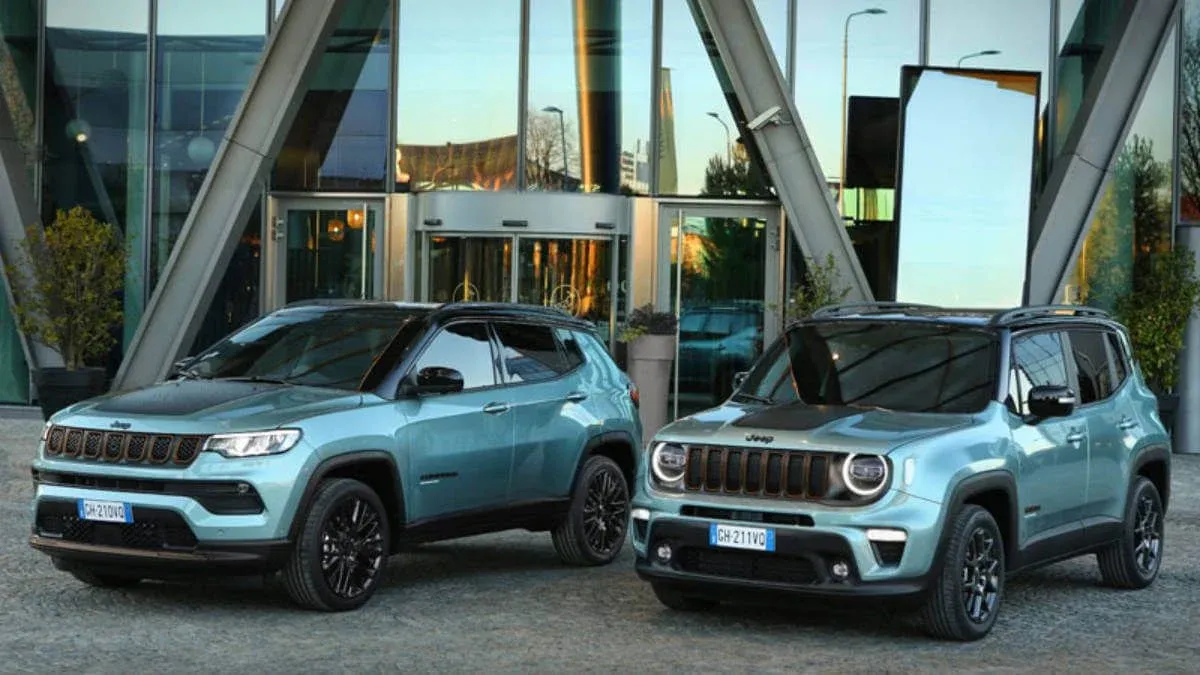
For now, Jeep has not revealed the specifications for its upcoming Renegade nor confirmed which engine options will be available. What it has announced is that the new generation will arrive before 2030 and will be part of a European lineup that will expand to six models. The strategy includes various technologies and platforms, so it is still too early to determine whether the model will use a specific architecture or offer all-wheel drive across all versions.
Stellantis’ new STLA One architecture, introduced as a modular platform for vehicles across different segments and propulsion systems, fits into this strategy. It enables the development of a new generation with greater technological integration and lower costs—two key factors for competing in the small SUV market. However, Jeep has not yet officially confirmed the specific platform for the next Renegade.
The electric version will be particularly important to compete with models such as the BYD Atto 2, KIA EV3, or Skoda Epiq. The goal should be to offer a car that is easy to handle in urban areas, has sufficient range for long trips, and features a design that sets it apart from conventional urban SUVs. For the Renegade, this distinctive character will need to remain one of its main selling points.
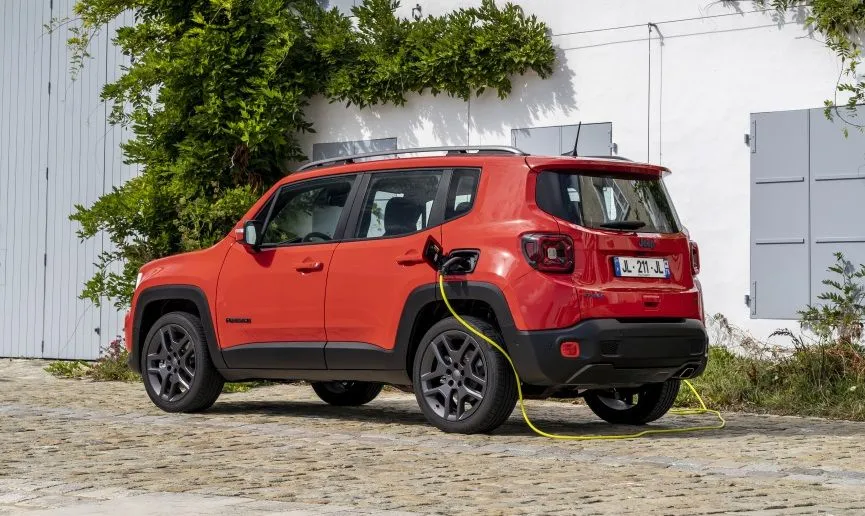
To get an idea of what it might offer, we can use the current Peugeot e-2008 as a reference, though it should be noted that this is just an estimate rather than confirmed information about the future Jeep model. The French vehicle features an engine producing up to 156 HP and a battery with a gross capacity of 54 kWh, offering an approved range of up to 406 kilometers on the WLTP cycle. These figures provide a reasonable benchmark for an electric SUV of this size.
In this context, a power output between 150 and 180 HP would be a reasonable assumption for the entry-level electric version of the new Renegade, while a more powerful variant could approach 200 HP if Jeep aims to give it a more dynamic character.
The battery will also be crucial. A minimum capacity of around 60 or 70 kWh is required to achieve a WLTP range of approximately 450 or 500 kilometers.
Rapid charging is another aspect that deserves attention. A maximum power of 100 to 150 kW would allow for trips with reasonably short stops, but given that even 400V models can be charged in less than 20 minutes these days, Stellantis needs to step up its efforts in this area.
Finally, price will be crucial for the success of the electric version. Jeep will need to balance battery costs with compelling features and a brand image that justifies its pricing. Currently, Stellantis’ prices are above average, so they need to improve in this area.
In essence, the return of the Renegade represents an opportunity for Jeep to regain a foothold in one of the most important segments of the European market. If the brand can combine a recognizable design, competitive range, and a reasonable price, its electric version could become an interesting alternative to the Peugeot e-2008. The question is to what extent it can differentiate itself from the Avenger while maintaining the capabilities that have historically defined Jeep.