
What are the charging losses for an electric car? ADAC: A few to a dozen percent. Tesla Model Y: 3-12.7 percent
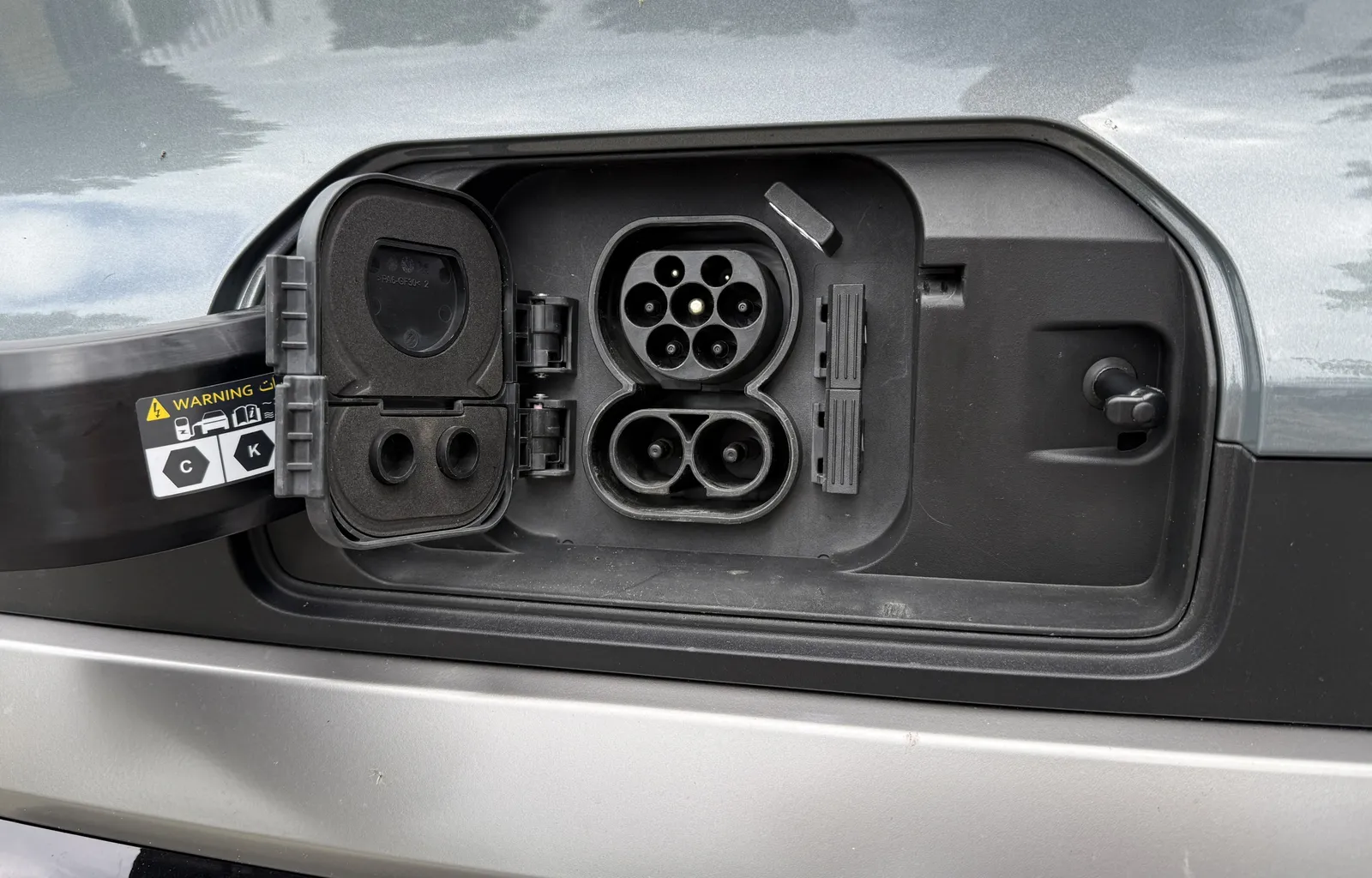
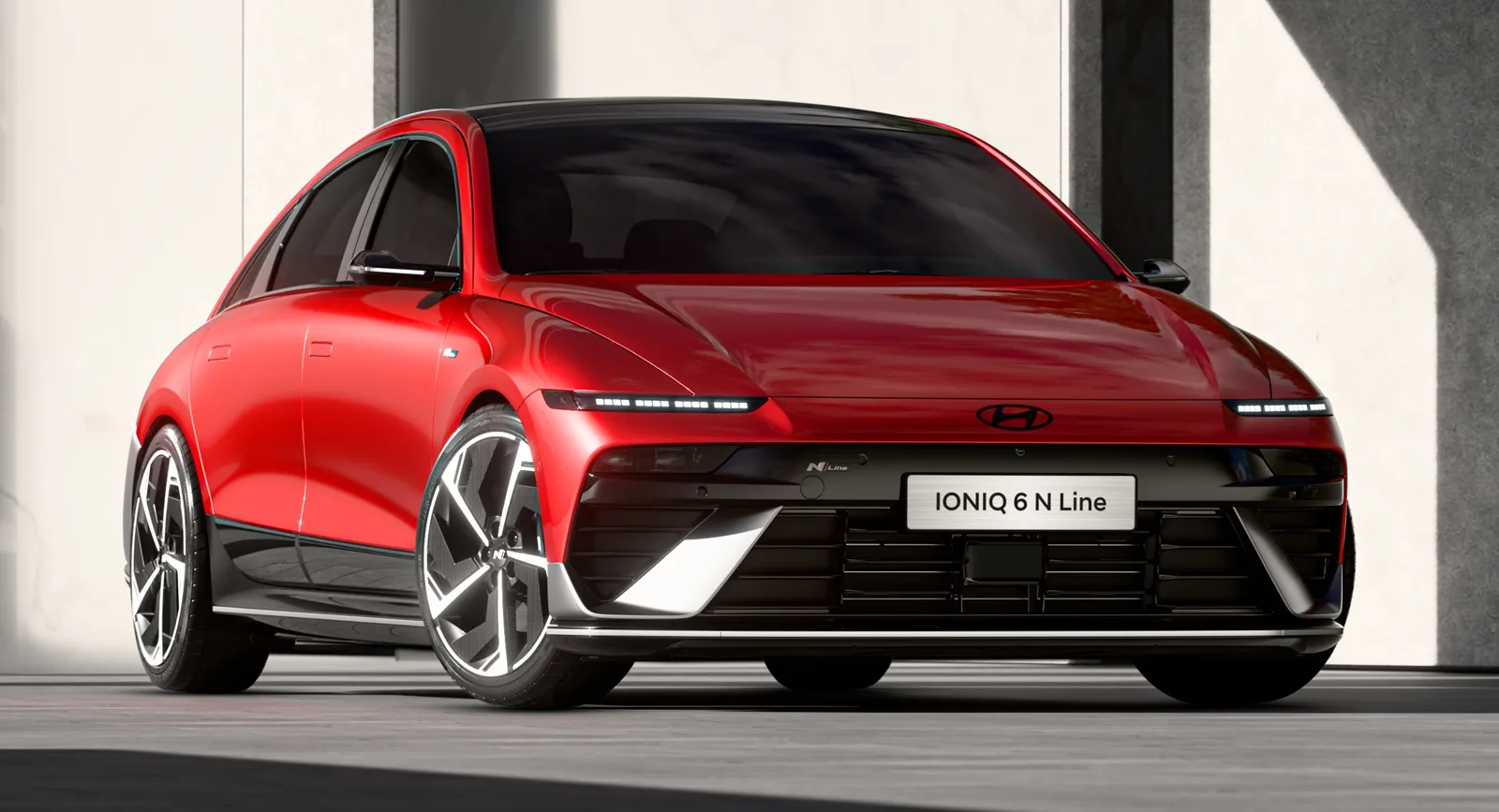
The German ADAC measured the losses that occur when charging electric vehicles from various sources: a household outlet, an AC wall charger, and a DC charger. During fast DC charging, the Hyundai Ioniq 6 performed best, with the difference between the energy supplied by the charger and that that reached the battery being only 1 percent, provided the cells were preconditioned. In the Tesla Model Y, this figure was 3 or 4 percent respectively (23 degrees Celsius, 0 degrees Celsius).
AC Charging Losses: Is It Worth Investing in a Wall Charger?
When charging from a standard [adapted] wall outlet, the Mercedes CLA 350 EQ Tech performed worst, wasting as much as 24.2 percent of energy. The other vehicles achieved typical and expected rates in the low teens percent when using such outlets. Here are the results sorted from best to worst [only five models were tested], though keep in mind that the VW ID.7 results can likely be applied to vehicles on the MEB platform (VW ID.3, ID.4, Ford Explorer, Ford Capri, Skoda Enyaq, Skoda Elroq, etc.):
Tesla Model Y – 12.7 percent loss when charging from a 230 V outlet,
Renault 5 E-Tech – 13.7 percent,
Volvo EX30 – 14.2 percent,
VW ID.7 – 15.3 percent,
Mercedes CLA 350 EQ – 24.2 percent.
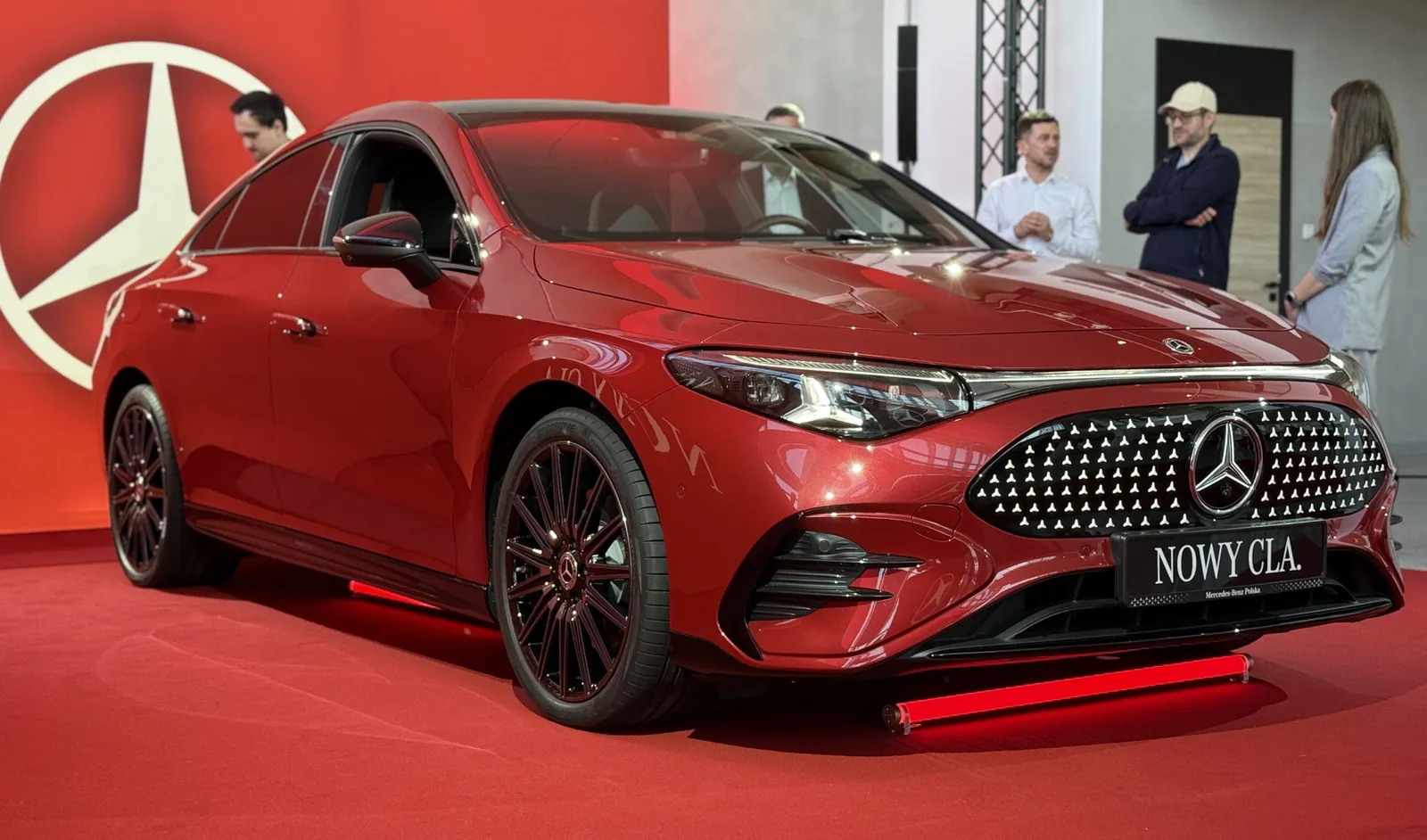
With a three-phase wall charger capable of 11 kW, which is typical for installations in Poland as well, the situation was much better, and practically all vehicles achieved similar results (source):
Renault 5 E-Tech – 5.1 percent charging loss,
Tesla Model Y – 6.1 percent,
Mercedes CLA EQ – 6.9 percent,
VW ID.7 82 (77) kWh – 6.9 percent,
Volvo EX30 – 7 percent.
ADAC therefore recommends investing in a wall charger, as it not only saves money but also improves safety. Charging time will also be shorter. Mercedes’ poor results were attributed to taking shortcuts, although it would be fairer to say it was likely due to cost-saving measures. Mercedes was the only vehicle that delivered only 8 amps at the outlet, while all other cars had 10 amps.
DC Charging Losses
When charging with direct current after pre-conditioning the battery at 23 degrees Celsius, losses became negligible, but one model stood out significantly. The difference in losses between AC and DC did not offset the cost differences, as AC charging was always cheaper:
Hyundai Ioniq 6 – 1 percent,
Tesla Model Y – 3 percent,
VW ID.3 – 3 percent,
Renault Megane E-Tech – 4 percent.
When a similar test was conducted at 0 degrees Celsius, under winter conditions but still with battery pre-heating before charging, the results only improved slightly:
Hyundai Ioniq 6 – 1 (!) percent,
Tesla Model Y – 4 percent,
VW ID.3 – 5 percent,
Renault Megane E-Tech – 6 percent.
And when the battery wasn’t heated in winter, forcing the car to warm up its cells as soon as it was connected to a charger, energy demand increased, especially during the initial phase. It is in such situations that drivers may observe charging capacities much higher than those stated by the manufacturer (+4… 6… 8 kW if cabin heating is active):
Hyundai Ioniq 6 – 6 percent,
VW ID.3 – 7 percent,
Renault Megane E-Tech – 8 percent,
Tesla Model Y – 10 percent.
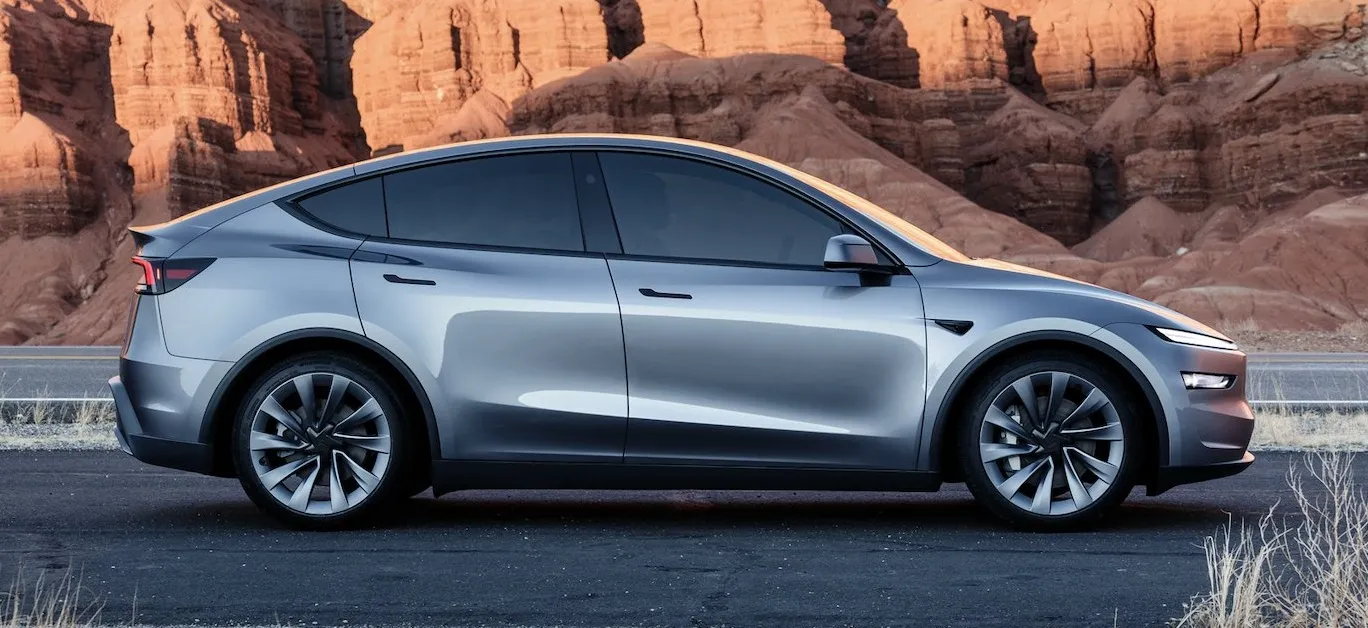
Tesla Model Y, illustrative image. According to a reference on the ADAC website, the Tesla Model Y Rear-Wheel Drive [formerly: Standard] was used in the tests, but the image in the testing chamber shows a Tesla Model Y Premium instead.
Article rating
Reader Ratings
[Total: 5 votes Average: 4.4]
Don’t miss new content — CLICK and FOLLOW Elektrowoz.pl on Google News. You might also be interested in the following ads: