
Strange: Why do cats prevent Tesla’s robotaxi cars from driving all night?
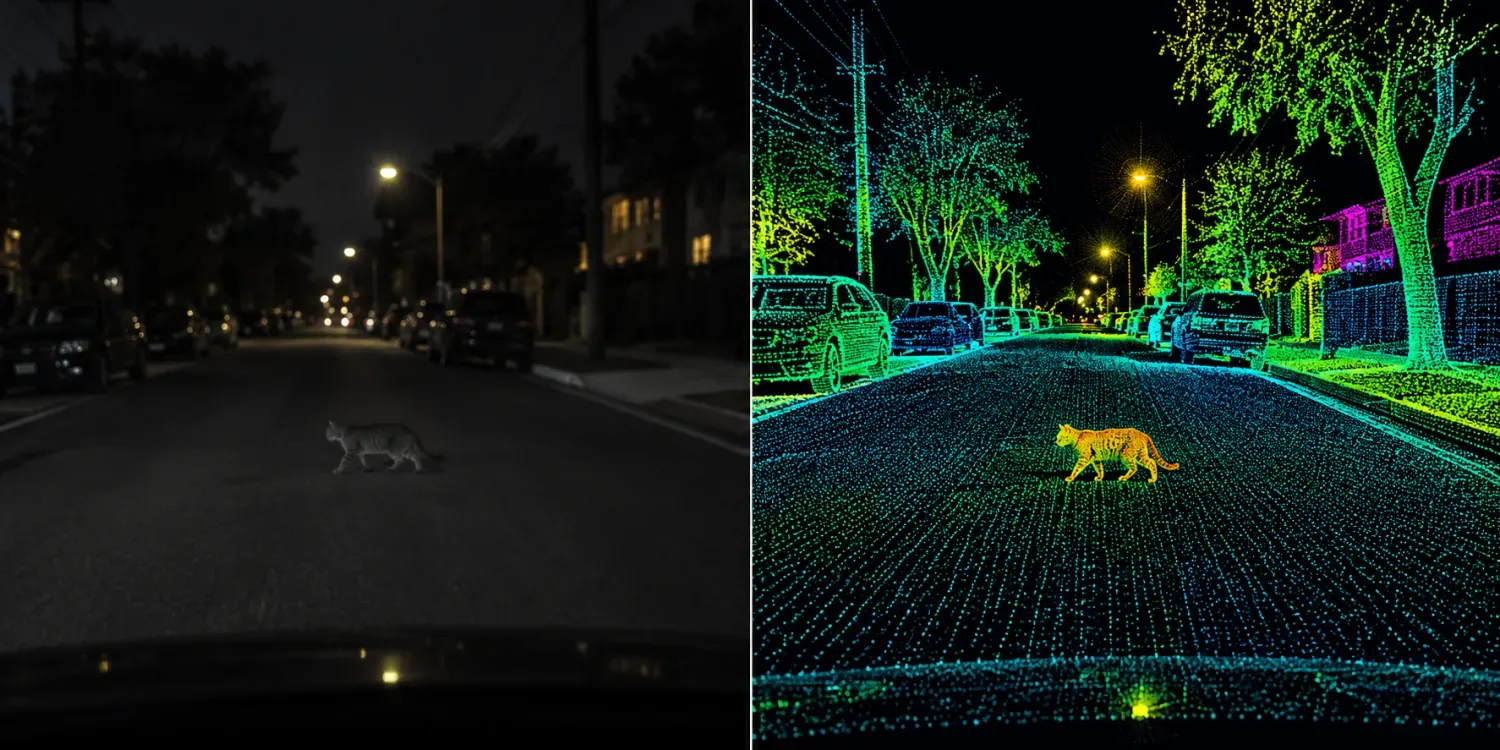
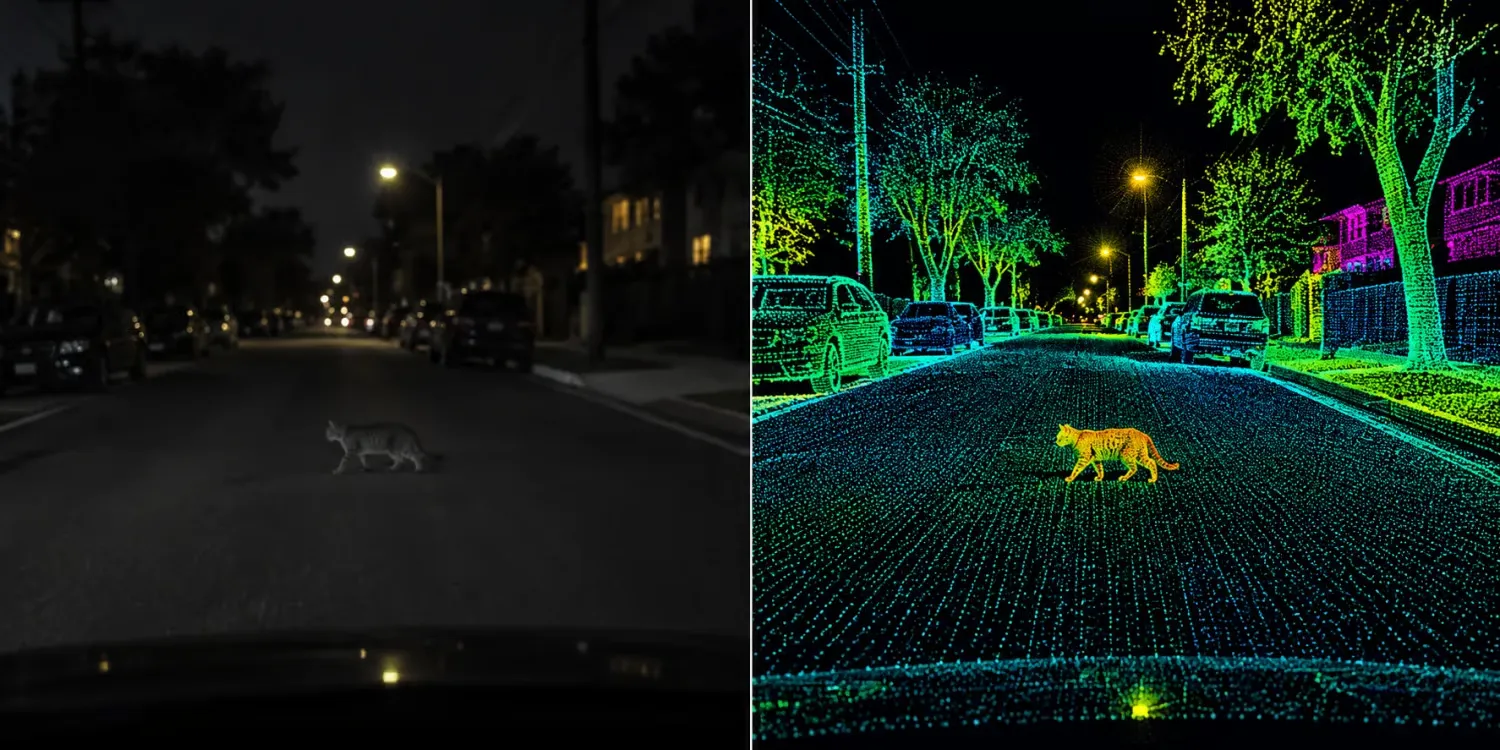
Although Tesla’s robotaxis were officially deployed a few weeks ago, they are still not ready to operate around the clock. Elon Musk has just admitted that night driving still presents some challenges for the company’s autonomous driving system. And the reason is particularly surprising!
Tesla is still rolling out its robotaxi service very gradually in the United States. Launched in Austin with a limited number of vehicles and a restricted area, the service is being expanded step by step as the company tests new driving scenarios. The latest update allows these vehicles to transport passengers until 11 p.m., up from 10 p.m. previously.
This might seem trivial, but it isn’t. In fact, the Tesla Cybercab struggles to adapt when light levels drop. Night driving is one of the most challenging environments for the American brand’s autonomous system, especially when it needs to detect small obstacles with little contrast on the road...
Also read
Study – When electric cars share our data with tech giants
Cats that are hard to spot
Elon Musk himself explained what is currently worrying Tesla’s teams. The company is working to ensure its robotaxis can detect animals when visibility conditions become poor. Tesla’s CEO used a particularly illustrative example: a “gray kitten on gray asphalt in the darkness.”
A minor obstacle that provides very little contrast with its surroundings and poses serious challenges to Cybercab. Yet Tesla continues to defend its vision-and-artificial-intelligence approach. The company believes a vehicle can achieve fully autonomous driving using information from its cameras, without relying on LiDAR sensors.
Tesla’s Stubborn Resistance to LiDAR
Tesla’s CEO’s statement inevitably reignites the debate over Tesla’s technical strategy. A LiDAR directly measures distance to objects using laser pulses and does not rely on ambient light in the same way a camera does. Companies like Waymo have chosen to combine multiple technologies rather than relying solely on vision systems. Yet Elon Musk has criticized LiDAR for years, and Tesla has gradually removed certain sensors from its vehicles. This development is quite symbolic: night driving tests one of the automaker’s most persistent technical choices.
This does not mean that LiDAR would prevent all accidents with animals. The issue also relates to their unpredictable behavior. However, Tesla still needs to prove that its approach can achieve a sufficient level of reliability in such difficult situations. The stakes extend beyond the Cybercab. Tesla Model Y vehicles deployed for the company’s autonomous taxi service also use vision technologies to operate their driving aids.
In Europe, Tesla is precisely seeking approval to deploy its supervised FSD more widely. But it is far from certain to succeed!