
INIT is joining Applied Autonomy
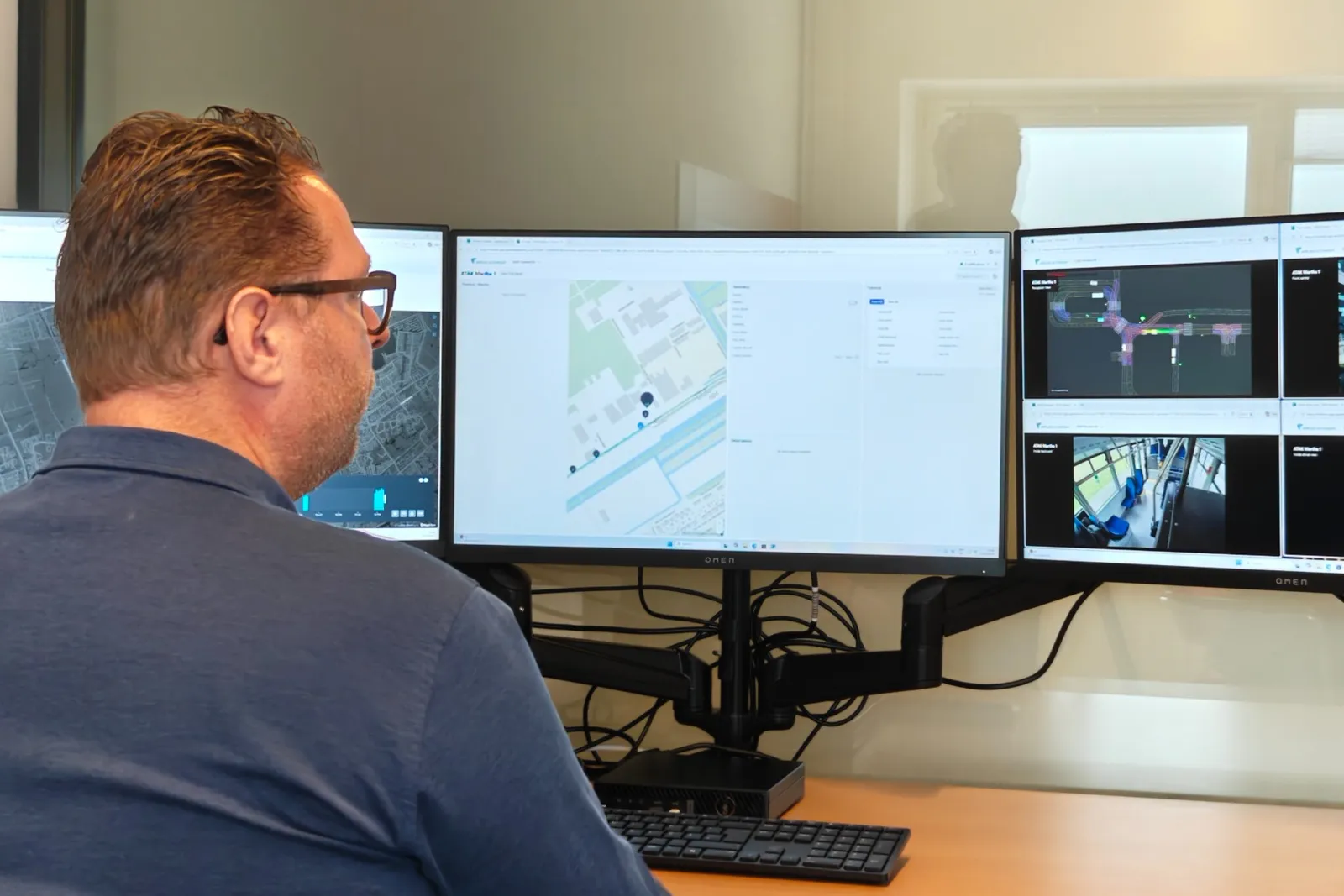
Karlsruhe-based public transport specialist INIT takes a majority stake in Norwegian technology company Applied Autonomy. Its xFlow platform does not develop autonomous driving itself but rather manages the monitoring, remote support, and control of autonomous vehicles. The software is already in use in Stavanger.
Autonomous Driving Control Center
Image: Applied Autonomy
INIT, a globally active provider of IT solutions for public transportation, is entering the market for managing autonomous vehicle fleets. To this end, the company acquired 67.74 percent of the shares in Norwegian technology provider Applied Autonomy as of October 1, 2026. Founded in 2017 and based in Kongsberg, the company develops software for operating, monitoring, and managing autonomous vehicles in public transportation, airports, and logistics. Applied Autonomy will become part of INIT’s Integrated Systems business unit.
The focus is on Applied Autonomy’s xFlow platform. It enables the integration of autonomous vehicles from various manufacturers into business processes, allows real-time monitoring of their operation, and provides remote support when needed. The software also supplies operational data for other systems and is intended to enable the control of mixed fleets of autonomous and conventional vehicles in the future, alongside INIT’s MOBILE-ITCS control system.
Fleet Management Over Autonomous Driving Technology
The technological distinction is crucial here: Applied Autonomy does not develop autonomous driving technologies like Mobileye or Wayve. Instead, it has created software for the underlying operational level — focusing on how autonomous vehicles can be integrated, monitored, and coordinated into a transportation company’s daily operations. In other words, it is fleet management tailored to the specifics of autonomous vehicles and fleets.
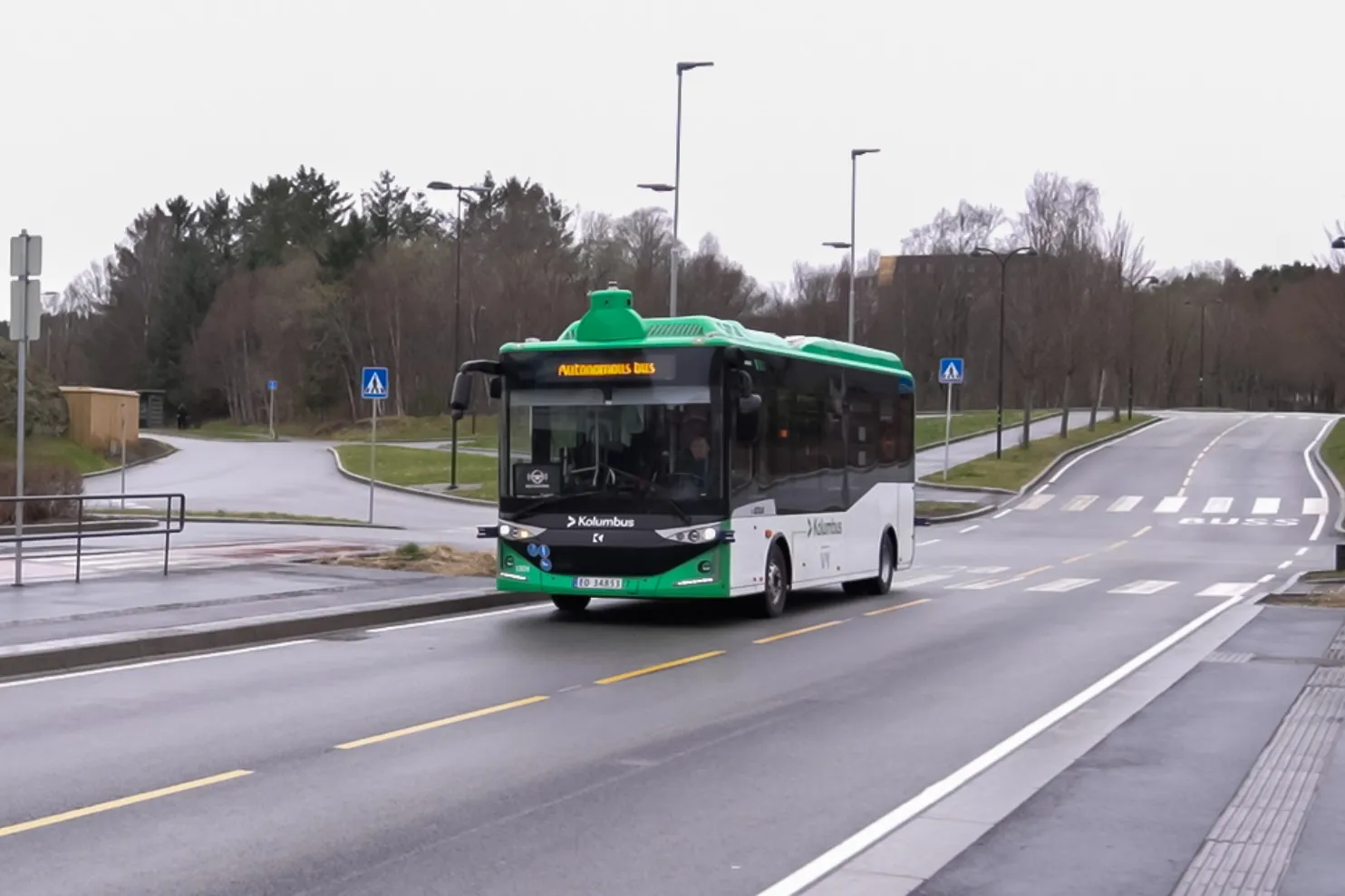
A project in Stavanger, Norway, demonstrates how this division of labor works. There, an autonomous electric bus named e-ATAK from Turkish bus manufacturer Karsan has been tested since 2022, and as of May 2026, it is even operating in public transit without a safety driver. The autonomous driving technology comes from company Adastec, which uses its automation platform flowride.ai for this purpose. Applied Autonomy complements this technology with xFlow to monitor the vehicle from a control center and support operations remotely. xFlow is also used — again in collaboration with Karsan and Adastec — in an autonomy project at Rotterdam Airport.
INIT aims to improve its market opportunities in autonomous vehicles for public transit
"The development of automated, autonomous vehicles has advanced significantly over the past few years. If it is successful to establish autonomous vehicles as part of public transportation, this will also be a crucial element for the future viability of Germany and Europe — both in terms of technological leadership as well as climate protection goals and the desire for better, more sustainable mobility options. With the acquisition of Applied Autonomy, we are now in an even better position to capitalize on new market opportunities arising from the necessary introduction of autonomous vehicles in public transit, thereby creating value for our shareholders," said the INIT board of directors in a press release.
INIT has been involved in researching autonomous driving solutions for years. Currently, INIT is leading the BRAVE10k project, which aims to create the conditions for integrating more than 10,000 autonomous vehicles into Germany’s public transportation by 2030. The focus is on standardized interfaces, digital processes, as well as issues related to procurement, certification, and economic scaling — not on developing its own autonomous driving technology. INIT is also participating in the MILA.mobility research project, which began in September 2026. Under the coordination of the Leipzig Transport Company (LVB), around 30 partners are working on an open, manufacturer-neutral platform designed to connect autonomous vehicles with control centers, dispatch systems, and booking systems.