
Car incentives: Italy 0, Croatia 9,000 euros
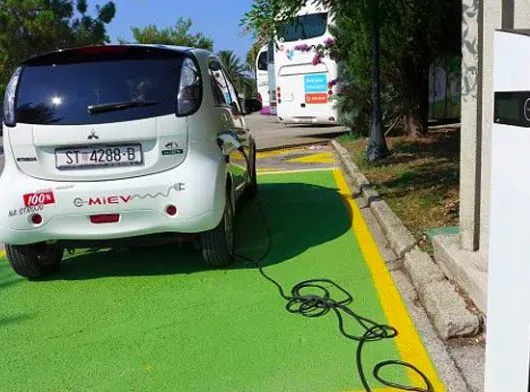
The incentives for electric cars in Italy are zero, while in Germany they helped increase the electric fleet by 100,000 units within a few months. Now Croatia is following suit, launching a program that offers up to 9,000 euros for purchasing a battery-powered car starting this month. In our country, after the surge in demand for the ecobonus—where funds were exhausted in minutes leaving many disappointed—the Automotive Fund was introduced, but most of the resources went to the automotive industry. Additional support is available for light commercial vehicles, including those powered by internal combustion engines, as well as charging stations, except for some e-drivers who invested before June 26. Social leasing remains an option, but it’s not available until 2027, and even here the program covers not only electric cars but also polluting vehicles. Croatia’s program is interesting: incentives are no longer managed by dealerships but by the government.
in the central structure.Croatia Invests 20 Million with Incentives Up to 9,000 Euros
Twenty million may seem small, but Croatia has only 3.82 million inhabitants, much fewer than Lombardy (over 10 million), Lazio (5.7 million), and Sicily (4.7 million). The Croatian Fund for Environmental Protection and Energy Efficiency (FZOEU) has estimated that it can cover around 3,000 financing requests for the purchase of new electric vehicles.
The Balkan country has long supported electrification, but with this latest call for applications it introduced some changes:
The amount of subsidy granted to each beneficiary is now based on the vehicle’s gross purchase price, including VAT.
For electric cars with a price of up to 35,000 euros, the maximum subsidy is 9,000 euros.
For vehicles with a price between 35,000 and 62,500 euros, the incentive is limited to 7,000 euros.
Vehicles costing more than 62,500 euros are not eligible for any government funding.
The program also covers the purchase of light electric vehicles in categories L1–L7, including mopedes, motorcycles, and three- or four-wheeled vehicles. For these vehicles, the maximum incentive is 2,500 euros, with the gross purchase price not exceeding 35,000 euros to qualify for the subsidy.
In addition, the new scheme introduces a percentage cap: the government bonus can cover at most 40% of the vehicle’s gross price, whether for electric cars or light electric vehicles.
To receive the maximum incentive of 9,000 euros, the gross price of the electric car must therefore be at least 22,500 euros.
The subsidy will no longer be handled by dealers
The application process has also changed. Applications will no longer be processed through dealers but directly via the eFZOEU digital platform. Applicants must be verified using the NIAS electronic identification system. Additionally, the application must include a binding quote from the dealer, specifying the manufacturer, model, engine type, and vehicle class. A residence certificate not older than 30 days and a signed declaration are also required.
Applications will be processed in chronological order. Since funds were exhausted quickly in previous programs, the Fund recommends preparing for digital access in advance.
TEST Aion V. Over 500 km for less than 34,000 €
Only one funding application per person is allowed. In addition to cash purchases, vehicles acquired through financial leasing are also eligible, while long-term rentals are excluded. The vehicle must not have been paid for before the official start of the incentive program; however, it is permissible to have made an advance payment, provided it was made in 2026.
In Croatia, 63 million invested for 11,000 vehicles, integration with panels
In recent years, Croatia has allocated around 63 million for the purchase of over 11,000 low-emission vehicles. Last year, businesses also received 21 million for approximately 2,500 commercial vehicles as part of the National Recovery and Resilience Plan.
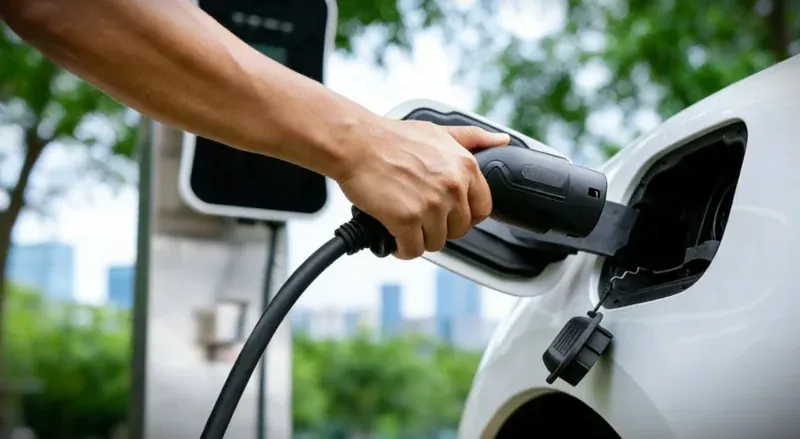
The Croatian fund’s website encourages investment in home solar panels as well. It reads: “With this new call for proposals, a multi-year program launched in collaboration with the Ministry of Environmental Protection and Green Transition continues, aiming to accelerate the electrification of the vehicle fleet and reduce emissions in the transport sector, especially when combined with the use of energy from renewable sources. In addition to contributing to national goals, electric mobility can offer significant savings for citizens who charge their vehicles using home solar installations, which are also co-financed by the Fund.”
READ ALSO: Incentives for charging stations, watch the video – Guide to the subsidy
Previous Article
ePropulsion launches eCore, how to manage all the energy of a boat
Next Article
Record sales in Germany, driven by Tesla