
Ten years ago, Tesla offered charging. Today, Stellantis offers diesel to sell its inventory.
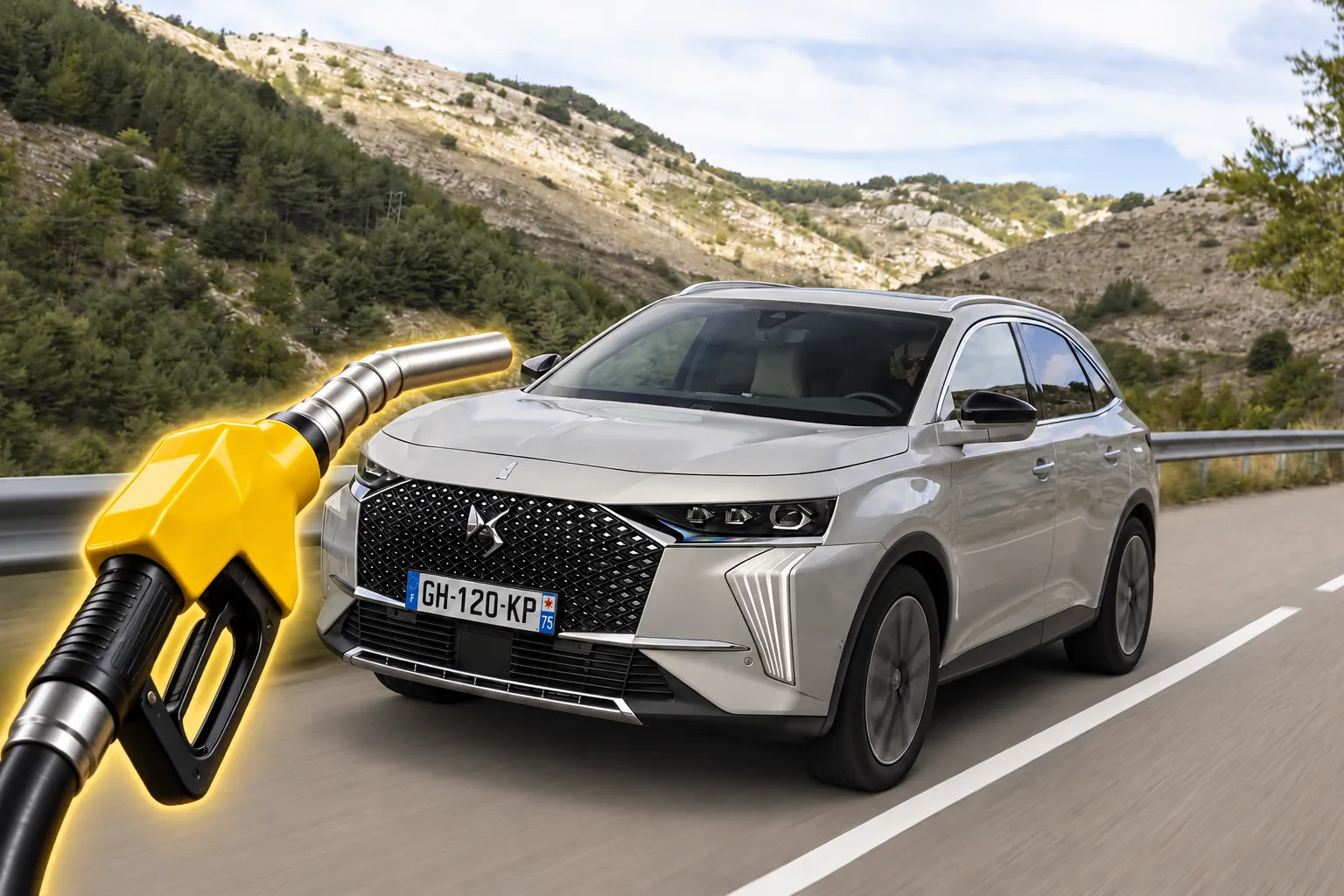
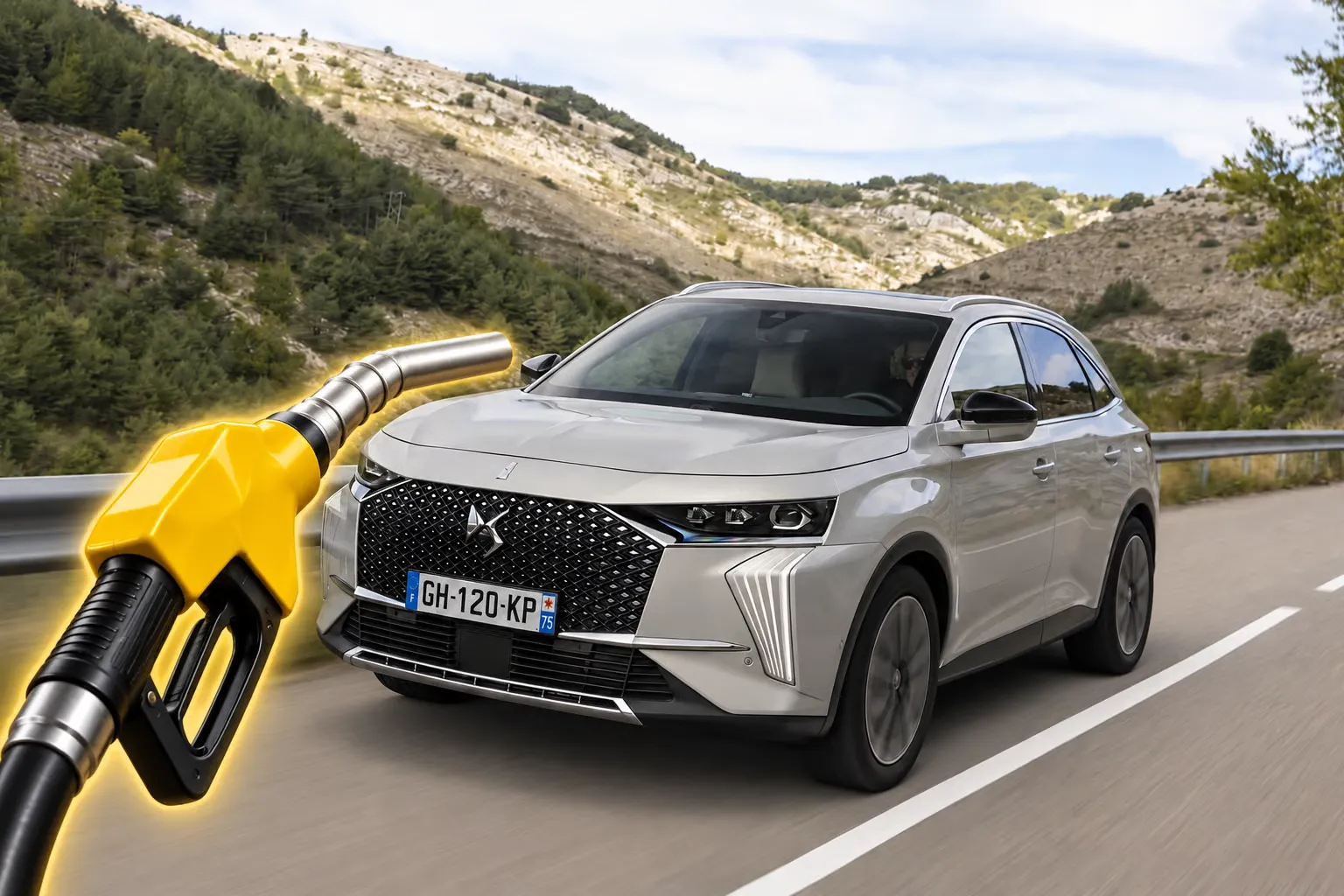
Stellantis seems willing to do anything to sell its remaining DS 7 diesel models. The Franco-Italian-American group is offering “three years of free fuel.” This recalls the strategy Tesla once used to accelerate the adoption of electric vehicles... Proof that the market has completely changed in just a few years.
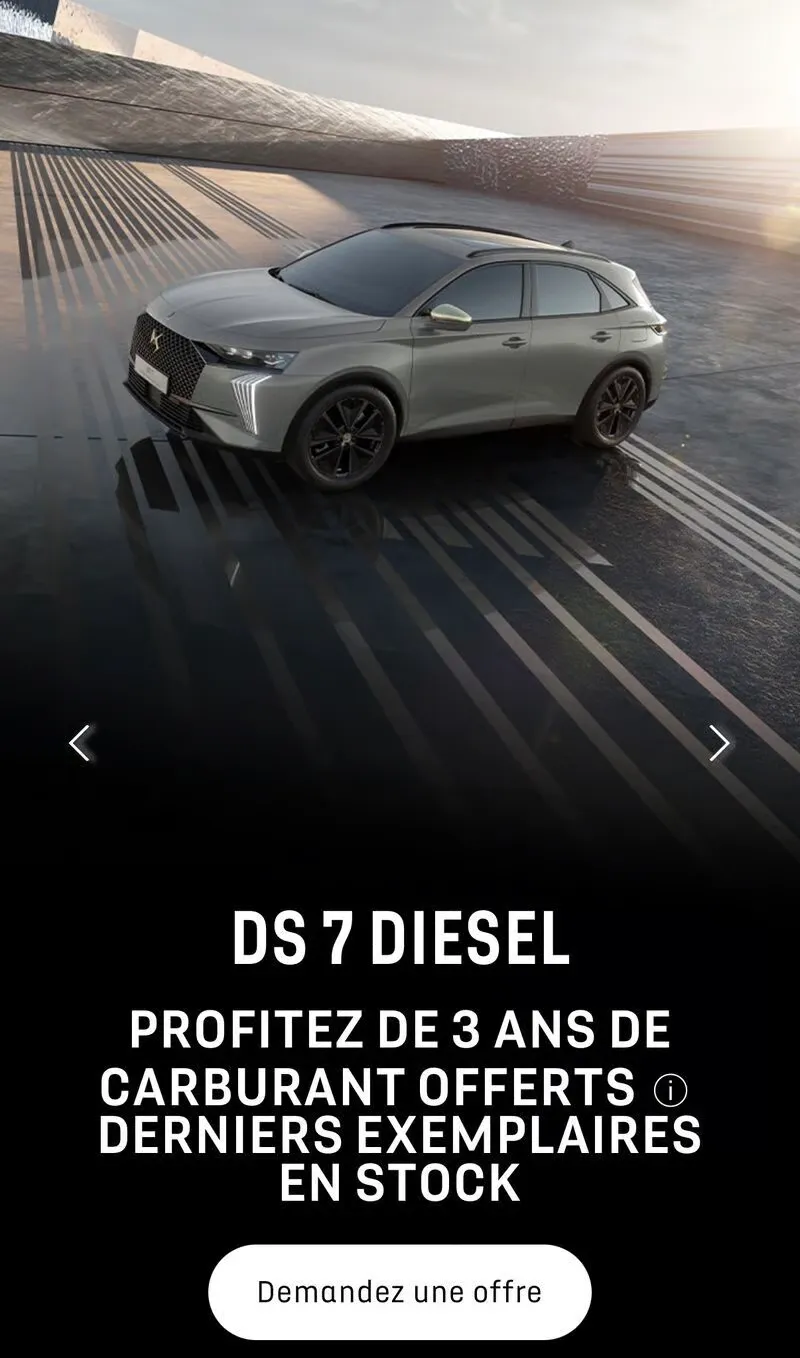
DS Automobiles, a brand of the Stellantis group, recently offered “three years of free fuel” with the purchase of a new DS 7 BlueHDi 130. This offer, theoretically valid until August 31, 2026, still appears on certain pages of the manufacturer dedicated to available vehicles. Contrary to what its title suggests, DS does not provide a fuel card or purchase vouchers; instead, it applies a commercial discount of 6,000 euros to the vehicle’s price.
Also read
Electric cars: Renault partners with EDF to reduce French people’s electricity bills through V2G
It is therefore mainly a stock clearance operation wrapped up in a particularly compelling argument amid high pump prices.
When Tesla Provided Electricity
The comparison to Tesla is hard to overlook. When it launched its Supercharger network in 2012, the California-based company allowed owners of the Model S, and later the Model X, to charge freely and without limits. It’s dreamlike! At that time, the public charging network was still in its infancy, and the possibility of traveling across a country in an electric car remained a clear source of concern.
Tesla had therefore built its own charging stations and included their use in the car’s price. Free charging was not just a commercial perk; it directly addressed one of the main barriers to purchase. This policy gradually disappeared for new orders starting in 2017. Tesla initially offered 400 kWh free per year before implementing charging fees.
The market has since changed dramatically. Fast-charging networks have increased, home charging meets most daily needs (for those who can plug in at home), and the cost of electricity usage has now become one of the main advantages of electric cars.
Diesel Becomes a Niche Product
It is sufficient to look back about ten years to gauge the extent of the upheaval in the market. At that time, diesel was still the dominant engine type in Europe (accounting for 50% of European sales in 2015), while electric cars were considered curiosities reserved for a few pioneers. Today, the roles have reversed. Automakers are introducing more and more electric models, charging stations are spreading everywhere, and diesel models are gradually disappearing from catalogs.
What is even more striking is that some electric cars now sell better than their gasoline equivalents. In just ten years, diesel has shifted from being the obvious choice to an alternative for specific uses. In fact, manufacturers now have to offer free fuel to convince some buyers...
Stellantis insists
Stellantis has not completely given up on diesel, however. Since the end of 2025, the group has even reintroduced diesel versions of several models, including the Peugeot 308 and Rifter, Citroën Berlingo, and Opel Astra or Combo. The manufacturer explains this strategy as “the persistent demand from heavy users.”
The DS 7 BlueHDi 130 nonetheless illustrates the limitations of this strategy. To sell the last remaining units of an engine type that was once essential, a significant discount is no longer enough. It now needs to be presented as three years of free fuel. And obviously, for us at Automobile Propre, this symbol is quite telling.
The moral of this story: free energy remains a powerful marketing tool; only the type of engine that relies on it has changed.
