
The Leonardo supercomputer powered by Hera’s agrivoltaic system in Bologna
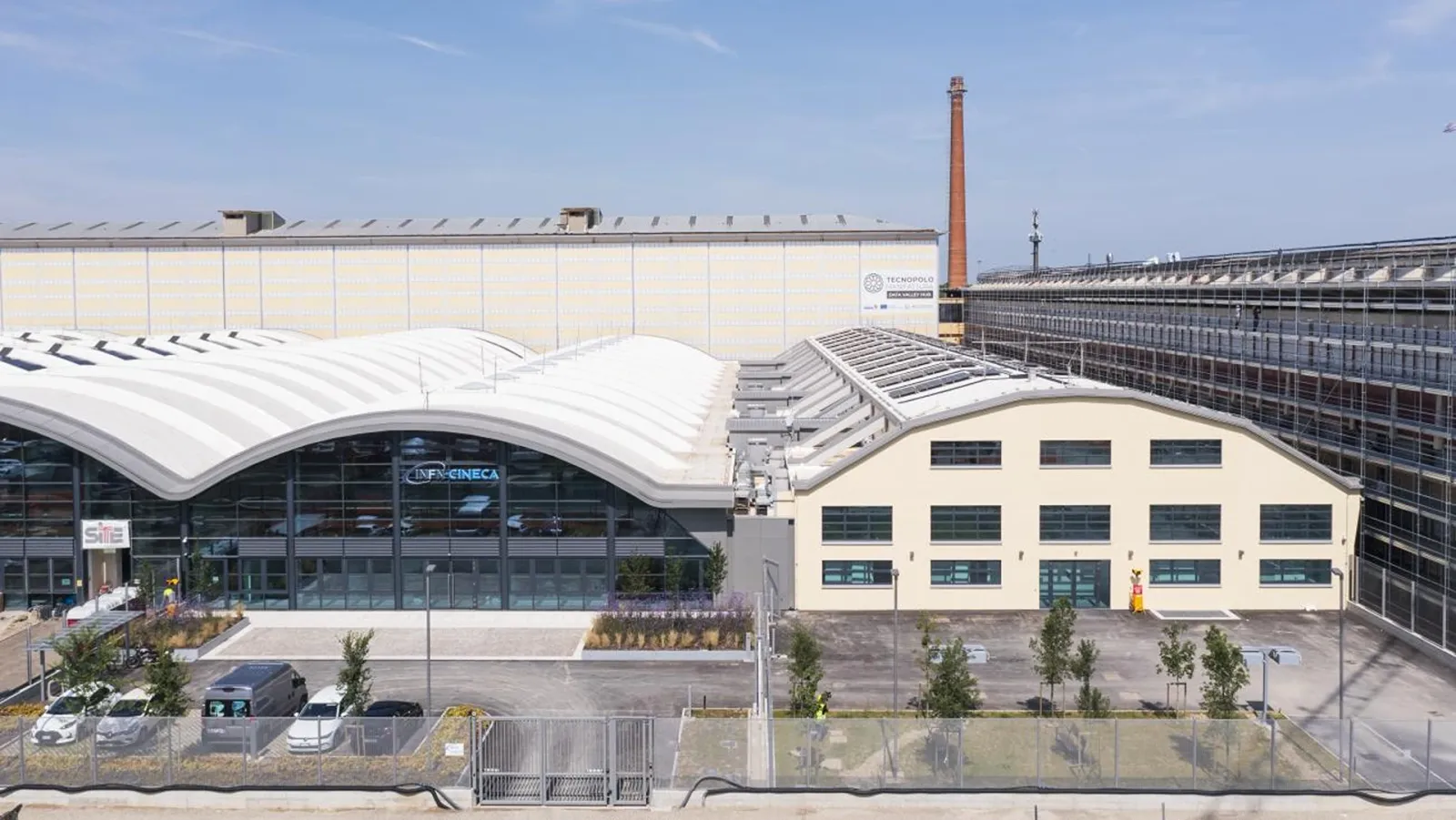
Agrivoltaics will power the Leonardo supercomputer, managed by CINECA and located at the DAMA Technopole in Bologna. The facility will be built on a 90-hectare area: nearly 70 hectares will be used for farming, with an expected annual power output of around 30 GWh. The energy project is entrusted to Hera, which won the bid worth 73.5 million euros issued by the Interuniversity Consortium. The selected site is in the northern quadrant of Bologna, about three kilometers from the supercomputer’s location.
High consumption but with renewable energy; 70 hectares out of 90 are suitable for farming
The digital operations of the supercomputer Leonardo, co-funded by Euro HPC JU and the Ministry of Universities and Research and managed by CINECA at the DAMA Technopark in Bologna, require a tremendous amount of energy. A significant portion of this energy will be generated by the agrivoltaic system Energy Park, which Hera will build in the northern part of Bologna—just three kilometers from the facility housing Leonardo. The energy demand is high: the site will produce 30GWh per year, equivalent to the consumption of 11,000 households.
The Energy Park is “one of the flagship projects through which Hera Group participates in Bologna Missione Clima, the roadmap toward climate neutrality that the city of Bologna is committed to achieving by 2030.” The area involved covers a total surface of about 90 hectares, of which nearly 70 will be suitable for cultivation. On roughly thirty of these arable hectares, an advanced agrovoltaic system will be established to produce renewable electricity. “The height of the solar panels above ground and their positioning will allow for energy production while maintaining normal agricultural activities.” The use of renewables helps reduce emissions by approximately 7,000 tons of CO2.
Agrivoltaic Valley? Growth in Modena, but local policies hinder progress
To the south, on the remaining hectares, an area designated for biodiversity conservation will be established—the Urban Forest, a park largely accessible to citizens, integrated with zones dedicated to plant and animal biodiversity. Approximately 4,000 trees and shrubs will be planted there.
A contract worth 73.5 million, water and heat reuse
The value of the concession, signed after the bid won at the beginning of last summer, is 73.5 million. Helisa (Hera Energy for Leonardo Improved Supercomputing Architecture), a company fully controlled by Hera, was established to manage it. The Energy Park will be built in the northern part of the city, in the Navile district. It is geographically connected to Parco Nord and just a few minutes away from the DAMA Technopole. Construction will begin in 2027-2028, with completion expected by 2029.
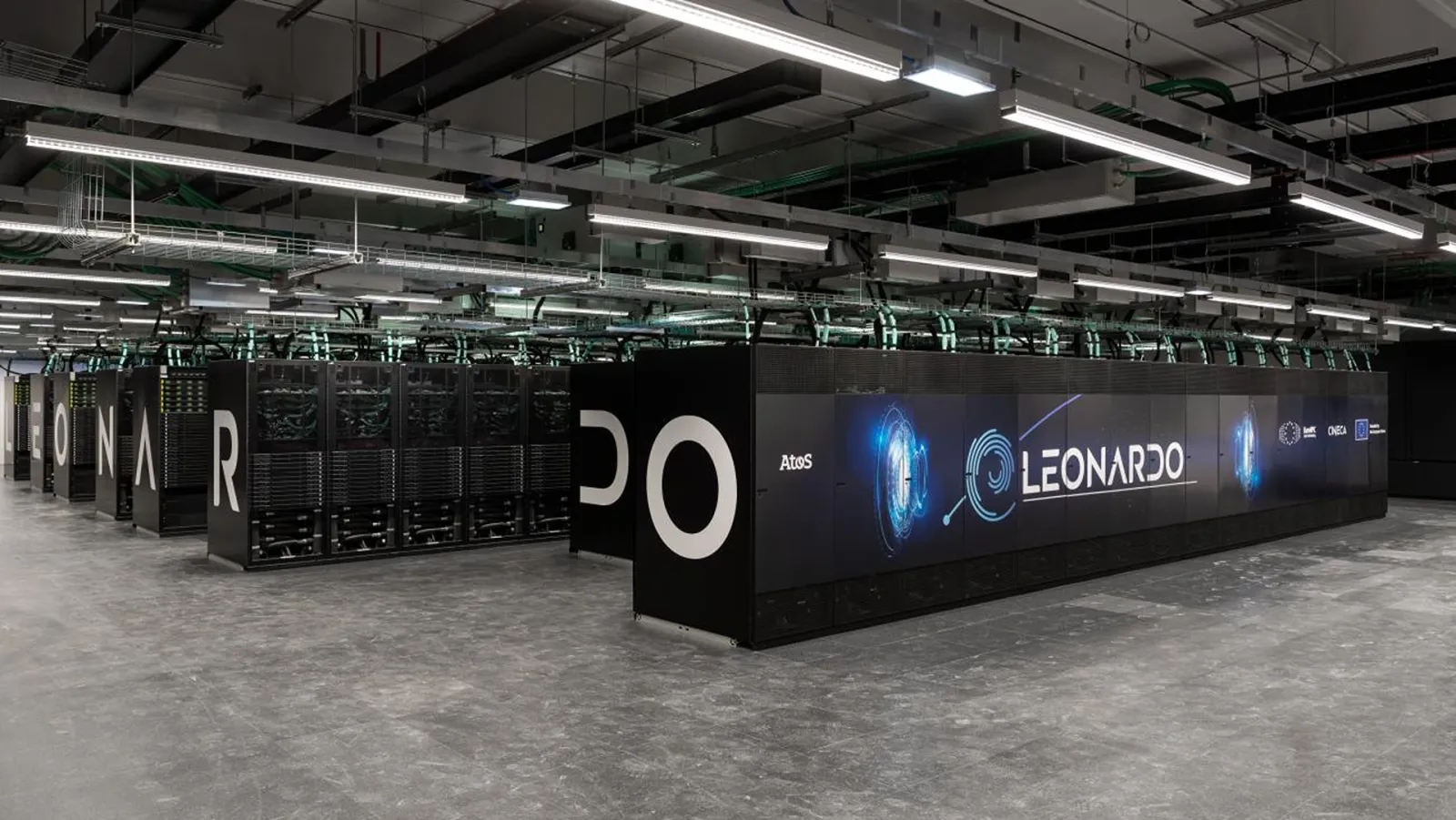
On the project, Francesco Ubertini, President of Cineca, said: “Our supercomputing infrastructure, thanks to the support of Minister Anna Maria Bernini and funding from the Ministry of Universities and Research, has achieved another milestone that combines computing power with environmental sustainability. In addition to a highly efficient closed-loop liquid cooling system, heat recovery measures, the data center’s Leed Platinum certification, and energy supplied exclusively from renewable sources, we now have an innovative on-site power generation facility. This is a unique achievement at both the European and international levels.”
Agrivoltaics: Fake News and Exaggerated Warnings
"Bringing renewable energy to the Leonardo supercomputer at zero distance — says Orazio Iacono, CEO of Hera Group — is a strategically valuable achievement, resulting from the Group’s innovation and new green infrastructure. Hera’s Energy Park, the flagship project of Bologna Missione Clima (the Climate City Contract for climate neutrality by 2030), is concrete proof of this. It is a project that creates value for both the company and the community, and confirms our role as facilitators of energy transition in these regions."
Another 70-hectare Hera Energy Park in Faenza
This is not Hera’s first agrivoltaic project in the Emilia-Romagna region. In Faenza, for example, it will be built on a large area west of the city covering about 70 hectares. The new facility will consist of over 22,000 bifacial panels, resulting in a total capacity of around 14 MW; it is estimated to generate approximately 21.5 GWh of electricity per year, enough to meet the needs of about 7,500 households, while reducing carbon dioxide emissions by 5,700 tons annually.
Agrivoltaics are feasible: kiwis in Faenza, lemons in Palermo
Regarding agrivoltaics in Bologna, Anna Lisa Boni, the city’s official in charge of the Climate 2030 initiative, explained two years ago that even a small portion of the metropolitan area can significantly contribute to the city’s energy autonomy. She emphasized the importance of carefully evaluating applications for agrivoltaic installations to promote true integration between agricultural and energy production.
READ ALSO: Climate change is here. Enough talking—let’s address it and WATCH the video
Previous Article
Thor, Voltrac’s robot with 4 electric motors, arrives in rural areas
Next Article
Nuclear energy without pretenses (or ideology): “It’s not essential, but it shouldn’t be ruled out”