
Hyundai Staria Electric Passenger: an MPV minibus with up to 9 seats
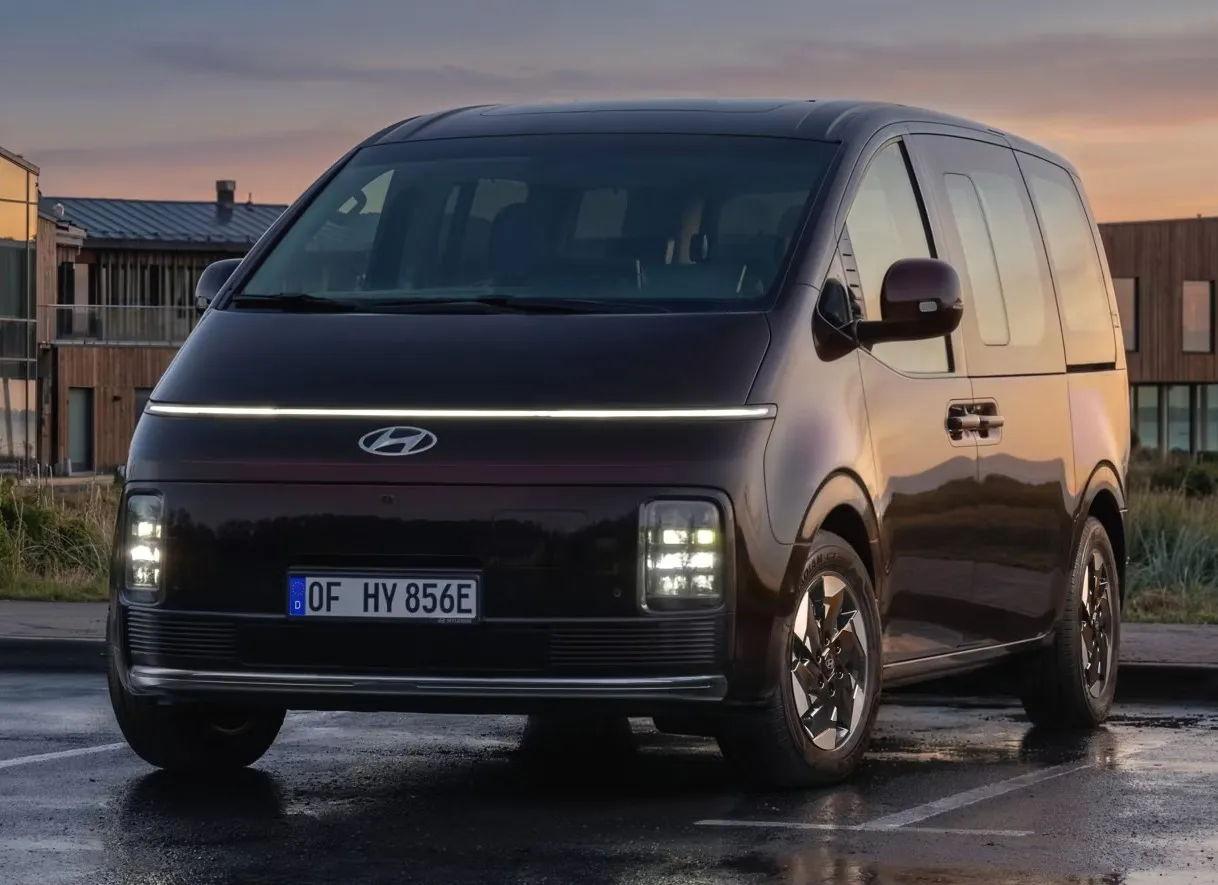
The Hyundai Staria Electric Passenger is the fully electric passenger version of the Staria, available with 7 or 9 seats. Hyundai claims a range of 450 kilometers, and with a 160 kW electric motor, it can tow up to 2000 kilograms. The base model costs 56,996 euros.
Design
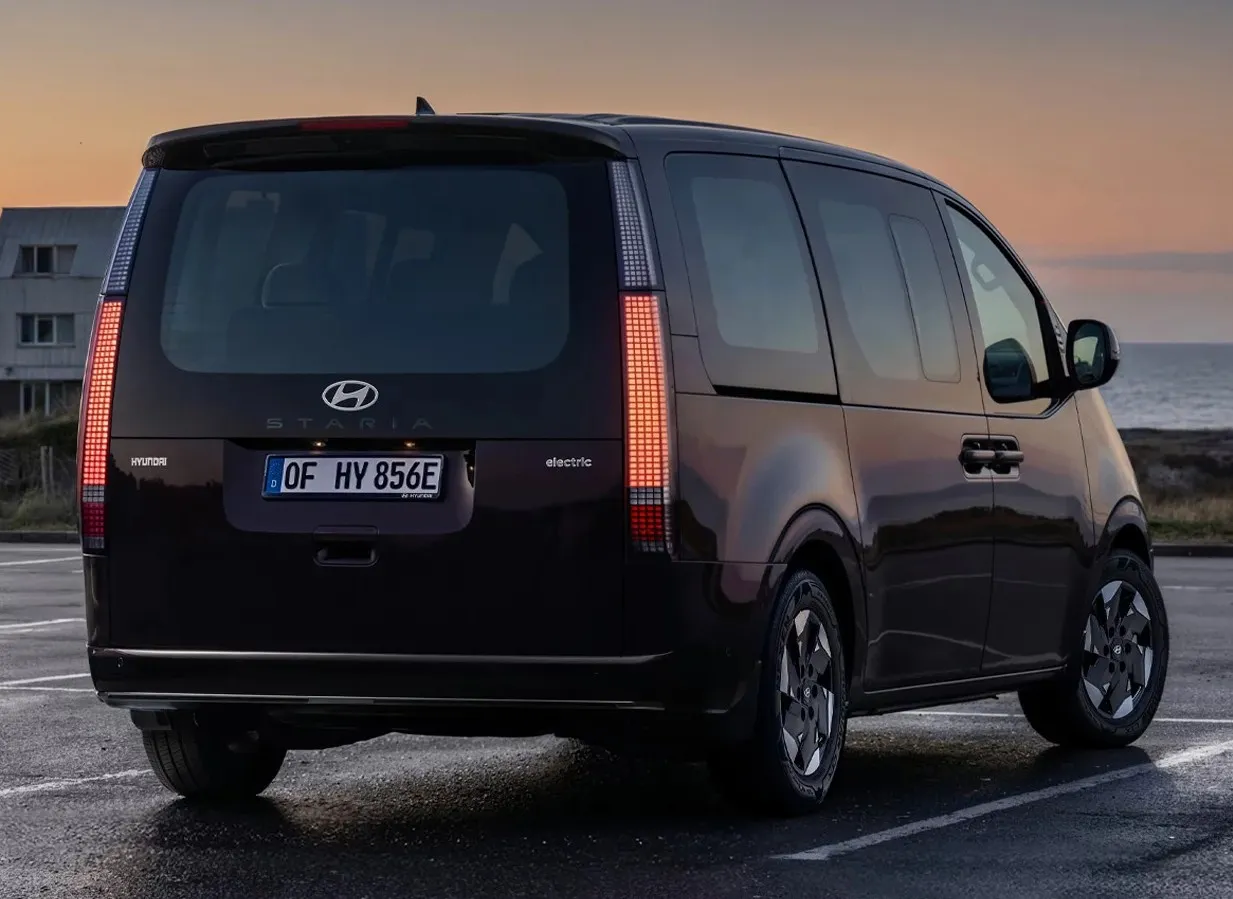
The Staria Electric Passenger was unveiled earlier this year and is already available in various markets, so its design isn’t a major surprise.
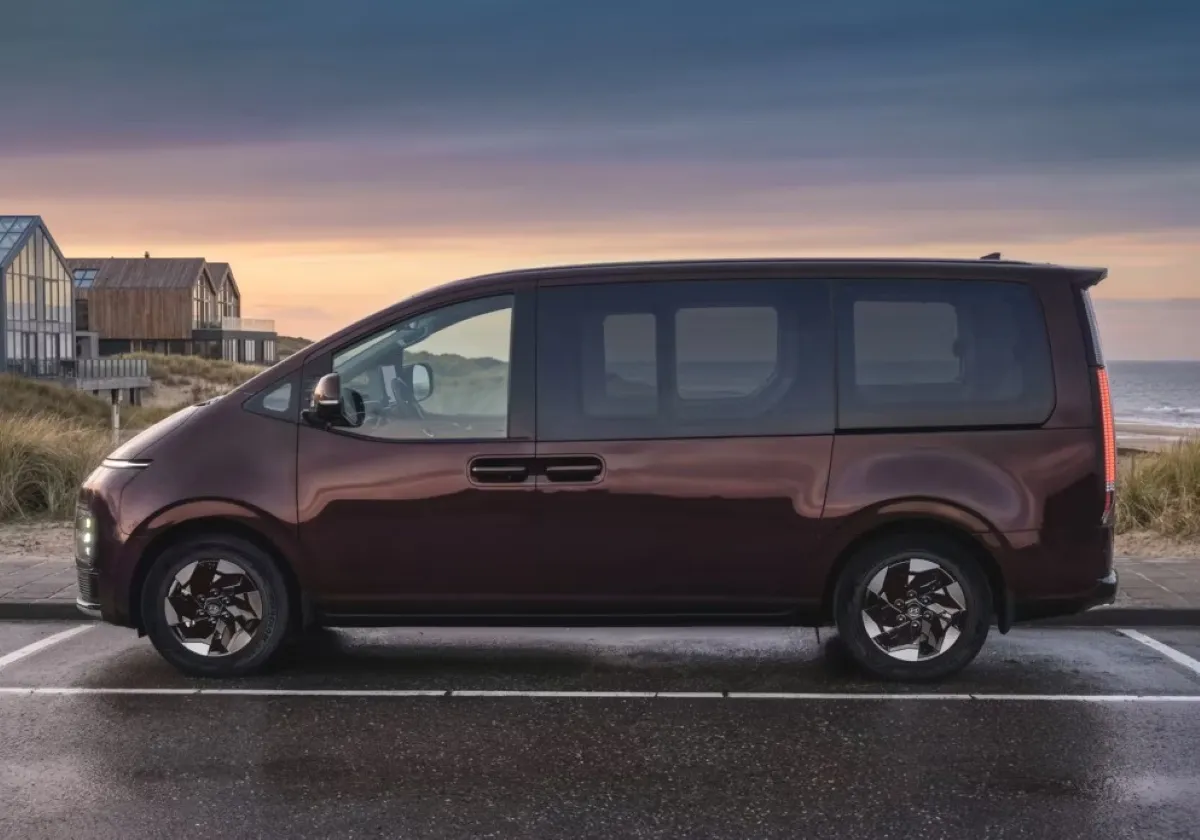
The differences from the cargo version are significant. First, of course, the window design, but the lighting, bumpers, and 17-inch alloy wheels also feature a unique design.
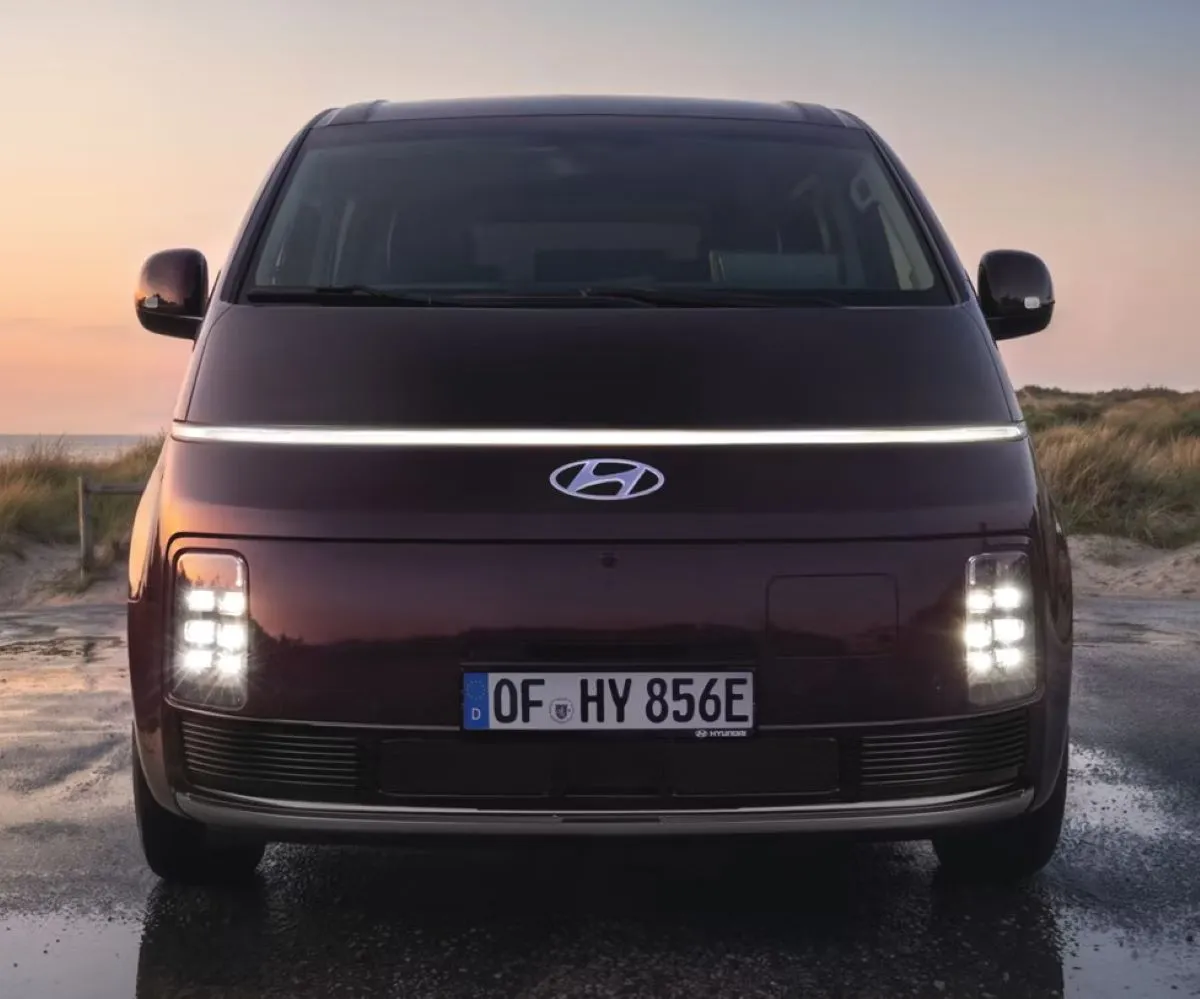
The most noticeable feature is the attractive horizontal light strip on the front for daytime running lights.
The Interior of the Hyundai Staria Electric Passenger
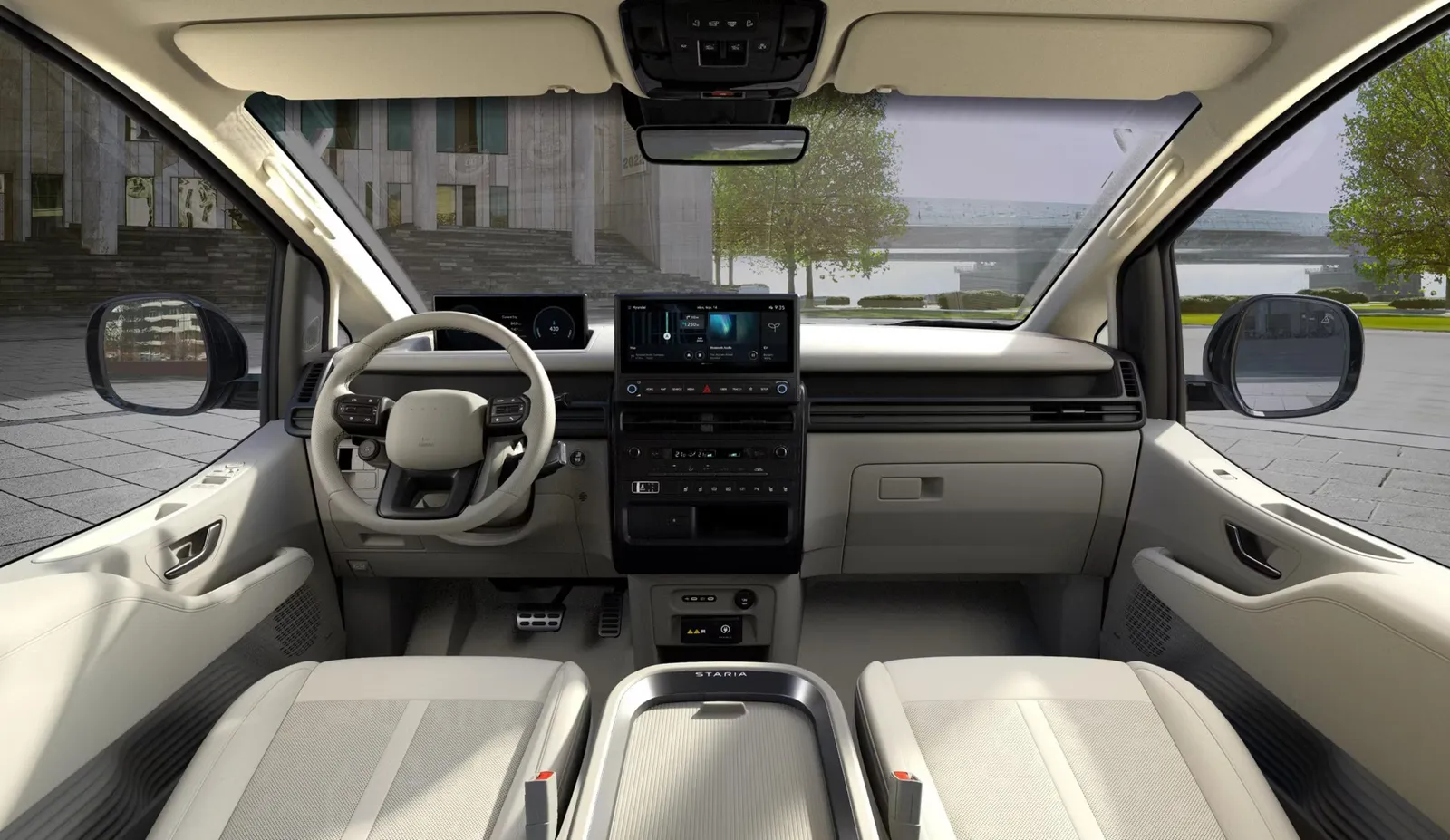
The dashboard is largely similar to the commercial vehicle version, but thanks to the smart use of light colors, it still appears slightly more luxurious. The driver has a 12.3-inch instrument panel in front of them, and the touchscreen is exactly the same size.

The infotainment system features wireless Android Auto and Apple CarPlay. Fans of buttons will be pleased, as both the steering wheel and the center console are packed with buttons and switches of various designs and sizes. Beneath the button cluster is a storage compartment, and below that are two USB-C ports and a 12V outlet.
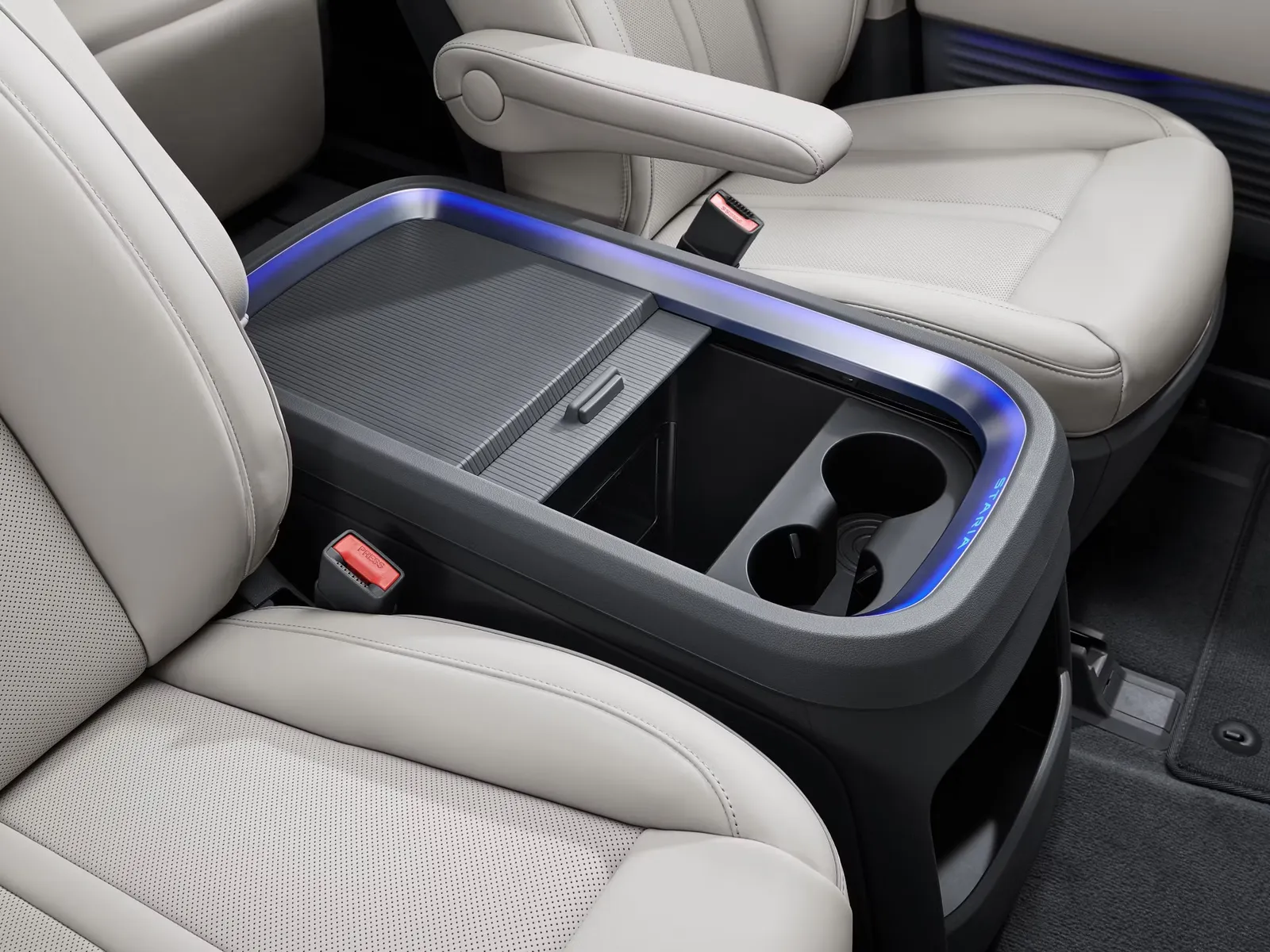
In the center console, Hyundai has provided a large storage area along with two cup holders.
Seven or nine seats
Purchasers can choose between two configurations: seven seats arranged in a 2/2/3 layout or nine seats in a 3/3/3 layout.
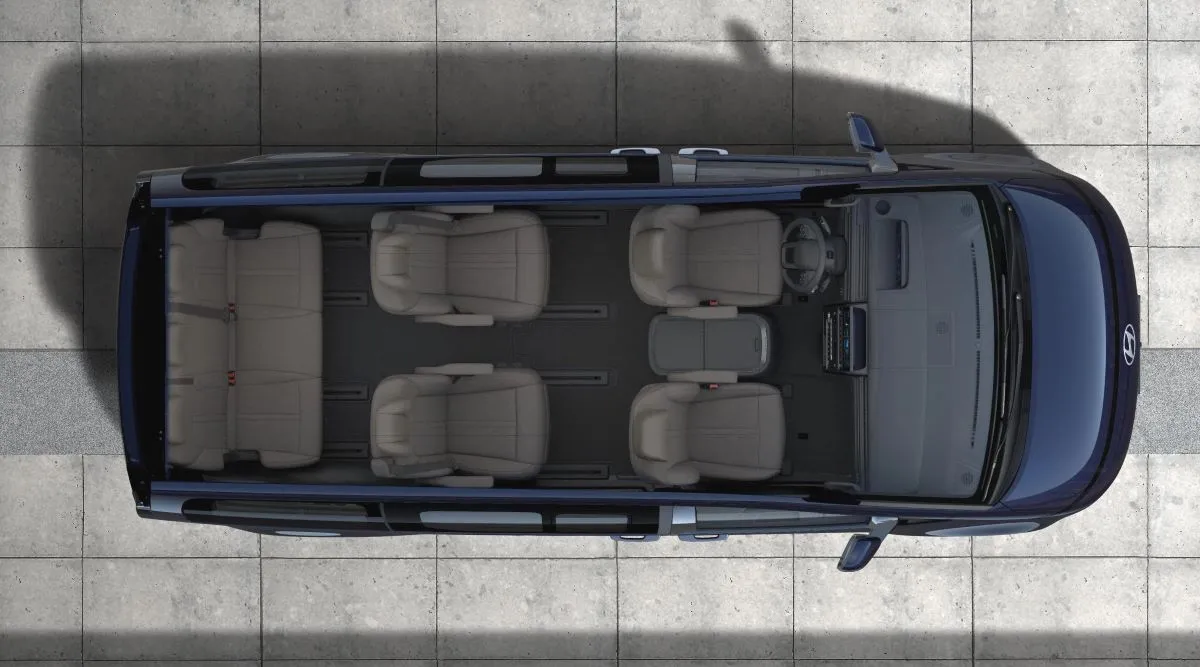
The seven-seater model features two electrically adjustable Relaxation Seats in the second row, complete with heating and ventilation, an adjustable leg rest, and a reclining position that allows the backrest to fold far backward.
The larger seats come at the cost of cargo space. With all seats in use, only 117 liters remain; this increases to 431 liters when the third row is folded down.
The nine-seater is actually an 8+1 layout, with a narrow extra seat in the first row right next to the passenger seat.
With the third row folded down, the cargo space is 1,303 liters. Hyundai has not specified how much cargo space remains when all nine seats are in use.
There is also a small 24-liter storage area in the front, located in an unfinished space.
Technical specifications of the Hyundai Staria Electric Passenger
The front-wheel-drive Hyundai Staria Electric Passenger remains based on the existing Staria platform, which was originally developed for internal combustion engines and hybrids. Hyundai has modified the platform for an electric powertrain and equipped it with an 800 V architecture. Its dimensions are 5253/1997/1990, with a wheelbase of 3273 mm.
The electric motor delivers 160 kW and 350 Nm of torque, enabling a top speed of 184 kilometers per hour and a 0 to 100 km/h acceleration time of 9.5 seconds.
The NMC battery has a gross capacity of 84 kWh. This same battery is used in the Hyundai Ioniq 5. The Korean automaker claims a range of 430 kilometers. The 10-80% charging time is approximately 20 minutes at a 350-kW charging station.
The Hyundai Staria Electric Passenger comes standard with a 3.5 kW V2L outlet to power external devices, and with a maximum towing capacity of 2000 kilograms, Hyundai can haul a sizable caravan to France.
Prices of the Hyundai Staria Electric Passenger
The Hyundai Staria Electric Passenger is now available for order at Hyundai dealers in the Netherlands. This MPV-style bus is offered in four versions: Passenger, Passenger Plus, VIP Lounge, and VIP Elite. There are five interior trim options and eight exterior colors: Abyss Black Pearl, Cast Iron Brown Pearl Metallic, Classy Blue Pearl, Creamy White Solid, Dynamic Yellow Solid, Ecotronic Gray Pearl Metallic, Galaxy Maroon Pearl, and Shimmering Silver Metallic.
The entry-level model costs 56,996 euros, while the top model retails for 75,495 euros. These are substantial prices even for such a large vehicle. But with its 800 V technology, Hyundai holds a significant advantage. All direct competitors, such as the Volkswagen ID. Buzz, Ford E-Tourneo Custom, and Mercedes-Benz EQV, rely on 400 V architectures, meaning they charge much slower than the Hyundai Staria Electric Passenger. The first units will arrive at dealerships in October, with deliveries expected to begin in the first quarter of 2027.
