
Threshold for fuel consumption relaxed: Lawsuit against U.S. Department of Transportation
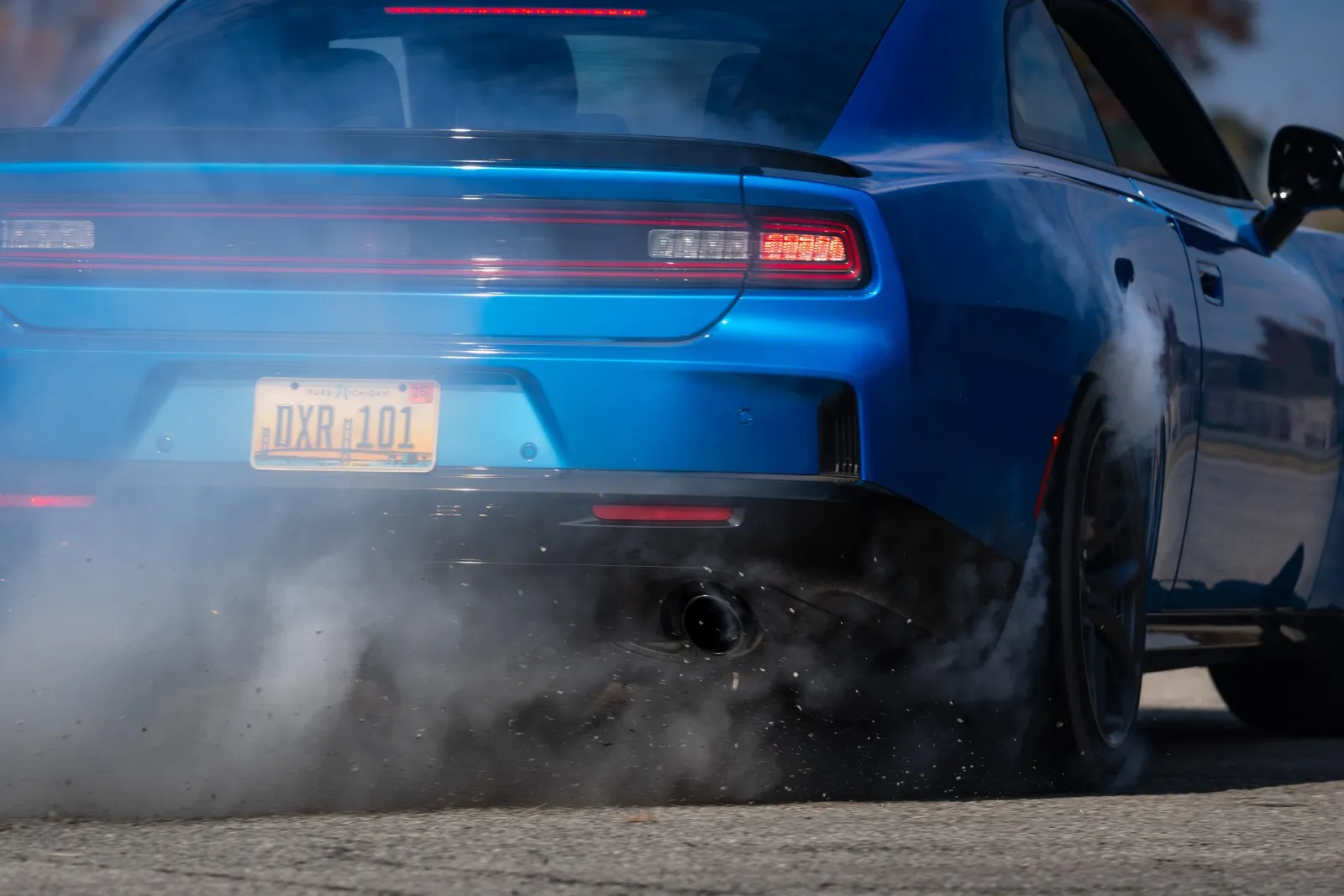
Under Trump, the U.S. transportation agency ordered a reduction in the fuel efficiency standards for newly produced internal combustion engines. This puts pressure on consumers at gas stations and harms the environment. For this reason, 26 U.S. states, counties, and major cities, led by California Attorney General Rob Bonta, have joined forces to file a lawsuit. We explain the specific impacts and basis of the lawsuit here.
Image: Stellantis
The Trump administration in the U.S. made changes to the national efficiency standards for new gasoline-powered vehicles. This affects not only the automotive and environmental sectors but also end consumers. Specifically, the National Highway Traffic Safety Administration reduced the target for average fuel consumption of new passenger cars and light commercial vehicles by 2031 from the original 50.4 miles per gallon (about 21.4 km/l or 4.67 l/100 km) to 34.9 miles per gallon (about 14.8 km/l or 6.74 l/100 km).
While the U.S. Department of Transportation under Sean Duffy argues that it aims to enable manufacturers to produce cheaper vehicles, thereby reducing the burden on end consumers, the overall impact reveals a dual burden on both consumers and the environment.
The agency estimates that the average manufacturing cost per vehicle could drop by about $1,289 (around 1,150 euros), potentially leading to lower selling prices in theory. However, at the gas pump, this effect quickly reverses. Due to the higher allowable fuel consumption under the new regulations, drivers face average fuel cost increases of over $1,600 (around 1,430 euros) throughout the vehicle’s lifetime. Overall, estimates suggest U.S. drivers miss out on nearly $220 billion (around 196 billion euros) in fuel savings as a result. This amount, after adjusting for the revised consumption limits, benefits oil companies.
The electric mobility market is also under pressure as the so-called CAFE Credit Trading program will be phased out completely starting in 2028. This eliminates an important source of revenue for pure electric vehicle manufacturers from selling efficiency certificates, which had previously played a key role in financing and developing affordable electric cars.
Environmentally, this development carries equal weight. According to official estimates from the U.S. Department of Transportation, relaxing these regulations by 2050 will lead to a 4.6 percent increase in gasoline consumption in the U.S., amounting to roughly 458 billion liters. This increased consumption results in a direct rise in greenhouse gases and air pollution, while future damages caused by climate change were not included in the government’s analyses.
In response to this move by the U.S. government, an alliance of 26 U.S. states, counties, and metropolitan areas led by California Attorney General Rob Bonta, along with several environmental organizations, filed a lawsuit in the appropriate U.S. federal appellate court. The plaintiffs accuse the transportation agency of deliberately violating its legal mandate to achieve the highest possible level of efficiency.
The U.S. Energy Law requires the agency to set efficiency standards at the “highest technically and economically feasible level.” However, to artificially lower this threshold, the agency ignored millions of existing electric vehicles in its calculations and concealed flaws in its analyses regarding vehicle safety and affordability.
The upcoming court case will now determine whether the controversial regulation remains in effect or needs to be revised for the benefit of consumer and climate protection.