
Used internal combustion engine vehicles lose value, while electric cars increase in value
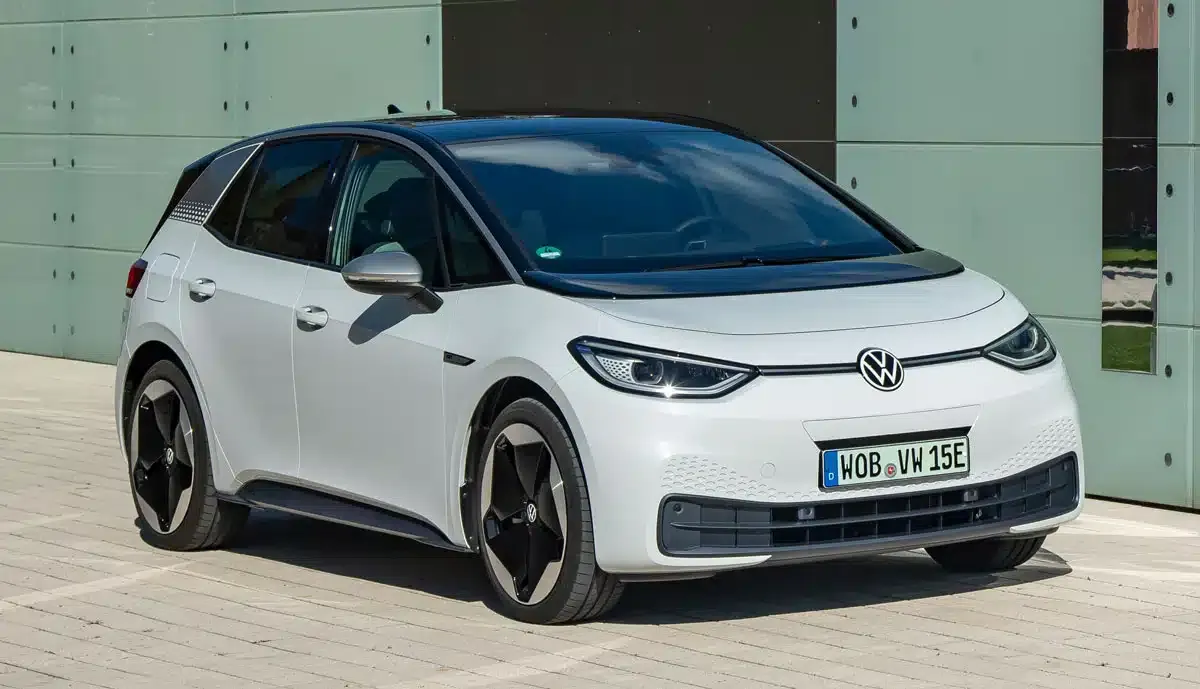
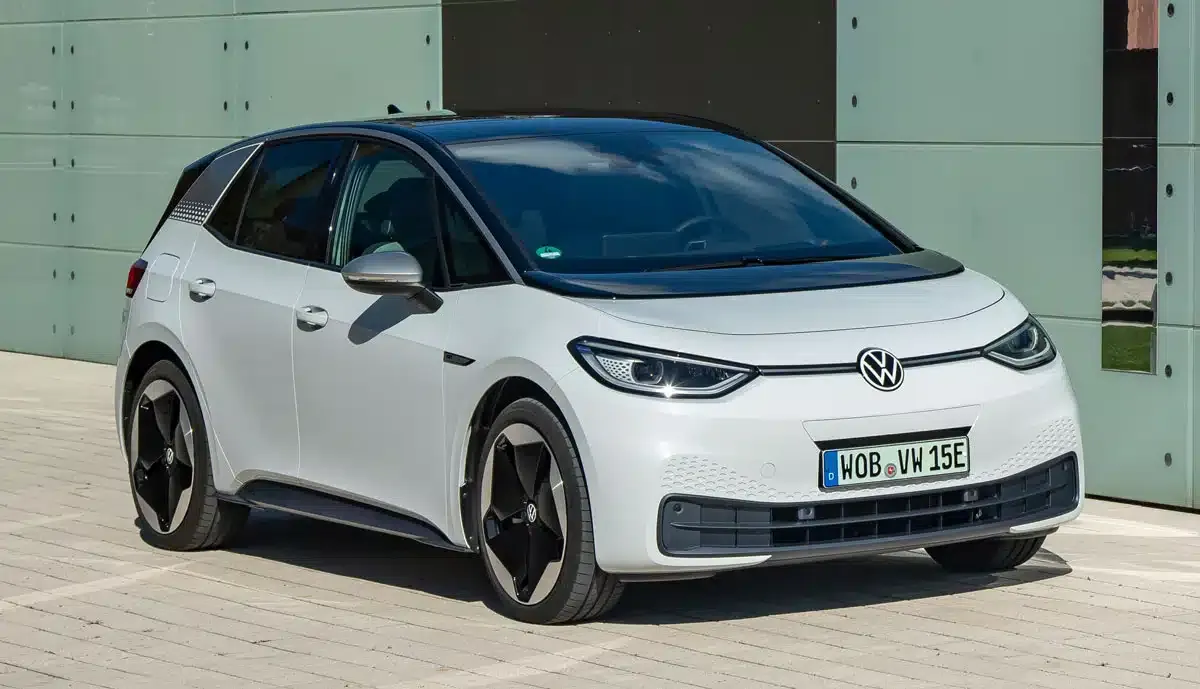
Image: VW (illustrative)
The used car market is undergoing a structural shift as rising demand for electric vehicles puts pressure on the value of internal combustion engine cars. While concerns over range and battery condition previously depressed the residual values of electric vehicles, a trend reversal is now evident. Since March, electric cars have seen a surge at the expense of internal combustion engine vehicles, leading to an increase in their inventory levels.
Experts warn, according to Automobilwoche, of financial risks for dealerships. Martin Weiss, head of vehicle valuation at Deutsche Automobil Treuhand (DAT), told the industry portal that high prices tie up capital, and the residual values built into these prices may not be realized in full. “There are some risks lurking here,” said the market analyst. Diesel engines are particularly affected, as demand for them is currently low.
The figures illustrate this trend: Since the beginning of the year, the residual values of three-year-old electric cars have risen from 50.9% to 51.5% of the list price, according to the report. In contrast, the values for gasoline engines dropped from 60.9% to 59.4%, while those for diesel engines fell from 60.4% to 58%. At some dealerships, electric cars are selling on average four days faster than internal combustion engines.
The issue also affects manufacturers. According to Automobilwoche, Volkswagen Group reports that the decline in residual values of electric vehicles, alongside a simultaneous drop in those of internal combustion engines, is progressing faster than expected. The Swiss bank UBS identifies increased risks and urges caution among manufacturer banks, as value adjustments to inventories could occur.
Countries that traditionally import older used cars from Germany are also moving toward electrifying their own inventories, warns Maier in an interview with Automobilwoche. “Demand for used internal combustion engines from Germany is declining across Europe. This will hurt the residual values of such vehicles.”
A Stellantis partner sees the current wave of bankruptcies among suppliers as a problem with leased vehicles returning, and criticizes the practice of “excessive trickery” in pursuit of short-term sales growth in the past. This approach is generally risky and is now becoming “dangerous to the brand,” according to the report. However, some market participants remain optimistic. Volkswagen’s financial arm, VWFS, views the current effects as temporary. If fuel prices drop significantly, internal combustion engines could once again sell easily, believes Burkhard Weller, head of the similarly named auto dealership group.
Also interesting
About the author
Thomas Langenbucher is an expert in electromobility with experience in the automotive and financial industries. Since 2011, he has been covering electric vehicles, sustainable technologies, and mobility solutions for ecomento.de. Learn more.
Reader interactions