
Ford CEO Farley focuses on quality and a new electric vehicle platform
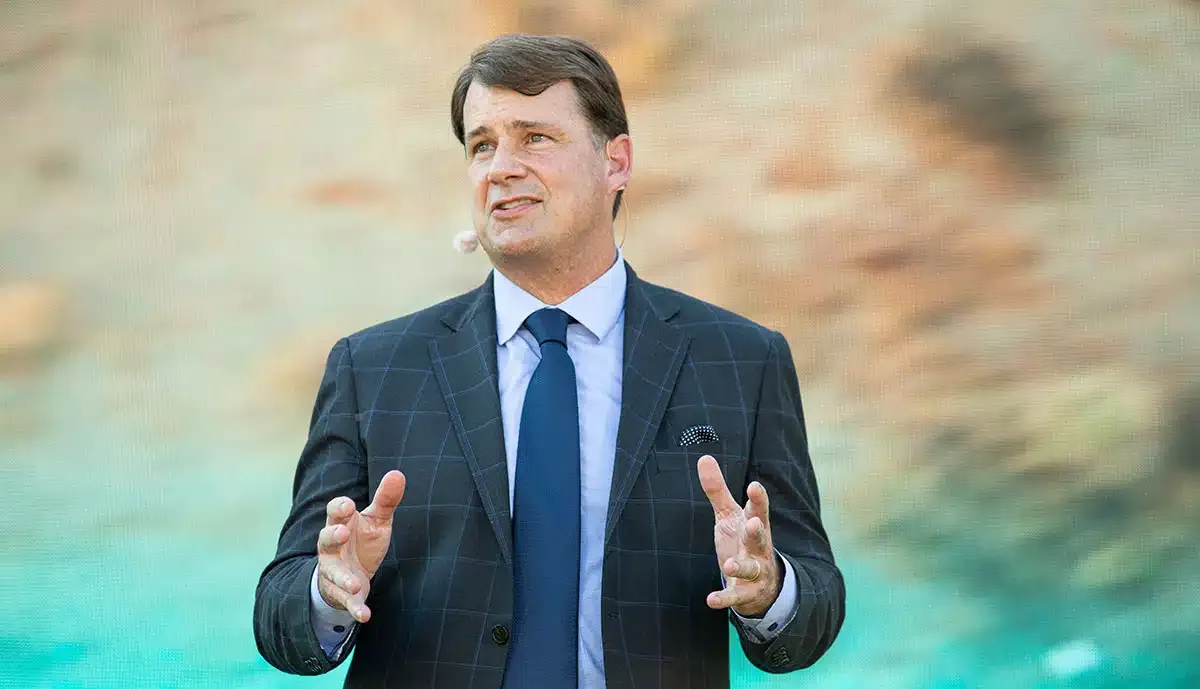
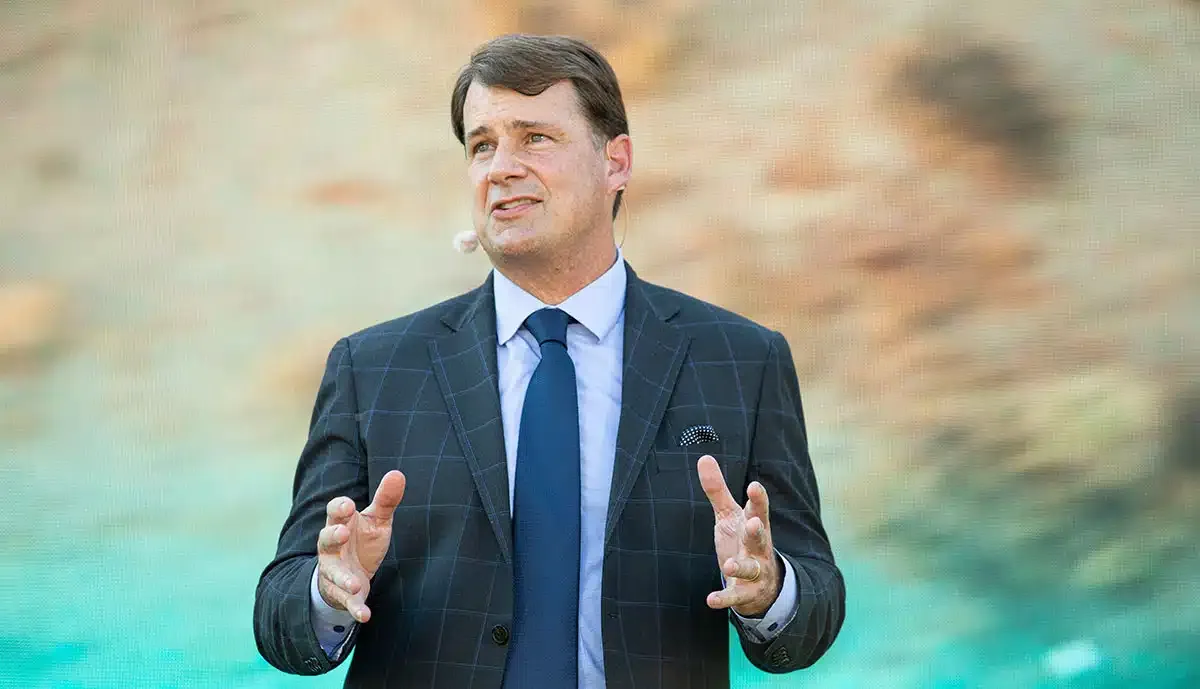
Image: Ford (illustrative)
Ford CEO Jim Farley believes the automaker’s recent quality improvements are sustainable. Since joining Ford from Toyota in 2007, he has witnessed multiple instances where quality enhancements lost momentum. “I’ve seen Ford fall in love with quality four times and then turn away from it,” Farley told Automotive News, following Ford’s rise to become the top volume brand in JD Power’s 2026 U.S. Initial Quality Study.
The manager sees no level of satisfaction with the achieved results within this traditional company. Testing rigs operated around the clock to test all current and future planned engines until failure. For a quality transformation, he stated that a comprehensive cultural shift with greater accountability, cost control, and attention to experts, along with many new employees, “Lean Manufacturing,” and a strong focus on details were necessary.
In light of the possible entry of Chinese automakers into the U.S. market, Farley calls for a cautious approach that does not shut out competition while still creating fair conditions. He explicitly warns that otherwise, the U.S. could face the same fate as Europe.
Ford's response to cost-effective and technologically advanced vehicles from China is the “Universal Electric Vehicle Platform” (UEV). Several models are planned for this platform, starting in 2027 with the Fathom pickup truck, which will cost $30,000 before taxes (approximately 26,600 euros). To support this new platform, Ford is also changing its vehicle production methods by bringing the manufacturing of several components in-house to cut costs.
Farley expected an 20 percent cost advantage with an electric vehicle from Chinese manufacturer BYD compared to the battery used in the Fathom. Therefore, his team modified the design of transmissions, inverters, and engines, allowing for a smaller battery than what BYD uses. Launching the new electric vehicle platform by 2027 remains challenging: “We haven’t yet achieved mass production of UEVs,” said Farley. He pointed to the difficulty of introducing the platform in large quantities at the planned cost and on time.
Also interesting
About the author
Thomas Langenbucher is an expert in electromobility with experience in the automotive and financial industries. Since 2011, he has been covering electric vehicles, sustainable technologies, and mobility solutions for ecomento.de. Learn more.
Reader interactions
