
Should a good car be given a lower rating just because it’s Chinese?
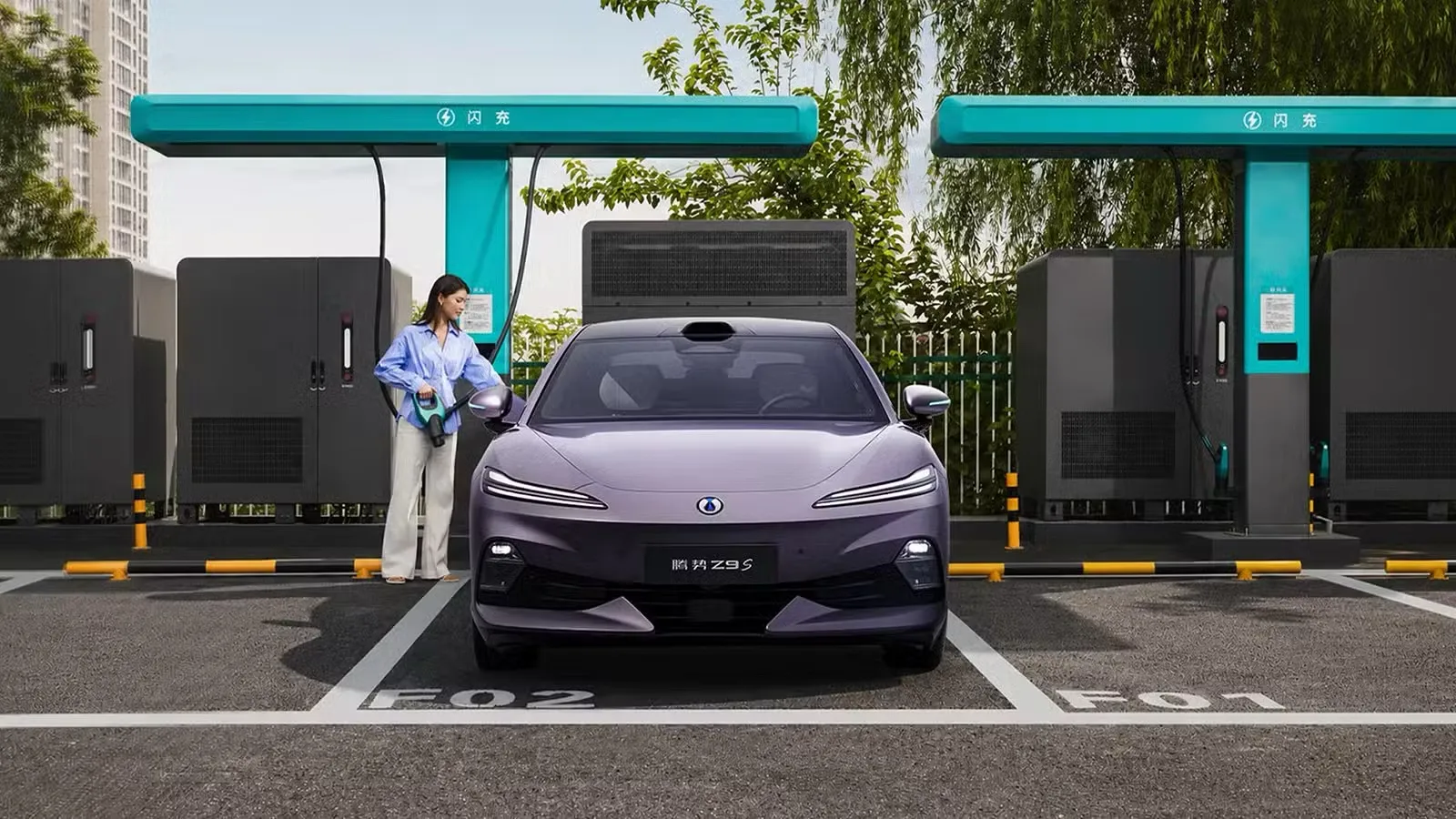
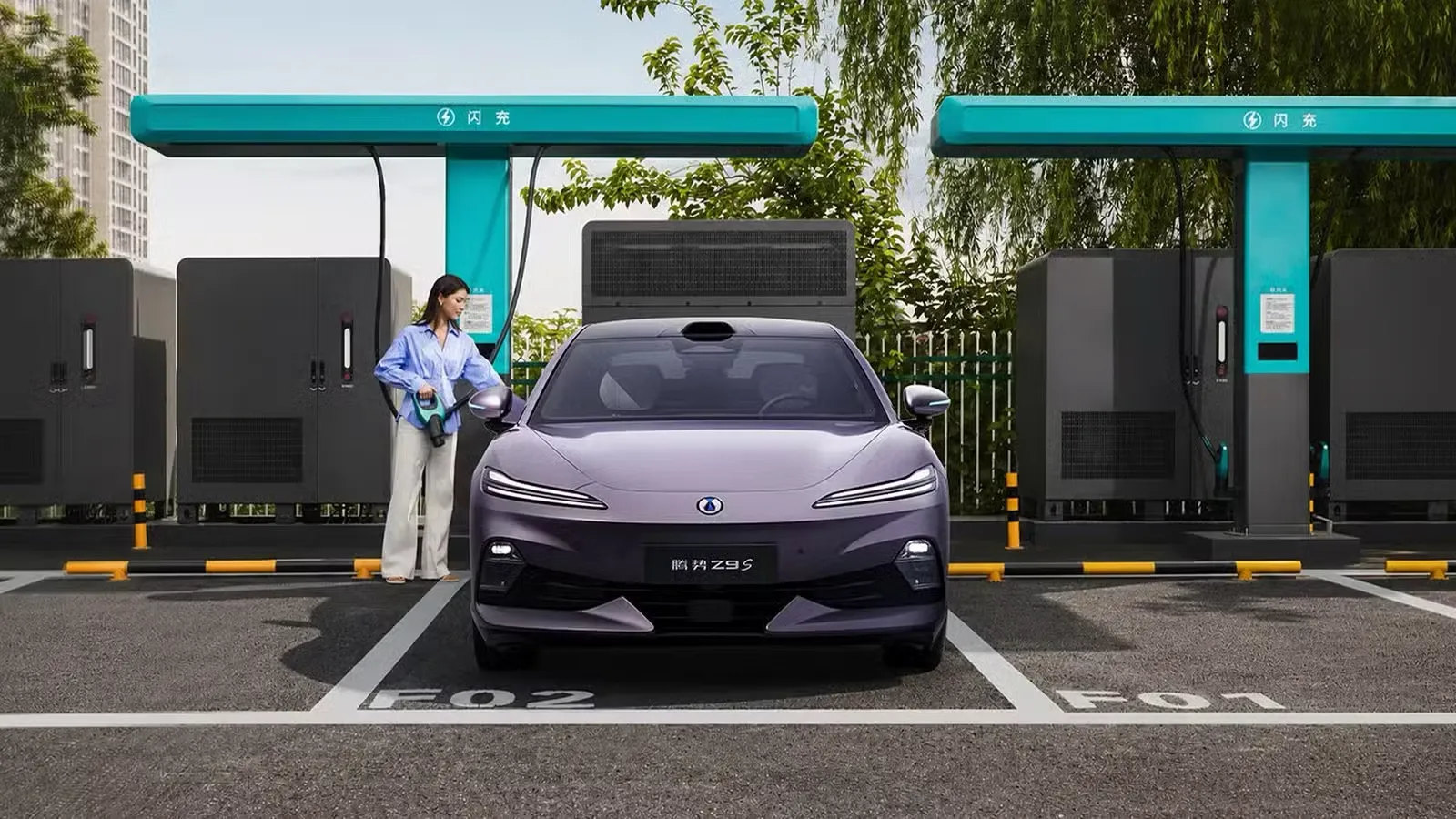
Should an electric car be given a lower rating just because it’s Chinese? While our tests of models from China sometimes draw fierce criticism, a question arises: is our role to defend an industry or to inform our readers? Here’s why, at Automobile Propre, we refuse to mix up a car’s qualities with its country of origin.
In recent weeks, several of our articles, essays, and reviews on Chinese cars have sparked lively debates in the comments section. Not necessarily because our readers disputed the assessments, observations, or qualities of these cars, but because we published them at all. One comment captures the criticism well: “Saying that European electric vehicles are inferior to Chinese ones is morally irresponsible.”
This statement deserves attention because it ultimately raises a quite fundamental question for Automobile Propre: What do you expect from us when we test a car?
Also read
Testimonial – Highly disappointed with a European vehicle, Delphine reconciled herself to electric cars thanks to a Chinese model
Our answer is quite simple: to tell you what it’s worth. When a Chinese car consumes less fuel, charges faster, offers more features, or provides a better price/performance ratio than a European competitor, our job is to document that. And when it has poorly tuned suspension, unbearable driving aids, poor ergonomics, or excessive fuel consumption, our job remains exactly the same. Changing our assessment based on the manufacturer’s origin would not be patriotism—it would be giving you deliberately biased information.
This certainly doesn’t mean that the other factors are unimportant. The origin of batteries and raw materials, the carbon footprint of manufacturing and transportation, social conditions, government subsidies, Europe’s industrial dependence, and China’s political landscape are all important issues. We need to address them. But they don’t eliminate the inherent strengths or weaknesses of a car.
We already make this distinction with Tesla. A Model Y can be an excellent electric car. Stating that doesn’t mean approving Elon Musk’s views or political stance. We can evaluate the car itself and, in another article, discuss his positions. After that, everyone is free to consider these factors when making their purchase decision.
And most importantly, where should the boundary be drawn? Take the new Renault Twingo electric vehicle. It features a diamond emblem on its hood, is manufactured in Slovenia, but uses an LFP battery from the Chinese giant CATL and an engine supplied by Shanghai e-Drive. Is it European enough for us to praise it? This is far from an isolated case. Renault is now working with CATL for its future LFP batteries, alongside partners such as AESC, LG Energy Solution, and Verkor. Stellantis has also formed a partnership with CATL for LFP batteries intended for its cars produced in Europe. The Volvo EX30 is another interesting example: designed on a platform from the Chinese Geely group and initially produced in China, it is now also manufactured in Ghent, Belgium. At a time when a car can be designed in one country, developed in another, and assembled in
A third with a battery or engine from a fourth — it quickly becomes complicated to rely solely on the label placed on the hood.This doesn’t mean all origins are equal, nor that one should be naive about China’s dominance in certain technologies. Europe faces a major industrial challenge ahead. Personally, anyone can choose to prefer a car made in France or Europe, reject a Chinese brand for political, environmental, or social reasons, or stop buying Teslas due to its CEO’s stance. But this choice belongs to the reader, not the journalist conducting the test.
Also read
3,000 km in a Chinese electric city car for vacation: duration, cost, problems — here’s the full review
Our role is to provide you with as many details as possible so you can make an informed decision: how the car drives, its fuel consumption, how it charges, its cost, where it is manufactured, where its main components come from, and, when relevant, the industrial, environmental, or political context in which it fits. It is up to you then to decide which criteria are most important.
Because if a Chinese car performs better than a European one in certain aspects, hiding that fact will not protect our industry. On the contrary, acknowledging it can help us understand what European manufacturers need to improve to stay competitive. And we will continue to call a good car a good car, no matter where it comes from.