
European drivers are increasingly seeing electric cars as part of their future — according to a report by OTOMOTO
– Sponsored content –
The second edition of the “Factor E” survey conducted on behalf of OTOMOTO reveals increasingly clear differences between the pace of electric mobility development and consumer attitudes. In most of the countries analyzed, interest in owning an electric car has risen over the past year. In England, 69 percent of drivers say they want one, 67 percent in Portugal, and 65 percent in Spain. In Poland, however, the figure stands at 35 percent — the same as in 2025.
This does not mean, however, that the market is stagnant. By the end of July 2026, 157,000 electric vehicles were on Polish roads, of which 145,000 were passenger cars. At the same time, Poles prefer intermediate solutions over full electrification. As many as 52% of those planning or considering a car purchase are open to conventional hybrids, while only 26% prefer fully electric vehicles.
"The electric vehicle market in Poland is at an interesting stage right now. There are more electric cars available, the range of options is expanding, and the technology itself is becoming increasingly integral to daily life. However, this does not automatically translate into an increased willingness to buy. Polish drivers are pragmatic and need concrete arguments that will convince them electric cars are just as reliable choices as gasoline or hybrid vehicles. This shows that the next phase of development in electric mobility will depend not only on the availability of cars but primarily on reducing the risks associated with their use," says Agnieszka Czajka, Vice President Motors Professionals Europe at OLX Group / OTOMOTO.
Are there enough charging stations? Polans are not convinced.
A used electric car? Show the battery status first
The secondary market holds great potential for the development of electromobility. As much as 70 percent of respondents in Poland bought their current car used, while only 27 percent say they are willing to buy a used electric car. This shows that drivers are open to electric options
The biggest barrier is not the price alone. The condition and lifespan of batteries concern 57% of Polish drivers, while repair costs worry 47%. For comparison, 25% of respondents cite the high price of used EVs compared to gasoline cars. Only 26% of Poles believe battery technology is sufficiently advanced and safe.
A possible solution is greater transparency. 52% of Polish drivers consider reliable certification of battery condition to be very important when buying a used EV. Among the arguments that could persuade Poles to choose such a car, in addition to lower prices, battery warranties and complete service history along with certification of its condition also play a role.
"The secondary market can become one of the most important drivers for electromobility in Poland, but it requires building trust similar to that drivers expect today when purchasing any used car. With EVs, there’s an additional uncertainty — the battery. If buyers receive clear, reliable information about its condition, history, and warranty, one of the biggest barriers is removed. Transparency can be just as important here as an attractive price," adds Agnieszka Czajka."
Chinese brands are quickly gaining market share, but more slowly in terms of trust
A separate trend is the increasing presence of Chinese manufacturers. By July 2026, vehicles from Chinese brands—regardless of propulsion type—already accounted for 15.5% of Poland’s new car market. The “Factor E” survey shows how Polish drivers view Chinese electric vehicles specifically: 28% would consider purchasing them, while 37% reject such an option.
For Chinese electric cars, price remains the strongest argument for purchase, cited by 57% of drivers. However, Poland stands out in Europe on another front: as many as 39% of respondents would be persuaded by comprehensive standard equipment, compared to 26% on average across Europe. This is the second most important factor driving purchases of Chinese EVs in Poland, after positive expert reviews.
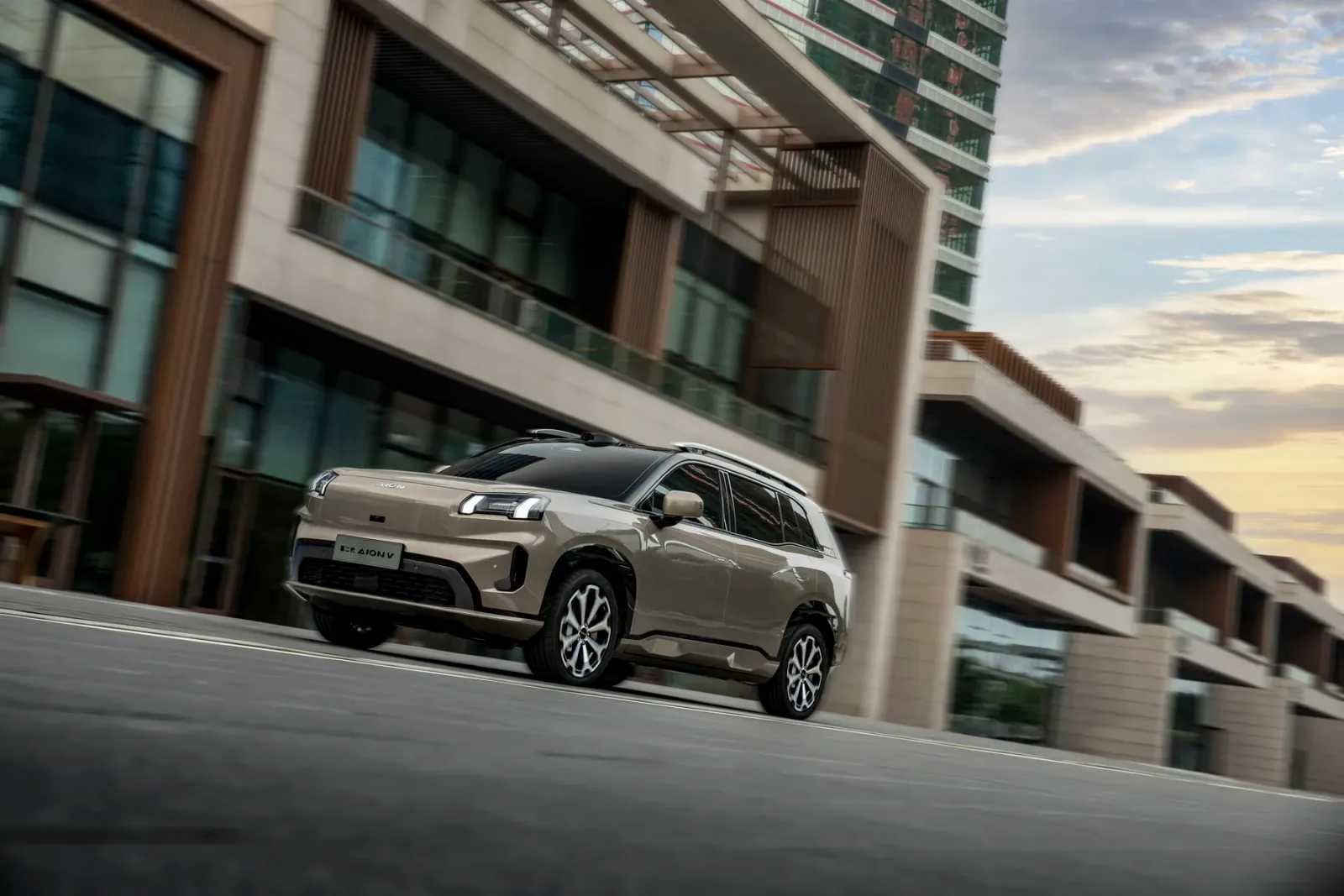
The results are consistent with the broader caution shown by Poles toward new Chinese brands. Regarding Chinese EVs, 43% of respondents expressed concerns about build quality, while 40% were worried about service availability. Thus, after-sales support turns out to be a greater barrier than safety issues.
At the same time, awareness of individual manufacturers remains low. Only 16 percent of Polish respondents can spontaneously name a specific Chinese brand that produces electric cars, 44 percent have some general awareness of such manufacturers in the market, while 40 percent say they are unaware of them. This shows that rapid sales growth and an expanding product range are outpacing the development of awareness and trust in new brands today.
From persuasion to removing specific barriers
The findings of the “Factor E” study indicate that further development of electromobility in Poland requires shifting focus from general advocacy for electric cars to addressing specific drivers’ challenges. The report’s authors highlight the need for predictable support policies, simplifying the installation of home charging stations, establishing a certification standard for batteries in used EVs, and expanding infrastructure beyond the largest urban areas.
Education and the opportunity to gain firsthand experience with electric vehicles also remain important. Today, only 44% of Poles know someone personally who owns an EV, compared to a European average of 57%. The experiences of other users can answer very practical questions regarding actual range, battery life, or operating costs — issues that most significantly influence the assessment of an electric vehicle’s usability.