
Europe is back: How VW, Stellantis and Others Shine at Paris
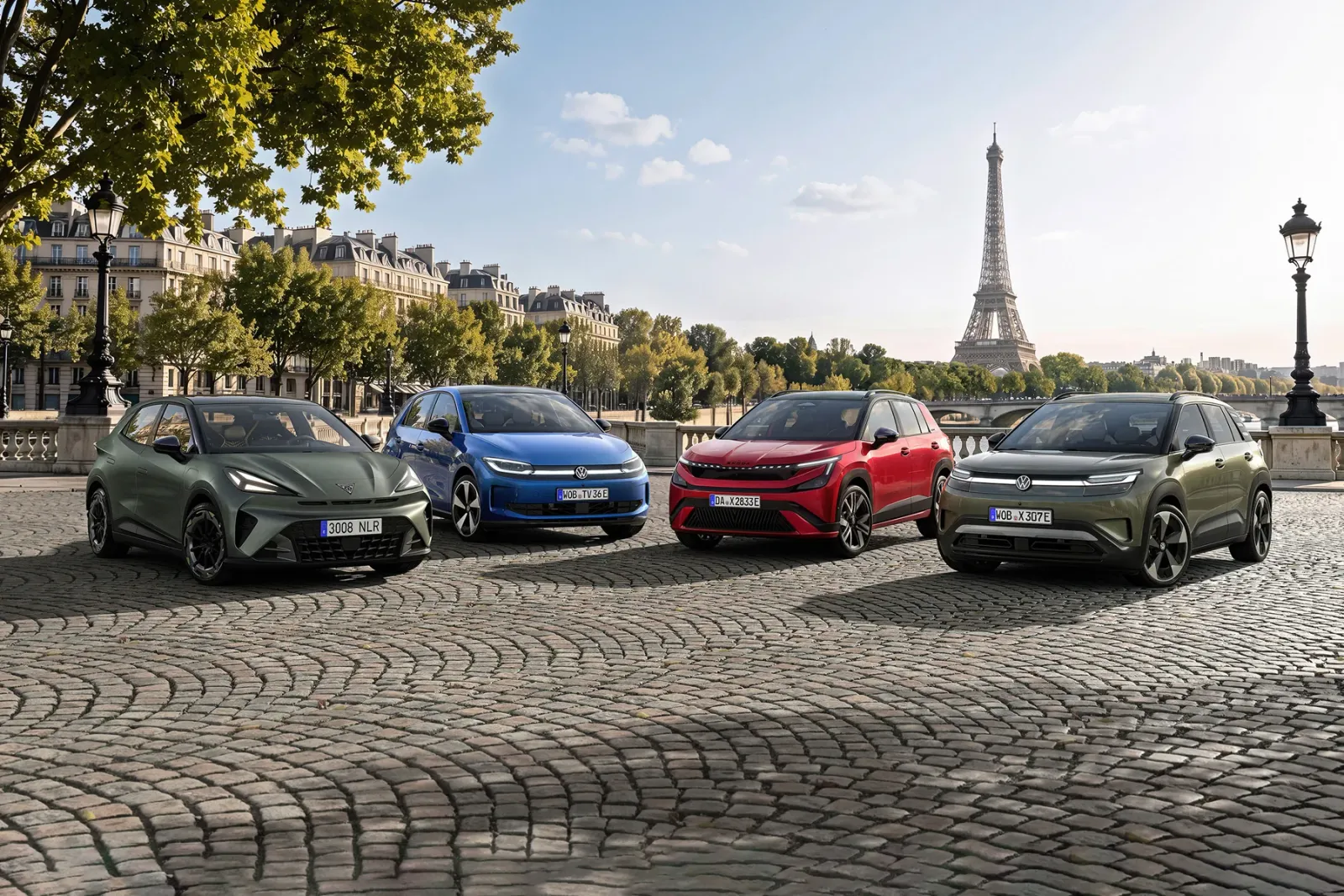
A few years ago, there was a quasi-sacred triangle in the automotive industry world: Geneva, Paris, and Frankfurt were the venues where the automobile trade show circuit regularly gathered. After COVID-19, the Geneva Motor Show disappeared entirely, and the IAA in Frankfurt remains in a sort of search phase since moving to Munich.
Recently, it seemed as though the Paris Motor Show was also facing gradual decline. The 2024 edition was largely driven by Chinese manufacturers, with little exciting content from Europe. Two years later, France’s capital presents a different picture: European automakers have significantly upgraded their model lines, and there is a sense of renewal. We provide an overview of the most important new arrivals.
The retro trend is now reaching Stellantis as well
After Renault has been quite successful for some time with electric revivals of classic models, Stellantis is pursuing a similar approach at the Paris Auto Show. Citroen is bringing back a true classic with the 2CV. Initially presented only as a concept car, the French brand has shared few details so far. What is certain is that the vehicle is expected to weigh under a ton, be produced starting in 2028, and cost around 15,000 euros. Thus, Citroen has not only revived the 2CV in terms of design but also aims to attract price-sensitive customers, just like the original.
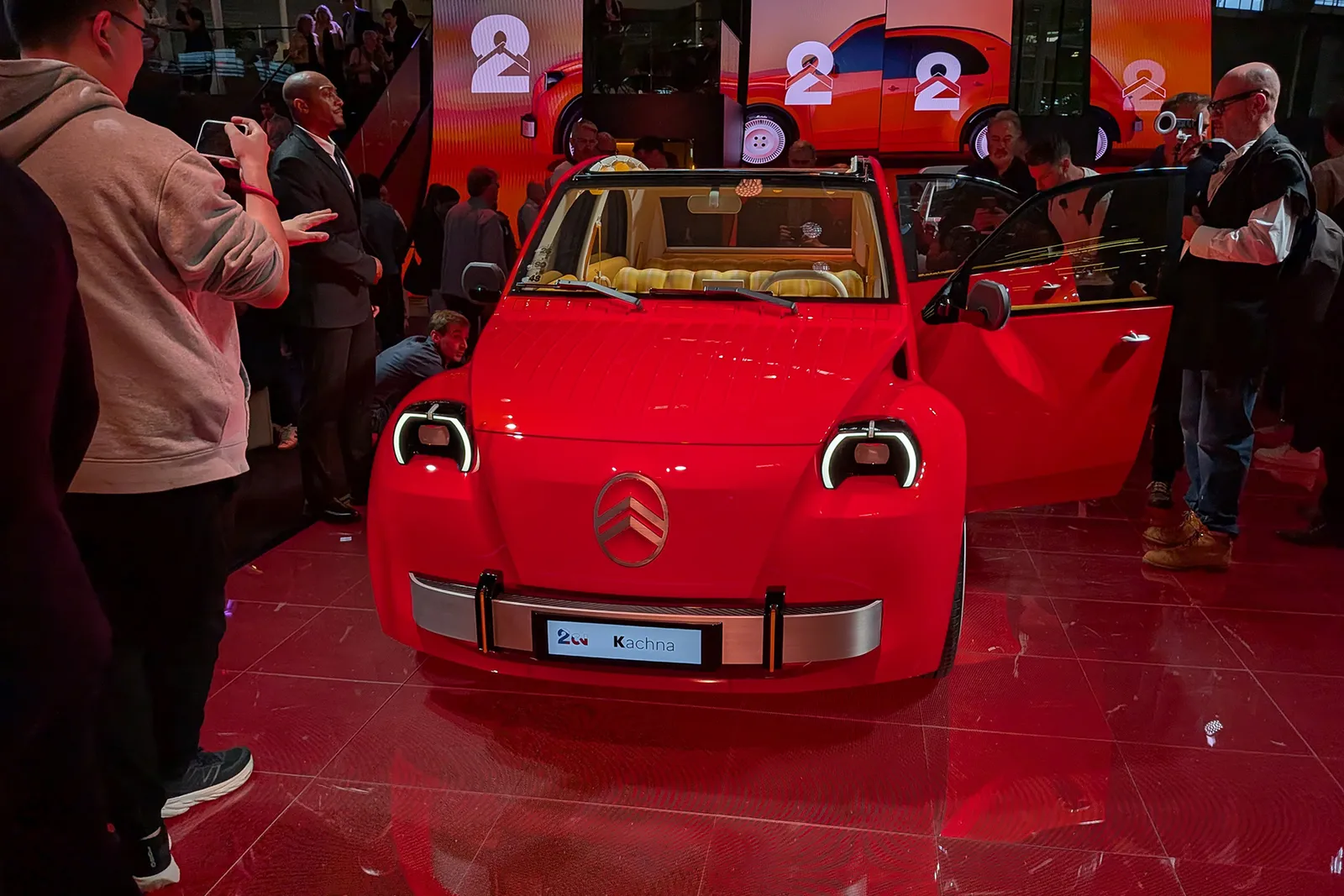
Photo: Gesine Schurig
- 1/3
- 2/3
- 3/3
Fiat takes a different approach to looking back, bringing new life to the less iconic Multipla. The Italians say little about the technology, but everything about the exhibition booth, which mimics an Italian piazza, cheerfully embodies “La Dolce Vita.”
Amidst a multitude of Chinese brands and vehicles (many of which look quite similar and all claim to have the best technology available), Stellantis relies on perhaps its most valuable asset left: vehicles with character. Another example is the new Opel Corsa GSE. Clearly, it’s no longer brand new, and with its well-known 54-kWh battery, it won’t be a long-distance performer either.
But in a world full of generic, bulky SUVs, a nimble compact car with 281 horsepower almost automatically earns points of admiration.
Stellantis’ ability to stay technologically ahead despite its enthusiasm for retro designs and characterful aesthetics is partly attributed to its partnership with Leapmotor, a point that was once again emphasized in Paris.
Renault has fewer new offerings to showcase. The brand was at the forefront of the retro trend recently, introducing a range of vehicles in this style. Here, the focus was mainly on concepts such as an electric Espace, the R8, and a R4 designed as a beach buggy.
“True Volkswagen” is taking shape
For a little over a year now, VW’s core brand has been communicating a new strategy aimed at turning its electric models back into “true” Volkswagens. The exhibition booth in Paris brings this slogan to life. Being a “true Volkswagen” also means that these cars must not scare customers with excessive modernity. As such, efforts were made to make the ID.Polo, ID.Cross, and ID.Tiguan visually similar to their internal combustion engine counterparts. This was accomplished remarkably well—even though not much has changed technically underneath.
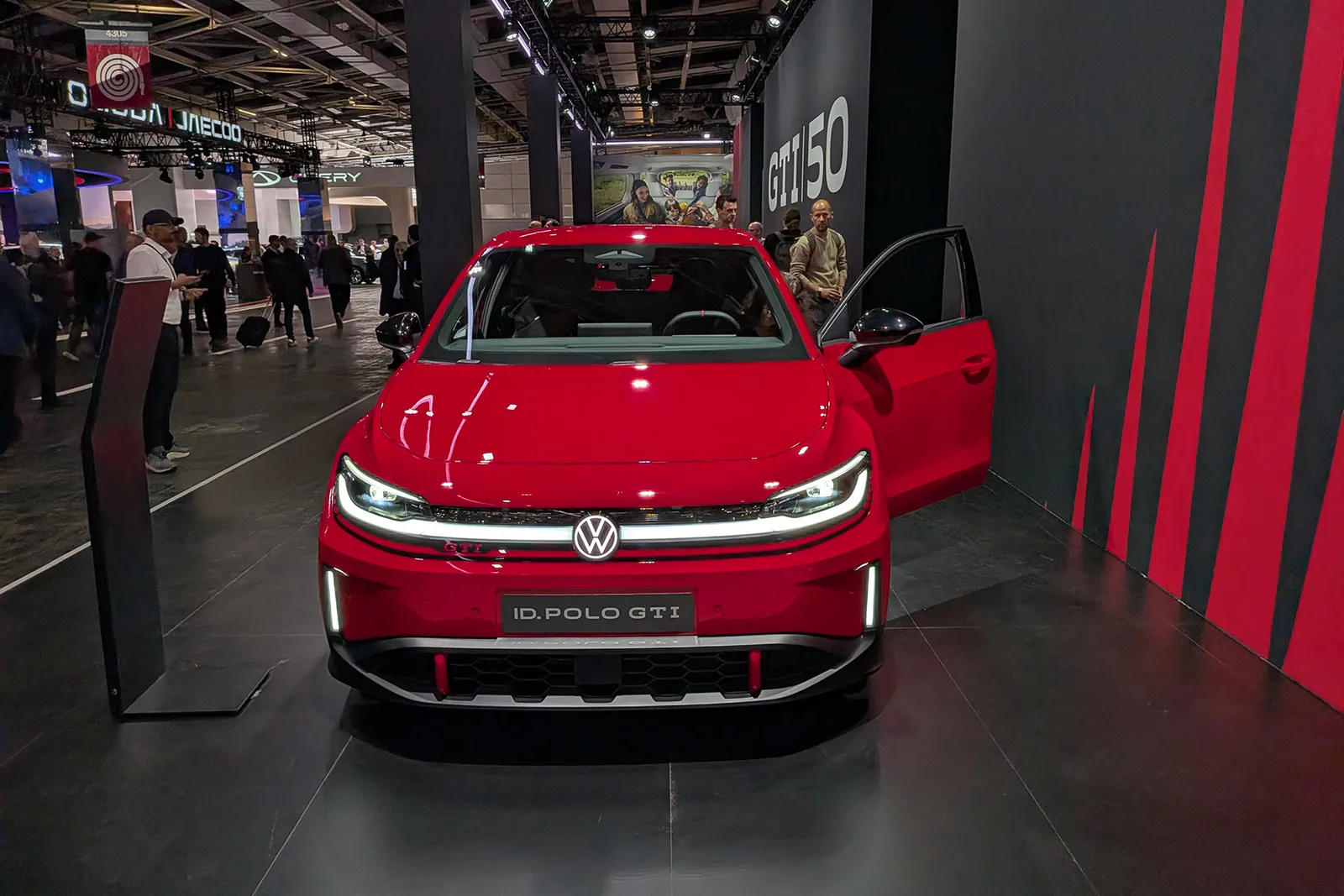
Photo: Gesine Schurig
- 1/6
- 2/6
- 3/6
- 4/6
- 5/6
- 6/6
In the other subsidiary companies of the conglomerate as well, electric mobility is moving downward to smaller segments. For Paris, VW Group’s showcase focuses on the “Urban Electric Car Family” consisting of the Skoda Epiq, Cupra Raval, and ID.Cross/ID. Polo. A touch of retro is also essential here, as the new Audi A2 e-tron is displayed to a larger audience for the first time. Surprisingly, many details from the original A2 have been retained, giving the MEB platform a completely new look.
Smart steals the show
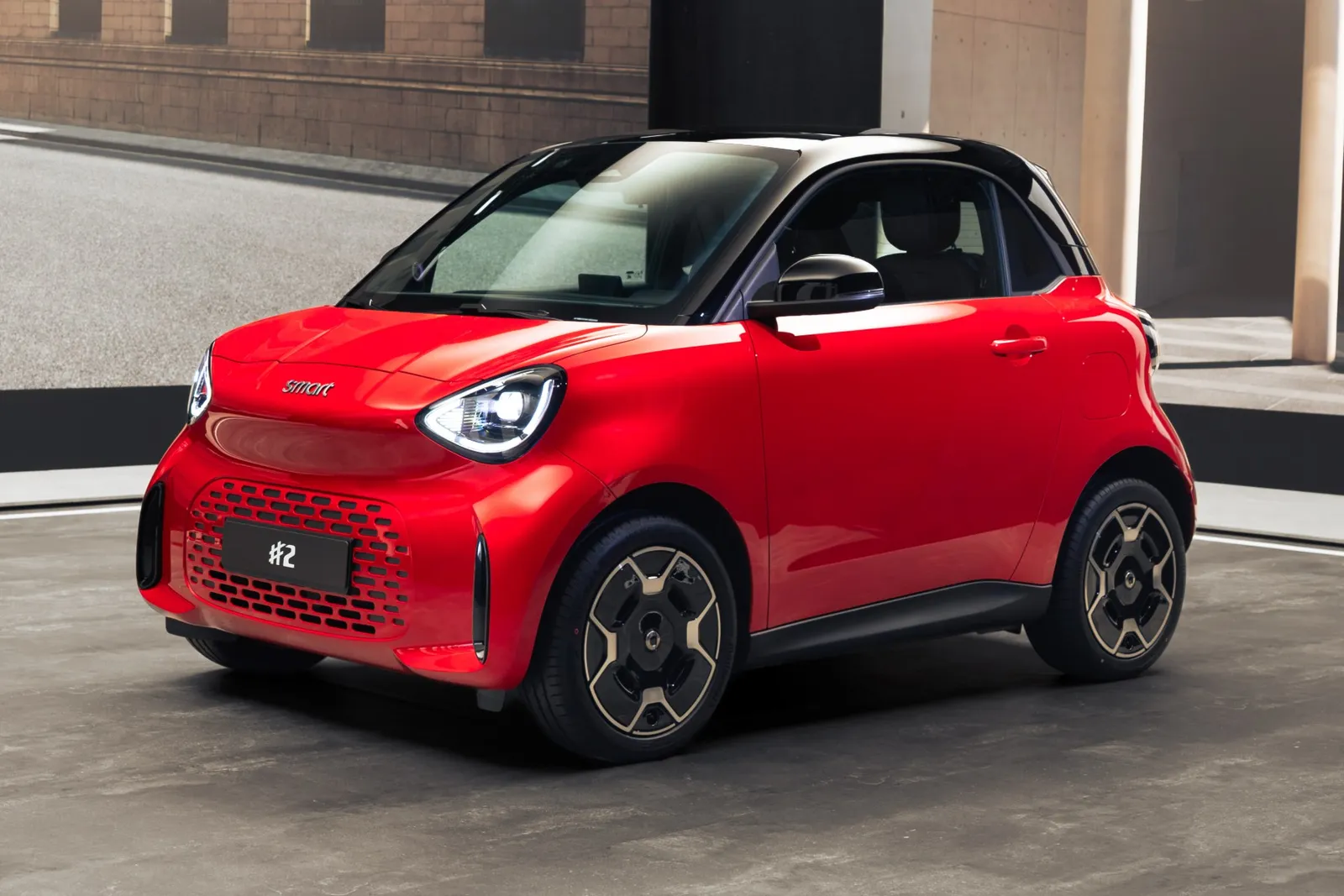
The undisputed star and probably the most anticipated car was the new Smart #2. There was almost always a small crowd at the stand of this German-Chinese brand, making it difficult to get through. We already saw it in advance, so we’ll skip it in this report.
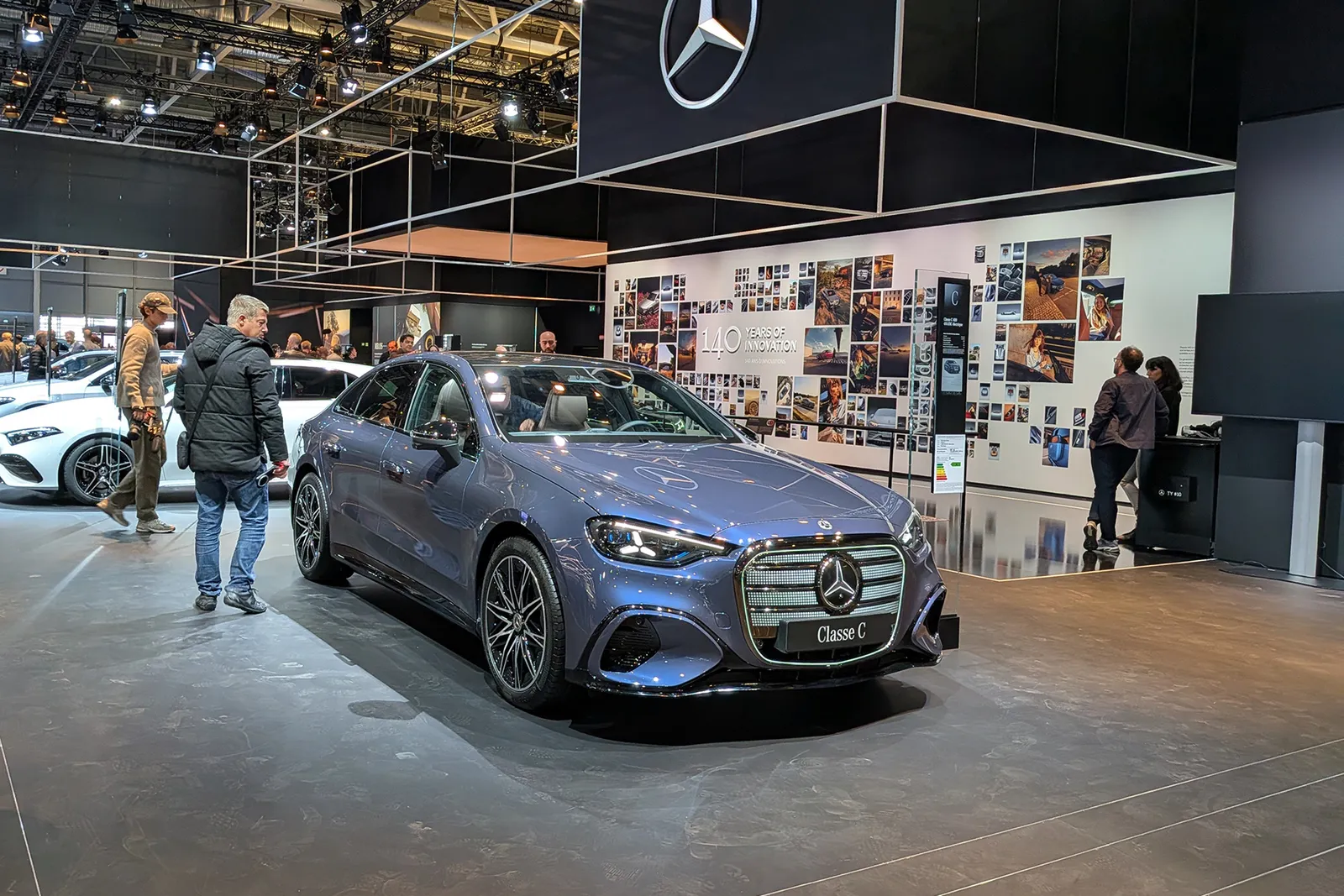
At Mercedes-Benz, Smart’s parent company (with the other half owned by the Chinese Geely group), vehicles in the compact and mid-size segments are once again at the forefront following Ola Källenius’ failed luxury attempts. Since the current model lineup lacks options in these segments, the now eight-year-old A-Class must step forward to prove that the luxury strategy has been abandoned. However, it’s also true that Mercedes has an 800-volt benchmark model in the form of the electric C-Class.
The Underdogs
Once again, the Koreans stand out for being unassuming yet excellent. Both brands now showcase highly impressive electric vehicle portfolios, with the Hyundai Ioniq 3 and Kia’s closely related EV2 being relatively new additions. From compact to large-sized models, Korea now offers an appropriate electric vehicle for almost everyone.
Porsche and BMW shine by their absence, but nearly all Japanese automakers as well as some Chinese brands are also pulling back. Hongqi is no longer part of the list, GWM was absent last time as well, and MG, which is actually quite successful in Europe, preferred to stay at home.
The Doomed Live Longer
This saying may apply not only to the European automotive industry but also to the concept of auto shows in general. After this Paris auto show, no one believes that the era of auto shows is over and that all car manufacturers will only showcase new products at electronics expos.
And Europe’s automotive industry has made it clear: it will not hand over the field to China without a fight. This impression is reinforced by the French president, who acts as the top brand ambassador for “made in France” cars. Charismatically, he speaks of battery factories, “reindustrialization,” and claims that this is primarily made possible by electrification. At such moments, it’s entirely understandable for Germany to look enviously at Paris.