
Europe prepares for a brutal adjustment in the automotive industry by 2031: 200,000 jobs could disappear
06/10/2026 15:00
Updated to
06/10/2026 15:00
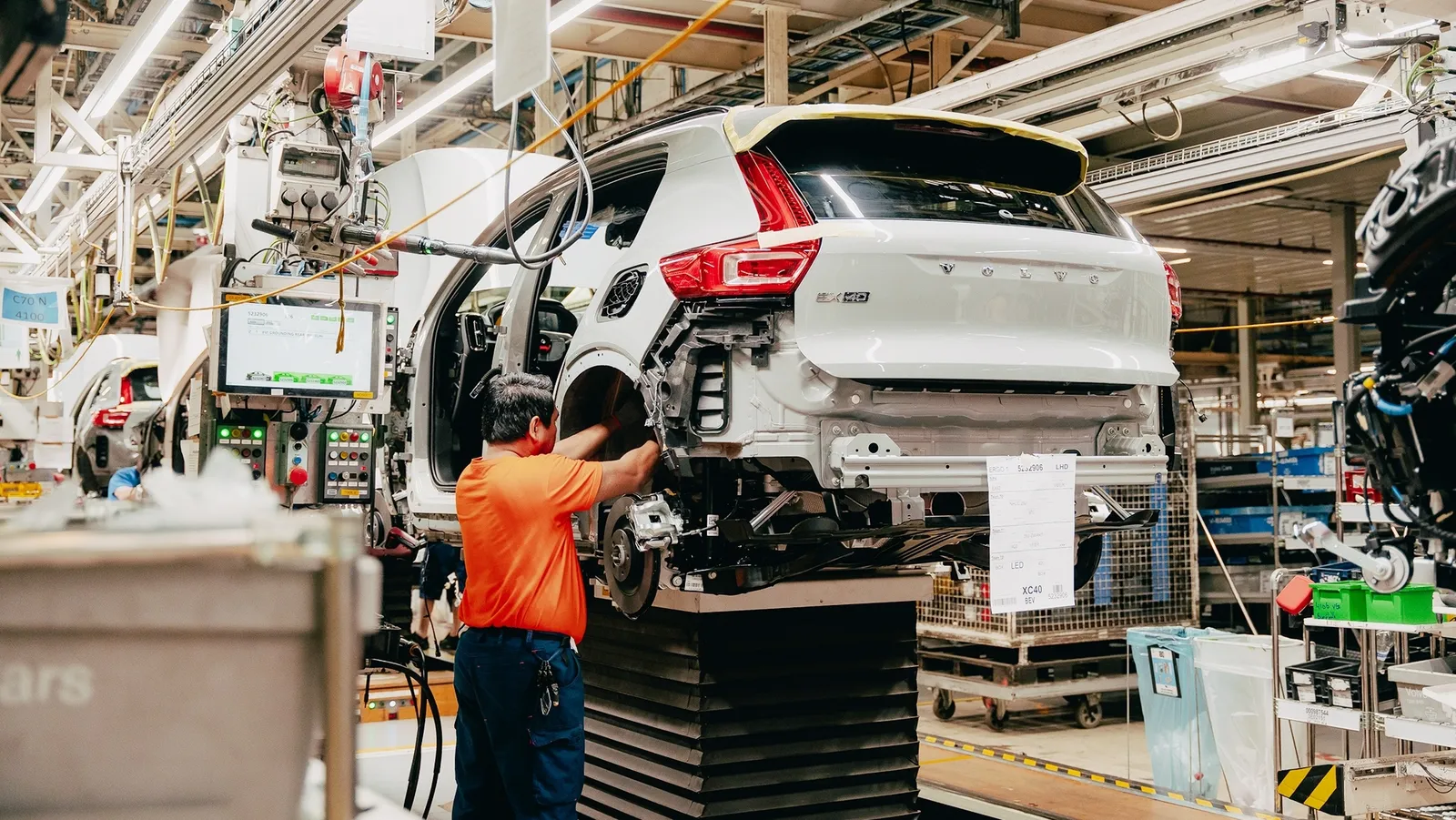
The European automotive industry is undergoing a transformation that no longer affects only the types of vehicles leaving factories. Electrification, increasing software complexity, cost pressures, and competition from China are forcing a review of production structures that have functioned for decades with volumes and margins very different from those today.
The impact could be particularly significant on employment, a sensitive issue for an industry that supports over 13 million direct and indirect jobs in the European Union. Germany accounts for a large portion of this activity, and a new estimate from Roland Berger predicts that its automotive industry could have around 200,000 fewer workers by 2031.
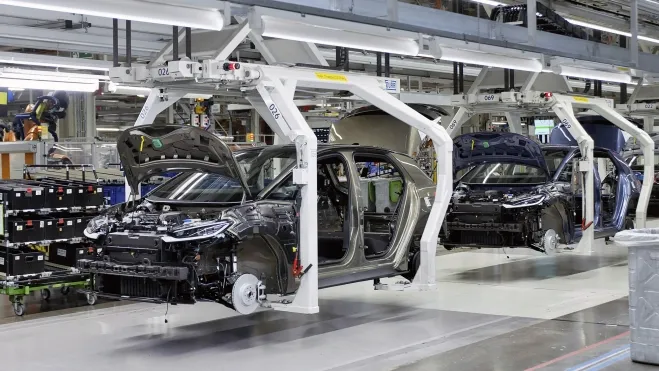
Germany begins to confront overcapacity
Production costs further complicate the situation. Manufacturing a car in countries with cheaper industrial structures can cost about 2,000 euros less than doing it in Germany, while Chinese manufacturers hold particularly significant advantages in batteries and certain technologies; according to Roland Berger, even if they produce their cars in Europe, they could still retain roughly half of their current cost difference.
That scenario is not limited to the German market. Vehicle production in the European Union ended 2025 around three million units below 2019 levels, while cars manufactured in China already account for approximately 7% of community registrations and 20% of the battery electric vehicle market, after imports from that Asian country exceeded one million vehicles during the previous fiscal year.
Employment will also need to adapt to a different type of car
The planned adjustments are not limited solely to assembly lines. Roland Berger suggests that certain administrative, technical, and management areas could lose up to a third of their positions, with some of these tasks potentially being automated through artificial intelligence. At the same time, there is an increasing demand for workers skilled in software, batteries, and robotics.
This shift in job profiles is already evident across Europe. A 2026 analysis by ACEA and Adecco predicts a structural decline in certain industrial and administrative jobs as electrification and digitalization advance, while demand grows for engineers, computer specialists, and professionals in battery and data analysis fields.
Europe tries to prevent adjustments from weakening its industry
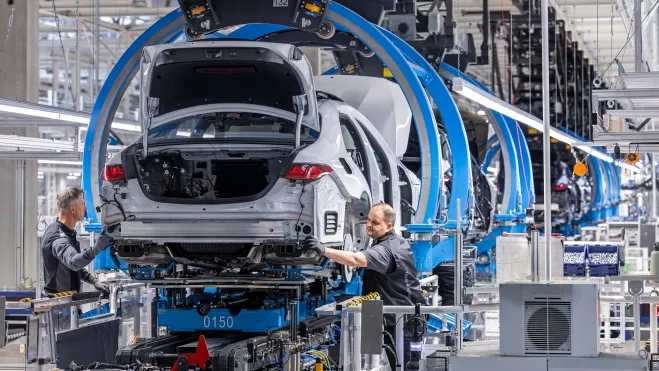
The response will need to combine cost reduction, technological investment, and training. Roland Berger suggests accelerating development cycles from the current approximately 48 months to 30-36 months, as well as professionally retraining tens of thousands of workers for roles related to software, batteries, and automation; the European Commission has also launched specific programs to facilitate the workforce transition for automotive employees in various member states.
The German case represents the most advanced manifestation of a problem affecting much of Europe’s industry. High energy costs, production still below pre-pandemic levels, the rise in Asian imports, and technological changes are forcing manufacturers and suppliers to adjust their capacity and employment, a process that is likely to have varying effects depending on each country’s industrial weight and competitiveness.
