
Europe wants to connect its last isolated island: a 1.9 billion euro cable is stalled due to a dispute in the Mediterranean.
13/10/2026 19:00
Updated to
13/10/2026 19:00
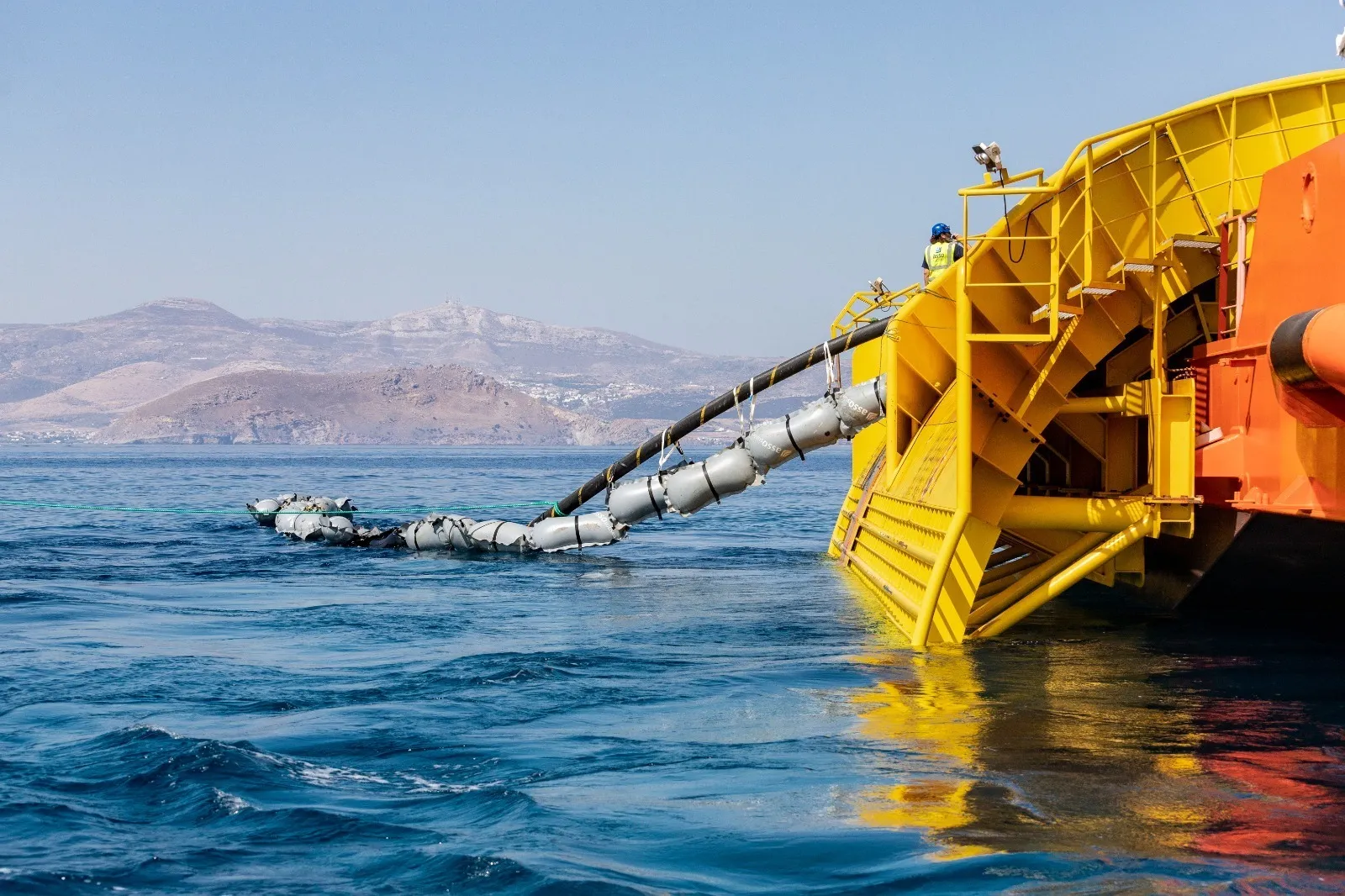
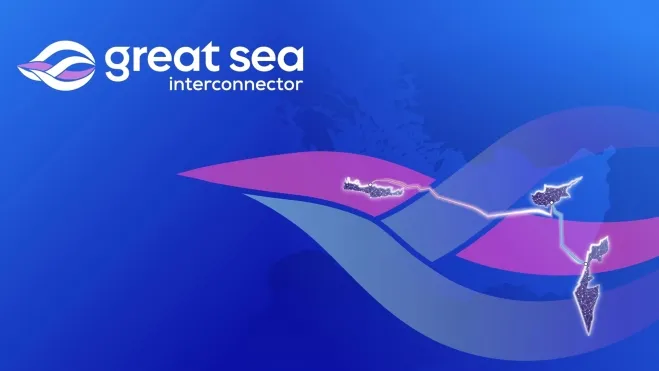
Cyprus remains the only EU member state without electrical connection to the continental grid, an anomaly that the Great Sea Interconnector aims to resolve through one of the world’s most ambitious submarine cables. With a budget of around 1.9 billion euros, the project will initially connect Greece and Cyprus, and later Israel, enabling the exchange of up to 1,000 MW of electricity in both directions. However, progress is hindered by technical challenges and a dispute over the waters through which the cable must pass. The United States has just reaffirmed its support to help overcome these obstacles.
The importance of this project goes far beyond simply laying a cable between two countries. Connecting to the European system would allow Cyprus to import electricity when needed and export it when it has surpluses, which is particularly important as solar and wind power production increases.
To date, the island has had to balance generation and consumption almost on its own.
A 1,208-kilometer cable that will reach Israel
The entire project involves an interconnection of approximately 1,208 kilometers, with a voltage of 500 kV and the capacity to transport up to 1,000 MW.
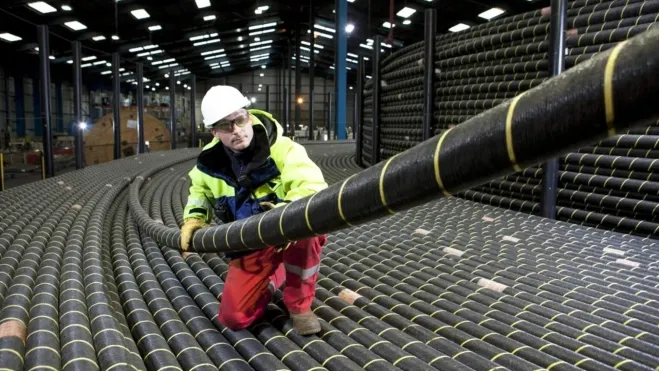
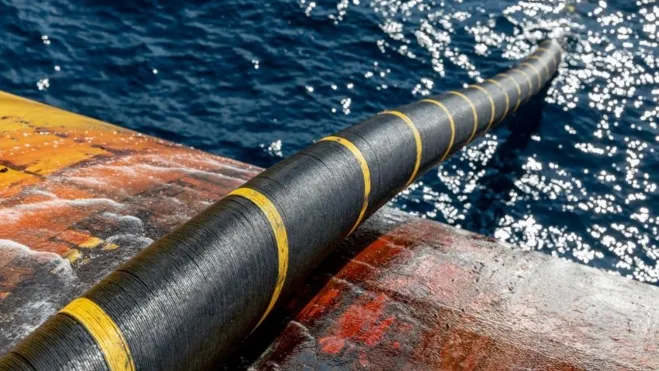
The first phase, between Crete and Cyprus, covers approximately 898 kilometers of submarine cable. It must also be installed at depths reaching up to 3,000 meters, making the infrastructure a significant technical challenge.
The European Union has already committed around 657 million euros through the Connecting Europe Facility, in addition to other funding mechanisms.
The next goal is to extend the infrastructure to Israel, creating a new electricity corridor in the Eastern Mediterranean.
For Cyprus, connectivity means being able to make better use of its renewable energy sources
Interconnection can solve one of the major problems facing isolated electricity grids. When an island generates more solar power than it can consume or store, it has few options other than reducing generation. If it is connected to other markets, this excess power can be exported.
The opposite occurs when there is a shortage of power generation: the island can import energy from outside.
This is particularly important in Cyprus, where reliance on external energy sources remains very high, and where the European Commission has emphasized the need to improve both connections and storage.
The problem now lies beneath the Mediterranean
The difficulty is not merely technical. The studies required to determine the exact route for the cable have been hindered by disagreements between Greece and Turkey over the demarcation of certain maritime areas in the eastern Mediterranean.
Ankara claims that some work requires prior coordination, while Athens rejects this interpretation.
The issue has gained enough significance for the United States to intervene diplomatically. Secretary of State Marco Rubio stated this week that Washington remains committed to the project and will try to help overcome the remaining obstacles.
More than just an electrical cable
If completed, the Great Sea Interconnector will allow Cyprus to stop being the last major exception in Europe’s electricity market.
It can also facilitate greater integration of renewable energy sources and provide an additional route for energy exchange between Europe and the Eastern Mediterranean.
But this project illustrates something that increasingly affects large energy infrastructure projects: having technology and funding is not enough. To connect two electrical grids, it’s also necessary to reach an agreement on the seabed through which the cable must pass.