
Europe reaches an agreement with China to cut its hybrid car exports in half
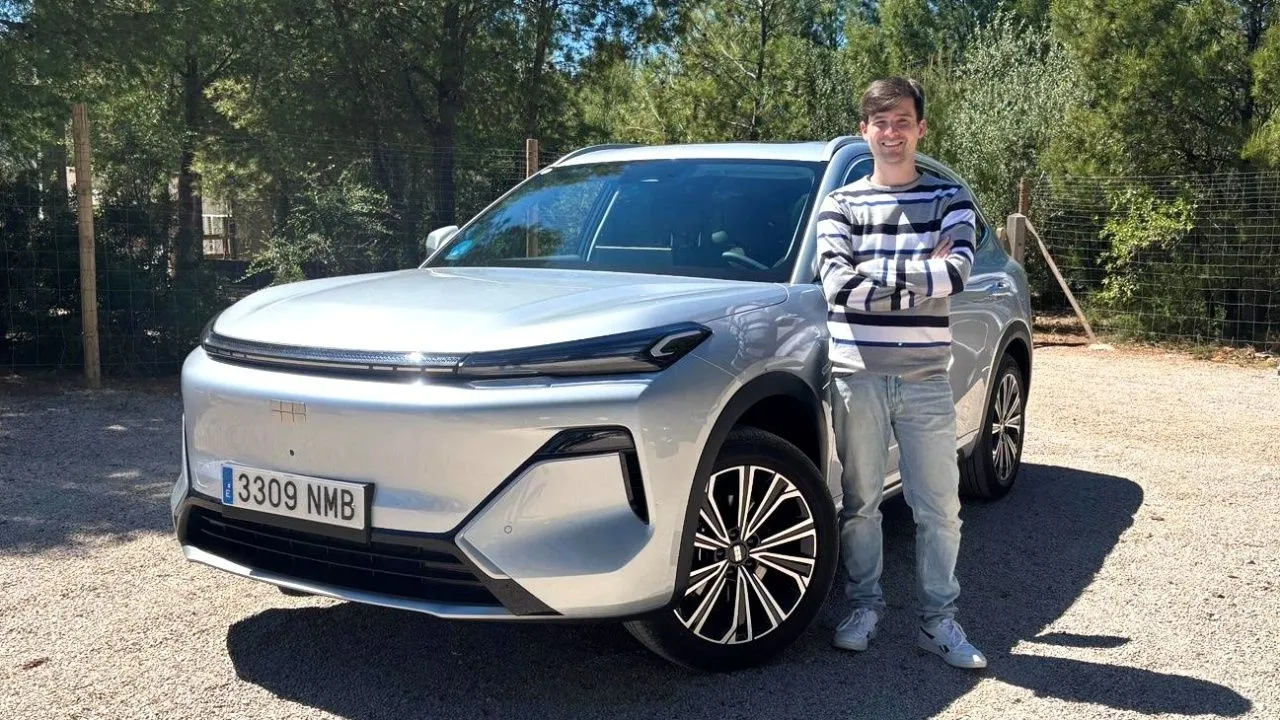
The European Union and China have reached an agreement to reduce the pressure facing European manufacturers in the automotive market. After two days of negotiations in Beijing, both sides have found a way to address Chinese car imports without resorting, at least for now, to another round of tariffs.
The agreement focuses on plug-in hybrids manufactured in China, whose sales in Europe have surged sharply in recent months. European Trade Commissioner Maroš Šefčovič announced the deal alongside Chinese Minister of Commerce Wang Wentao, though details still need to be finalized before it is clear how the measure will be implemented.
According to Šefčovič, China’s exports of plug-in hybrids could be cut by more than half thanks to this agreement. Brussels believes that the rise in these imports is harming European manufacturers, who must compete with increasingly cheap models in a market where production costs and trade conditions are not always equal.
The concern is significant. Imports of hybrids from China have risen by 86% so far this year, while their prices have dropped by 20%. This combination is putting extra pressure on traditional European brands, which are already facing costly industrial transformations to adapt to the growth of electric vehicles and competition from Asian manufacturers.
The issue has also reached Europe’s top political leaders. German Chancellor Friedrich Merz and French President Emmanuel Macron called for new measures this same week against what they consider to be Chinese business practices that distort the market. Germany and France have a lot at stake, as their automotive industries maintain a significant presence in the Chinese market while also needing to defend their position in Europe.
An agreement without new tariffs, at least for now
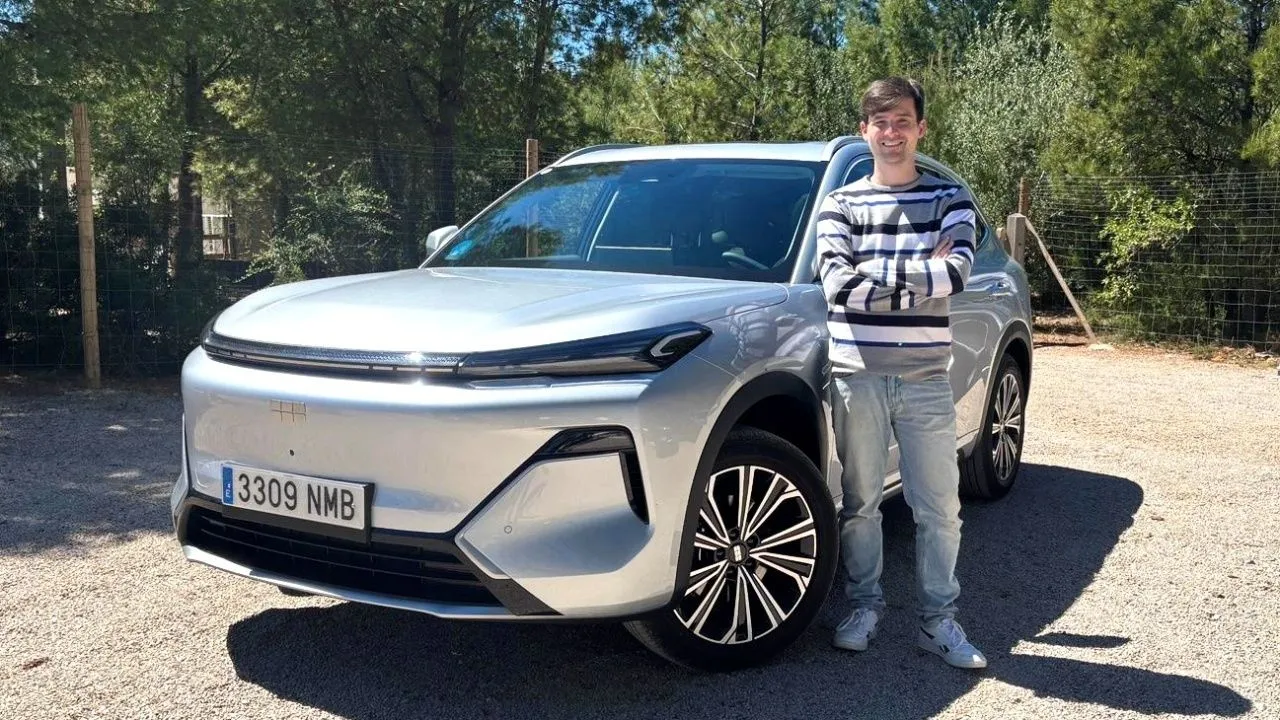
The strategy resembles the previous decision by the European Union to impose additional tariffs on electric cars manufactured in China. Brussels justified those measures due to government subsidies received by Chinese manufacturers and the competitive advantage they allegedly hold over European producers.
However, this time the approach would be different. According to Šefčovič, China has voluntarily agreed to limit its exports, eliminating the need to raise trade tensions through immediate threats of new tariffs. The agreement still needs to be presented to European Commission President Ursula von der Leyen and member state leaders, so all its details and implementation timeline are not yet known.
The European commissioner described the talks as satisfactory, though he also warned that this is only the beginning of a broader process. Both sides will meet again in March to continue negotiations, in an effort to address trade imbalances and improve access for European companies to the Chinese market.
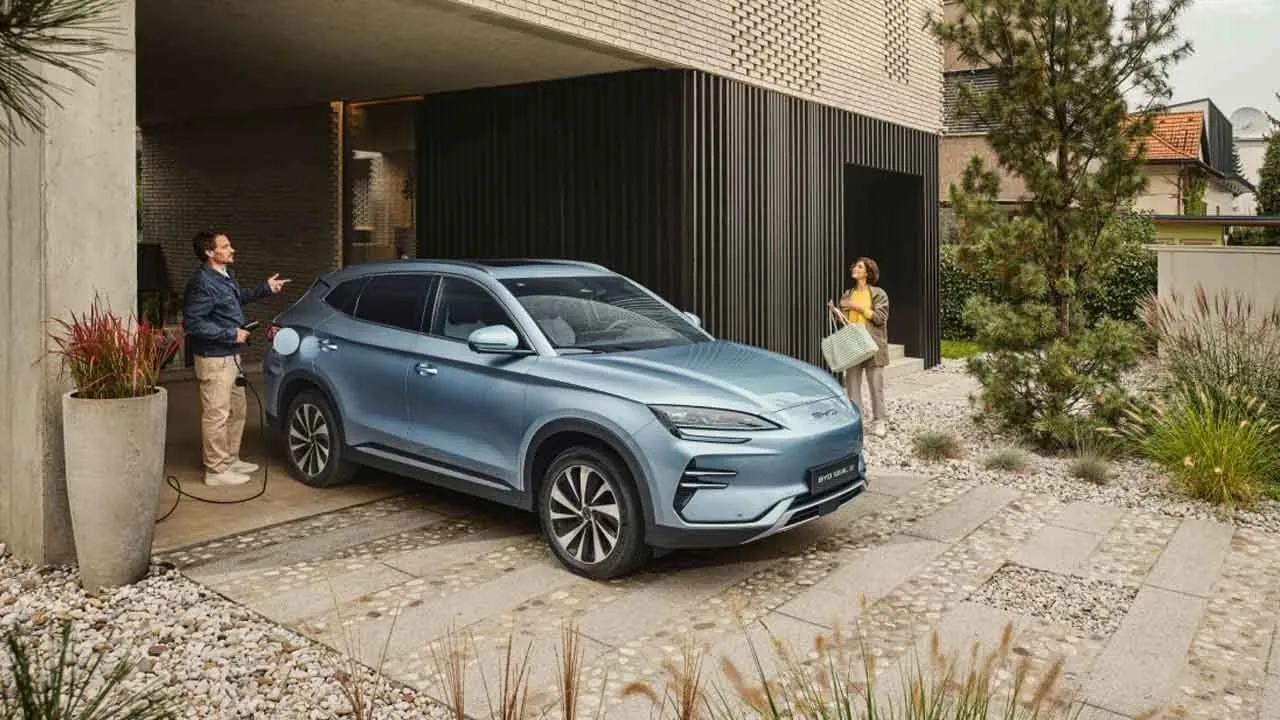
Brussels aims for China to buy more European products and reduce its reliance on exports to Europe. According to the commissioner, Beijing has already committed to facilitating access for European companies to its market, though it remains to be seen how much these promises will translate into concrete changes for manufacturers.
The European Commission lists the trade imbalance with China as one of its major economic concerns, with a deficit that, according to Šefčovič’s statements cited in the original report, amounts to 1 billion euros per day. The goal is to make trade relations more balanced, but the challenge lies in achieving this without harming European consumers or triggering retaliatory measures that could affect other industries.
Opinion
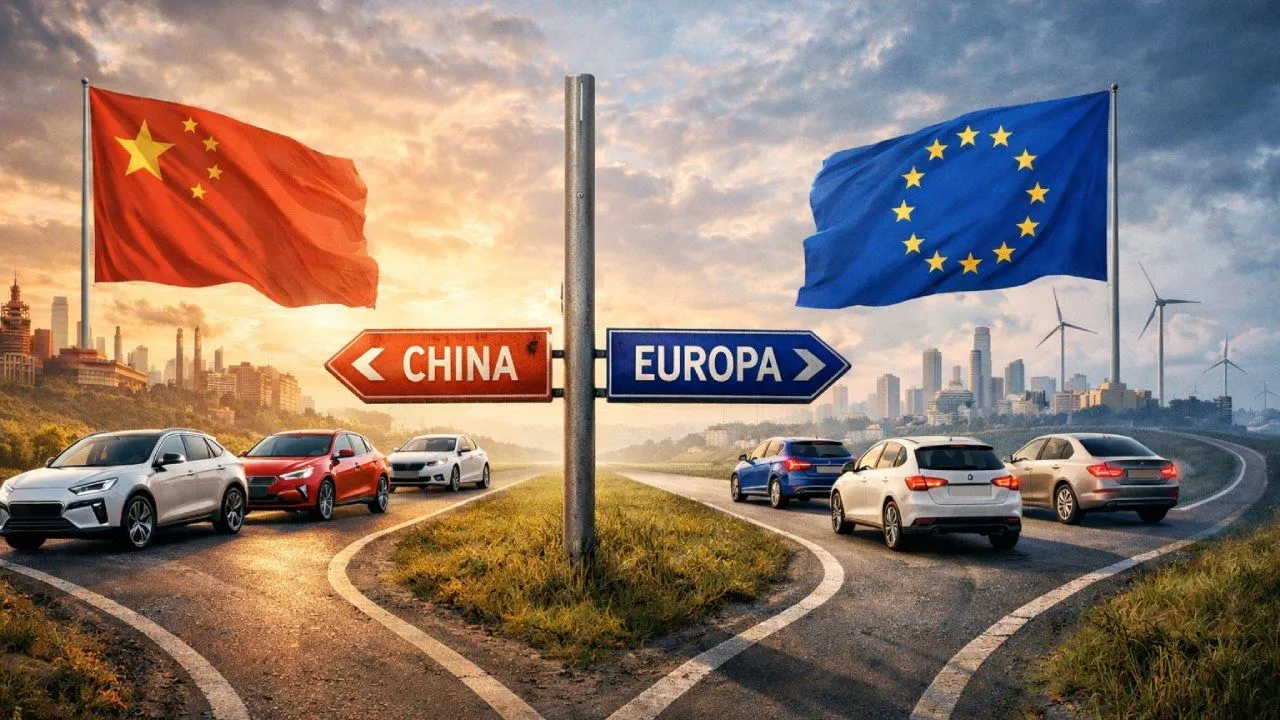
This move is quite curious, as when it came to electric cars, Brussels did not hesitate to impose tariffs regardless of the consequences. Some of these were extremely high, with rates set at 45%. Yet when it comes to hybrid cars, Europe seeks an agreement with China. On the other hand, the EU aims to buy time for European manufacturers that are lagging behind in every aspect of the automotive industry, but at the cost of restricting competition and keeping prices higher for consumers.
It’s clear that buying Chinese models can shift economic activity and jobs to Asia, reducing resources available for investment in Europe’s industries and public services. Yet it’s also a fact that Chinese manufacturers offer better-equipped and cheaper cars, raising questions about why consumers should pay more to support European companies that have known for years where the market is heading but chose to sacrifice their future to secure short-term bonuses and benefits. Now they want Europe’s “papa” to help them at a critical moment when they lack the tools to compete, and China isn’t worried, knowing that thanks to the short-sightedness of its leaders and politicians, the old continent will eventually belong to them.