
Europe limits Chinese hybrids to 350,000 cars per year and Spain could be the biggest beneficiary
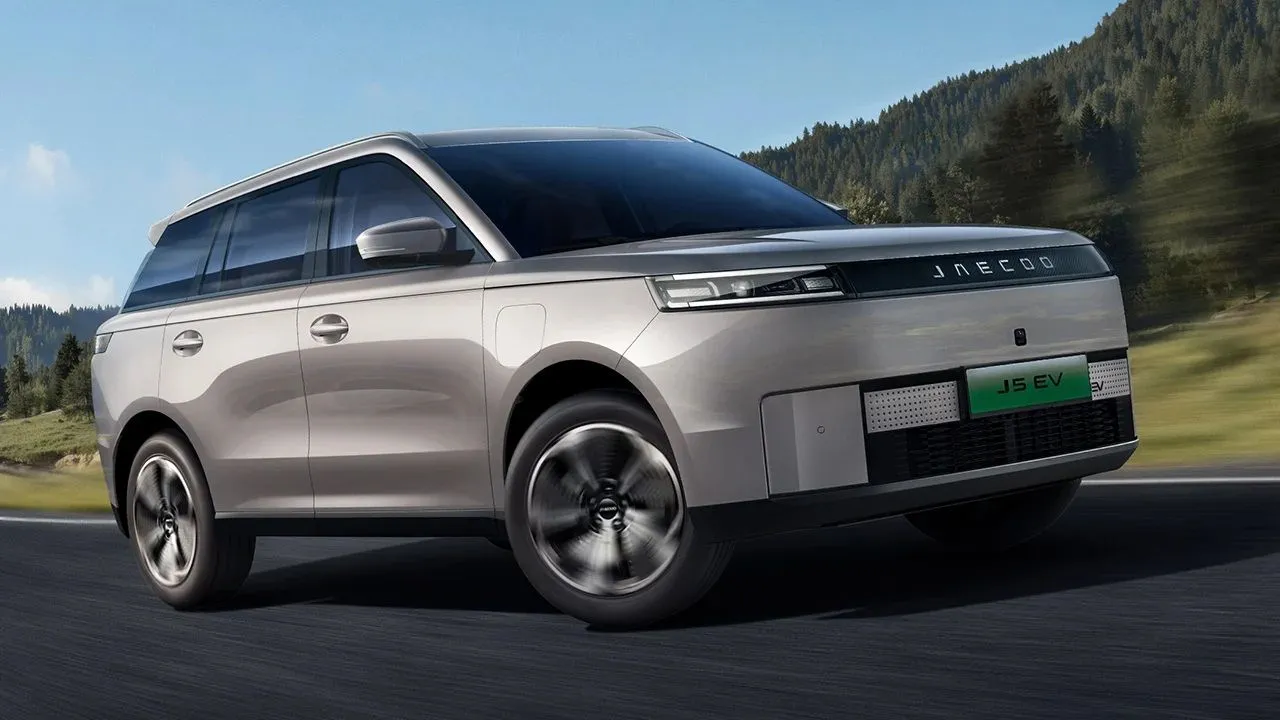
The European Union and China have reached an agreement to limit the import of hybrid cars manufactured in Asia. The deal aims to reduce trade tensions between the two parties and opens up new opportunities for brands that have gained market share in Europe thanks to their competitive prices and expanding product offerings. This decision may also have implications for Spanish consumers.
This measure affects one of the main avenues for Chinese manufacturers to expand in Europe. While additional tariffs imposed since 2024 have increased the cost of importing certain electric cars made in China, hybrids have remained more favorable. Now, Brussels and Beijing have set limits that could change the expansion plans of several manufacturers.
The agreement sets an initial limit of 350,000 hybrid cars imported from China per year, down from approximately 800,000 expected by 2026. According to Reuters, this quota may increase by 6% each year, though details regarding its implementation and distribution among different manufacturers remain to be finalized.
This decision comes after several weeks of negotiations and represents an alternative to further trade tensions. Brussels aims to curb the growth of imports, while China seeks to ensure its manufacturers maintain access to one of the world’s most important markets. The result is an agreement that forces affected brands to review their strategies to sustain their presence in Europe.
What changes for BYD, MG, and Chery and how it might affect consumers
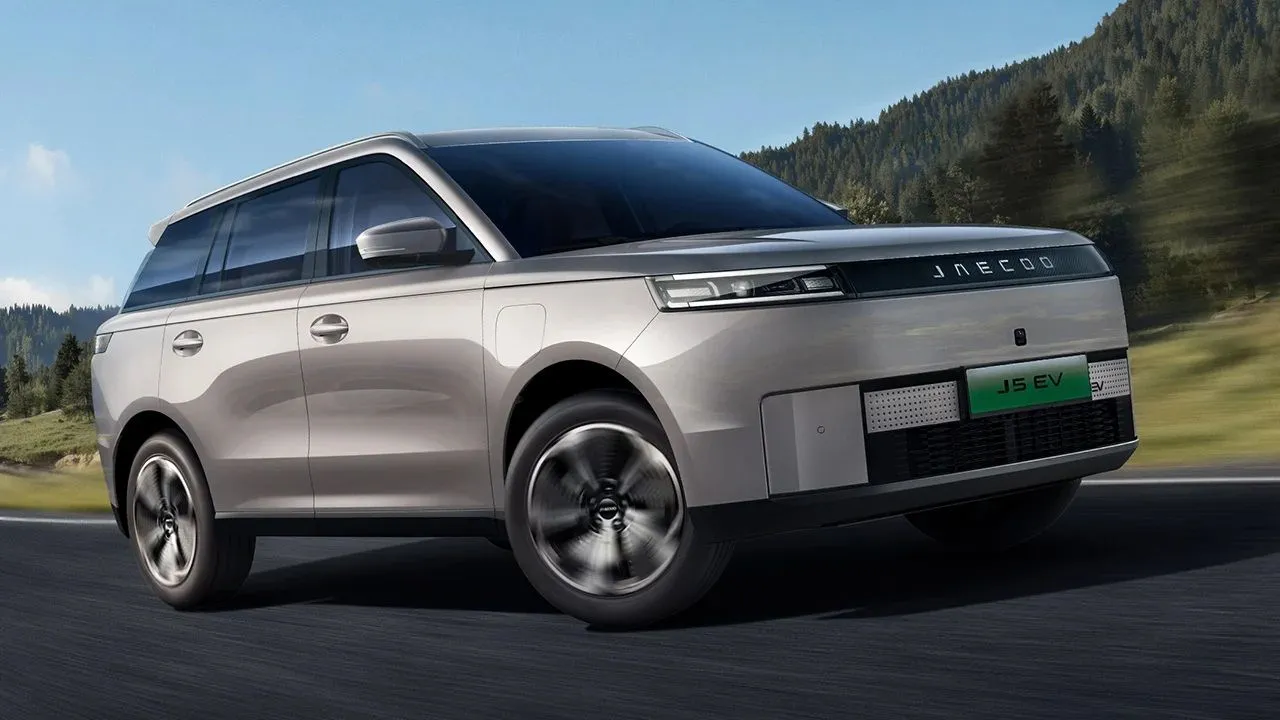
According to data cited by Reuters, brands most affected by the new restrictions include BYD, MG, and Chery, which account for over 90% of the affected volumes. Their hybrid and plug-in hybrid models have helped strengthen their presence in Europe, with vehicles such as the BYD Seal U DM-i, MG EHS, and Jaecoo 7.
For buyers, it is still too early to determine the full extent of the consequences. If the quota limits the arrival of certain models, there may be fewer units available or longer waiting times. It is also possible that manufacturers will adjust their prices or prioritize those vehicles with higher demand and better profit margins.
That doesn’t mean Chinese hybrid cars will automatically become more expensive. The impact will depend on how the quota is allocated, demand in each market, and the decisions made by manufacturers. Until the final terms are known, any predictions about price increases or supply issues should be approached with caution.
Another significant consequence could lie in industrial investment. Manufacturing cars in Europe would allow Chinese manufacturers to reduce their reliance on imports and maintain their business operations despite new restrictions. This is a strategy that several brands have already begun to pursue and could gain momentum with this agreement.
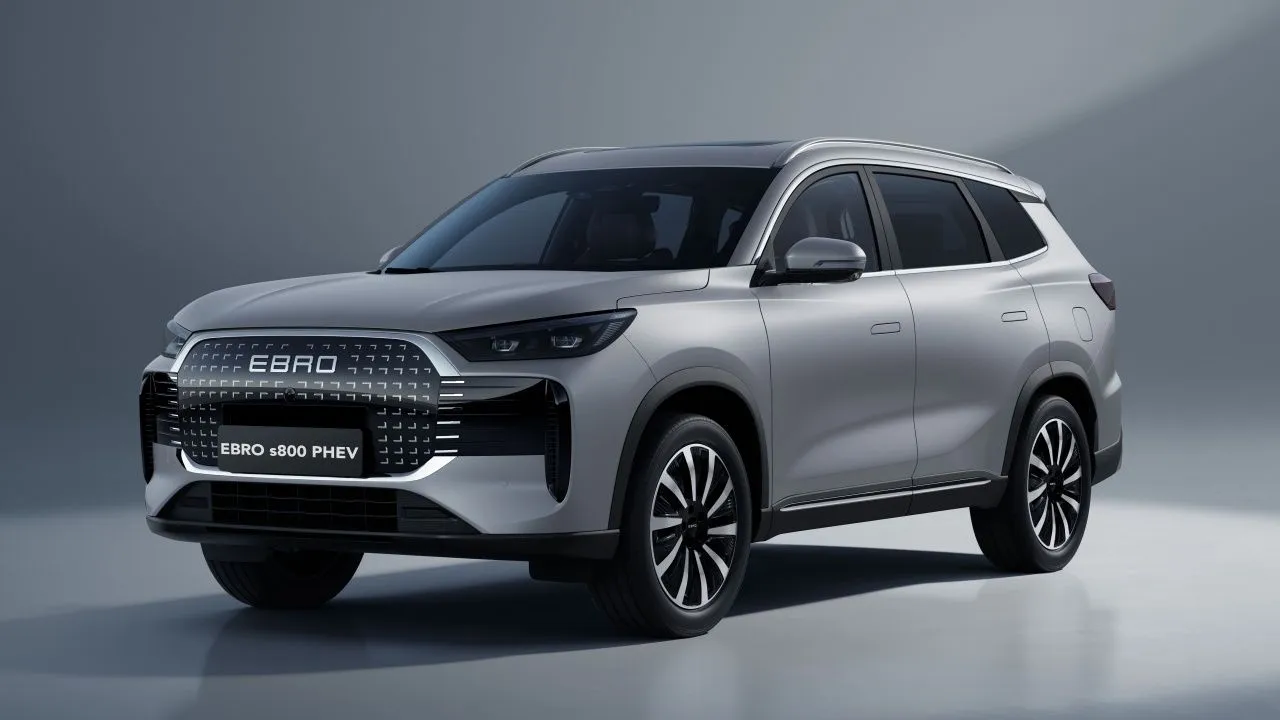
BYD is preparing its plant in Szeged, Hungary, while Chery is developing its manufacturing operations in Barcelona alongside Ebro. Changan has also expressed its intention to start European production in 2027, with Spain being the top candidate. Our country has become a hub for electric vehicles and is successfully attracting numerous projects related to them.
This situation mirrors what happened with tariffs on electric vehicles manufactured in China, which prompted manufacturers to focus more on hybrids and internal combustion engines, flooding our market. It also drove them to shift production within the EU. This new restriction could further reinforce that trend.
In any case, the 350,000-unit limit represents a significant change for Chinese brands that have relied on exporting hybrids from China to drive some of their growth in Europe. The way forward now is to adjust their business plans, explore new investments, and increase local production. For drivers, it will be crucial to see whether the agreement affects the availability and price of models that currently compete with European alternatives.