
Europe restricts the entry of Chinese hybrids
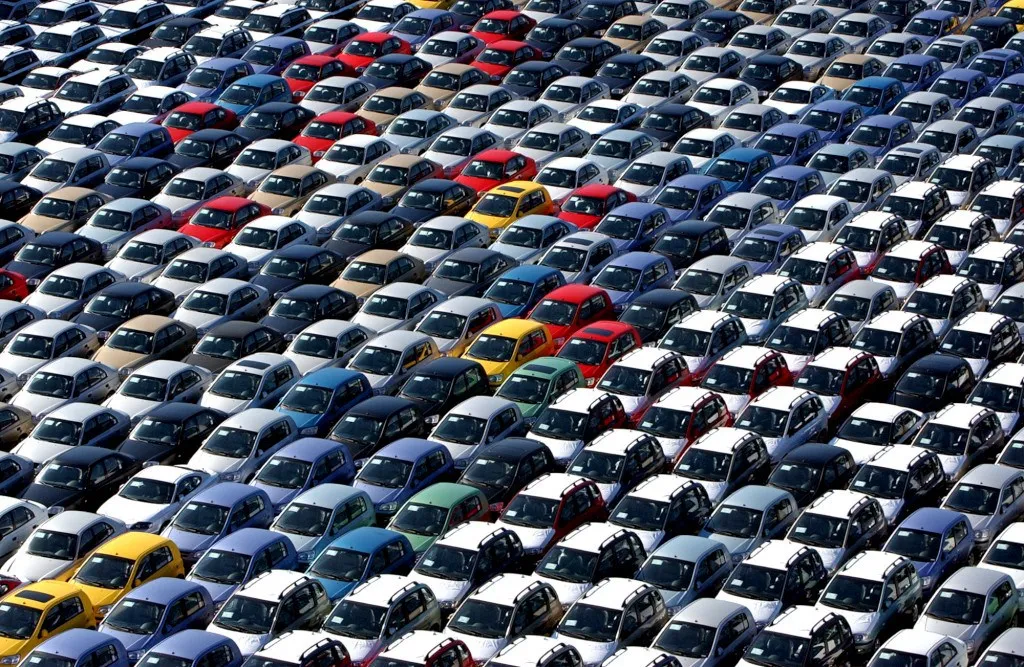
The European Union will restrict the import of hybrids from China, but the rules will also affect hybrids imported from other countries.
After imposing additional tariffs on electric cars manufactured in China, the European Union (EU) is preparing to extend commercial pressure to Chinese hybrids. Brussels has reached an agreement with Beijing to limit imports of these vehicles for four years. The concern is the rising sales of such vehicles in the European market.
According to Bloomberg, the mechanism is set to take effect on December 1 and will establish an initial limit of 350,000 hybrid cars imported per year, with that figure increasing by 6% annually.
The measure applies to both conventional hybrids and plug-in hybrids and will be in effect for four years.
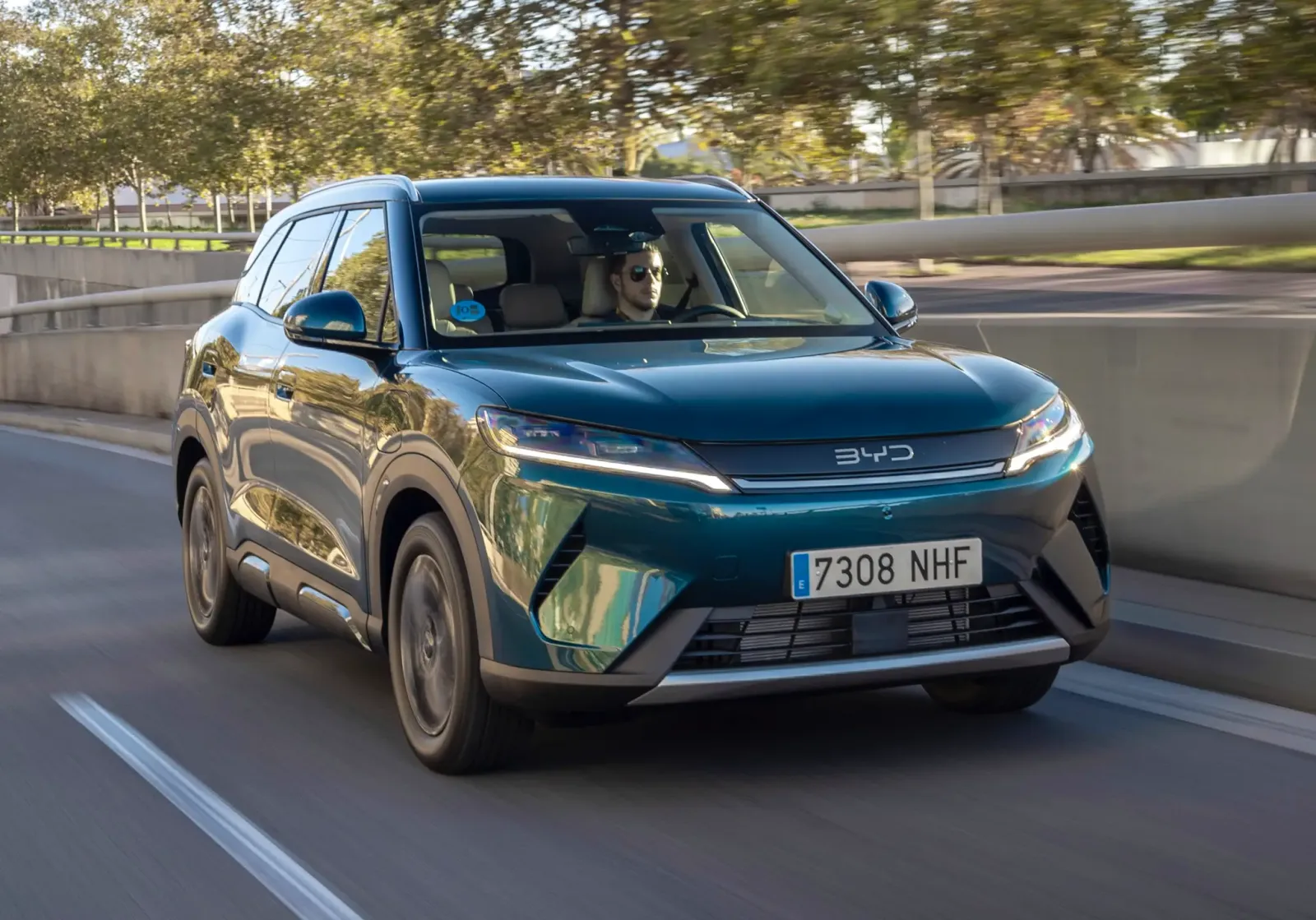
This new mechanism will, however, have to comply with the rules of the World Trade Organization (WTO). For this reason, the plan specifies that this limit should apply to all imports of hybrids regardless of their country of origin. In other words, hybrids imported from other countries will also be subject to quotas.
Moreover, although the focus is on Chinese hybrids, the quota allocated to China “will not be lower” than that of any other country exporting hybrid vehicles.
Balancing the «balance»
The agreement, however, does not stop there. Beijing is expected to eliminate tariffs on certain European automobile parts and cut customs duties on shoes and olive oil from the EU in half. The proposal will still be discussed at the European Council on October 15 and 16 before moving to the implementation phase.
On Friday, after meetings with Chinese Trade Minister Wang Wentao and Vice Premier He Lifeng, European Commission Trade Commissioner Maroš Šefčovič said the agreement would help prevent several million Chinese cars from entering the European market in the coming years. He did not reveal details of the negotiated mechanism.
ADVERTISING
Want a hybrid?
One of these used cars might be the vehicle you’re looking for.
Remember that last month, China opposed proposals of this kind, arguing that trade disputes should be resolved through dialogue on an equal footing.
Learn more:
China refuses to limit hybrid car sales in Europe
A dispute that goes beyond automobiles
The agreement comes amid growing tensions between Brussels and Beijing. The EU considers the annual trade deficit with China, at around 360 million euros, unsustainable and is worried about the impact of Chinese imports on European industry.
Beijing, on the other hand, rejects accusations that its exports result from unfair trade practices and criticizes what it views as European protectionist measures.
The proposal comes at a time when sales of Chinese hybrids in Europe have been growing rapidly. Currently, their market share is around 33%, and between January and July 2026, imports of hybrids manufactured in China will have exceeded 50,000 units. By the end of 2025, approximately 302,000 hybrids produced in China (conventional and plug-in) will have been imported into the European Union.
For context, in the first eight months of the year, the best-selling plug-in hybrids in Europe were the BYD Seal U, BYD Atto 2, and Jaecoo 7 (source: DataForce).