
Europe discovers too late why China makes cheaper electric cars
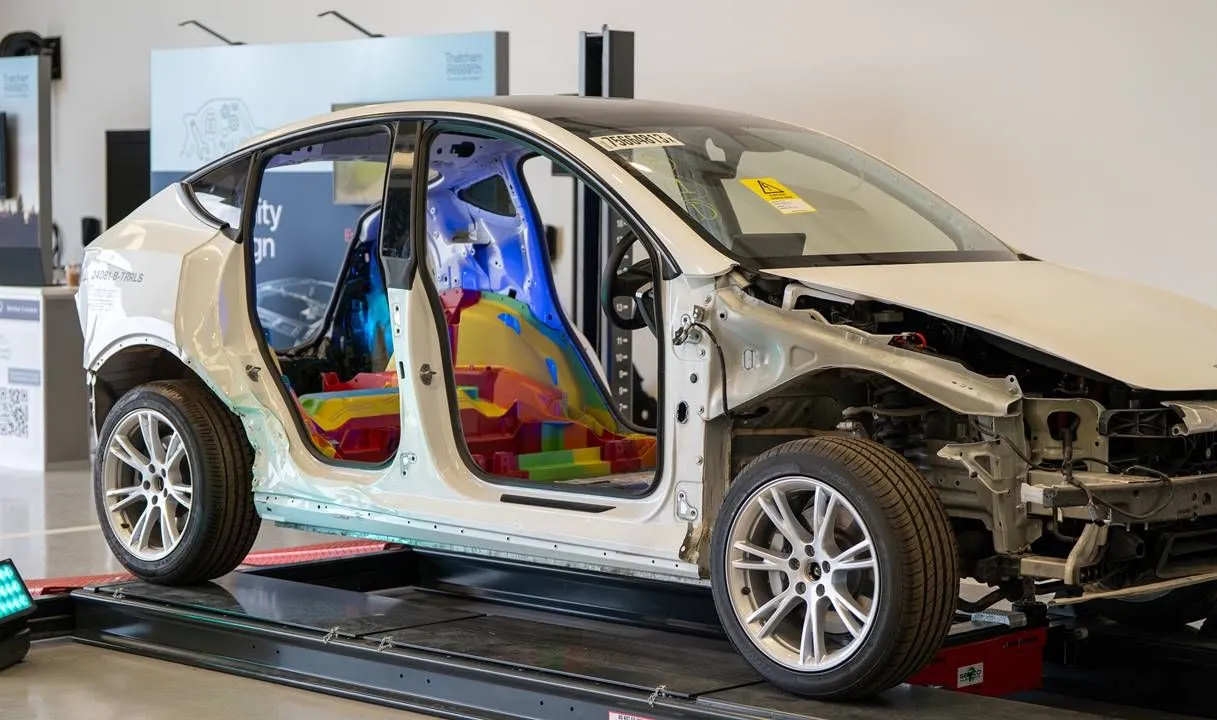
For years, when discussing the advantages of Chinese manufacturers over major European groups, the explanation seemed simple: lower labor costs, a closer supply chain, and privileged access to raw materials. But this explanation is starting to fall short. The real difference now lies increasingly in the way cars are built, and in this area China has been advancing for several years while much of the European industry continues to try to defend a manufacturing model designed for another era.
The problem for manufacturers like Volkswagen, BMW, or Mercedes isn’t just high wages or European bureaucracy; it’s also their delay in adopting manufacturing technologies that can drastically reduce the number of parts and processes needed to build a car.
Two concepts explain much of this revolution: Cell-to-Chassis integration and Gigacasting. These aren’t particularly eye-catching technologies when viewed from outside a car, but they offer something far more important for manufacturers: they enable cost reduction, simplify factories, and allow vehicles to be built with fewer components.
And here comes an issue that Europe is beginning to understand: competing with China isn’t just about manufacturing the same car at lower wages. It requires a different approach to production. In this race, Spain has emerged as an unexpected player.
Fewer parts, fewer welds, and a battery that’s part of the car
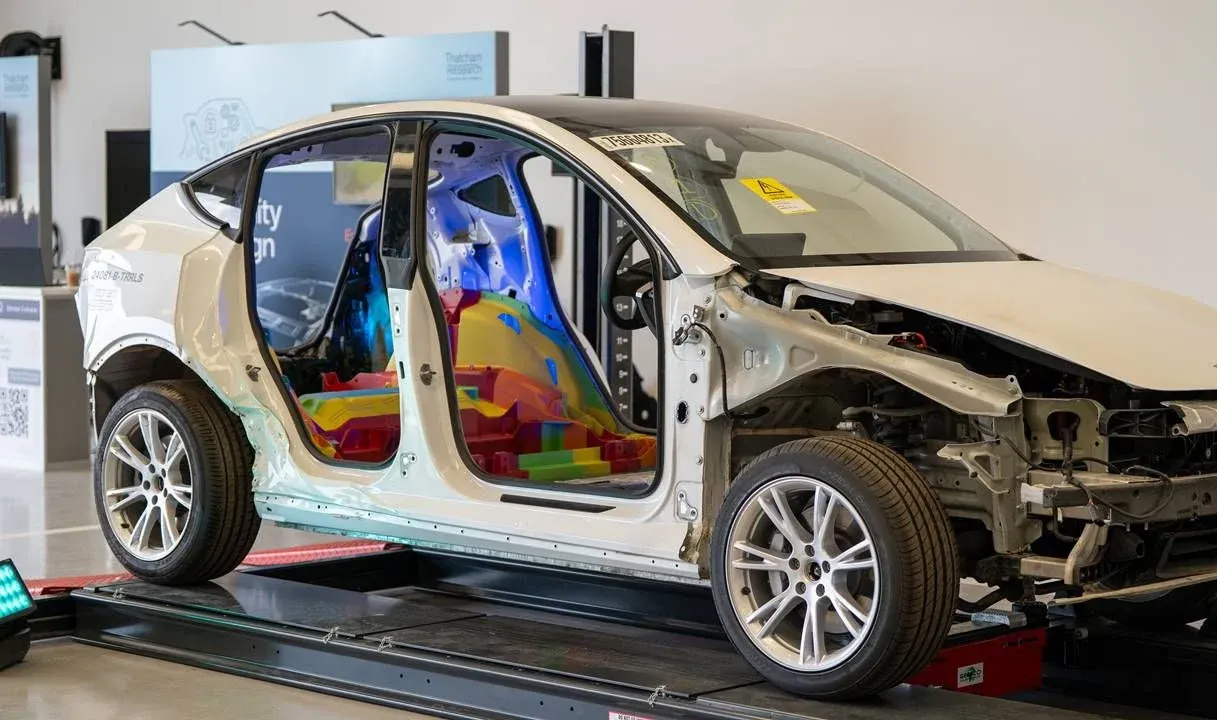
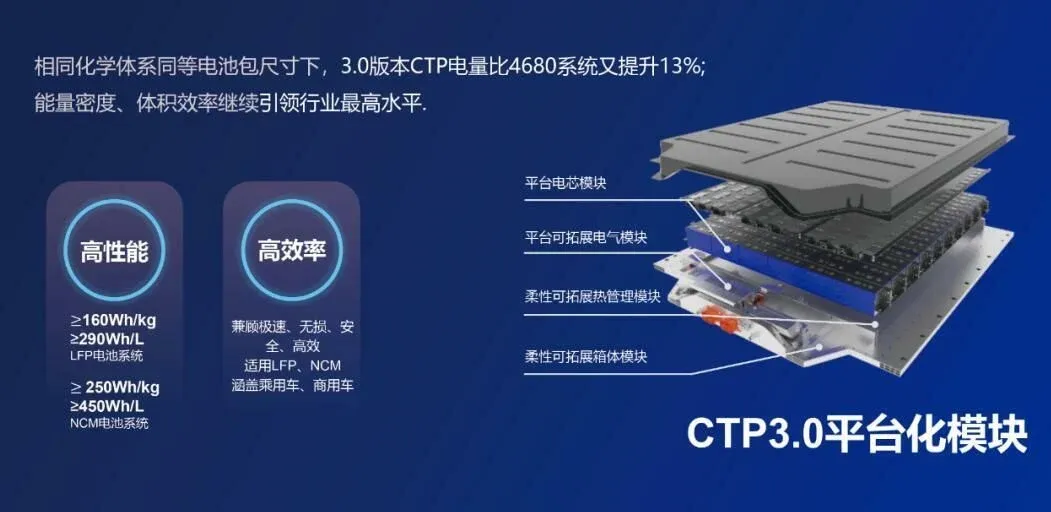
The Cell-to-Chassis philosophy represents a profound shift from the traditional architecture of electric cars. Instead of installing the battery as a separate component under the cabin, the battery pack itself becomes part of the vehicle’s structure. The traditional floor disappears, and the structure of the battery pack assumes a structural role.
The result is a more integrated design that is potentially much simpler. Leapmotor has been developing this solution for years, and the company claims its CTC technology integrates the battery, chassis, and body to reduce components and improve space utilization.
According to estimates from various experts, this single change alone could result in savings of between $1,200 and $1,800 per car, while also allowing for better utilization of space in the cells and reducing weight. The savings do not come from any specific trick but rather from eliminating components and processes that were previously necessary.
The second major advancement lies in the body structure. Gigacasting uses massive pressure die-casting machines to produce large sections as a single piece, whereas traditionally these required numerous individual components. Instead of joining dozens or even hundreds of parts through welding, a single aluminum piece can handle much of that work.
Current machines already achieve closing forces of thousands of tons. Bühler, one of Europe’s leading manufacturers of such equipment, offers systems with 9,000 tons of force, capable of shaping large aluminum structural components.
The industrial benefits are clear: fewer parts, less welding, fewer robots, and fewer operations. Various analyses indicate reductions of 30% to 50% in certain costs associated with body manufacturing, while Tesla estimates savings of around $1,500 per vehicle.
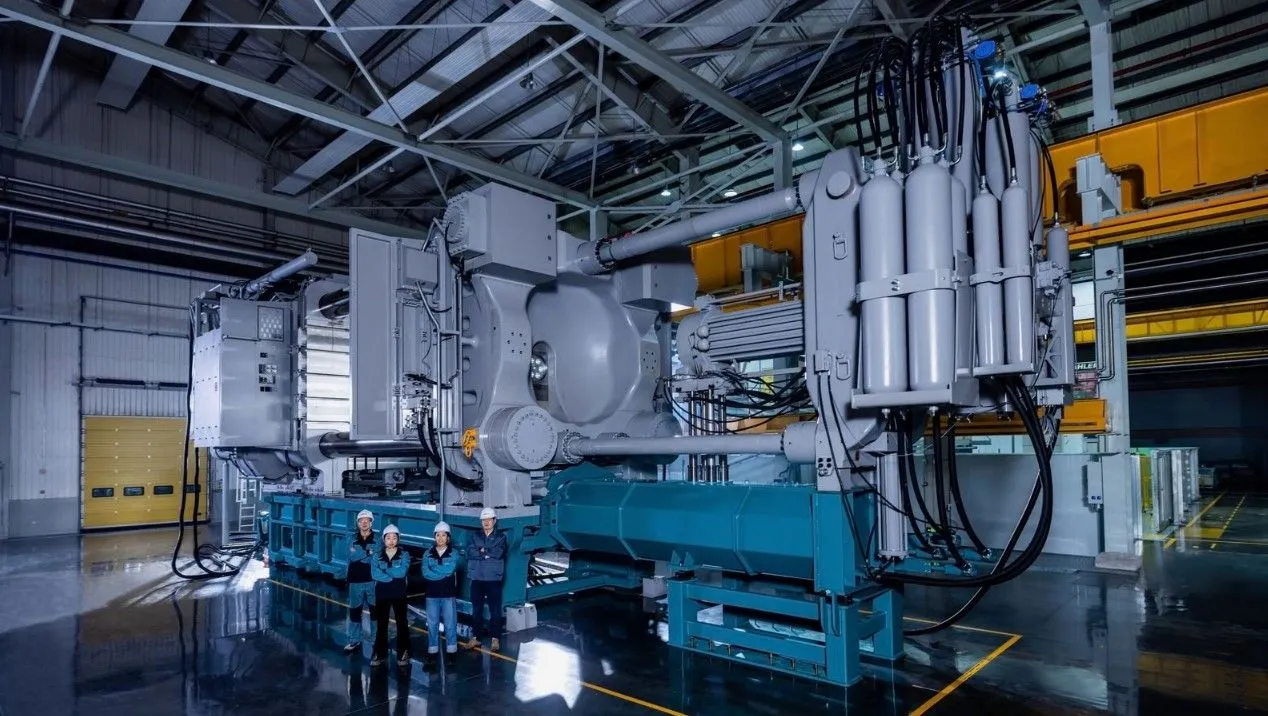
And here lies one of the most striking details in this entire story. The machines that make this revolution possible are not necessarily Chinese. Some of the leading manufacturers of such presses are European. Therefore, the problem was not a lack of available technology, but rather the decision not to adopt it quickly enough.
For years, some European manufacturers even questioned the usefulness of presses with enormous tonnage. Meanwhile, companies like BYD, Chery, Xiaomi, Xpeng, Nio, and Leapmotor incorporated these solutions into their production processes. Geely is also introducing them to its brands, including Volvo. The Volvo EX60, for example, represents the company’s new generation of electric vehicles and is already in production for Europe.
There is also an important discussion surrounding repairability. A structurally integrated battery can raise doubts when considering repairs after an accident, but the problem is not necessarily the Cell-to-Chassis architecture itself. The possibility of repairing a battery depends on how it is designed internally and which components can be replaced.
In other words, Cell-to-Chassis does not necessarily mean that a car is disposable after an impact. There are conventional batteries whose repair is also not feasible when the cells are glued together, encapsulated, or integrated in a certain way. The structural architecture alters the vehicle, but it does not alone determine the repairability of all its components.
The same is true for Gigacasting. A damaged large aluminum structural component may not be cost-effective to repair after a major accident. But a conventional bodyshell also doesn’t necessarily prevent total damage when essential structural elements are deformed. Therefore, the debate is much more complex than simply saying one technology is repairable and the other isn’t.
The direction the industry is taking does seem quite clear, however. Volkswagen has already taken steps to incorporate large casting presses into its industrial strategy, while Chinese manufacturers have been using them in production for some time. Most importantly, Europe doesn’t need to invent these technologies—it needs to learn how to use them on a large scale.
And here, Spain may have an opportunity that Germany shouldn’t ignore
The transformation is not happening only in China. It is beginning to spread to Europe, with Spain occupying a particularly interesting position. The best example can be found in Zaragoza, where Stellantis and Leapmotor have announced an expansion of their partnership to manufacture the Leapmotor B10 and a new electric SUV from Opel in Figueruelas. The future Opel model will also use components from Leapmotor’s industrial ecosystem to reduce costs.
This is no trivial matter. Spain is not merely becoming a market for Chinese cars: it is starting to become part of their European industrial chain.
In June 2026, Leapmotor International also opened a battery workshop in Mallén, near Zaragoza, focused on assembling modules and handling processes related to electric vehicle production. Just a few months later, Fagor Ederlan and the Chinese company Duoli Technology began manufacturing components in Borja, initially for Leapmotor models that would later be assembled in Figueruelas. The facility is equipped with 138 robots and has an initial capacity of 40,000 chassis per year.
It is precisely here that industry transformation can work in Spain’s favor. The country already boasts a strong industrial tradition, suppliers, factories, skilled workers, and a favorable logistical position within Europe. If Chinese technology, investment, and new manufacturing methods are added to this infrastructure, the outcome need not be the replacement of Spain’s industry but rather its transformation.
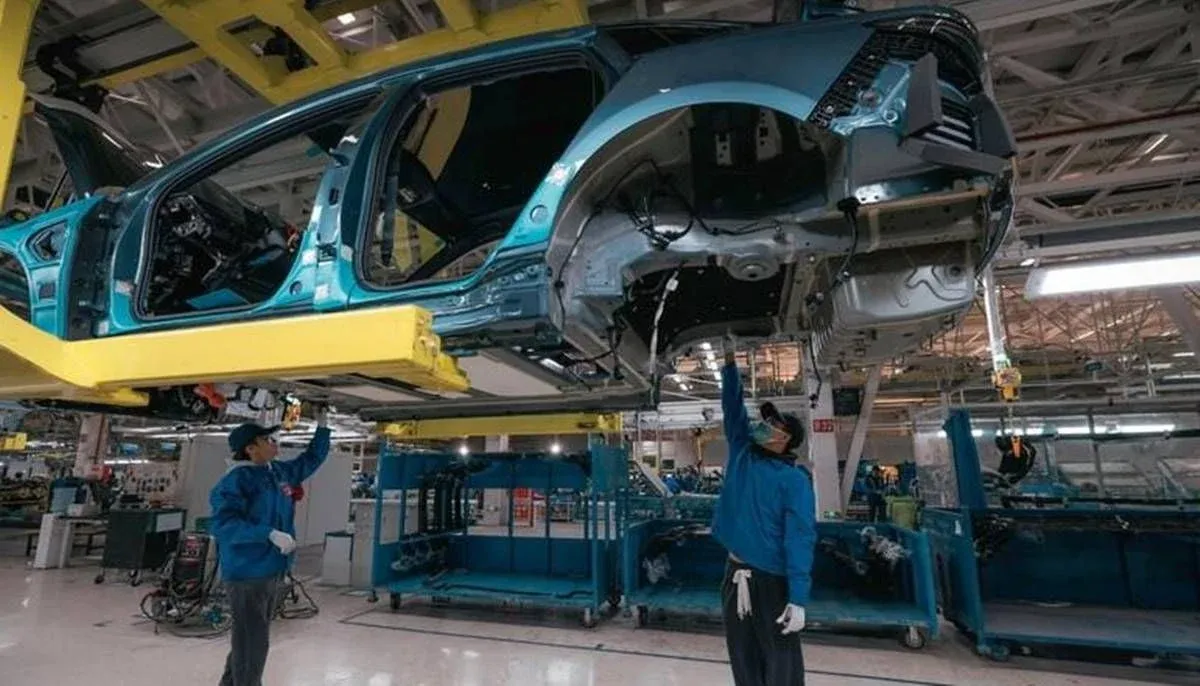
The movement also reaches Madrid. Stellantis has announced its intention to assign future Leapmotor products to the Villaverde plant, with several models destined for European and global markets under European manufacturing standards.
The business landscape is further reinforcing this trend. Chinese brands already account for a significant portion of electric vehicle registrations in Spain. From January to September 2026, they accounted for 37.9% of sales in this segment, with 82,405 units sold—a figure that illustrates how rapidly the Spanish market is changing.
Spain can therefore benefit from a seemingly paradoxical situation. Chinese manufacturers are forcing Europe to change, but part of that change may end up generating investment, jobs, and production right within Spanish territory.
The comparison of the new BMW iX3 is revealing. BMW sells the iX3 50 xDrive in Germany for 70,900 euros, while in China the new iX3 starts at 269,900 yuan, which is about 34,500 euros. They are not identical cars, and there are significant differences between the versions, so it would be incorrect to speak of a direct comparison. However, for the price of one in Europe, you could buy two in China—one for weekdays and another for weekends.
And this pressure won’t go away just because Europe raises tariffs or because manufacturers try to cut wages. The real challenge lies within the factories. If a manufacturer needs thousands more welds, hundreds of additional parts, and longer production processes to make an equivalent car, they are at a competitive disadvantage even before starting to sell it.
The good news for Spain is that the transformation is already underway. Zaragoza is adopting Chinese technology and suppliers, Madrid could welcome new Leapmotor models, and other Spanish plants are entering new supply chains related to electric vehicles.
Perhaps that is one of the great ironies of this transition. While Germany debates how to regain competitiveness and some of its major manufacturers realize that certain technological decisions were made too late, Spain could become one of Europe’s testing grounds for the new way of manufacturing cars on a large scale.
China isn’t winning just because it produces cheaper. It’s winning because it has been redesigning the entire process for years. And if Spain manages to capitalize on this transformation by not settling for being just a simple assembly site, the shift in the industry could turn out to be a much greater opportunity than it seems.
