
The EU and China have agreed on export restrictions for hybrid vehicles
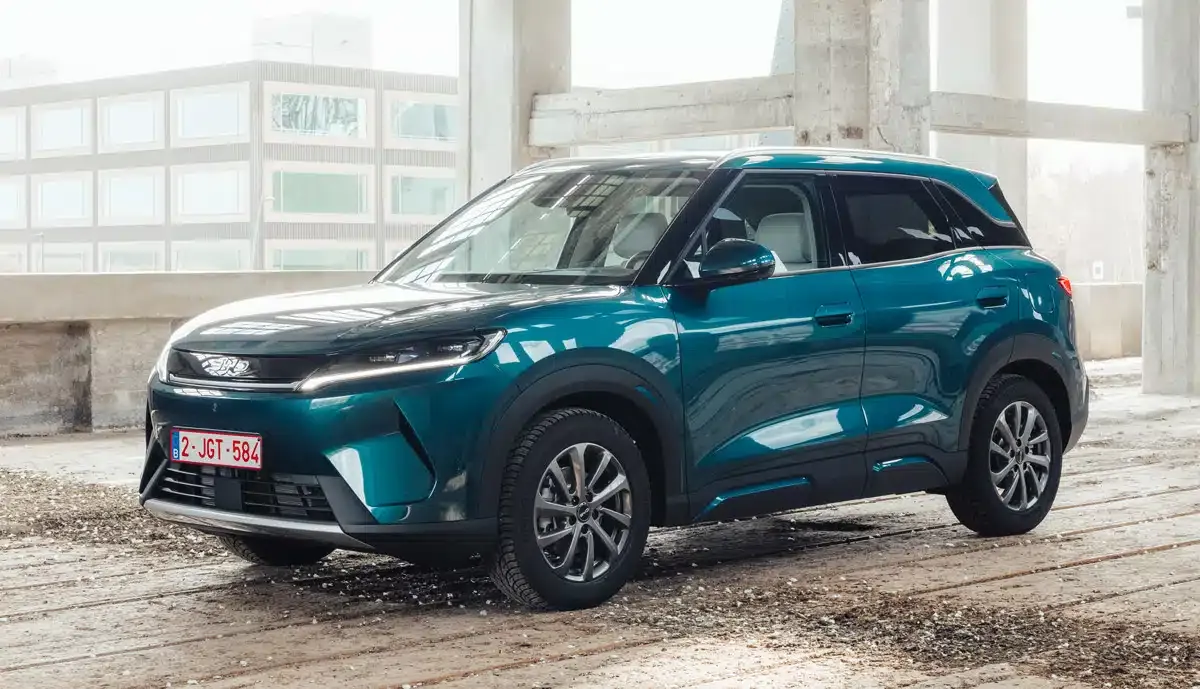
Image: BYD
The European Union and China have agreed to limit Chinese exports of hybrid and plug-in hybrid vehicles to Europe. Following talks in Beijing, EU Trade Commissioner Maroš Šefčovič said that deliveries could drop by more than 50 percent over a four-year period compared to previous forecasts.
According to the EU commissioner, the agreement would prevent the export of several million vehicles that could otherwise enter the European market without appropriate measures. The deal still requires political approval at the EU level. Details on its practical implementation have not been made public yet.
The agreement was reached during talks between Šefčovič and China’s Trade Minister Wang Wentao. Both sides agreed to regulate trade in hybrid vehicles in line with World Trade Organization (WTO) rules. The EU commissioner described restricting vehicle exports as part of a broader reorganization of trade relations. Šefčovič announced that he would first present the negotiation results to European decision-makers for approval.
Chinese Hybrid Cars Gaining Market Share in Europe
This trend is driven by a sharp increase in Chinese imports of partially electric vehicles to Europe. According to the European Automobile Manufacturers Association ACEA, brands from the People’s Republic held a 14 percent market share in hybrid vehicles and 25 percent in plug-in hybrids in the first half of 2026. In 2024, their shares in both categories were only two percent each. ACEA welcomed the progress while highlighting the risks posed by soaring imports to European manufacturers.
Since October 2024, the EU has imposed additional countervailing duties on purely battery-electric vehicles produced in China. Partially electric vehicles were not covered by the previous anti-subsidy investigation and therefore are not subject to these vehicle-specific additional duties. The now-agreed export restrictions aim to regulate trade in these types of vehicles separately. Meanwhile, Brussels and Beijing intend to continue their talks on minimum import prices and inspection procedures for fully electric vehicles.
"A strong and sudden destabilization of the market in Europe, coupled with price wars that reflect the current market situation in China, could have extremely disruptive effects on the entire European economy," says Sigrid de Vries, CEO of ACEA. "Today’s announcement can help facilitate a smooth transition into a new era of Chinese presence in the European market, which is in the long-term interest of all parties involved."
The agreement on hybrid vehicles is part of a broader trade policy package. China and the EU also aim to improve access for European products to the Chinese market and streamline approval processes for exports of rare earths and permanent magnets.
Also interesting
About the author
Thomas Langenbucher is an expert in electromobility with professional experience in the automotive industry and finance sector. Since 2011, he has been covering electric vehicles, sustainable technologies, and mobility solutions for ecomento.de. Learn more.
Reader interactions