
EU Battery Rules: Automotive Industry Demands Longer Timelines
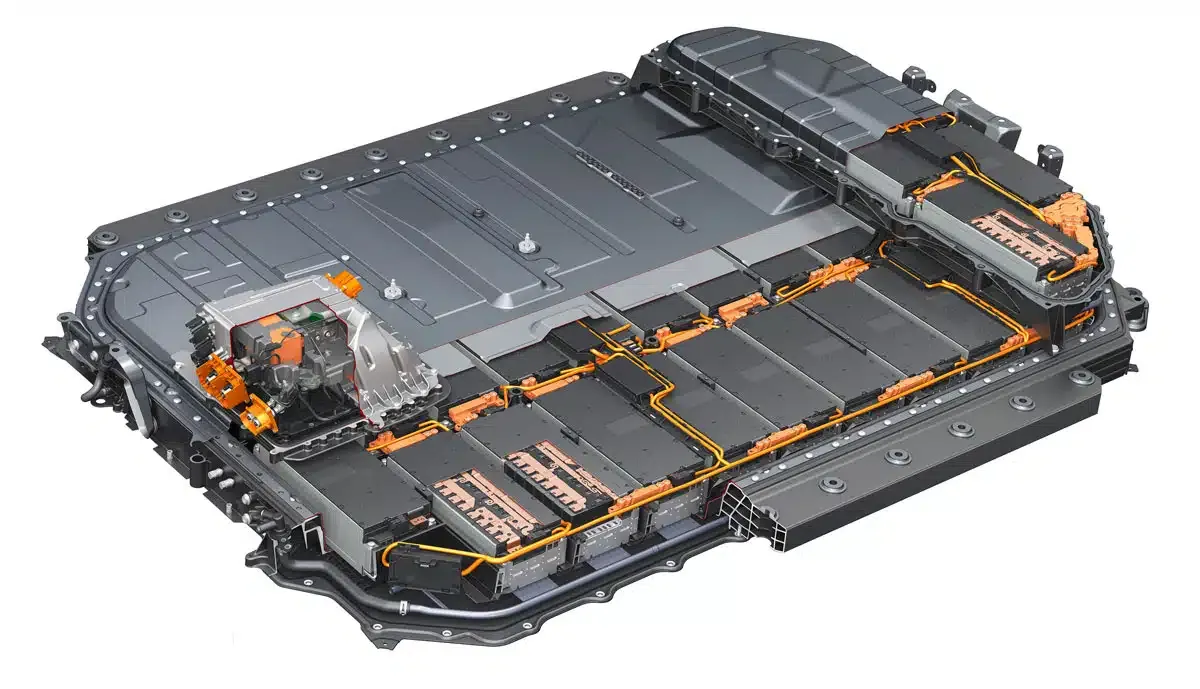
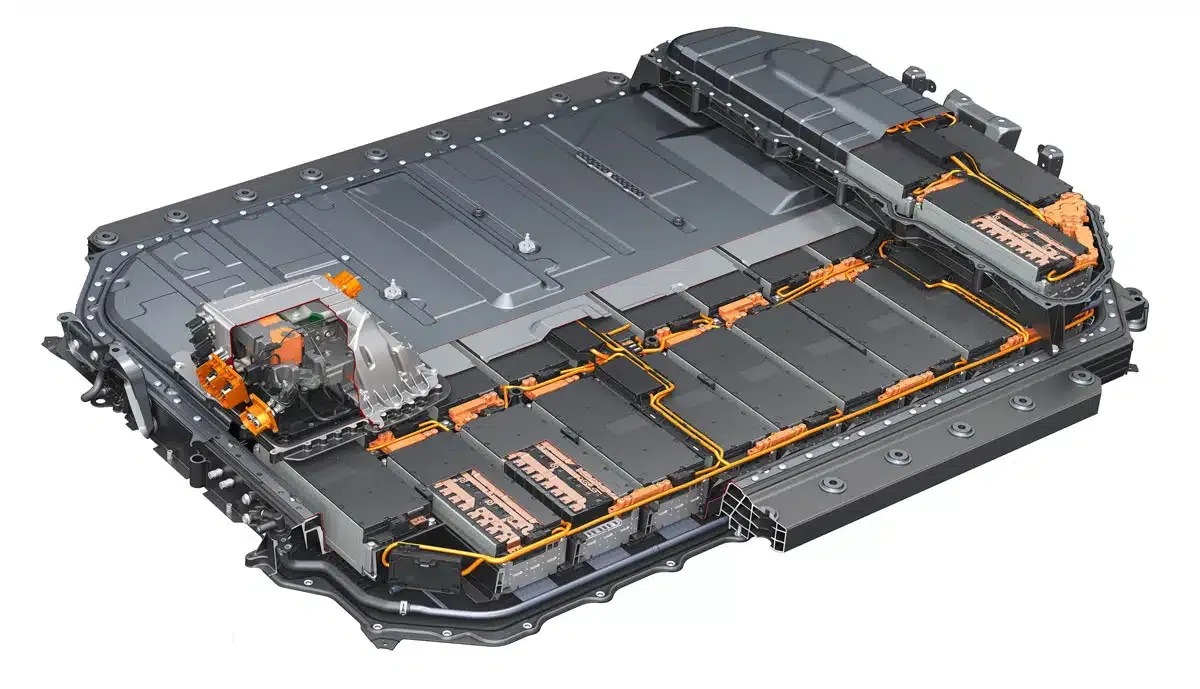
Image: Audi (illustrative)
European automakers are calling for longer transition periods for the planned localization requirements regarding batteries under the Industrial Accelerator Act (IAA). The European manufacturers’ association ACEA generally supports the goal of strengthening the industrial base and battery value chain in the EU. However, lobbyists consider the timeline proposed by the European Commission to be too ambitious.
According to the legislative proposal submitted on March 4, 2026, “Made in EU” and CO₂-related criteria are set to apply in areas such as public procurement and government funding programs in strategic sectors, including the automotive and battery industries.
The proposal calls for a phased localization of power batteries. According to ACEA, at least three key battery components, including the battery cells, must originate from the EU six months after the regulation takes effect. Three years later, this requirement would be extended to five components, including battery cells, battery management systems, and cathode active materials.
ACEA advocates applying the first phase three years after implementation and delaying the second phase until five years later. The association also calls for separate treatment for heavy commercial vehicles and buses.
To justify this, ACEA points to the long lead times required to build new battery factories. According to the association, it can take nearly a decade from announcement to full production. A project announced today might not reach full industrial capacity until 2035, even without delays.
A study commissioned by ACEA also predicts that European cell production will rise to 306 GWh by 2032, but still fall short of demand under the planned IAA deadlines. If these rules take effect in 2028, around three million vehicles could fail to meet the “Made in EU” criteria for subsidy programs due to a lack of European battery capacity.
According to the investigation, potential bottlenecks exist not only in cell production but also in earlier stages of the value chain. ACEA further points out that higher energy and investment costs, approval processes, and access to critical raw materials are obstacles to rapid capacity expansion. The association therefore warns against equating announced factory capacities with actual available mass production.
The Commission aims through the Industrial Accelerator Act to increase demand for low-emission technologies and products manufactured in Europe and to build additional production capacity in strategic industries. The IAA is currently presented as a legislative proposal, so the specific requirements and deadlines have not yet been finalized.
Also interesting
About the author
Thomas Langenbucher is an expert in electromobility with professional experience in the automotive industry and finance sector. Since 2011, he has been covering electric vehicles, sustainable technologies, and mobility solutions for ecomento.de. Learn more.
Reader interactions
