
This electric Toyota RAV4 only came about thanks to Tesla
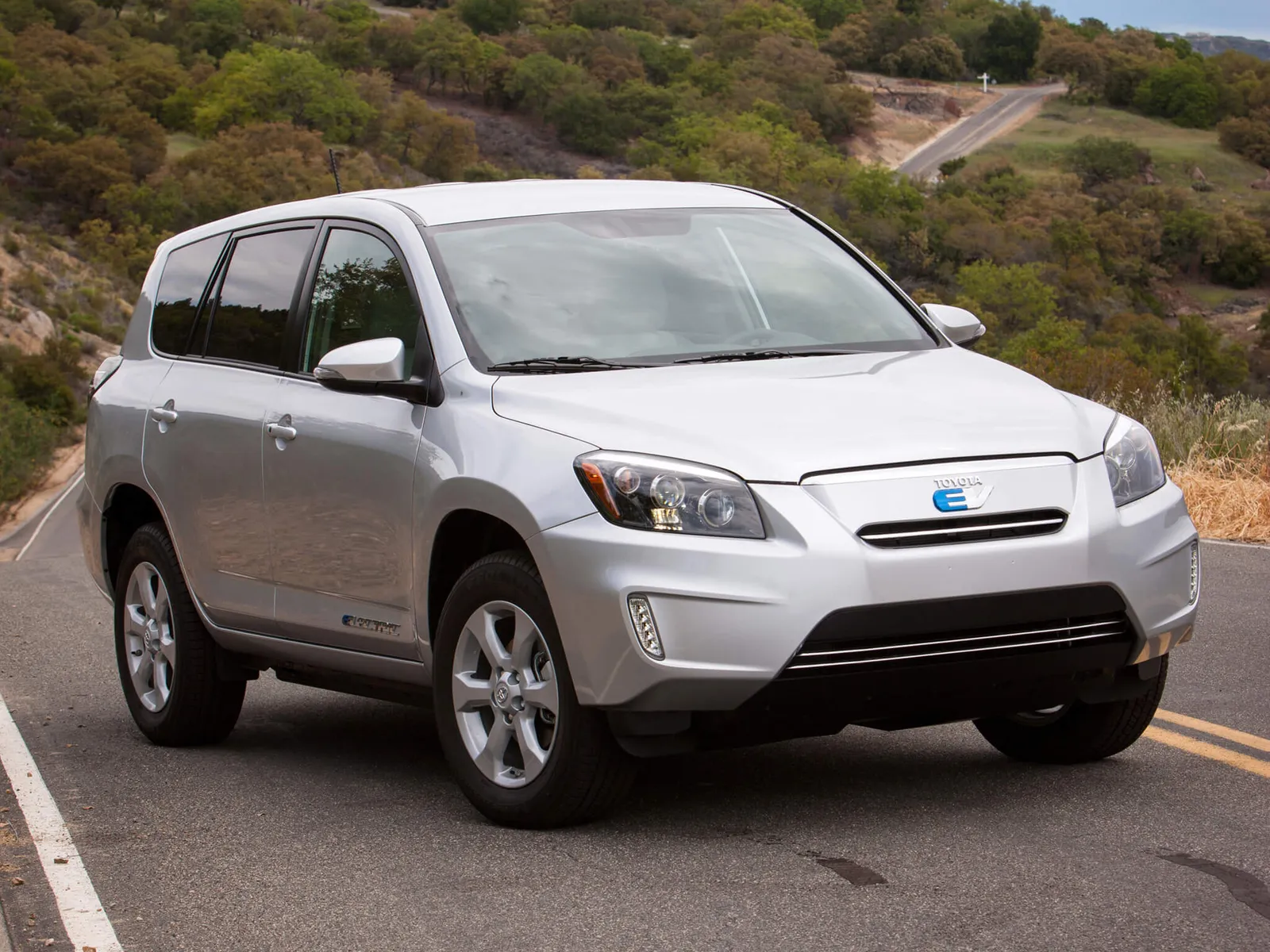
Toyota was once an investor in Tesla, and this partnership gave rise to one of the most unique RAV4s ever created.
Before becoming a leader in electric vehicles, Tesla received investment from two giants of the global automotive industry: Mercedes-Benz (then Daimler) and Toyota. The relationship with these two manufacturers deepened to the point where it led to the development of two models, one of which became one of the most unique RAV4s ever made.
On the outside, it appeared to be a regular RAV4, but beneath its bodyshell lay an electric system developed by the American brand, including an engine, battery, inverter, charging system, and software.
Toyota as a Tesla shareholder
But the story of this electric RAV4 begins much earlier, in 2010, when Toyota and Tesla announced a partnership to collaborate on the development of electric vehicles, components, and production processes.
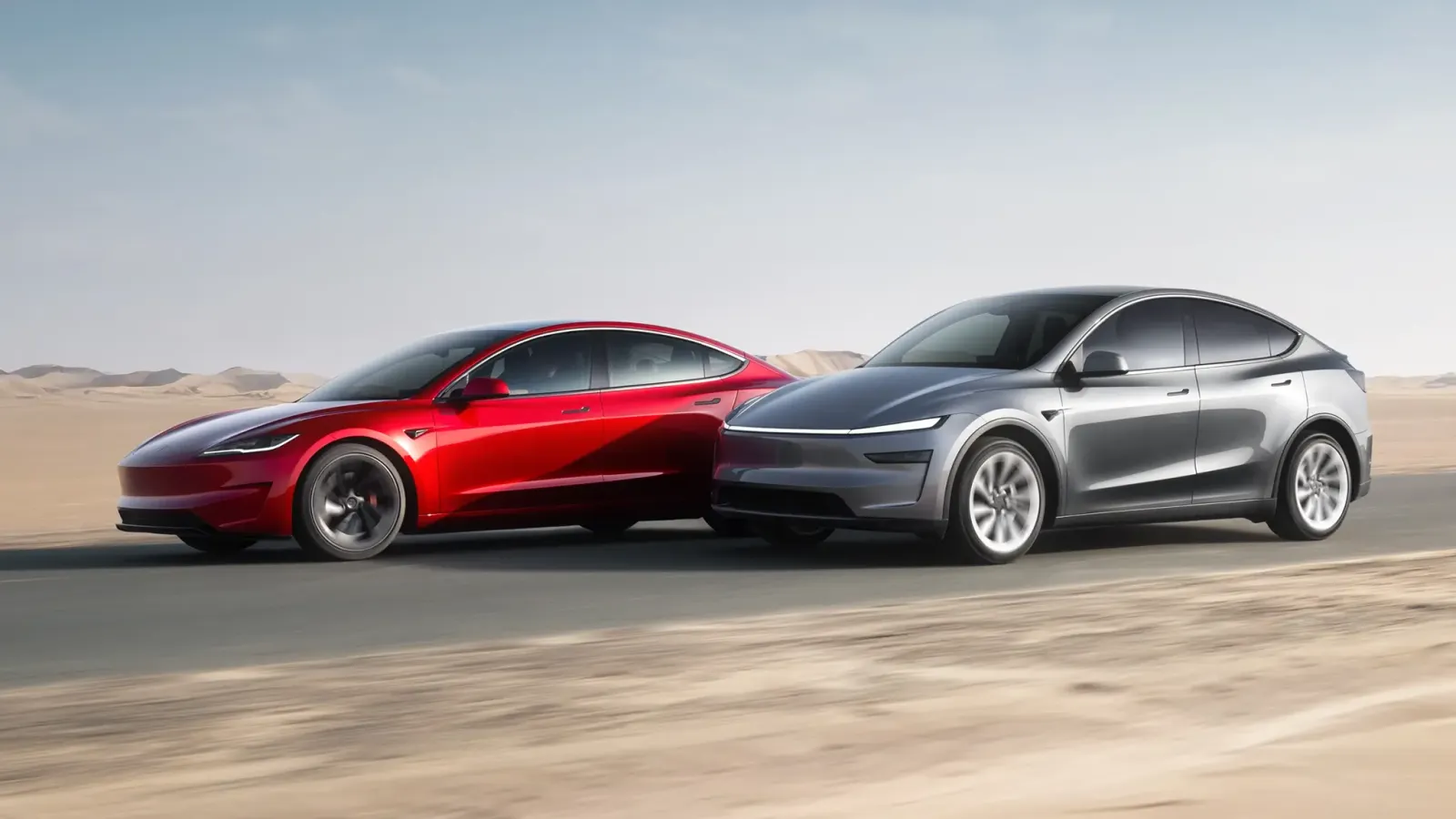
At the same time, Toyota committed to investing $50 million in Tesla, acquiring a stake in the American manufacturer just before its IPO.
The relationship went beyond money. Toyota was leaving its old NUMMI factory (a joint venture between Toyota and General Motors) in Fremont, California, which was later acquired by Tesla. It is there that the company now produces the Model 3, Model Y, and Optimus, the humanoid robot, with sales set to begin in the coming years.
For years, the two brands were connected both financially and industrially, and it was from this relationship that the first electric RAV4 emerged, which was presented—as a prototype—at the 2010 Los Angeles Auto Show.
Prototype completed in three weeks
The RAV4 EV project progressed at an unusually fast pace for the automotive industry. According to reports from that time, the first prototype was completed just three weeks after the development agreement was signed, with initial testing beginning in July 2010.
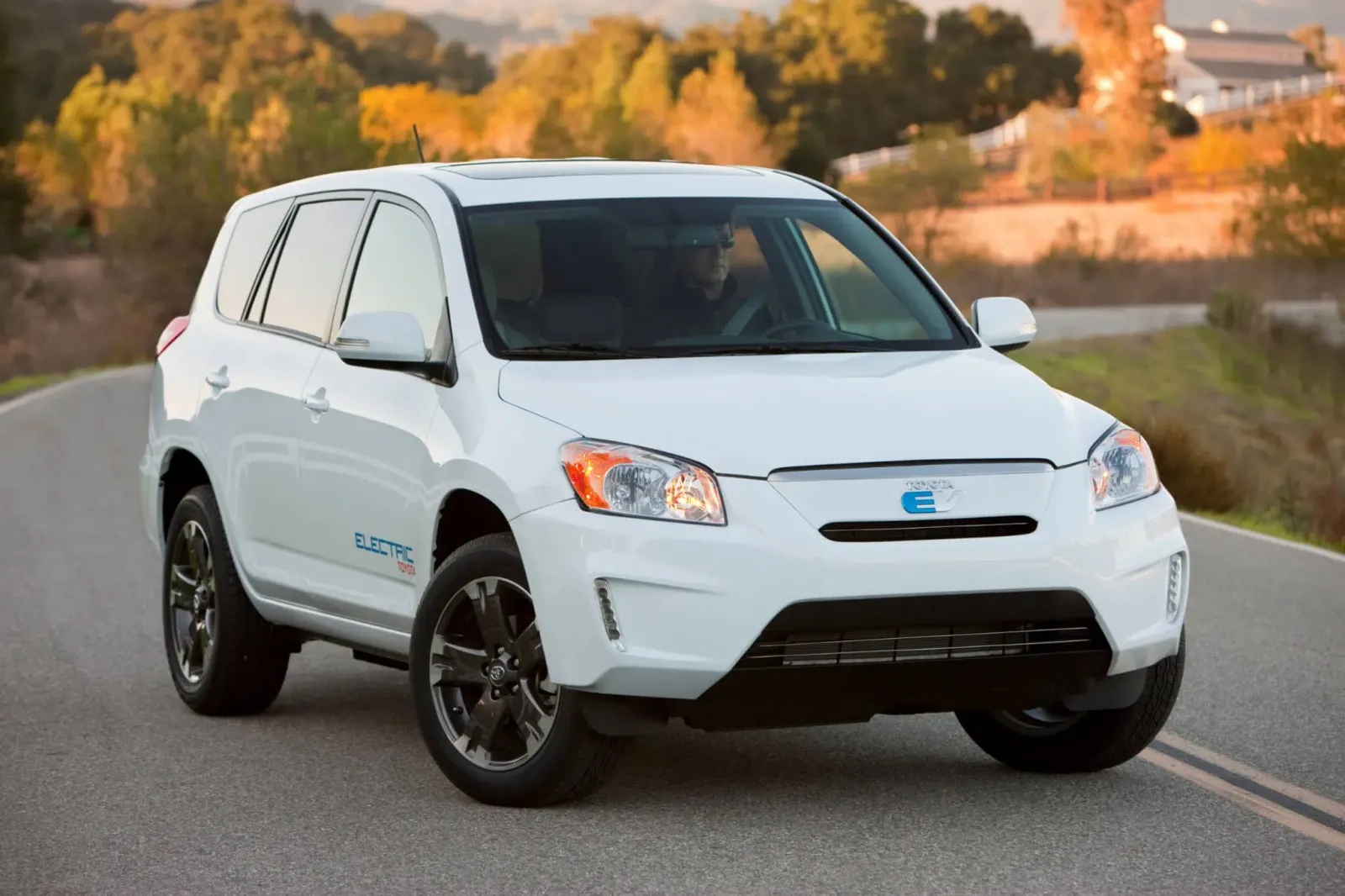
In November of the same year, Toyota and Tesla displayed a prototype at the Los Angeles Auto Show, soon after moving on to build 35 demonstration units that were used over the following year to develop the version that would eventually reach the market.
The initial prototypes used components derived from the original Tesla Roadster, but the project progressed rapidly. In July 2011, the two brands signed a formal agreement for the supply of a complete electric propulsion system, consisting of a battery, charging system, inverter, electric motor, transmission, and related software.
From there, Toyota provided the RAV4 as a base vehicle, while Tesla committed to supplying all the necessary technology to transform it into a 100% electric car.
The production version was not introduced until 2012 and came equipped with an electric motor producing 115 kW, or about 156 horsepower, powered by a battery with a useful capacity of 41.8 kWh mounted under the cabin floor, giving it a weight of around 380 kg.
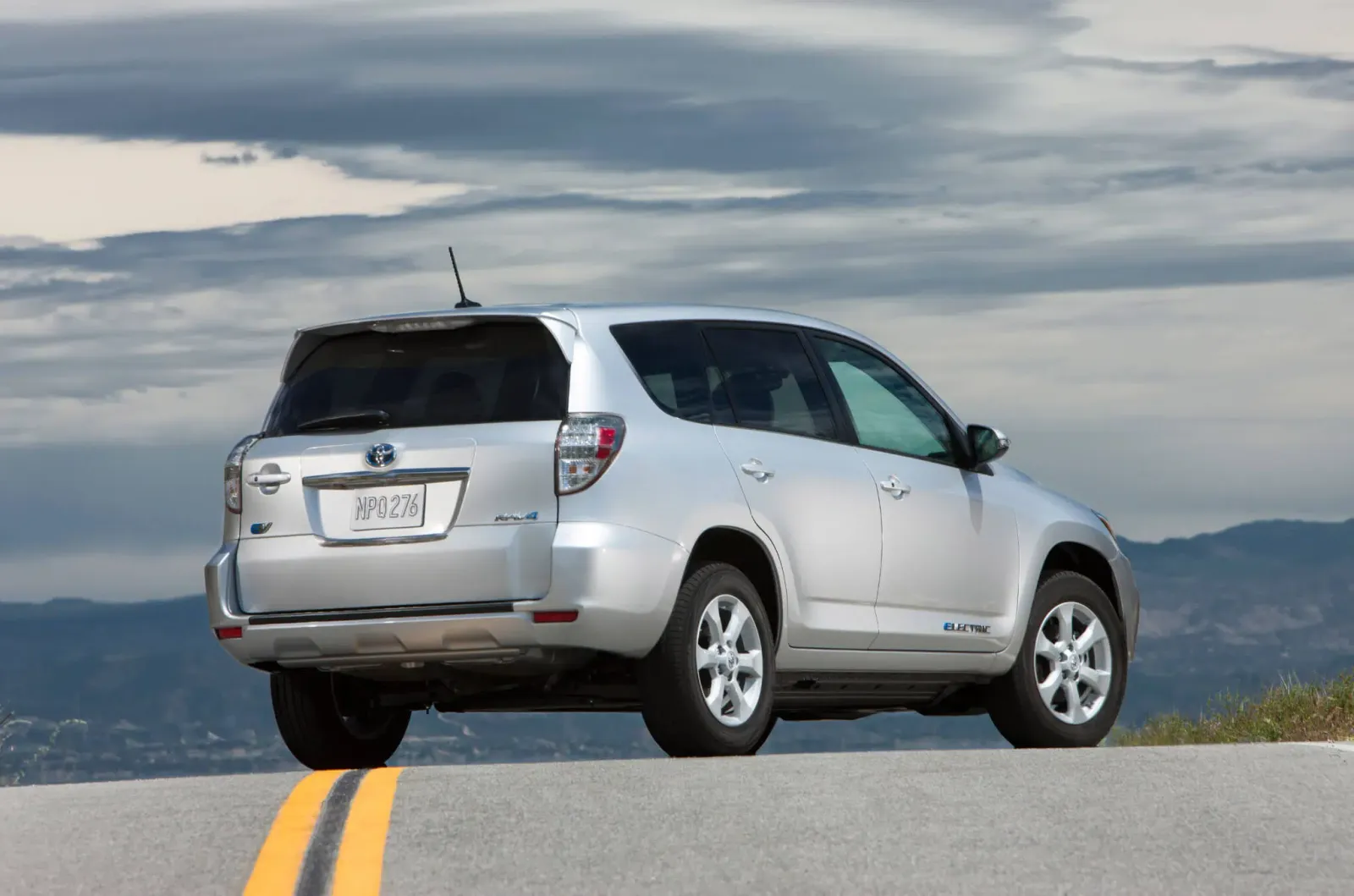
It had two distinct driving modes: in Normal mode, the RAV4 EV’s maximum torque was around 296 Nm with a top speed limited to 137 km/h. In Sport mode, torque increased to 370 Nm, the top speed reached 160 km/h, and acceleration from 0 to 96 km/h took about seven seconds.
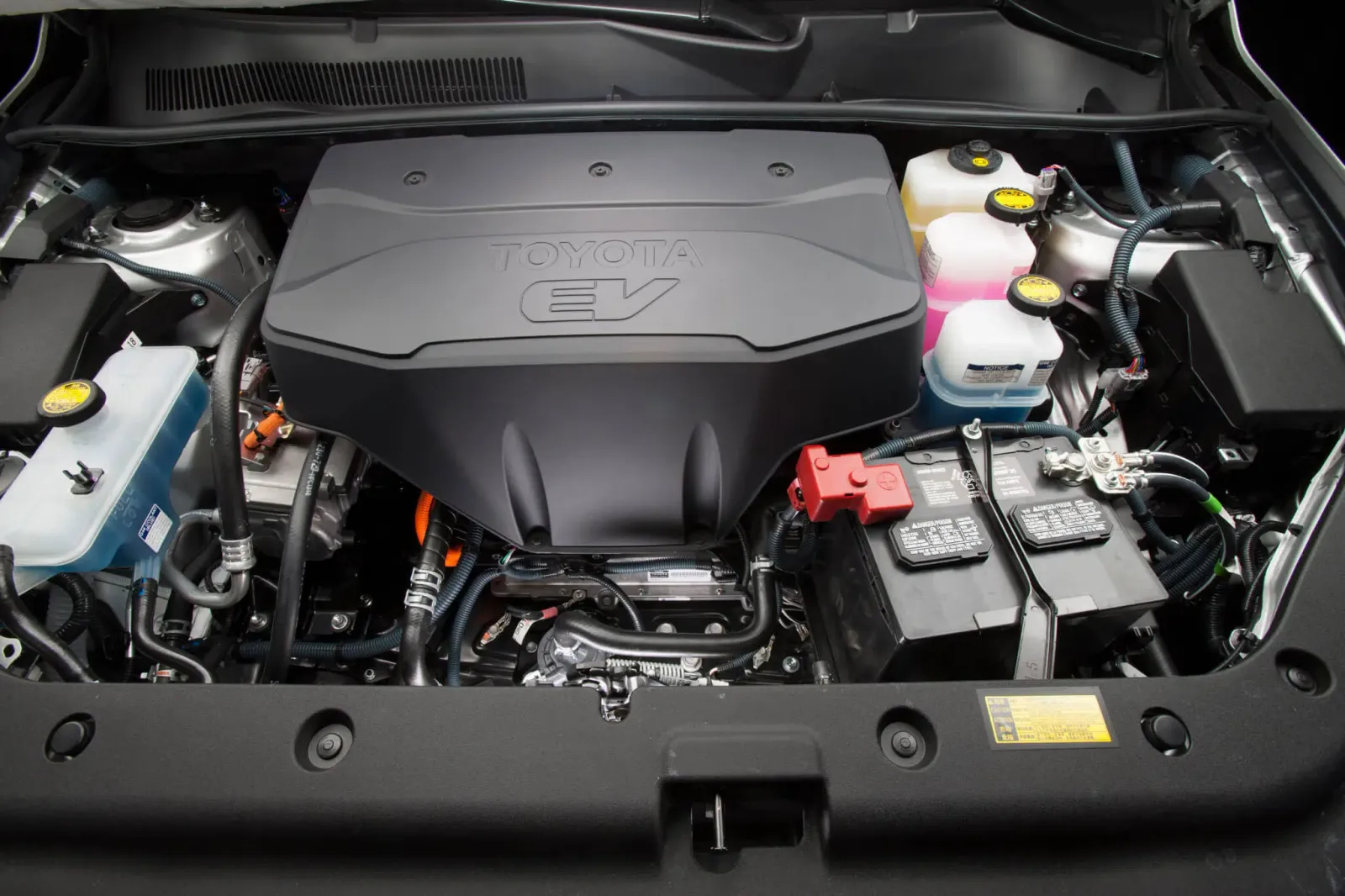
Regarding range, Toyota claimed approximately 166 kilometers according to the U.S. EPA testing cycle, with a full charge taking six hours at 240 V/40 A.
Production began in 2012
Production started in 2012 at Toyota’s factory in Woodstock, Canada, where the RAV4 EV was assembled alongside its gasoline versions. The electric powertrain system, on the other hand, was manufactured by Tesla in Fremont and then shipped to Canada.
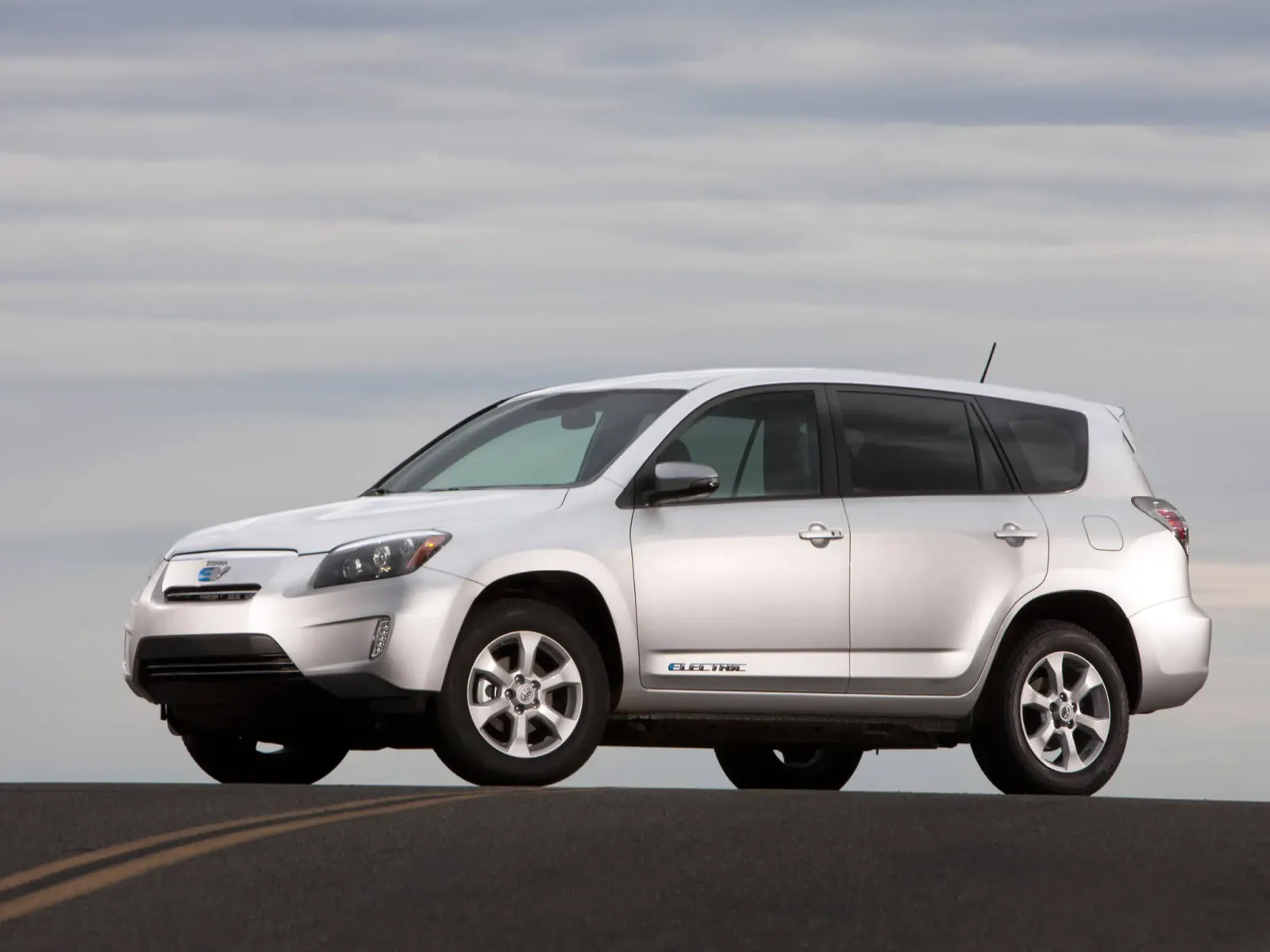
As expected, this Toyota RAV4 EV was never intended to achieve high sales volumes, partly because it wasn’t particularly affordable: in the United States, it cost $49,800 (about 44,400 euros). Toyota’s goal was to sell around 2,600 units over three years, mainly in California.
And that target was almost met. By the time production of this model ended in 2014, roughly 2,500 units had been built. Interestingly, the end of this project coincided with a gradual distancing between the two companies, as Toyota began reducing its stake in Tesla that same year and sold off the remaining shares by the end of 2016.
