
This Opel Astra has a German engine and PHEV technology.
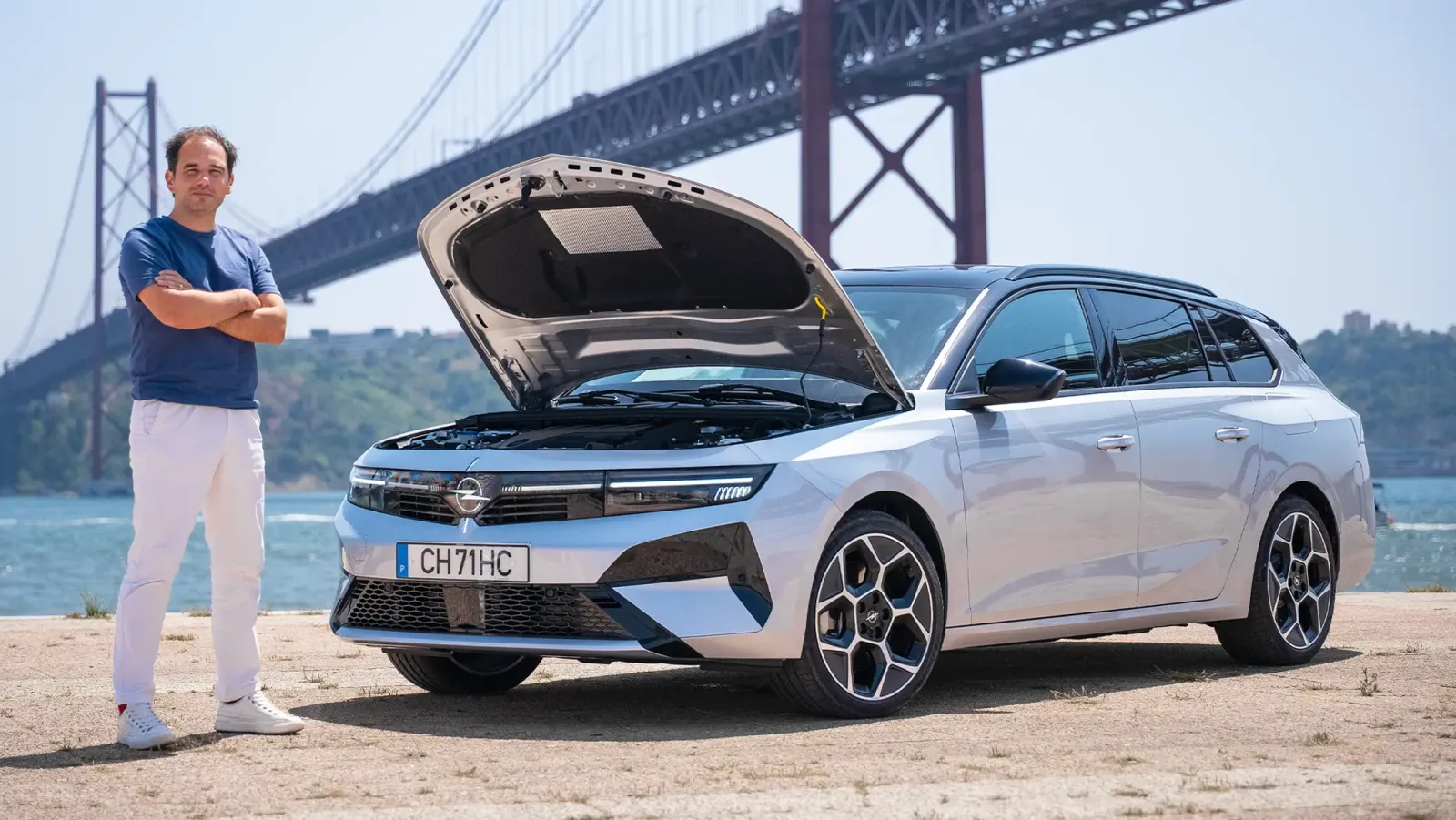
The Opel Astra Sports Tourer plug-in hybrid can travel up to 82 km on electric power, but it also offers other options: electric, 48 V hybrid, and diesel.
“From Germany with love” could be one of the messages from Opel’s engineers for this Astra Sports Tourer. The turbocharged four-cylinder engine in this plug-in hybrid version (shown in the images) was developed by Opel’s engineering division in Rüsselsheim.
This engine works together with another electric motor to propel the vehicle without using fuel, reaching speeds of up to 140 km/h. With a fully charged battery, there’s enough range to cover many trips between home and work entirely in electric mode.
In this buying guide, we drive the Hybrid Plug-in version of the Astra Sports Tourer and cover the key aspects of the entire range: engines, prices, space, comfort, and equipment.
A technology that deserves attention from those looking for a family van with enough space for regular loading, yet who don’t want to give up a combustion engine for longer trips. Along the way, this video (highlighted) also takes us through the history of Opel’s compact family vehicles, starting with the Kadett in 1936.
How does the plug-in hybrid Astra work?
The combustion engine was developed in Germany for all Stellantis models, but one of the main highlights is its electric component: the battery has a capacity of 17.2 kWh and powers an electric motor with 125 horsepower.
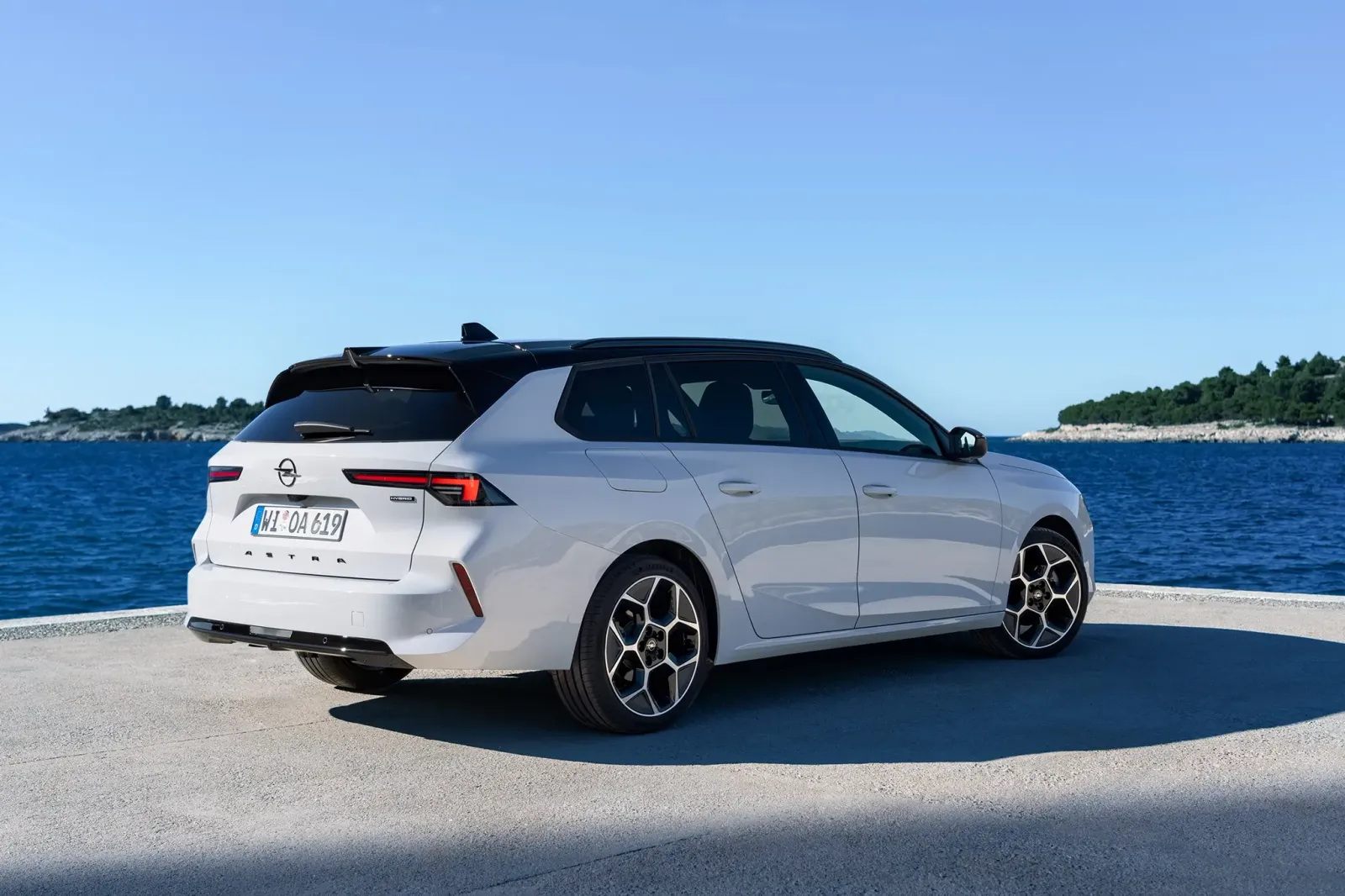
The electric motor can operate on its own up to 140 km/h. When the 1.6 turbo engine needs to come online, the system delivers a combined power of 195 hp, transmitted to the front wheels via a seven-speed dual-clutch automatic transmission.
The gasoline engine uses the Miller cycle to improve efficiency. And what happens when the electric range is exhausted? The truck continues to function as a hybrid, with WLTP-certified fuel consumption below 6 l/100 km in this mode, according to Opel.
Hybrid, Diesel, or electric: which should you choose?
The possibility of charging at home or at work is one of the first factors to consider. A plug-in hybrid allows combining daily electric driving with gasoline-powered trips. To make the most of this option, charging must become part of your routine.
The all-electric version offers another option: it has 156 horsepower and claims up to 445 km of WLTP range in the Sports Tourer body style. Here, the choice also depends on the convenience of charging at frequented locations and during trips.
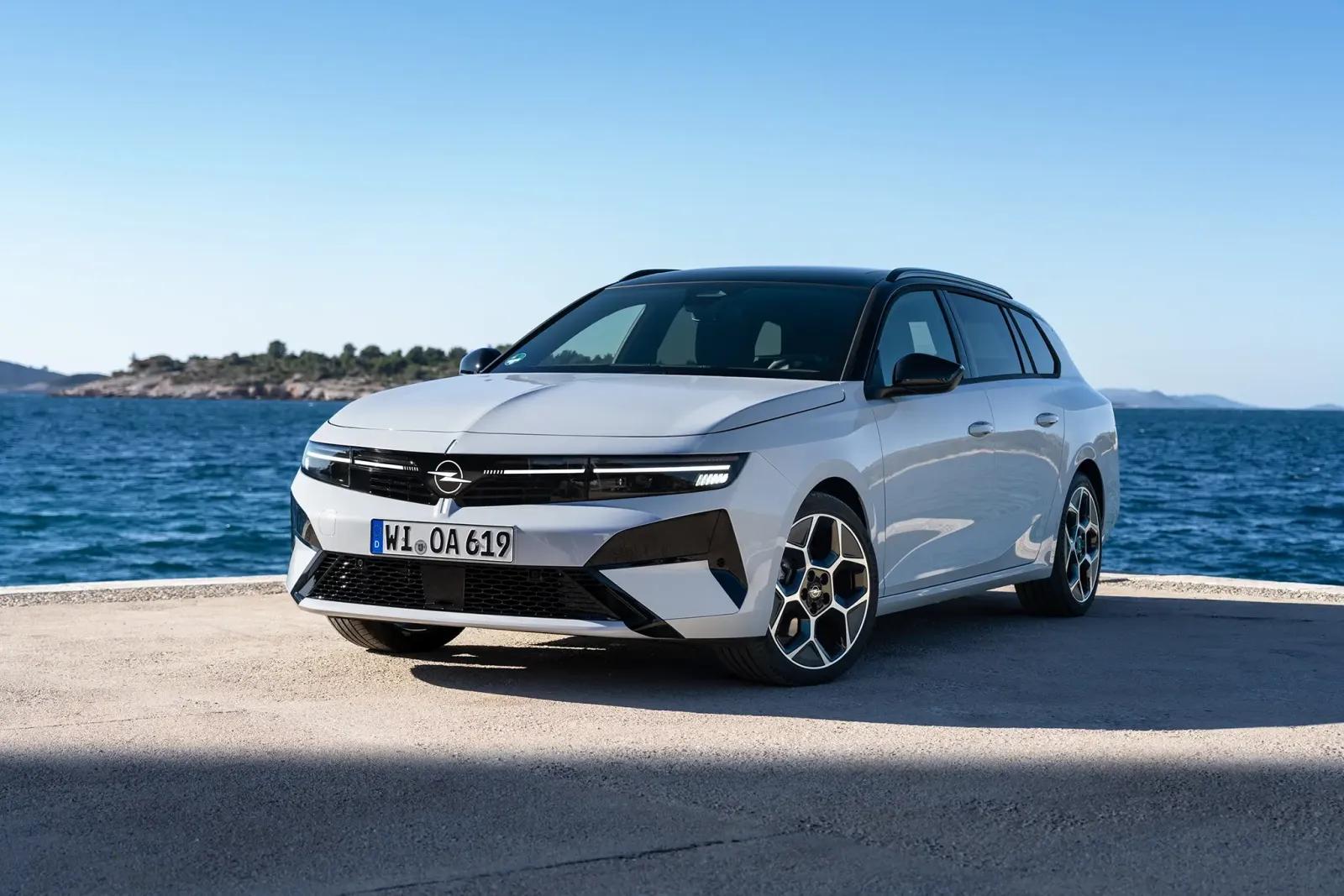
For those who don’t need external charging, the 145-horsepower gasoline hybrid still provides electric assistance. For those who drive many kilometers on roads and highways, including the 130-horsepower diesel model in the comparison makes sense.
How much does the Opel Astra Sports Tourer cost?
At the Edition equipment level, the list prices start at 34,590 euros for the 145 hp hybrid. The 130 hp diesel model begins at 36,730 euros, while the 195 hp plug-in hybrid and the 156 hp electric version both start at 41,090 euros. At the GS level, these two latter powertrains cost from 44,240 euros.
These are prices prior to any promotional offers. The video also covers private purchases and business purchases as factors to consider when choosing a powertrain.
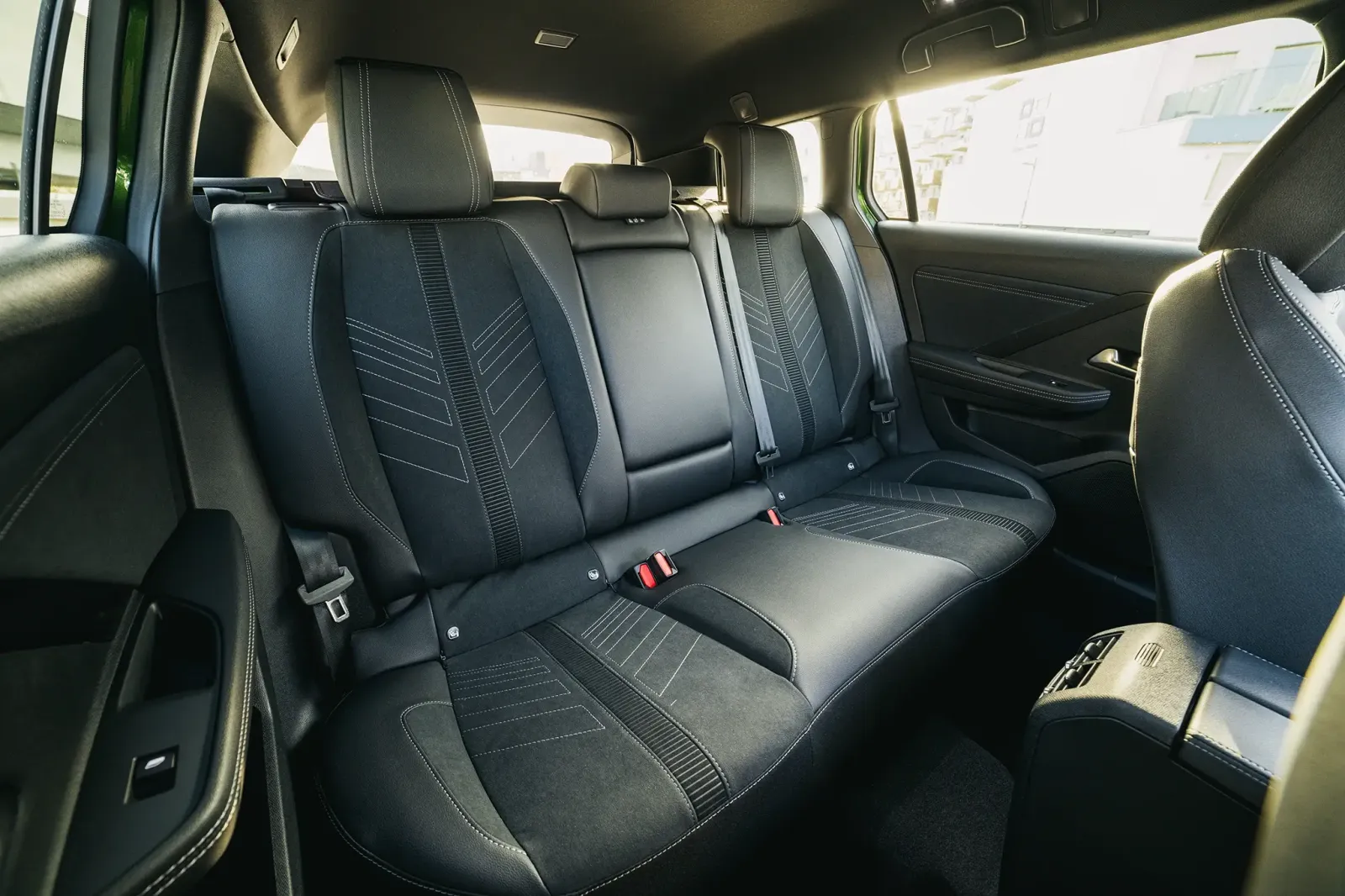
Space and comfort for the family
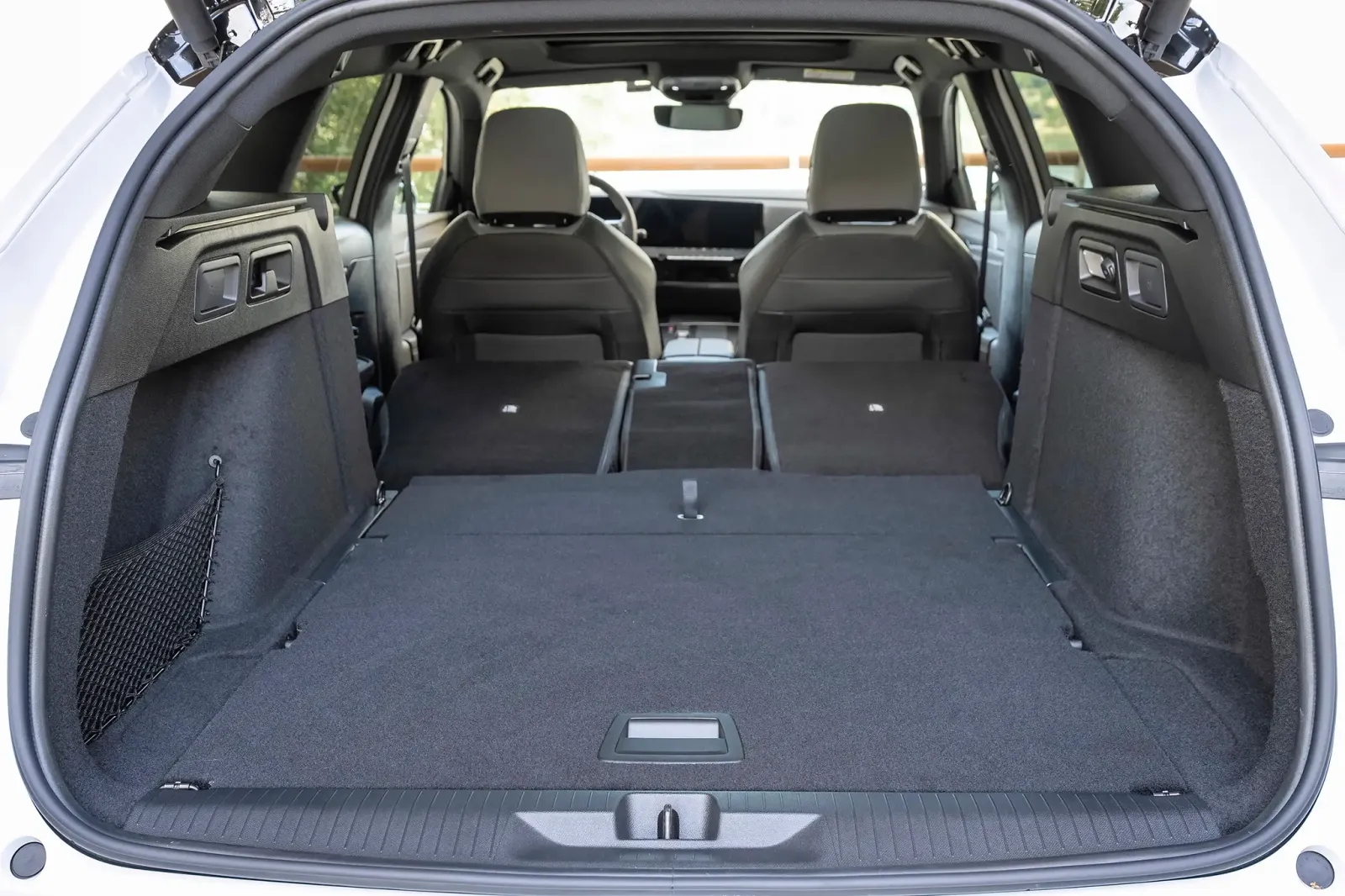
In an SUV, the trunk deserves just as much attention as the engine. The plug-in hybrid version offers 466 liters, the electric model has 516 liters, and the 145 hp hybrid reaches 597 liters. Therefore, the choice of powertrain affects the available trunk space.
4 images
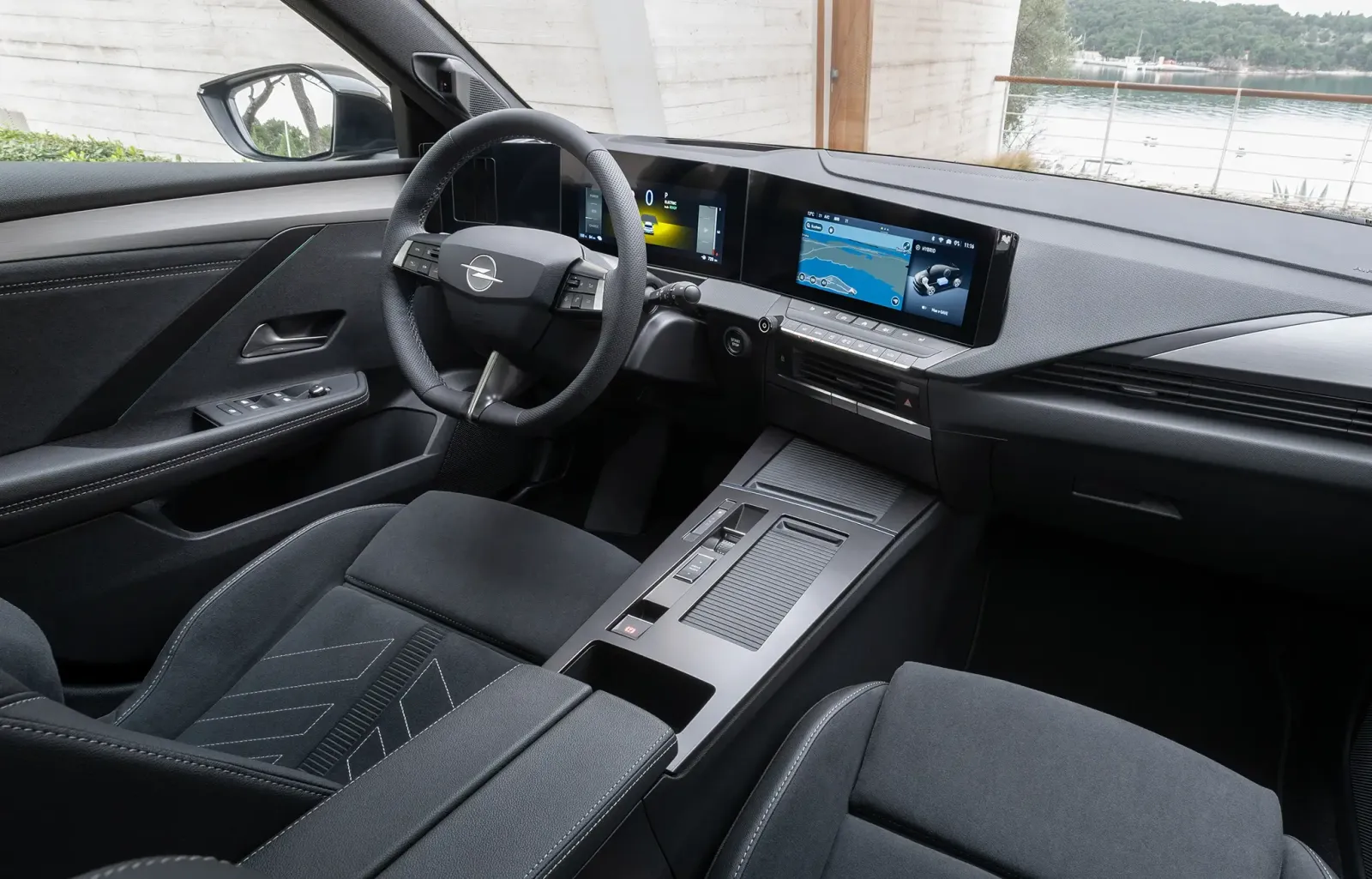
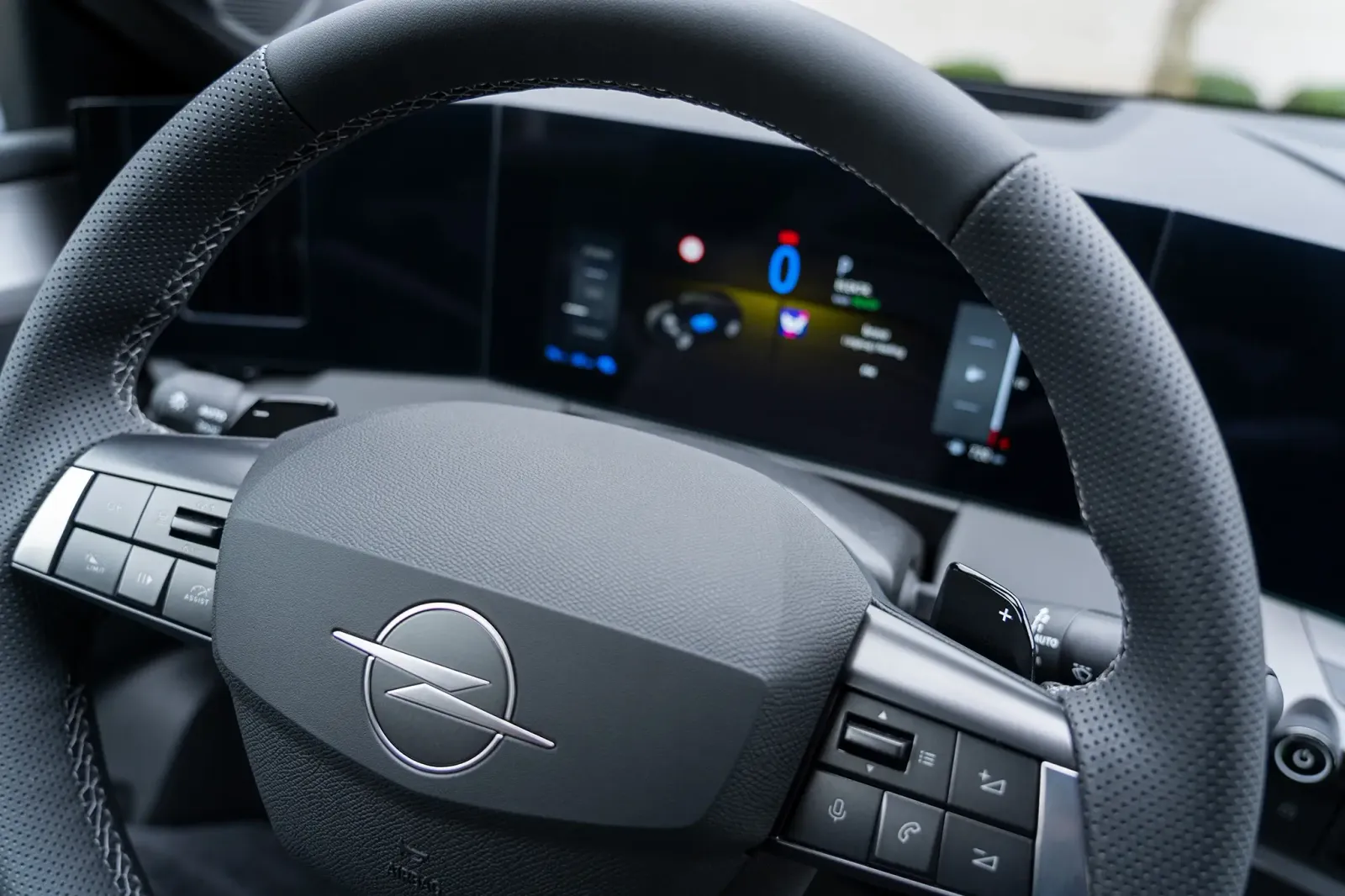
Inside, digital controls coexist with physical buttons for common functions such as climate control and volume. The updated Astra also comes standard with Intelli-Seats, featuring a central groove designed to reduce pressure on the coccyx during long drives.
On the outside, the 2026 refreshed Astra features a revised Opel Vizor and an illuminated emblem. Its design, development, and production remain based in Rüsselsheim, where the first Kadett was also created. In 2026, Opel’s lineup of compact family cars will celebrate 90 years.