
This is the true autonomy that consumers demand from electric cars.
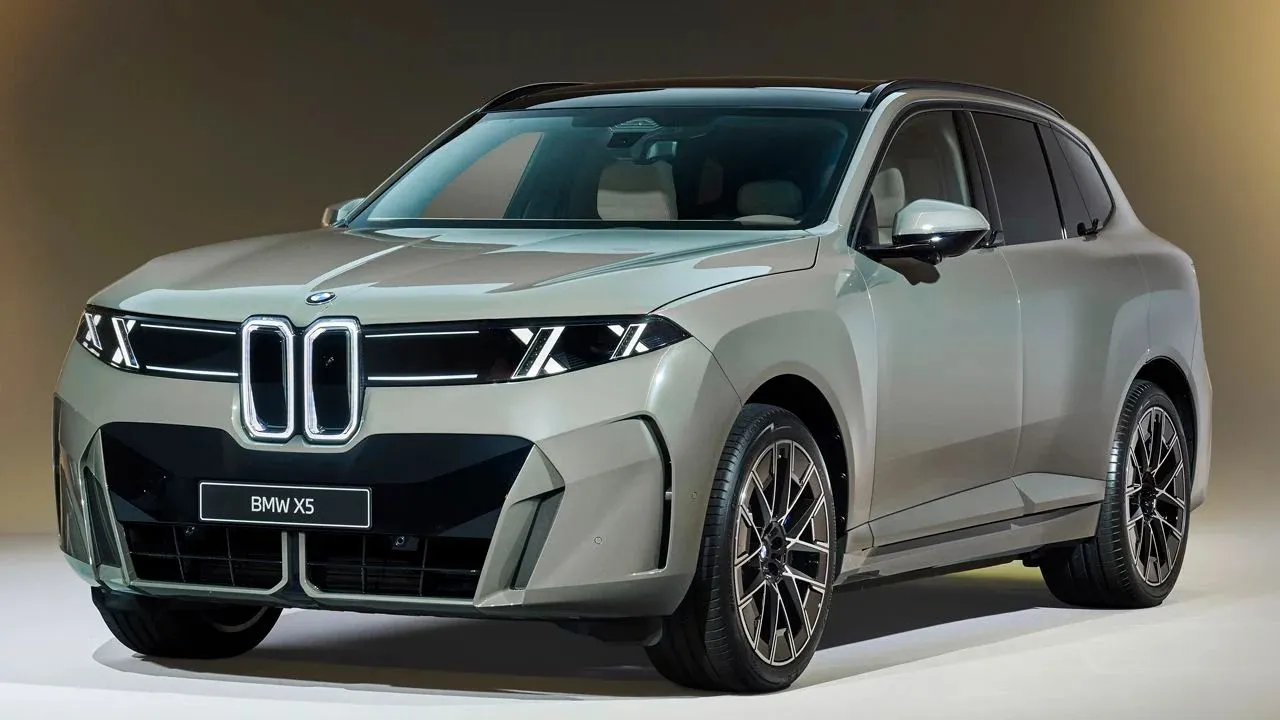
Range, along with price and charging network, remains one of the most important factors when buying an electric car, even among those who drive only a few kilometers per day. The ability to travel with peace of mind continues to influence purchasing decisions, even though the typical usage pattern is very different.
A survey conducted by BMW in the United States provides figures on this contradiction between drivers’ actual needs and their expectations when looking for a new car. The study also offers other interesting data on price, charging speed, and Americans’ perception of this technology.
The range buyers want versus the range they need
BMW conducted a survey among 1,005 American adults from September 11 to 13. According to the results, 73% of participants said that 121 kilometers of range per day is sufficient to cover their usual trips. However, when asked what range they require before considering buying an electric car, the answer changes drastically, with responses focusing on “what I need” and “what I want.”
42% of respondents believe it is necessary to have at least 480 kilometers of range, while 18% would not consider buying an electric car with less than 650 kilometers of range. In other words, many drivers want sufficient range for long trips, even though their daily use requires only a small portion of that capacity.
Factors such as unfamiliarity with the technology play a role here. When you’re new to electric cars, you worry about running out of charge before reaching a charging station with less than 20% remaining. Before buying, everything seems scary. But once you have the car and get used to it, there comes a point where an 5% charge level no longer bothers you at all.
But for those unfamiliar with the technology, anxiety about range continues to influence purchasing decisions, driving many consumers to seek electric cars with larger batteries even if they won’t need that capacity. This results in an unnecessary increase in purchase cost.
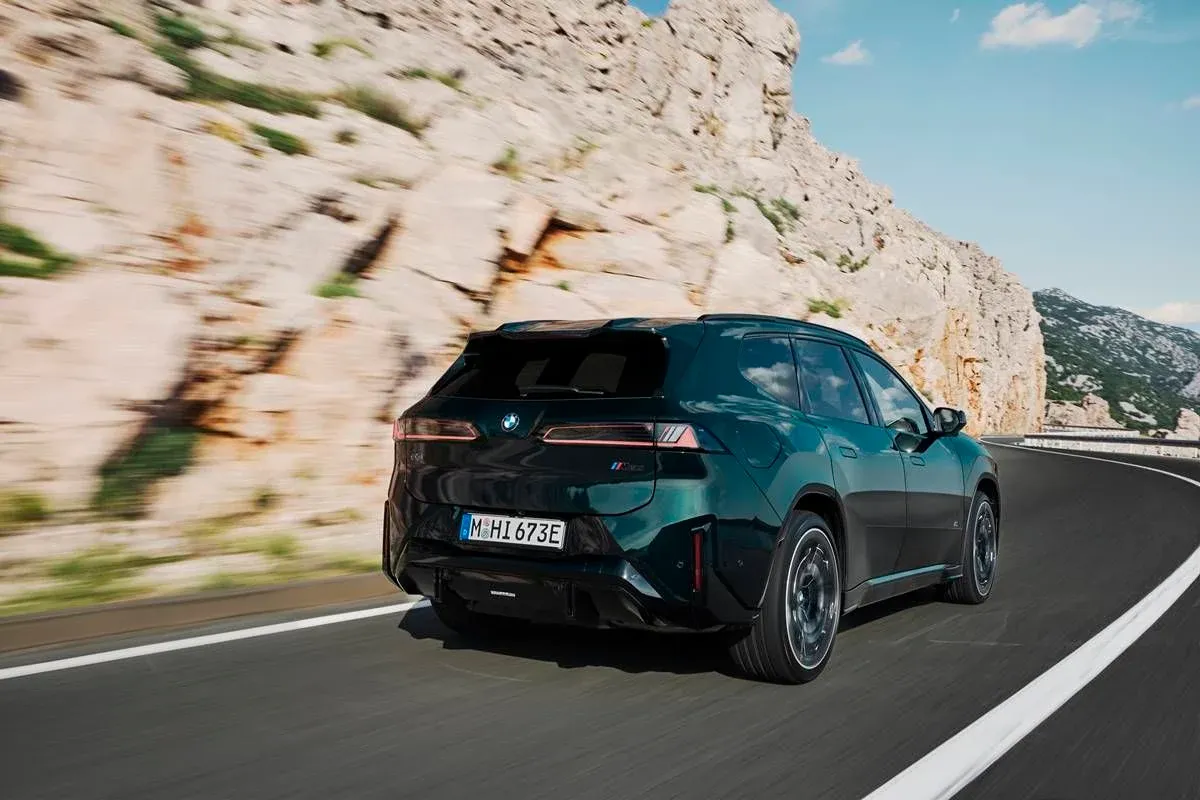
The survey also shows just how significant this factor is: 72% of respondents consider range to be decisive when buying an electric car. This figure contrasts with the daily usage described by the respondents themselves, indicating that the ability to handle long trips still holds more importance than might be suggested by their usual driving distances.
However, there is an obstacle that concerns buyers even more. 51% cite the purchase price as the main barrier to switching to electric cars. This highlights one of the biggest challenges in the market: providing sufficient range to convince customers without the cost of batteries and vehicles driving them away from making a purchase.
Alexander Schleicher, head of electric mobility at BMW North America, believes these results reflect the maturity of the market. As battery range and charging capabilities improve, consumers are beginning to evaluate electric cars in a way more similar to conventional models, paying more attention to performance, features, and price-to-value ratios rather than focusing solely on the distance they can travel.
The purchase price is not the only factor that can hinder the adoption of electric cars. The survey also shows that 55% of Americans would be willing to buy a certified used or second-hand electric car if the savings were sufficient. This indicates that the used market can play an important role in bringing this technology to those who do not want or cannot afford the price of a new model.
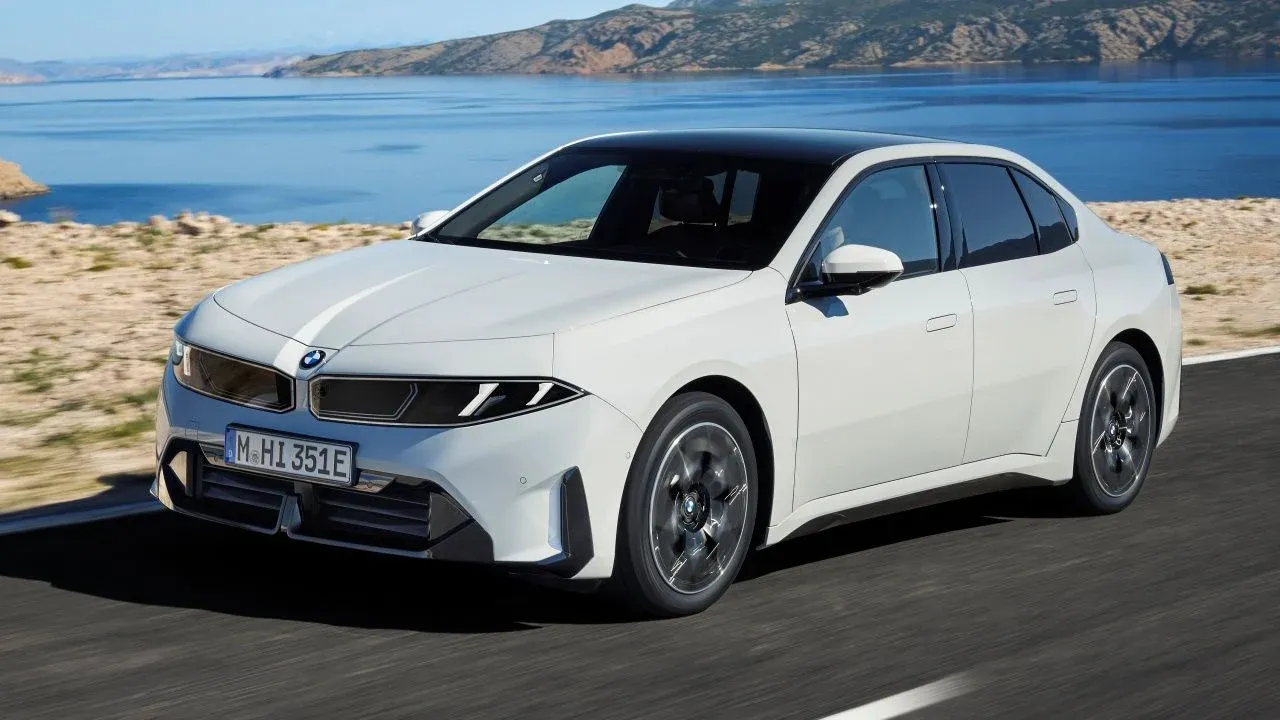
On the other hand, the cost of use remains an attractive factor, though it is not yet the main reason to make the switch. Only 27% of respondents cite lower ownership and operating costs as a reason to consider buying an electric car. The difference between this figure and the concern over the initial price shows that long-term savings are not always sufficient to offset the expense of purchasing the vehicle.
The charging speed can also tip the scales. 53% of those surveyed say having fast charging would increase their chances of buying an electric car. Among younger people, the interest is even higher: it reaches 70% among Generation Z and 65% among Millennials. In contrast, only 30% of Baby Boomers share this view.
It is also changing the perception of how long it is reasonable to wait during a stop. 55% consider it acceptable for a fast charge to take 30 minutes or less, up from 48% in a MINI United States survey in 2024. While the sample sizes and contexts of both studies must be considered, this comparison suggests greater tolerance for charging times as long as they allow the trip to continue without too many complications.
Finally, societal perception of this technology continues to evolve. The percentage of Americans who view electric car buyers as primarily early adopters interested in trying out new technologies has dropped from 62% reported by BMW in 2025 to 56% currently. Additionally, 68% of respondents say they would consider buying an electric car.