
This sodium battery can withstand 8,000 charge and discharge cycles and retains its performance at -30º C without degradation, allowing it to be used in Spain.
10/10/2026 16:00
Updated to
10/10/2026 16:00
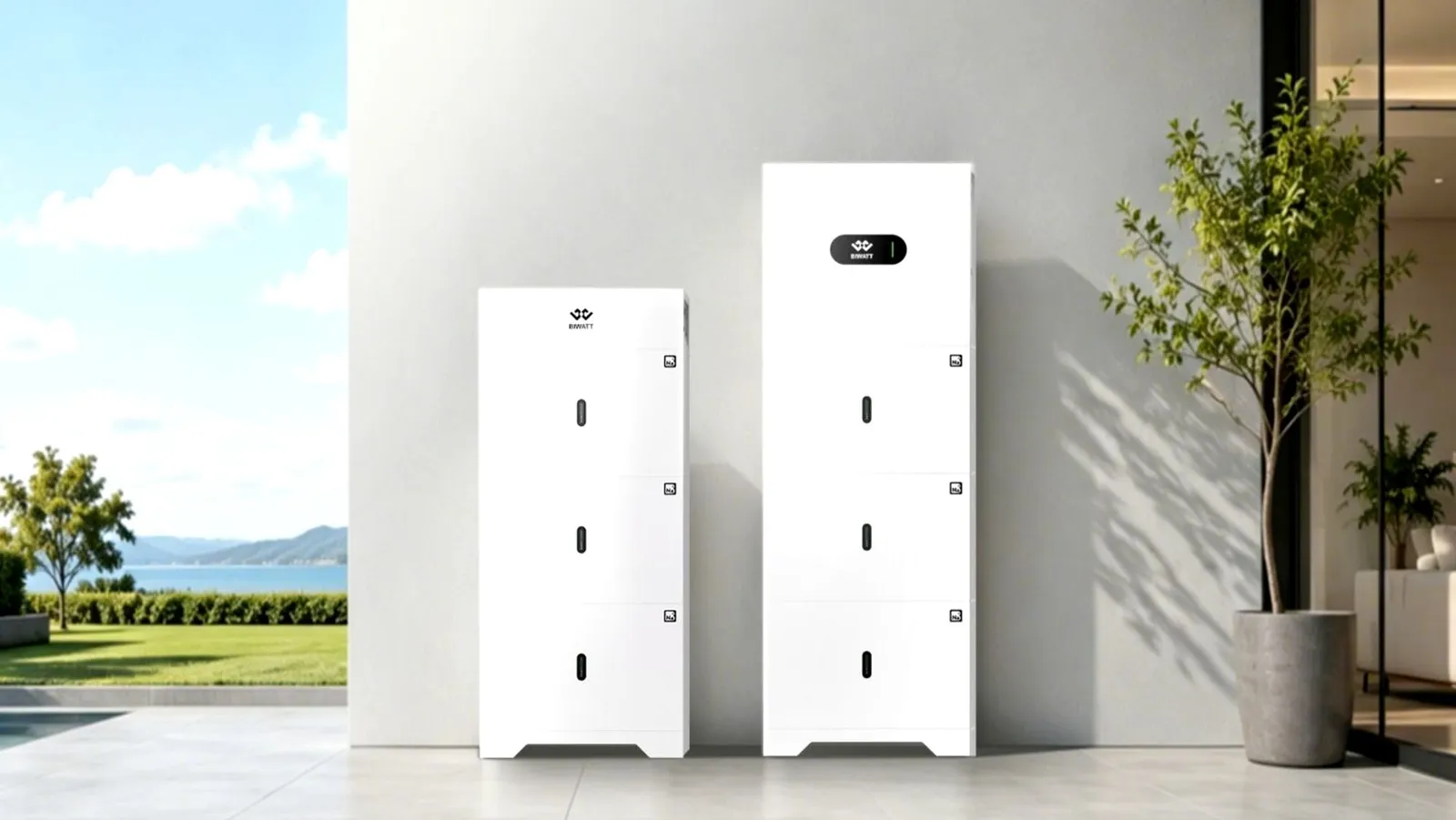
Home energy storage is another component in the electric vehicle ecosystem, and amid the dominance of lithium batteries, sodium ion technology seems to be one that could gain prominence. The Chinese company BIWATT has introduced the PowerNest R5, a home battery that offers 4.5 kWh of capacity per module, features a modular design, and can deliver power at temperatures as low as -30 ºC.
The PowerNest R5 uses an iron and sodium pyrophosphate chemistry known as NFPP, operates at 58 volts, provides 4.5 kWh per module, weighs 65 kg, measures 67 x 72 x 25 cm, and can deliver up to 3 kW of continuous current. Its modular design allows up to four units to be stacked and up to four groups connected in parallel, enabling higher-capacity storage systems tailored to each household’s needs. Additionally, it eliminates the need for wiring between modules, simplifying installation.

At sub-zero temperatures
In addition, the manufacturer claims up to 8,000 cycles at 25 °C, with charge and discharge rates of 0.5C and a depth of discharge of 80%. If a full cycle were completed every day, this figure would theoretically equate to more than 20 years of operation. Again, this does not mean that every R5 unit will achieve exactly this lifespan: the number of cycles depends on factors such as temperature, depth of discharge, usage conditions, and system maintenance.
In Spain, sodium batteries could find a promising application scenario because, although much of the country experiences mild winters, there are mountainous and inland areas where temperatures can drop significantly. In such locations, for a photovoltaic system installed in a residence, garage, or unheated auxiliary building, the ability to function at very low temperatures becomes particularly important — and this is where the PowerNest R5 stands out.
The advantages of sodium
Sodium also has another structural advantage: it does not rely on lithium to function and uses a much more abundant raw material, making it significantly cheaper to produce. BIWATT presents its NFPP technology as a sodium-based, cobalt-free alternative, while the R5 design incorporates battery optimization and management systems to maintain stable power delivery.
Owen, BIWATT’s executive director, said during the system launch event: “Energy storage requires more than just choosing a battery chemistry. Our approach has been to actively engage in cell-level innovation and develop sodium-ion batteries specifically designed for energy storage applications. The launch of the R5 and I3 models reflects that long-term commitment.”