
Spain claims to be advancing with electric cars, but recent data has just shattered all its optimism.
09/10/2026 14:30
Updated to
09/10/2026 14:30
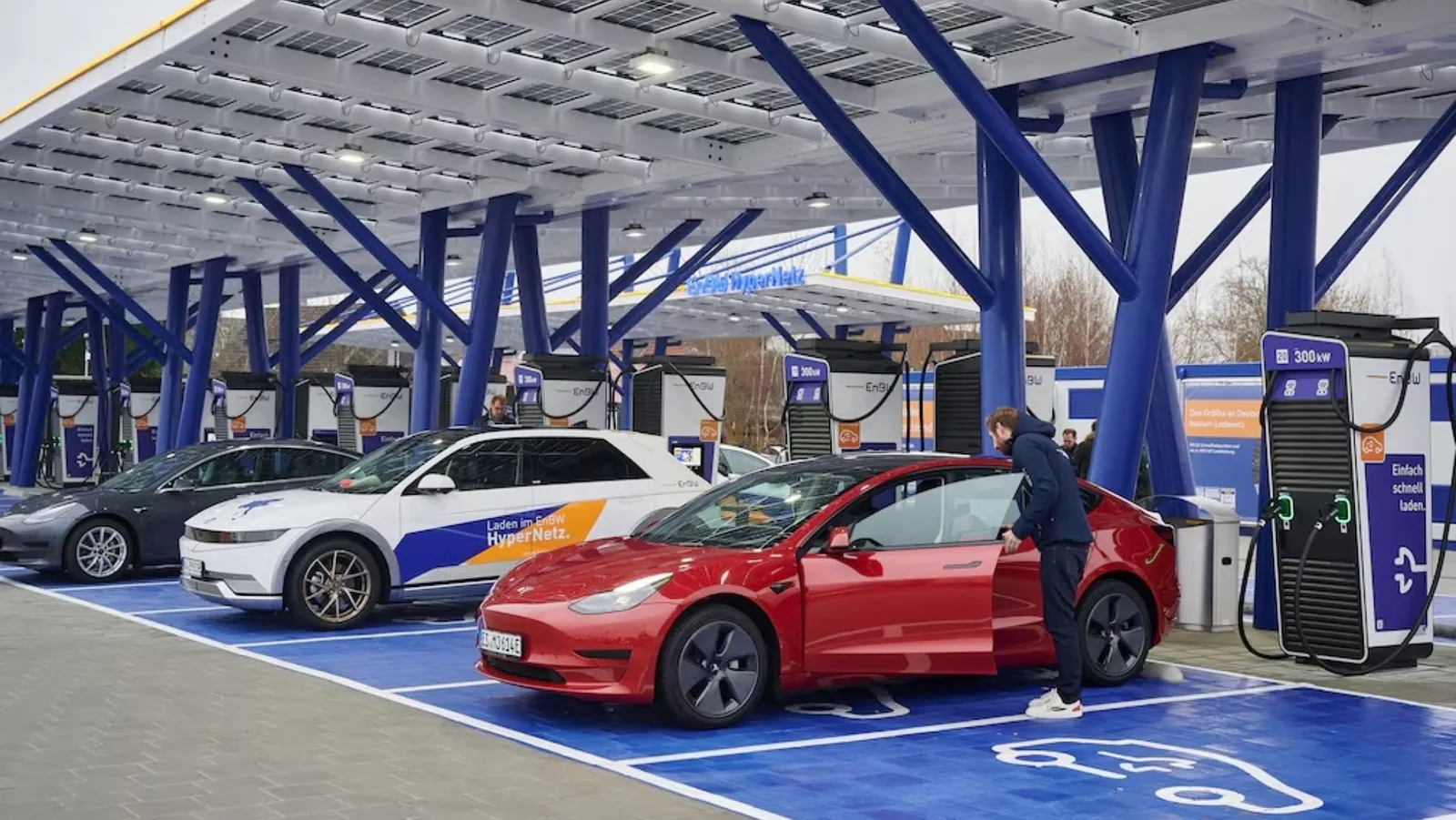
Spain is facing a complicated situation with its electric vehicle charging infrastructure, as a significant portion of the installed facilities remains unusable due to technical issues or delays in administrative procedures. Specifically, nearly one out of every four public chargers installed in the country is offline, a situation that limits the actual availability of the charging network and particularly affects areas where there are still few alternatives for charging vehicles.
This issue comes at a time of strong sales for electric vehicles, whose registrations rose by 56% in September to reach 31,945 units, according to the latest data from ANFAC. Pure electric cars and plug-in hybrids accounted for 34% of passenger car sales that month, but the expansion of public charging infrastructure is slowing down precisely as these vehicles become more common on Spanish roads.
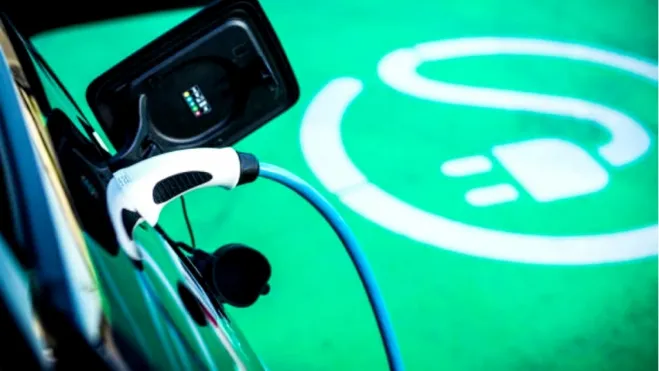
Thousands of installed chargers remain unusable, and the expansion pace is declining sharply.
ANFAC’s latest Electromobility Barometer for the third quarter of 2026 shows that 17,965 public charging points are still not operational due to malfunctions, technical deficiencies, or unresolved electrical connections. This represents 23.6% of all installed infrastructure, meaning Spain could currently have 76,040 public charging points instead of the 58,075 that are actually in use. The trade association attributes this discrepancy, among other factors, to the slowness of procedures for accessing and connecting to the distribution network.
The development of new facilities also fails to keep pace with the increase in enrollments, as only 5,003 operational sites were added during the first nine months of 2026, compared to 13,382 added during the same period of the previous year. This difference represents a 62.6% decline in deployment rates, with only 1,393 chargers added between July and September, of which 693 have capacities of up to 22 kW and another 399 can supply at least 150 kW.
Despite these results, the country has met 70% of the public charging target set for 2026, based on ACEA’s criteria, which provide 3 kW per fully electric car and 2 kW per plug-in hybrid. However, there are significant regional differences in this progress, with 22 provinces already meeting the targets while six others remain below 50%, highlighting existing inequalities in infrastructure distribution.
Spain is still far behind Europe and faces another issue with fast charging.
The gap compared to other European markets is reflected in the global e-mobility index, where Spain scores 27.8 points out of 100, compared to 42.1 for the continental average. The disparity widens when evaluating only public infrastructure, as Spain’s score drops to 15.9 points while Europe reaches 31.5, a significant difference given the development of the national electric vehicle market, whose penetration index climbs to 39.7 points.
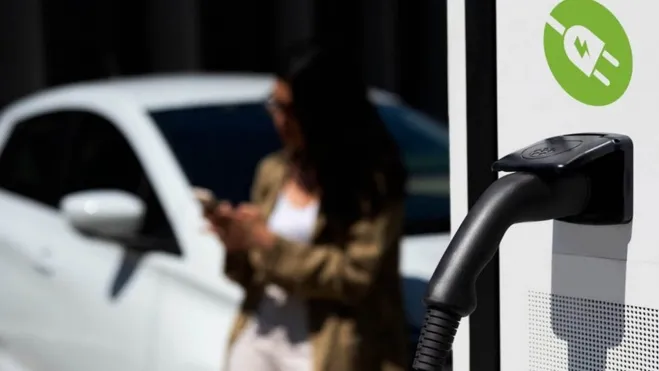
Another pending issue is the availability of chargers capable of restoring battery life in a short time, which is especially necessary to facilitate intercity travel. Although the number of fast charging stations increased during the third quarter, only 6,651 locations across Spain’s public network offer power levels of 150 kW or higher, accounting for 11.4% of the total. This still leaves plenty of room to expand such installations along major transportation corridors.
The challenges also extend to freight transportation, where the energy demands of electric trucks require specialized, higher-capacity infrastructure. According to ANFAC, the draft National Action Framework acknowledges that Spain still falls short of the European requirements set by the AFIR regulation, especially in the high-capacity stations of the TEN-T network and in urban areas. Therefore, expanding these services and activating the already built chargers will be crucial for meeting upcoming electrification goals.