
Spain is building a massive network of gigafactories, and the best part is that it can change the price of electric cars.
09/10/2026 12:30
Updated to
09/10/2026 12:30
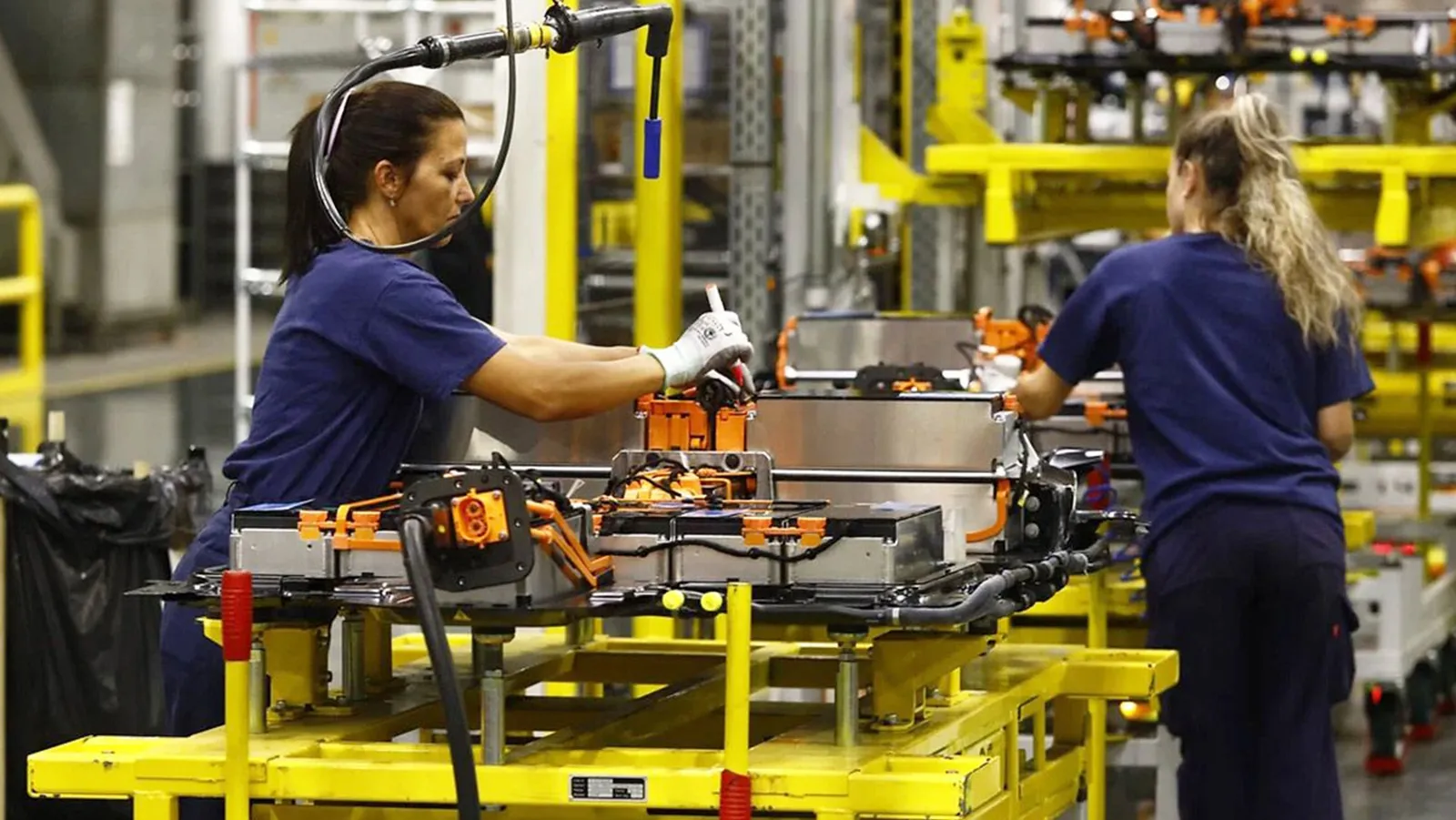
Three major industrial projects are putting Spain in a position it barely held just a few years ago within Europe’s electric vehicle sector: manufacturing its own battery cells. Sagunto, Zaragoza, and Navalmoral de la Mata are attracting investments of several billion euros, with a significant portion of this new capacity dedicated to LFP batteries, a chemistry particularly suited for lower-priced vehicles.
The impact goes beyond simply adding factories to the automotive sector. Producing battery cells near the plants where vehicles are assembled later allows for shorter supply chains, reduced transportation of one of its heaviest components, and increased European supply. This outcome creates opportunities to curb one of the costs that still affect the prices of small and medium-sized electric vehicles.
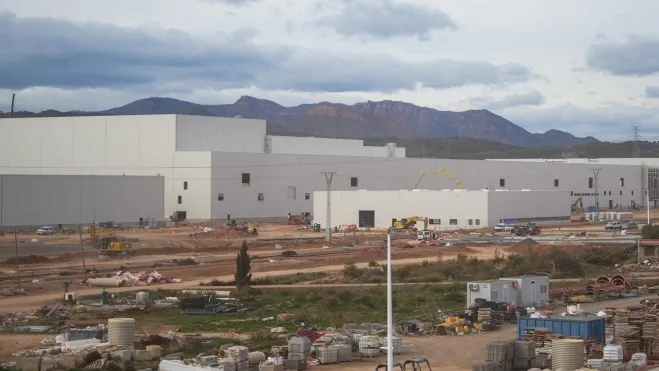
Sagunto and Zaragoza host two of the largest projects
The latest development occurred in Sagunto, where PowerCo and Gotion High-Tech have agreed to operate the Valencia gigafactory together. Volkswagen’s subsidiary will retain 51% ownership, while the Chinese group will control 49% after investing around 1.1 billion euros. The factory is set to begin operations in 2027 with two production units, boasting a combined capacity of 30 GWh per year. The project involves an investment of over 2.3 billion euros, with more than 1,500 direct jobs planned in its first phase.
Several hundred kilometers away, Stellantis and CATL are preparing an even larger facility near the factory in Figueruelas, Zaragoza. The joint venture is held 50% by each company, involves an investment of up to 4.1 billion euros, and is expected to reach 50 GWh in annual production capacity. Stellantis aims to start production by the end of 2026 and estimates that the project will create more than 4,000 jobs, with the new batteries intended specifically for electric vehicles in segments B and C.
The two plants also share one technological element: they will use lithium-iron-phosphate or LFP batteries. Unlike chemicals such as NMC, they eliminate nickel and cobalt from the cathode and rely primarily on iron and phosphate—materials that are more abundant and less costly. Their energy density is lower, but they offer high thermal stability, good durability, and a high number of charge cycles, characteristics that have made them an especially attractive option for affordable electric vehicles.
The goal is not to install ever-larger batteries
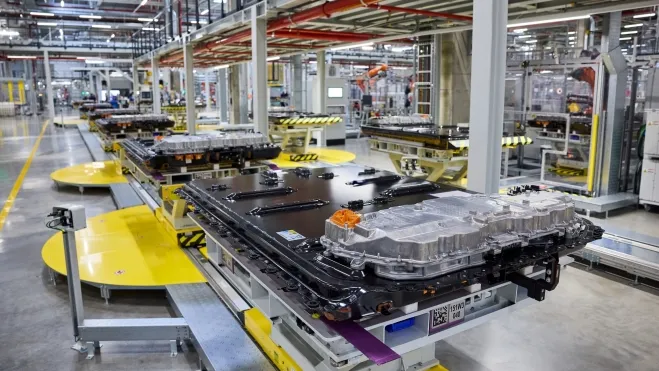
The expansion of the LFP standard allows manufacturers to develop cars that do not require batteries of 80, 90, or 100 kWh to remain competitive. Capacities of around 40, 50, or 60 kWh can meet daily usage needs and provide sufficient range for urban and compact vehicles, while reducing the costs associated with installing a larger battery. Stellantis emphasizes that its partnership with CATL aims to expand the European offering of affordable electric models with intermediate range.
Add to these projects is the one planned by AESC in Navalmoral de la Mata, Cáceres, whose configuration has changed since the initial announcements. Current plans call for a capacity of around 12 GWh per year, an investment of approximately 977 million euros, and around 900 direct jobs, with cell manufacturing set to begin in December 2028. With Sagunto and Zaragoza more advanced, Spain is thus beginning to expand electric vehicle manufacturing from the assembly lines to one of the key components that significantly affect its final cost.