
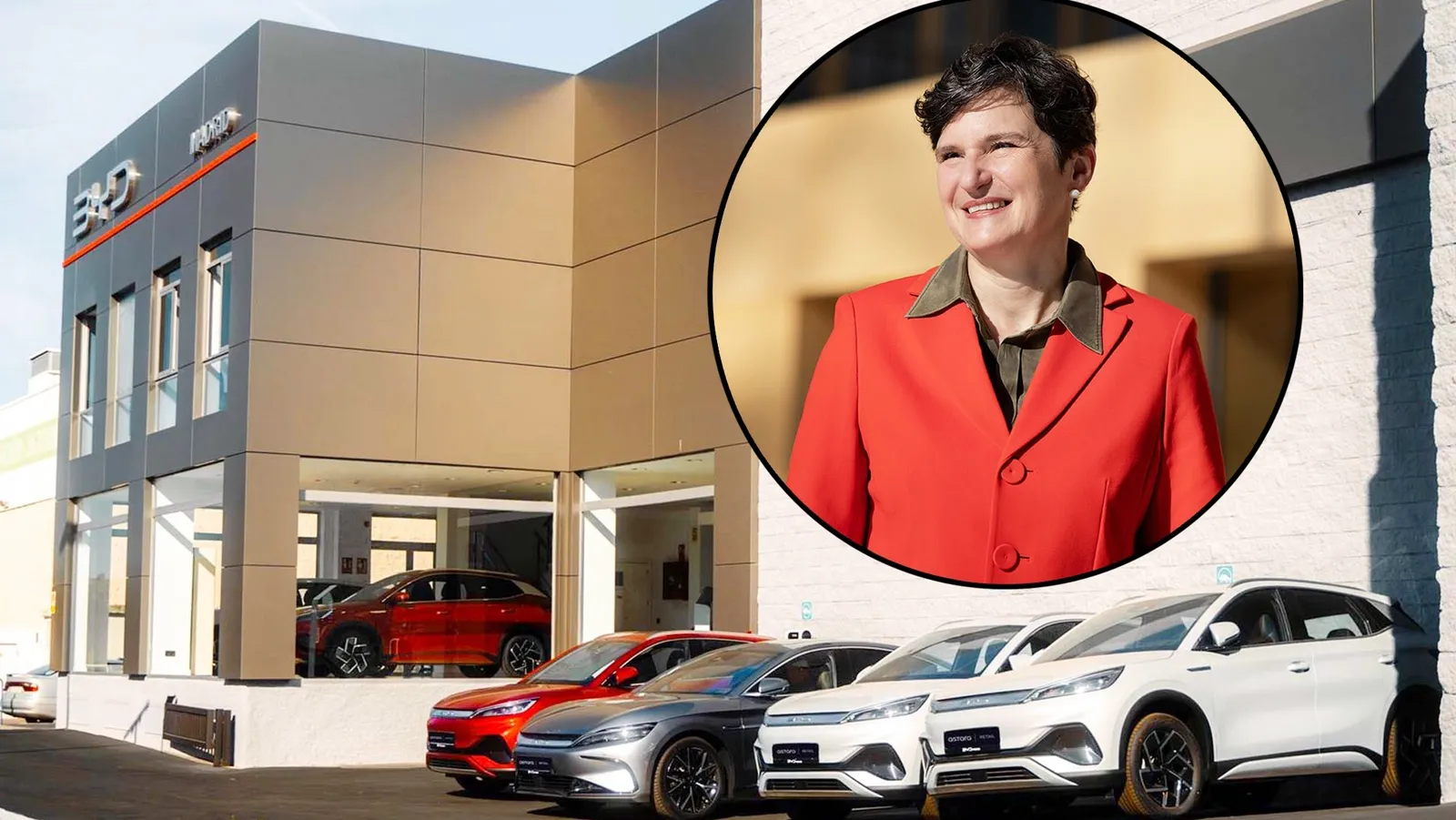
It is regrettable that dealers sell more BYD vehicles than Mercedes, criticize officials from the German Industry Federation (BDI).
06/10/2026 11:00
Updated to
06/10/2026 11:00
The growing presence of Chinese manufacturers in Europe continues to raise concerns within Germany’s automotive industry. Brands like BYD have managed to expand their offerings and gain visibility in a market historically dominated by European manufacturers, a situation that has prompted the German Industry Federation (BDI) to call for new measures to protect the competitiveness of companies on the continent.
Tanja Gönner, the organization’s general director, was particularly critical in an interview with the German newspaper Neue Osnabrücker Zeitung. The business association representative believes the automotive industry is undergoing its greatest transformation in history and needs a more predictable regulatory environment, competitive production costs, and a European response to business practices attributed to certain Chinese manufacturers.
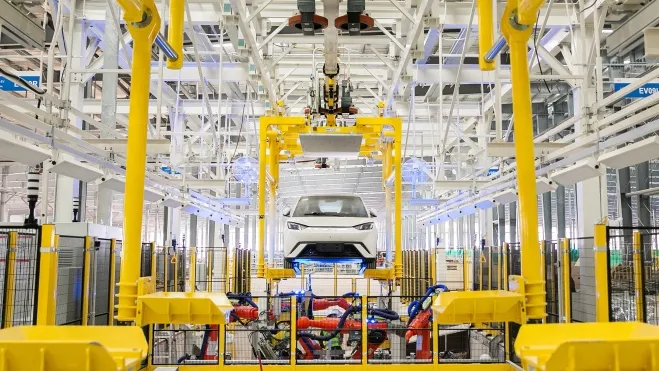
"It is very regrettable that many dealers sell more BYD than Mercedes."
The industry representative attributes part of the problem to what she considers unbalanced competitive conditions. “Unfair competition has led to the production in China of cars for which there is no demand. These vehicles are being introduced into our market at dumping prices,” she alleged during the interview. This is therefore an accusation made by BDI, which does not provide specific sales figures from dealerships in these statements.
Gönner asked the European Union to take action to address this situation, though he also clarified that his organization does not advocate closing the European market to foreign manufacturers. “The EU must counter this situation. However, we do not want total isolation. We need specific solutions,” he said, calling for trade measures that allow German companies to compete.
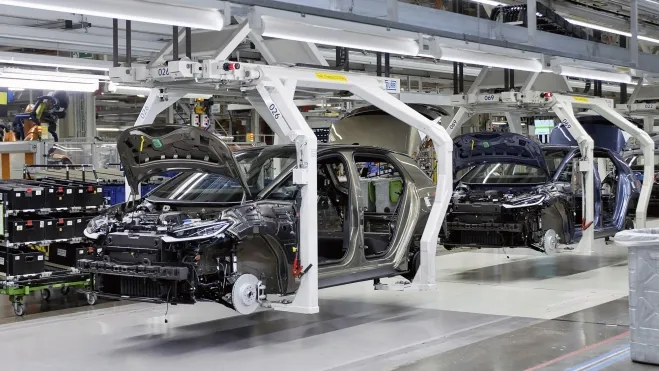
The BDI also demands a review of the ban on internal combustion engines by 2035
In his interview, Gönner also called on the German government to pressure the European Commission to speed up the review of the regulation that calls for a 100% reduction in emissions from new passenger cars and light commercial vehicles starting in 2035, which under its current wording means the end of conventional sales of new gasoline and diesel cars.
"There has long been an agreement to lift the de facto ban on selling new diesel and gasoline vehicles in the EU starting in 2035, so as to give more time for the transition to electric mobility," he said. However, he regretted that the corresponding legislative proposal has not yet been put into effect and asked the German government to urge Brussels to accelerate its processing.
The BDI official justified this request due to the need to provide certainty for manufacturers: “Companies need stability and reliability.” Her approach involves introducing greater flexibility in the industry’s transformation timelines, without necessarily abandoning the development of new electric technologies.
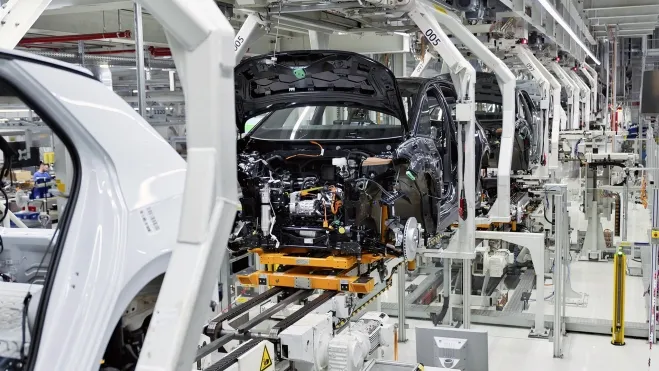
Manufacturers want to produce electric vehicles in Germany, but costs are a problem
Gönner also warned of the difficulties German factories face in competing with other production centers. He explained that manufacturers are willing to continue building their electric vehicles in Germany, but the costs associated with these facilities are often uncompetitive.
For this reason, BDI calls on governments to support industrial transformation with concrete measures. Among its main demands is a drastic acceleration in the deployment of charging infrastructure, which it considers essential to facilitate the adoption of electric cars and sustain demand for new models.
