
ePropulsion launches eCore, how to manage all the energy of a boat
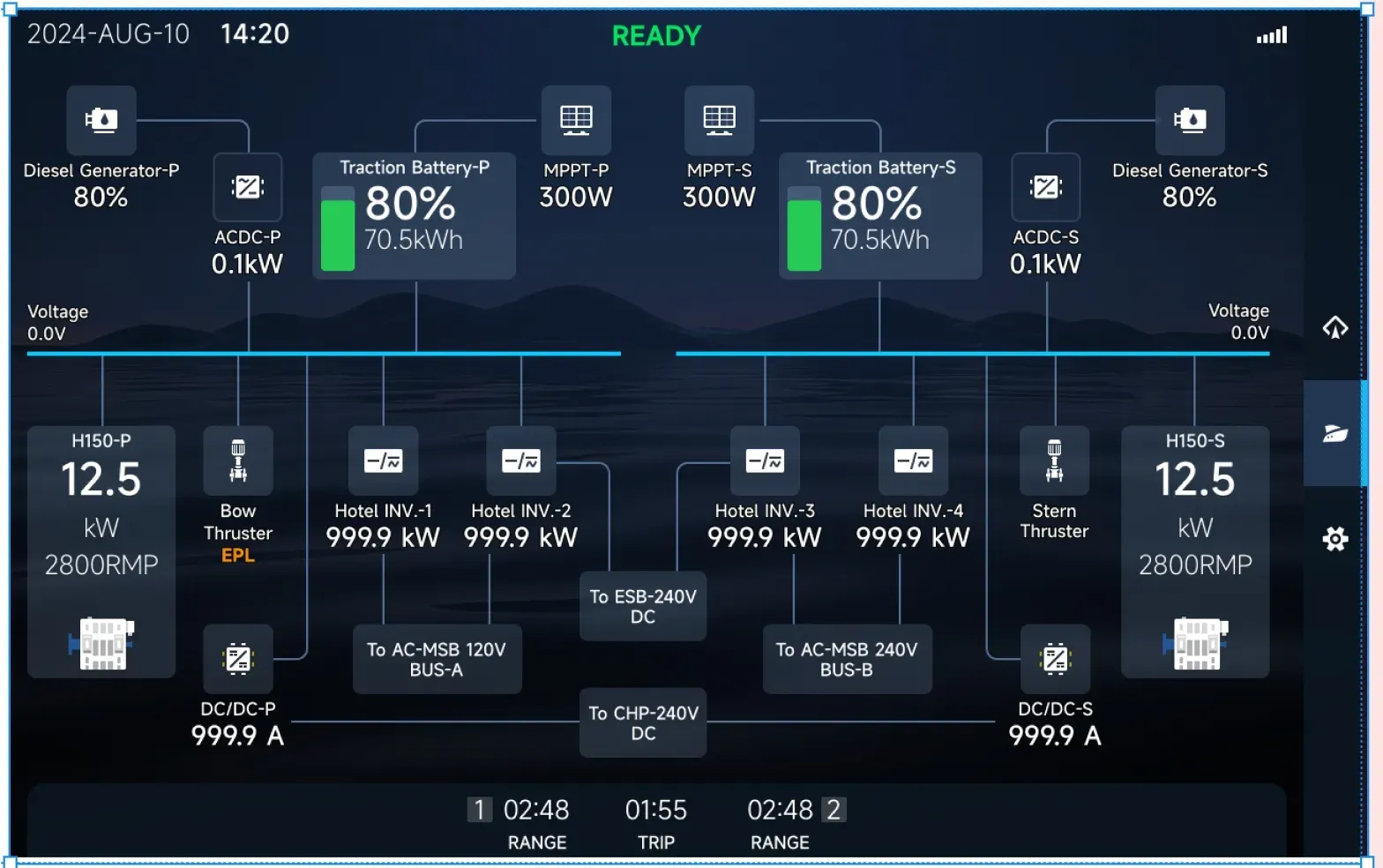
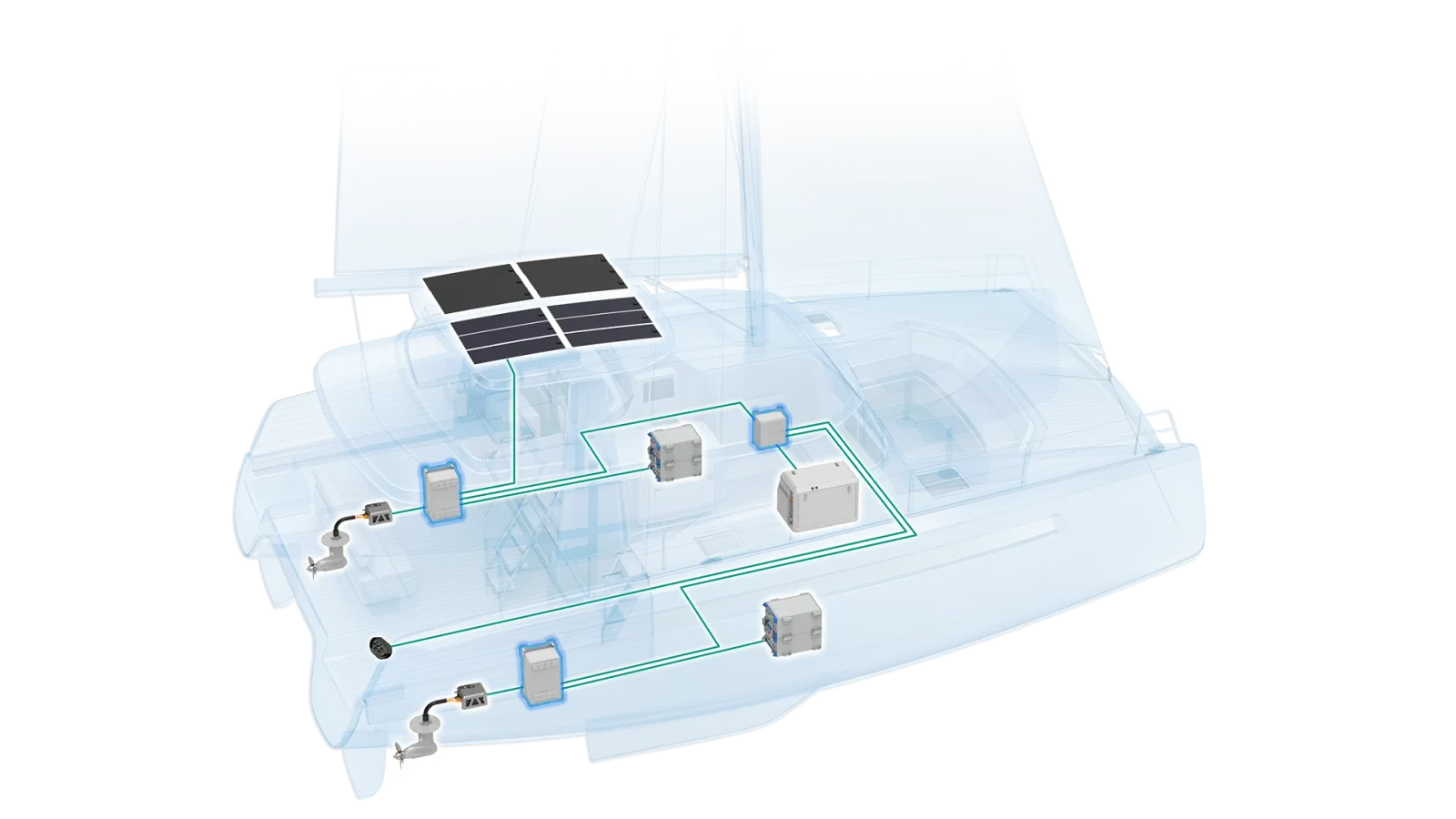
ePropulsion launches eCore: it is not a new model of electric outboard or inboard engine, but rather a system that manages all the energy used on board. We are talking about well-structured vessels where onboard services play a crucial role, and the complexity of the electrical system increases rapidly. The goal is to centralize this complexity by reducing the fragmentation of components and bringing order to the management of various energy sources and consumption patterns. This is where digitalization comes in, with a single platform coordinating energy production, storage, distribution, and usage.
The demand for unified management comes from shipowners
We start with the problem: boats are becoming increasingly electrified, and demand is rising—just like in homes—for comfort and functionality on board. From PCs to smartphones, from induction cooktops to sensors and other electrical devices. In short, shipowners need more power. While this is good, managing multiple energy sources, batteries, propulsion systems, and onboard “hotel” loads can result in complex installations. eCore aims to address this issue by centralizing energy management, thereby reducing the need for multiple independent components and extensive internal wiring.
In the phrase Smart Energy Management for Modern Mariners, eCore acts as the intelligent core of the vessel’s electrical network, integrating energy production, storage, propulsion, and consumption into a single integrated platform. “The system can manage multiple energy sources, including shore power, diesel generation, solar power, and hydrogen generation, along with electric propulsion and onboard AC and DC loads.”
Two components: eCore 96VDC and eCore AC
At the heart of the system are two complementary components: eCore 96VDC, the main power management unit, and the optional eCore AC module. The former, eCore 96VDC, manages power flow within the vessel, working together with the optional eCore AC module to provide flexible control over both DC and AC power. Together, these two components support propulsion and onboard energy needs, with connectivity that allows monitoring of system information via compatible displays and navigation instruments.
Sailing: Netherlands leads in electric shipyards and battery-powered boats
eCore provides a scalable architecture that can be adapted to various ship configurations and energy requirements. “Shipbuilders can start with the DC system for basic needs and expand the installation with the eCore AC module when additional energy management is required.”
Danny Tao, CEO of ePropulsion, said, “The electrification of marine vessels goes far beyond simply replacing a combustion engine with an electric one. With increasingly sophisticated boats, we need to consider how energy is generated, stored, distributed, and used throughout the vessel. eCore was developed to simplify this process. By integrating propulsion and onboard energy management into a single intelligent ecosystem, we can offer shipbuilders a more integrated solution while also making energy management much simpler and more intuitive for those who use the boat.”
Smart energy management to save time
Electrification brings savings and comfort, but continuous and intelligent monitoring is needed to use available energy more efficiently. Energy-saving functions and load reduction help manage demand, while consumption monitoring and historical data provide a better understanding of energy usage on board. “The system also supports customized HMI designs for individual vessels, remote monitoring for advanced diagnostics, and integration with third-party multifunction displays from Raymarine, Garmin, and Simrad/B&G.”
What We Saw at the Genoa Show
In the end, what is the result of this system? A simpler and more intuitive control of onboard energy that allows one to “spend less time worrying about available power and more time enjoying life aboard. For shipbuilders, eCore offers a scalable platform to integrate electric propulsion and energy management from a single technology provider.”
READ ALSO: Bonus for charging stations – is there still hope? AND WATCH the video – Guide to incentives
Previous Article
Reducing bills and pollution with photovoltaics: the guide