
e.ON acquires BP Pulse in the Netherlands. Energy storage systems step in to help.
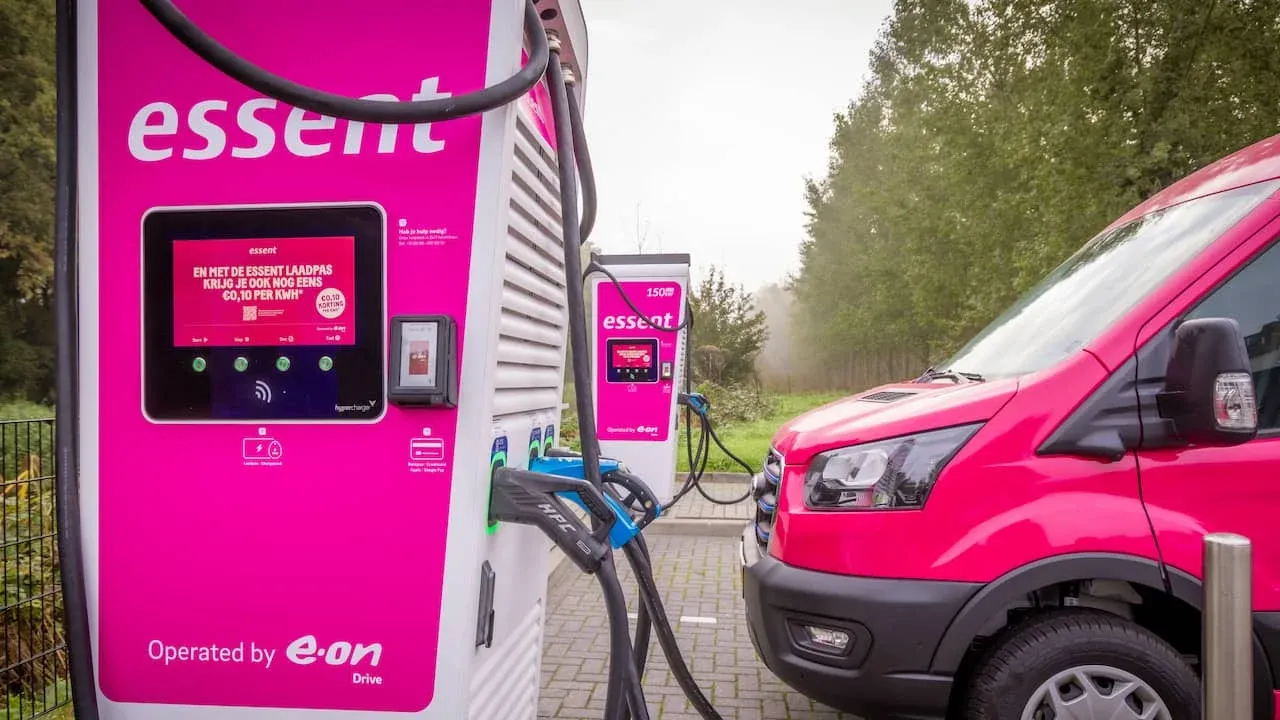
e.ON Drive Infrastructure announced the official acquisition of BP Pulse’s fast charging network in the Netherlands. The deal includes 370 charging stations at 79 locations, which will now operate under the Essent brand with the note “Operated by eON Drive.” The agreement also covers 45 new locations for infrastructure expansion in the coming years.
The change in ownership is part of BP’s withdrawal from certain European electric vehicle charging markets. For drivers, the most important point is that existing BP Pulse cards and apps will continue to work, and the entire network uses only certified green energy.
300 kW Chargers and BP’s Exit from European Markets
The majority of the acquired stations are located at OK fuel stations situated along key routes in the Netherlands. These facilities use advanced Alpitronic chargers with a capacity of up to 300 kW, which, combined with an appropriate charging profile and optimal battery temperature, allows the battery to reach 80% charge in about 20 minutes.
e.ON’s acquisition of this infrastructure is part of BP’s broader asset restructuring. The British giant is selling charging stations in various European countries:
In the Netherlands, the infrastructure is taken over by e.ON, while the fuel stations become part of the OK network.
In France, the Sorégies network is acquiring over 600 operational BP Pulse stations as well as nearly 200 more that are in the preparation phase.
In Austria, Volenergy is purchasing 250 stations along with their chargers and fleet management services.
The German market remains unchanged, with BP continuing to operate under the Aral Pulse brand.
Energy storage as key to infrastructure development
The acquired sites include 17 large charging hubs and 51 locations where chargers with battery backup are installed. This solution is ideal in areas where the local power grid has an insufficient connection capacity to supply high power to multiple chargers simultaneously without issues.
In my opinion, the use of energy storage at charging stations is no longer a technological novelty but has become an absolute industry standard. The bottleneck in the development of ultra-fast charging infrastructure across Europe is not the charging devices themselves, but rather the time and cost required to build high-voltage connections. Built-in energy storage is continuously charged from a relatively weak connection, and when the car stops, it releases the accumulated power at full speed.
The largest market players are already moving in this direction. An example is BYD’s announced charging systems, which are also set to be directly supported by dedicated energy storage. This enables the installation of high-performance charging stations in locations that were previously completely unsuitable for infrastructure with capacities of up to 1.5 MW.
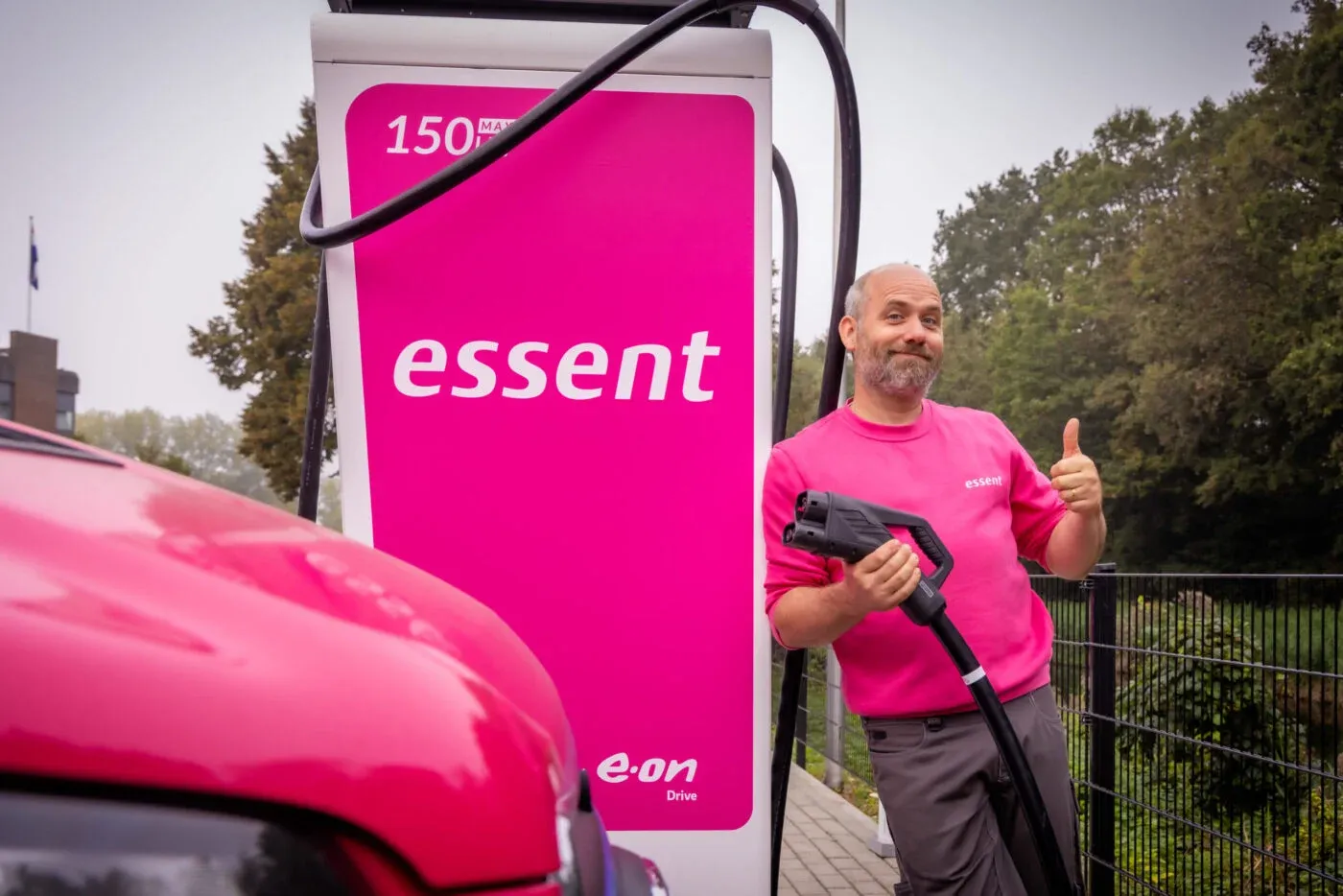
e.ON strengthens its position in the European market
Through the signed agreement, e.ON is integrating 46 of its own charging stations previously located in the Netherlands into Essent’s network as well. This consolidation gives the operator a leading position in the local fast-charging market. Additionally, the agreement transfers 45 secured plots of land for building more charging hubs to e.ON, ensuring steady growth in the coming years.
A new approach to energy management shows that the future of electromobility lies in flexibly adapting infrastructure to the capabilities of local grids. A role division, where eON is responsible for maintenance and hardware investments, while energy suppliers handle communication and sales, could serve as a model for future acquisitions in the BEV sector.
Edited by electromobilni.pl