
Simple and super cheap
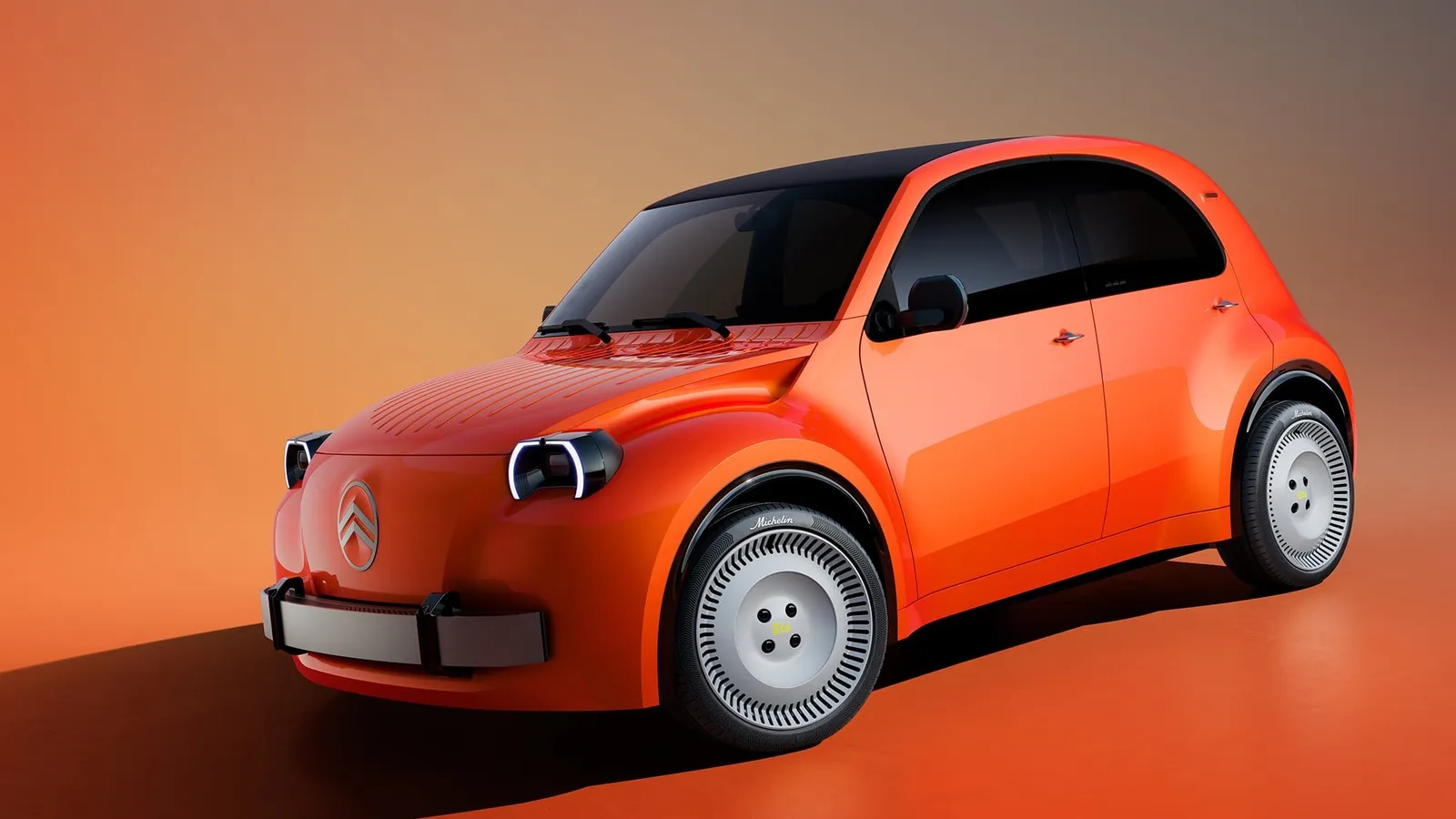
Citroën unveils two 2 CV names at Paris Motor Show. The concept features an electric car priced around 15,000 euros, with a launch expected by 2028.
12.10.2026 14:15 | Updated 14:16
According to Citroën, the goal isn’t to create an electric version of the old 2 CV, but rather to use the ideas behind the original as a basis for a new, affordable small car.
Really small
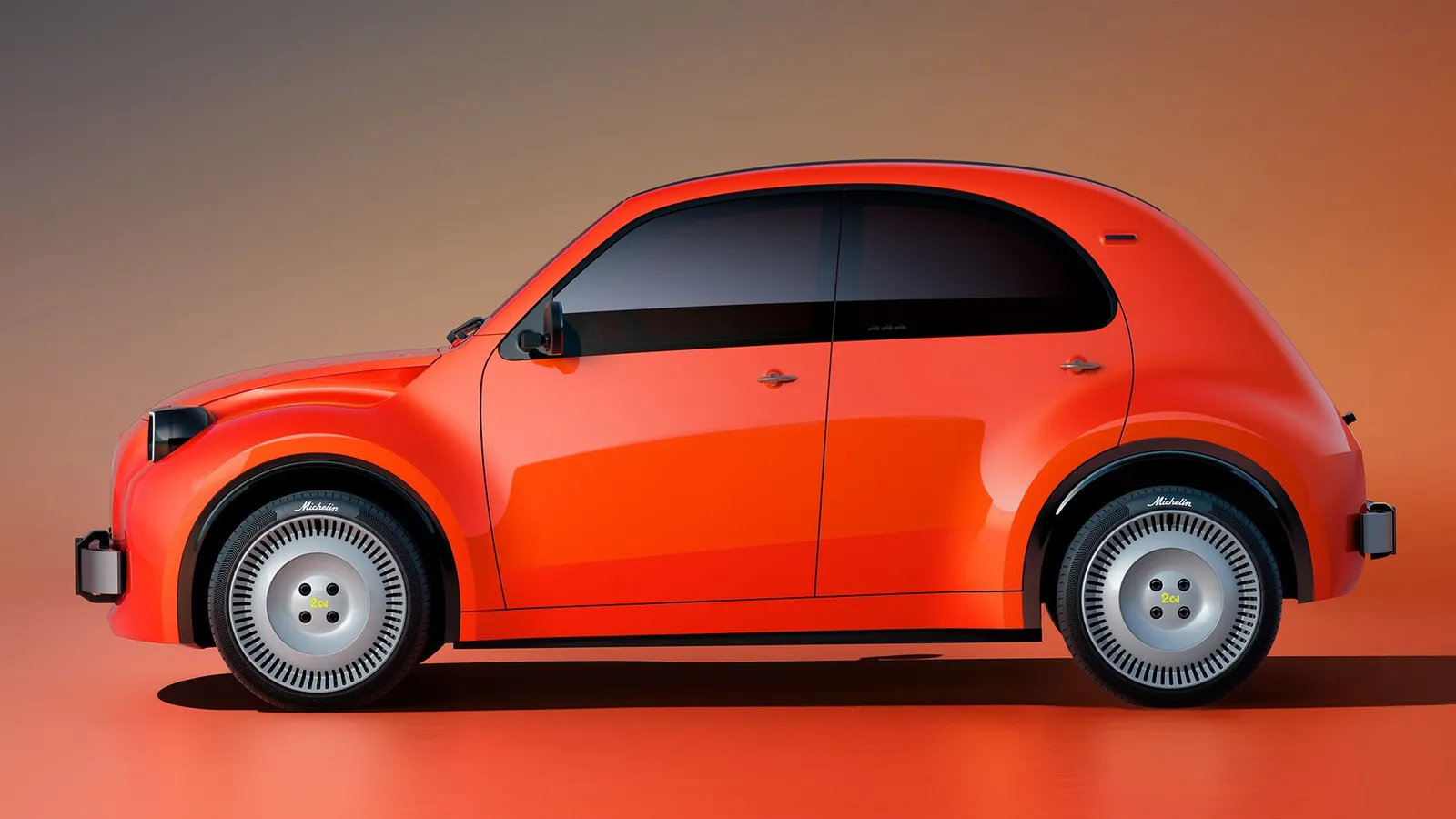
The concept is 3.76 meters long, making it a proper small car and actually shorter than the original 2 CV. Fortunately, they’ve focused on weight—Citroën aims for under one tonne.
The car is also meant to serve as a clear indicator of a production model that Citroën plans to introduce within two years.
Price expected to be around 15,000 euros
The plan is for the production model to be built in Europe with an initial price of around 15,000 euros. It is intended to sit between the very compact Ami, suitable for 14-year-olds to drive in France, and the C3 in Citroën’s lineup.
The car is being developed with upcoming European E-Car regulations in mind.
Haven’t heard of them? No wonder, but the EU is working on rules to make small cars simpler in order to lower prices, though no final regulations yet exist.
The 2 CV is currently Citroën’s interpretation of these rules. Citroën believes low weight will make it possible to use a smaller and more affordable battery while keeping both energy consumption and operating costs down.
But for now, everything is unclear. No battery capacity, engine performance, charging efficiency, or range are specified.
The Tanken is a car designed to work both in the city and on the road, with its compact size making it easy to drive and park.
Simple
An important aspect of the concept is to eliminate unnecessary complexity.
It’s doubtful whether they will proceed at the same pace as the original model. Considerations include weight, production costs, and repairs. Since some components are missing, they can’t be damaged either.
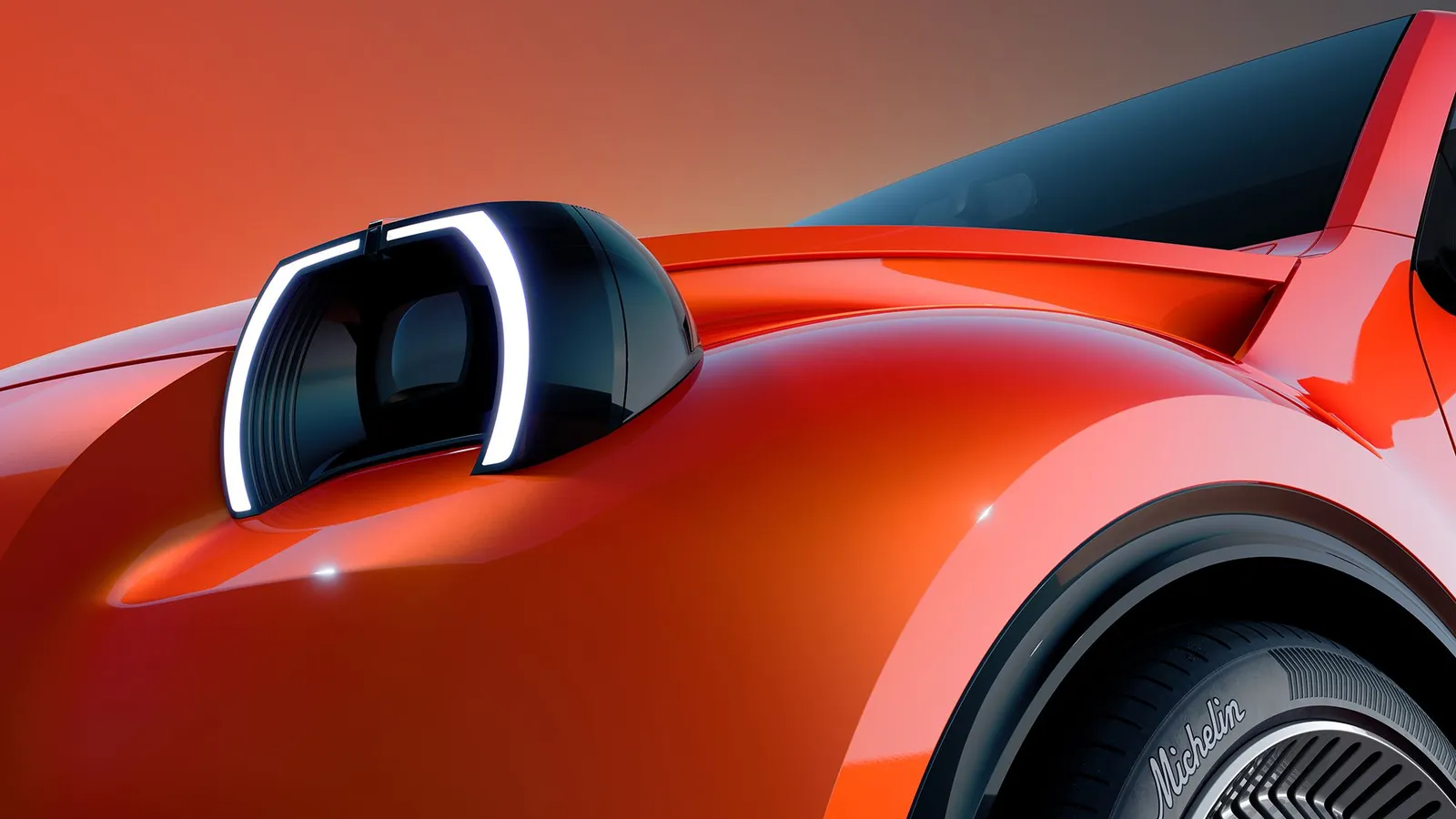
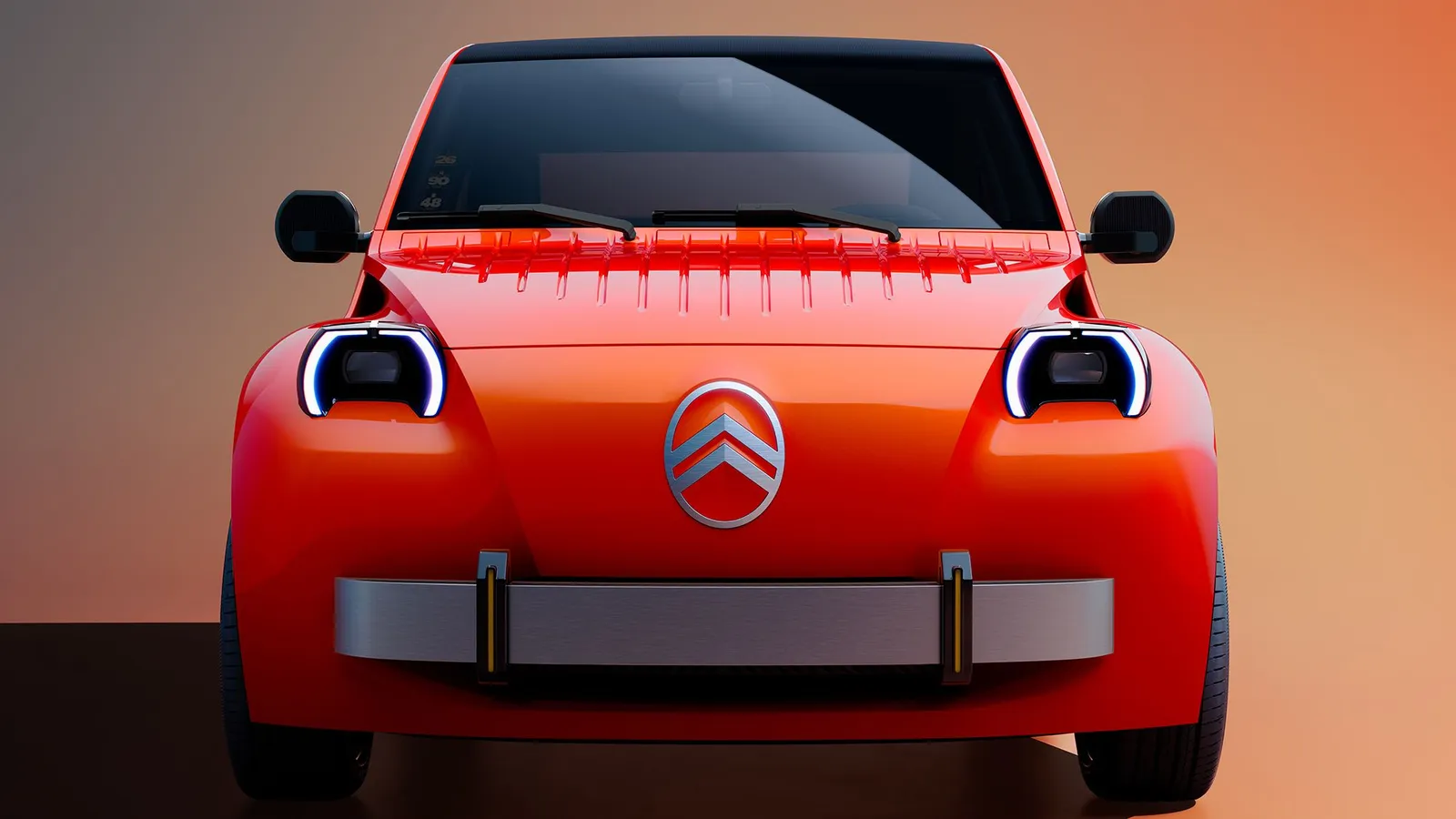
The Citroën trekker features flat body panels and fenders that are separate from the rest of the body. This is especially important in France, where people always bump into each other when parking.
Michelin has also contributed with what the company calls a universal digital twin of its tires. The system is designed to continuously monitor the condition of the tires and provide the vehicle with information that allows it to adjust its performance based on the conditions. It sounds a bit more complex at first and almost seems too advanced for a production car.
Still looks like a 2 CV
Although it’s not meant to be a copy of the original, the designers have incorporated many typical 2 CV elements. It remains one of the key icons associated with France.

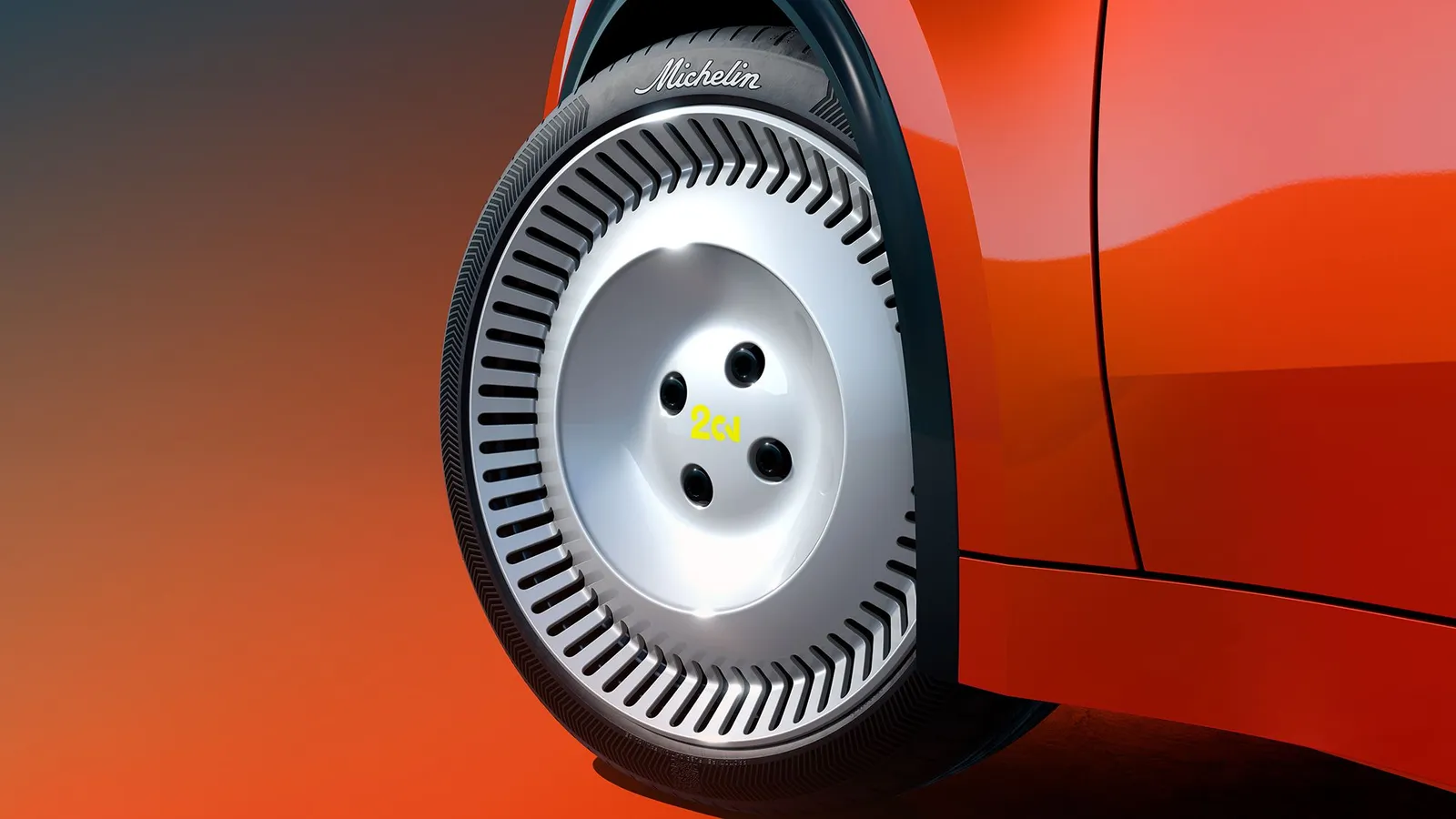
Examples include the silhouette with separate screens and a flat front profile, the separate front lights, the curved armor plating, visible window wipers, air intakes under the windows, large steel wheels—18 inches this time—and blinkers on the C-pillar.
And of course, it has a fabric roof that can be opened like a tuna can. But as mentioned, it’s both shorter and taller to maximize space utilization.
Just as simple on the inside
The original 2 CV has a very simple and spartan interior. They’ve perfected it there. There’s no dashboard. Everything is attached to the steering column, and of course they’ve kept the ingenious single-spoke wheel.
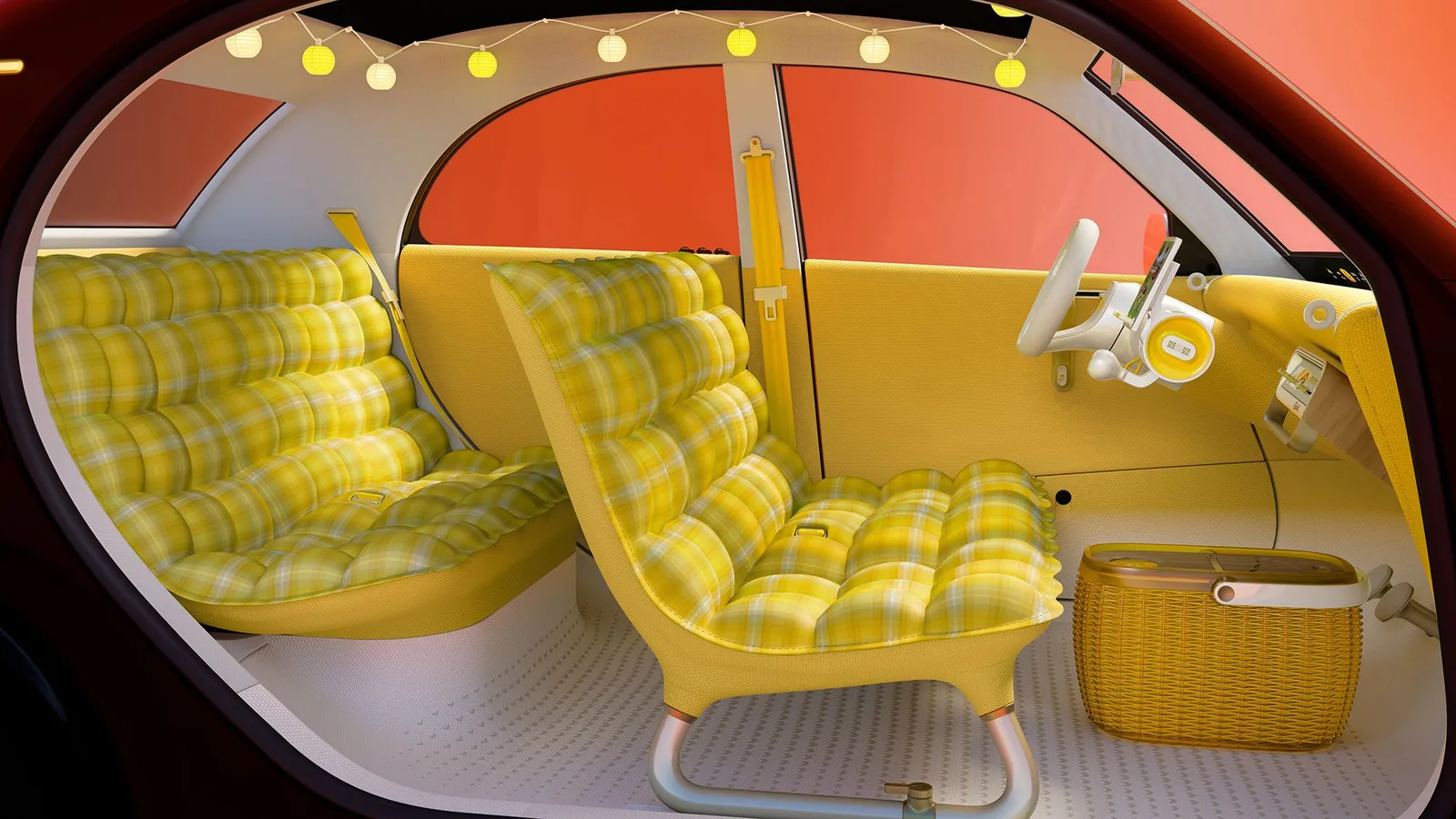
It’s a shame that the single oak is so wide. The most important information is displayed on the dashboard. Additionally, the concept car features an eight-inch square touchscreen with graphics inspired by cartoons.
More like this?
Sign up for our newsletter
– get car news straight to your inbox!
The door panels have been retracted to free up space, while the wide seats use Citroën Advanced Comfort technology. If they’re as comfortable as they look, that’s promising.
And of course, you can take out the front seat so you can use it outside if you wish. The radio can also be taken out; it has an integrated speaker and is charged in the car.
A removable storage basket replaces the traditional center console, and the door handles are designed like soft grips.
The material choices are also deliberately simple. Yellow tartan, inspired by the textiles used in the classic 2 CV, covers the seats. Beige accents on the steering wheel, dashboard, and seats are meant to evoke the plastic bakelite.
The floor, instrument panel, and door panels use textiles with a texture inspired by rolled curves. The storage compartment combines wood with 3D-printed bioplastics, while wood is also used around the radio unit.
Externally, the concept car is painted in Infra Red, a color based on orange with yellow and red tones.
Full of references to the original
Citroën has included numerous small references to the 2 CV’s history. The sound from the horn and the sound played when the electric drive system starts are meant to remind people of the original car. Heart-shaped badges serve as a reference to the model’s popularity.
The numbers 48, 90, and 26 on the front panel refer to three key years: 1948, when the 2 CV was introduced at the Paris Motor Show, 1990, when production ended, and 2026, when the new concept was unveiled.
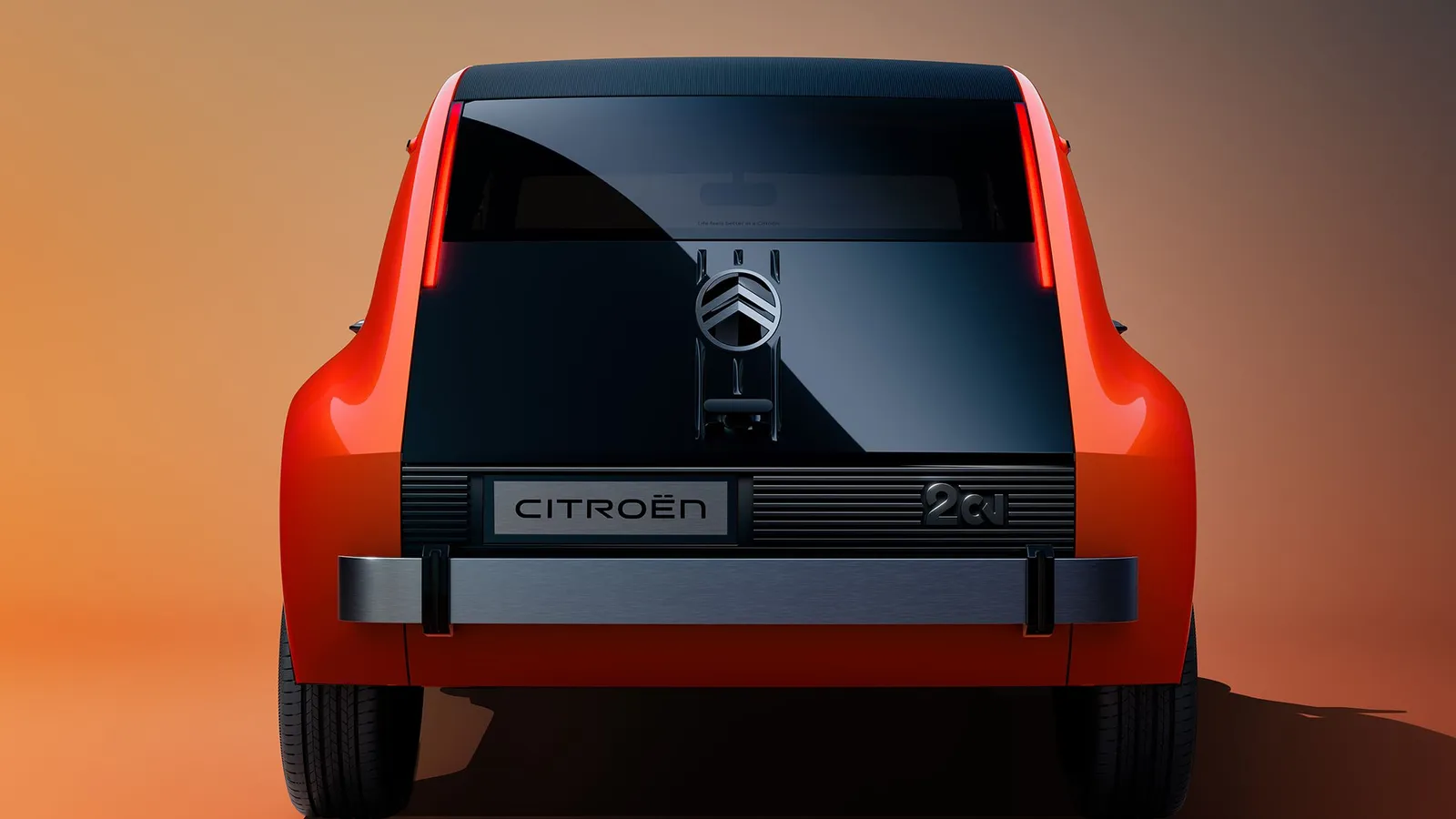
The registration plate features various nicknames the 2 CV has had around the world.
Even the pedals have historical and humorous details. The brake pedal is marked with a frog, while the accelerator pedal has a hare.
The storage compartments in the doors are designed to hold eggs, reflecting the practical needs that drove the development of the original 2 CV.
First concept under new rules
The new concept is not meant to revive the car in its original form, but rather to carry forward the idea of a simple, lightweight, and affordable means of transportation.
Citroën CEO Xavier Chardon believes the task has not been to copy the past, but rather to carry forward the simplicity, accessibility, and freedom that defined the original.
The perhaps most important takeaway from the premiere is not the retro design, but that the project actually aims for a new car.
Read also
The post Simple and supercheap appeared first on Norsk elbilforening.