
Electric agricultural tractor and cabbage harvesting. 27 kWh/hour, a charging break is needed at noon

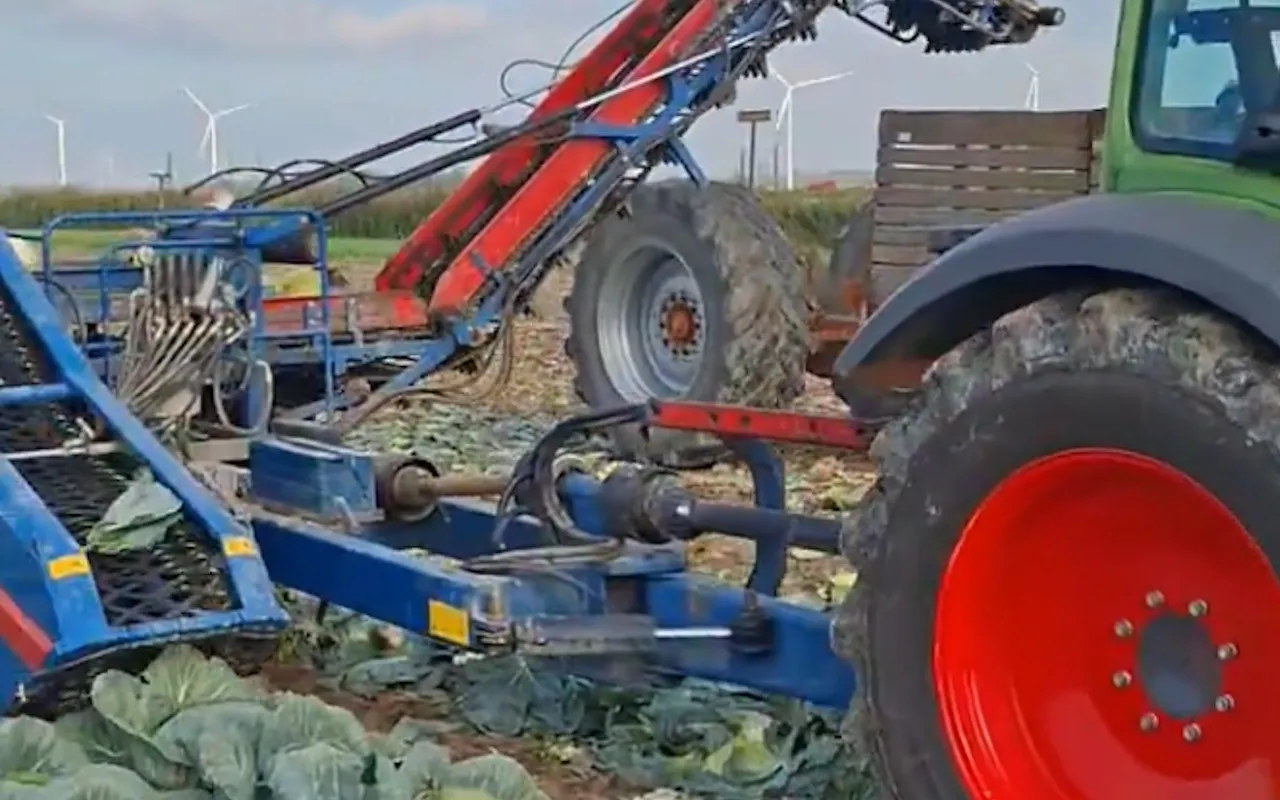
Dutchman Hoost Rijk showed off his cabbage harvest from his field. He achieves this using an electric tractor, the Fendt e107 V Vario, which has a battery with a capacity of 100 kWh. With an energy consumption of 27 kWh per hour, this provides just over three hours of continuous operation, after which he needs to leave the field and connect to a fast charger. Once charged, the vehicle is ready for another work cycle.
Electric tractor vs. diesel tractor – costs
Table of contents
Electric tractor vs. diesel tractor – costs
The cost-effectiveness of electric versus diesel tractors
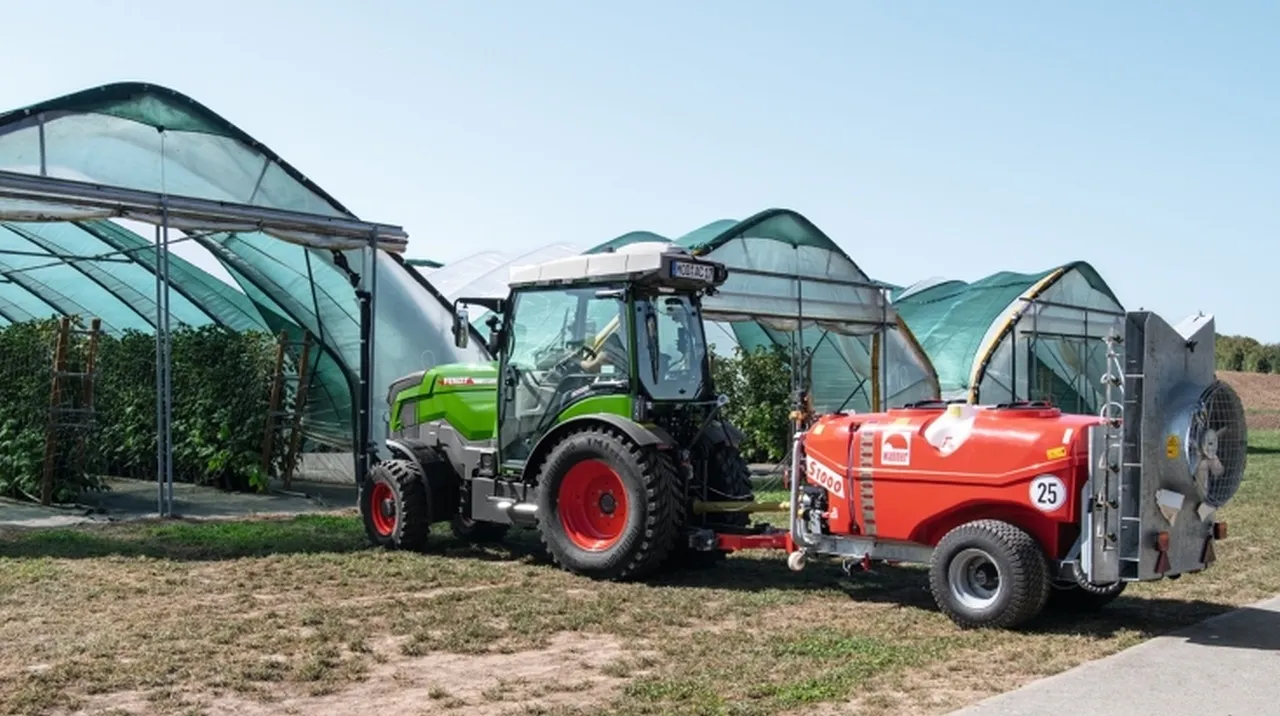
The Fendt e107 V Vario electric tractor, according to the manufacturer itself, was designed for farms with access to their own power. The “V” in its name symbolizes a vineyard, but “Vario” expands its applications to other specialty crops, greenhouses, as well as trailer towing and municipal work. The battery capacity is indeed 100 kWh, which, under “partial load” conditions such as leaf cutting or sweeping, should allow for 4-7 hours of operation. Tasks that require higher load levels result in correspondingly shorter runtime.
Electrically cool cutting!
We’re using our Fendt E107 for harvesting, and it’s working well, even though the battery capacity is a bit tight.
Consumption: 27 kWh per hour
Battery capacity: 100 kWh.
Charging it on the fast charger at noon makes it manageable. https://t.co/WytYEtXduM
— Joost Rijk (@RijkJoost) October 5, 2026
The Dutchman mentions that when harvesting cabbage, the tractor can operate for just under four hours before the battery is completely drained. Let’s assume it’s 3.25 hours, after which about 20 minutes are needed to drive off the field and connect to a charger. The tractor’s built-in AC-DC charger has only 22 kW, which would take 5 hours to fully charge such a battery. Therefore, a fast charger is necessary during field work—the vehicle can handle up to 80 kW.
80 kW sounds good even for medium power, but just in case let’s be prepared and assume it takes 1.5 hours to recharge to 100 kWh, meaning the total downtime, including stops and starts, is about 2 hours. Even now in October, after the autumn equinox, a tractor that starts at dawn can complete around 2.75 charge/discharge cycles. During harvest time, farmers work extremely intensively, so this time we won’t include any extra buffer.
The Cost-Effectiveness of Electric vs. Diesel Tractors
A 2.75 discharge/charge cycle results in losses of approximately 300 kWh of energy. At night, using a wallbox, this amounts to about 136 zlotys after accounting for fixed costs. During the day, it’s worse: assume the household doesn’t have its own DC charging station and must use a commercial service at 2.3 zlotys/kWh. Thus, one day of operation costs the farmer 113 kWh at night charged at 1.2 zlotys/kWh (AC-DC losses) plus 108 kWh in DC mode (with lower DC losses) charged at 2.3 zlotys/kWh, plus 0.75 times 108 kWh charged at 2.3 zlotys/kWh. The total cost for one day of operation without any savings, using a commercial charger at Biedronka, is 570 zlotys.
For comparison: a similar working day on diesel is about 70 liters, of course assuming similar downtime. The current fuel price regulated by the CPN package is around 7.6 PLN per liter of diesel. So an identical diesel tractor would consume fuel costing about 530 PLN — and that’s without considering taxes, which farmers can partially recover (over 1 PLN per liter). In short: in Poland, it’s more cost-effective for farmers to use a diesel tractor, unless they have their own energy sources and aren’t worried that the CPN package will soon expire.
Editor’s note from Elektrowozu: for electric tractors, we used the most unfavorable assumptions, while for diesel ones, we used the most favorable. Households with their own energy sources, not to mention those with energy storage, will show significantly better cost performance.
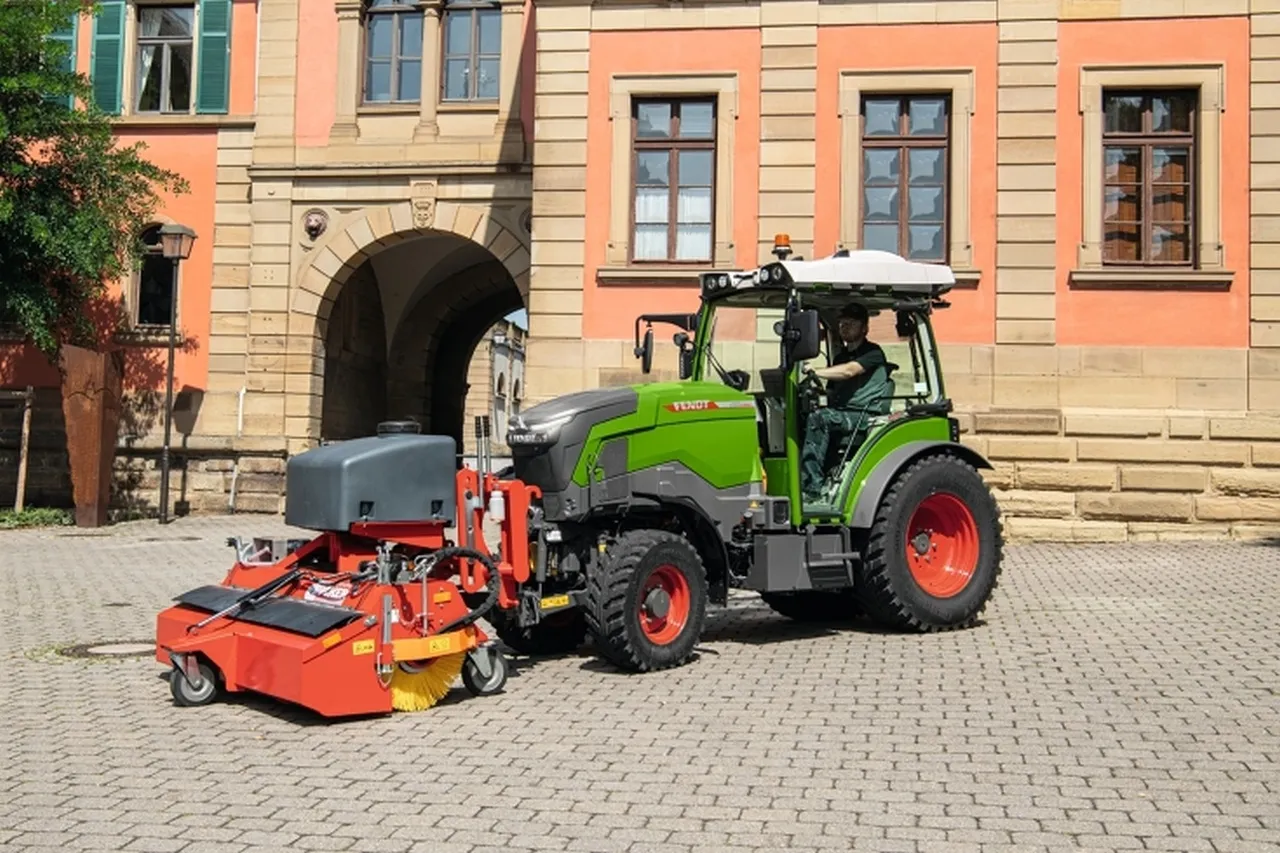
Fendt e107 V Vario in municipal work (c) Fendt
Article rating
Reader ratings
[Total: 0 votes Average: 0]
Don’t miss new content — CLICK and FOLLOW Elektrowoz.pl on Google News. You might also be interested in the following ads:
