
The Volkswagen ID. Tiguan now has a price: 454 km of range starting at 43,990 euros before any discounts or promotions.
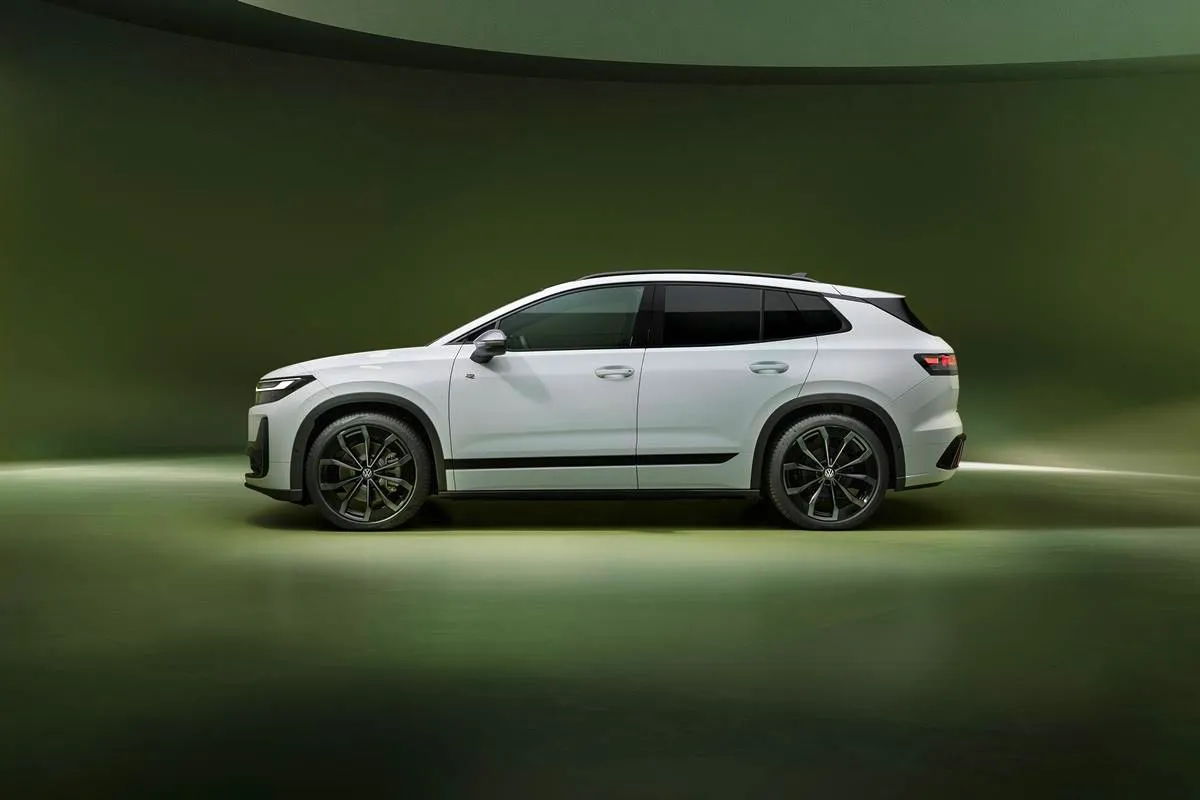
A few days ago, Volkswagen revealed the initial prices for the ID.Tiguan in Spain. However, these included promotions and government subsidies. Now, the German brand has launched a configurator in markets such as France, allowing us to see the actual price of this electric SUV.
The ID. Tiguan is set to enter the Spanish market in early 2027, replacing the current ID.4 and ID.5 models. The brand aims to leverage the strong sales performance of the conventional Tiguan with a combustion engine to strengthen its electric lineup in an increasingly competitive segment. Production of the new model will take place in Emden, Germany, while the regular Tiguan will continue to be manufactured in Wolfsburg.
Volkswagen ID. Tiguan: up to 605 kilometers of range and a four-wheel-drive version
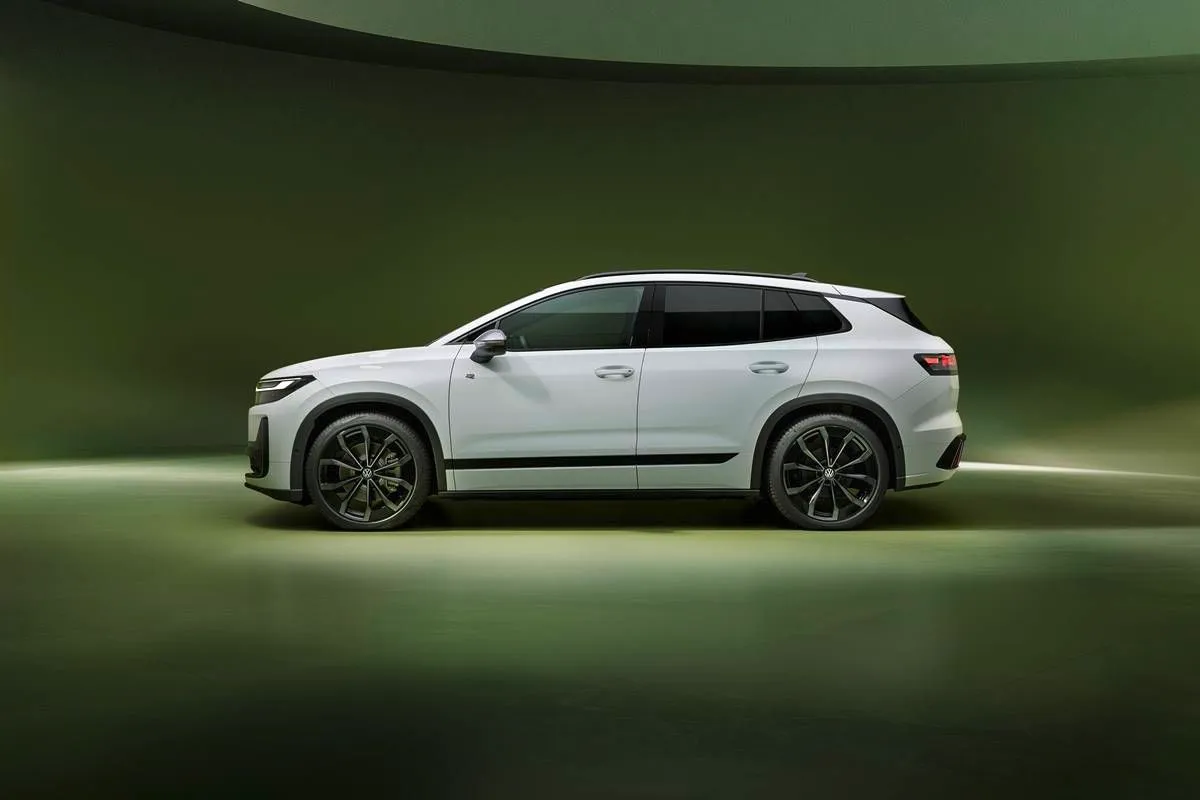
The Volkswagen ID. Tiguan will be available in three mechanical configurations, two with rear-wheel drive and one with all-wheel drive 4MOTION. The range offers two battery capacities and different power levels, including an entry-level version that uses a more cost-effective chemistry and other options that provide greater range or better performance.
The base version produces 140 kW (190 hp) and is equipped with a 58 kWh LFP battery, delivering a WLTP range of 454 kilometers. Above it is the rear-wheel-drive variant with 210 kW (286 hp) and a 77 kWh NCM battery, which allows up to 605 kilometers of range according to the WLTP cycle. This latter model will be the most attractive option for those who frequently travel long distances.
The third configuration combines two electric motors with full-wheel-drive 4MOTION. Its power reaches 220 kW (299 hp), while the 77 kWh battery provides a WLTP range of up to 564 kilometers. Volkswagen still needs to finalize the details regarding the performance of the various versions, so we will have to wait to know their acceleration figures and other data needed to compare them on an equal footing.
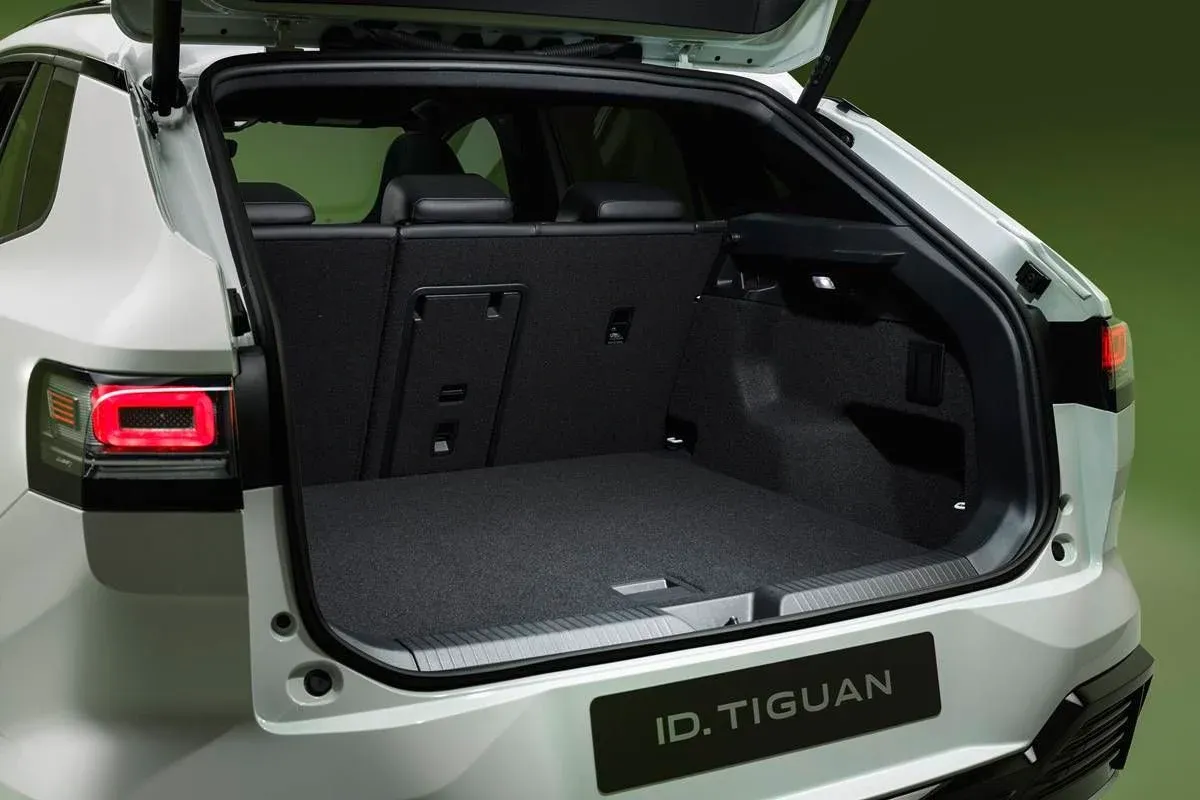
The towing capacity will also be important in this SUV. Volkswagen states up to 1,800 kg for the version with a 58 kWh battery and up to 2,000 kg in the variants with a 77 kWh battery. The rear trunk offers 534 liters, plus a front compartment of 32 liters that can be particularly useful for storing charging cables and other small items.
A more refined interior with more physical buttons
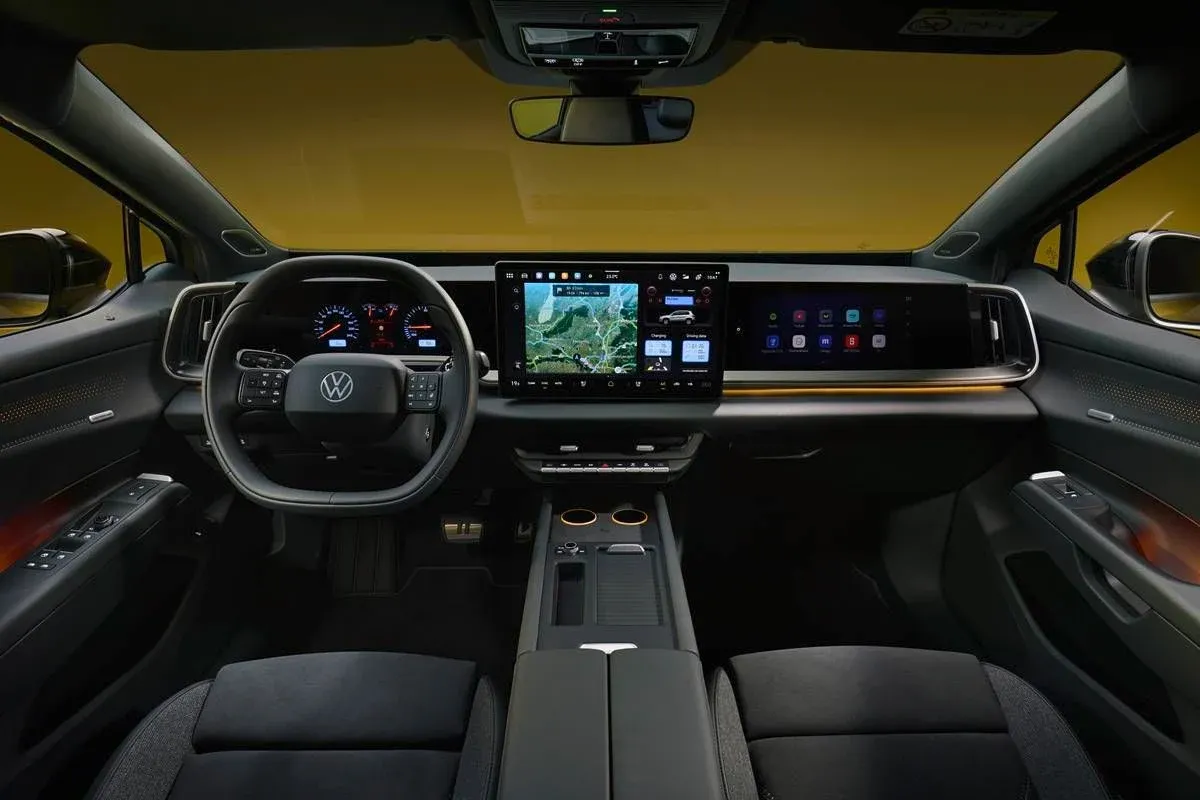
The interior represents one of the most significant changes compared to the current ID.4 and ID.5. Volkswagen claims to have improved the quality of materials and the overall design, with a combination of finishes, colors, and ambient lighting aimed at creating a more refined feel. The overhaul doesn’t focus solely on appearance but also affects how the car’s standard functions are used.
Among the new features is the option to add a 12-inch screen for the passenger, in addition to the 10-inch digital dashboard and the 15-inch central screen. The front passenger can access information, entertainment, and gaming content through their own screen, which is protected by a privacy filter to prevent the driver from seeing its contents. They can also listen to audio through Bluetooth headphones.
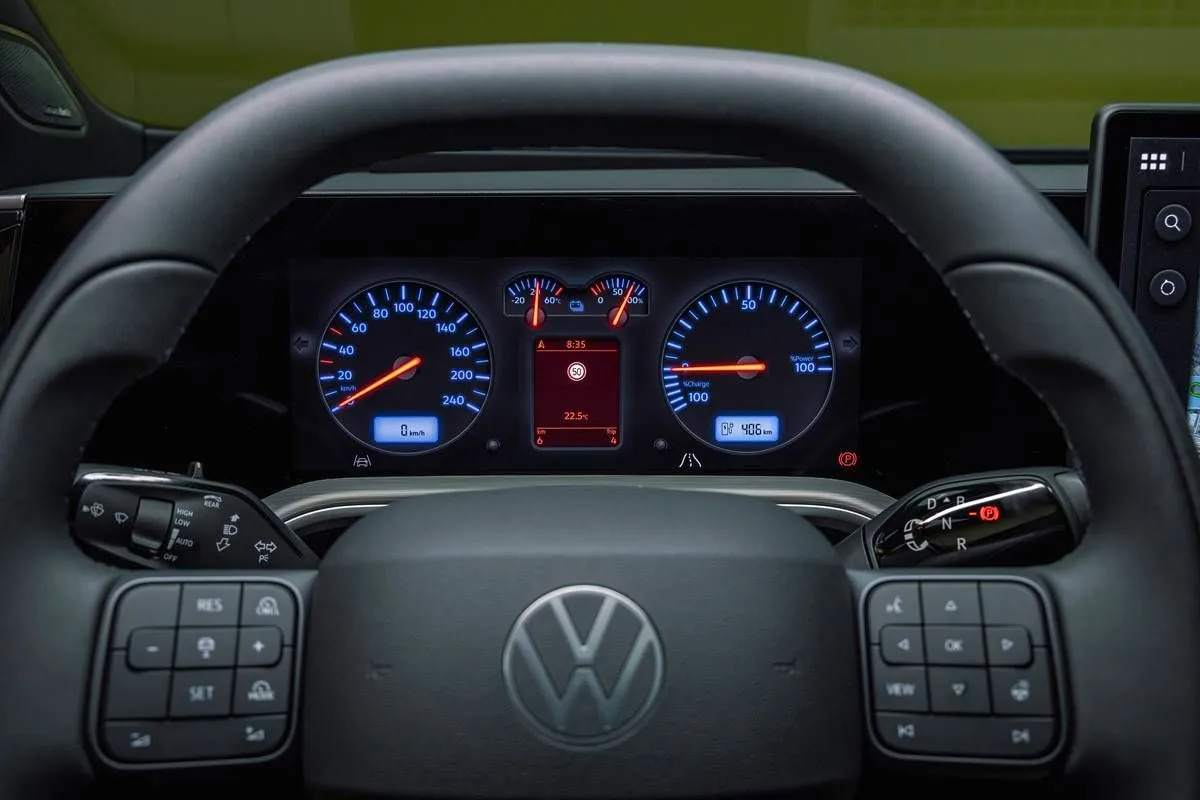
Volkswagen has also added several classic-inspired display modes. When the new Retro screens are activated, the dashboard adopts an aesthetic inspired by the instruments of the Golf IV, featuring a traditional speedometer and power indicator instead of an RPM counter. The central screen will allow for displays referencing the brand’s historic models, such as the Golf I and II Country, the first Tiguan, the Race Touareg, and the Beetle.
Ergonomics are also improved with the return of physical controls for the climate control and conventional buttons on the multifunction steering wheel. Volume and station or song selection can be controlled using a button on the center console or directly from the steering wheel. These changes address one of the recurring criticisms of previous ID. series models, where some everyday functions relied too heavily on touch controls.
At the front, there will be two wireless charging points for Qi2-compatible phones, complete with magnetic rings to keep them in place. The setup can be enhanced with electric, heated, ventilated front seats featuring massage functions, along with memory settings. Other options include a 480-watt Harman Kardon sound system and a panoramic roof.
Four finishes and an even more comprehensive tech package
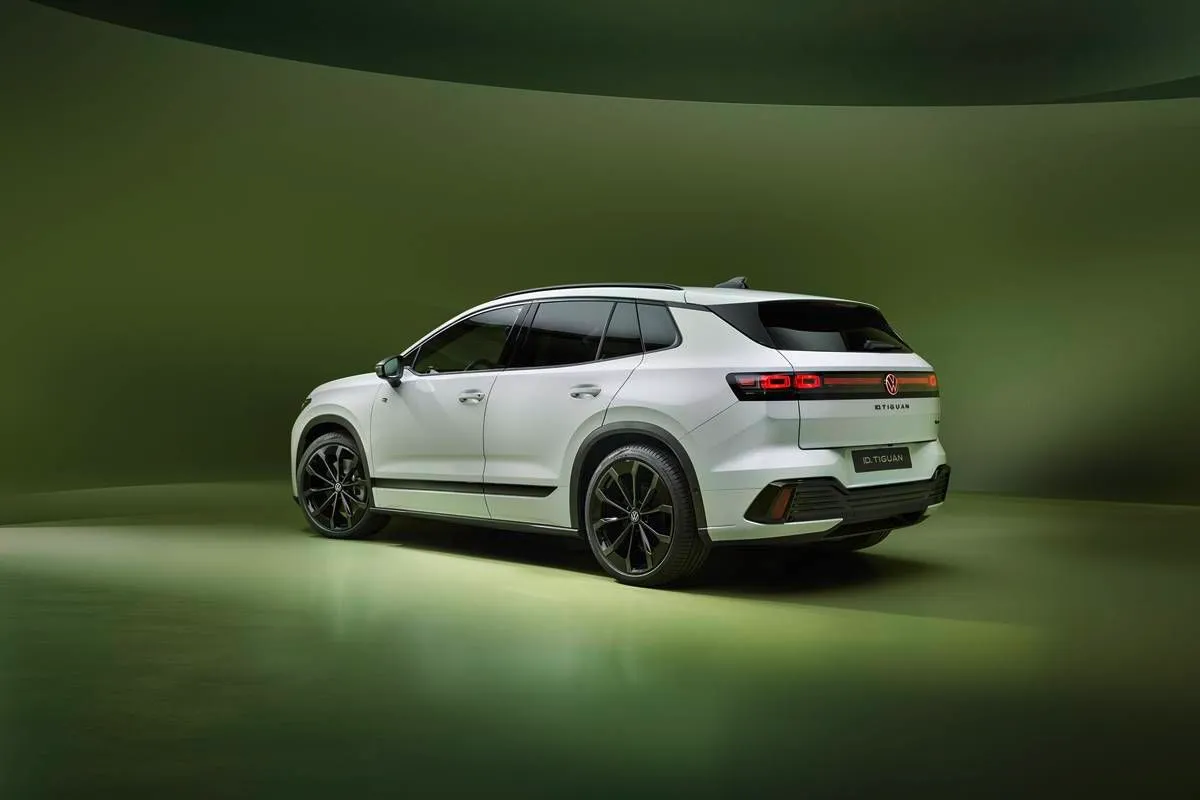
The Spanish range will be structured into four finish levels: Match, Life, Style, and R-Line. The latter will arrive in the first quarter of 2027, while Match, Life, and Style will be part of the initial offering. The differences between them will affect both the design and the comfort features, lighting, and driving assistance systems.
The Match trim will be the entry-level version of the range and will include 19-inch wheels, ambient lighting in ten colors, LED headlights and indicators, a two-zone climate control system, a rear camera, and front and rear parking sensors. It will also feature adaptive cruise control, lane-keeping assist, and surround view monitoring, high-beam assist, and a driving mode selector. The digital amenities will include a 10-inch dashboard and a 15-inch central screen, along with app connectivity, over-the-air updates, and reverse charging.
The Life trim will include full exterior paint, contrasting wheel arches, tinted windows, illuminated door handles, and an electric rear gate. It will also feature keyless access and start, an alarm system, a three-zone climate control, and heated front seats. In terms of technology, it will come equipped with the Innovision Pro navigation system, ID. Light interactive lighting, wireless phone charging, and digital key readiness.
On top of that will be the Style package, which adds 20-inch wheels, IQ.Light matrix headlights, three-dimensional rear lights, and a lit strip between the headlights accompanied by a illuminated Volkswagen logo. The interior will feature contrast-stitched trims, seats covered in ArtVelours, and ambient lighting in up to 30 colors. A heated and acoustic front windshield as well as advanced lighting functions will also be available.
Assistance technology will also play a significant role. The ID. Tiguan will feature one-pedal driving, which allows adjusting deceleration using the accelerator. Meanwhile, the Connected Travel Assist system can assist with lane changes on highways and recognize red traffic lights to stop the car when operating conditions permit. The specific availability of these features will depend on the equipment and market.
Another practical solution is the digital key, which will allow opening, closing, and starting the vehicle using a compatible phone. Access can be shared with other people through the Volkswagen app. Additionally, the PowerSocket adapter from the Vehicle-to-Load feature will enable using battery power to charge external electrical devices, a useful option for both leisure activities and powering small appliances.
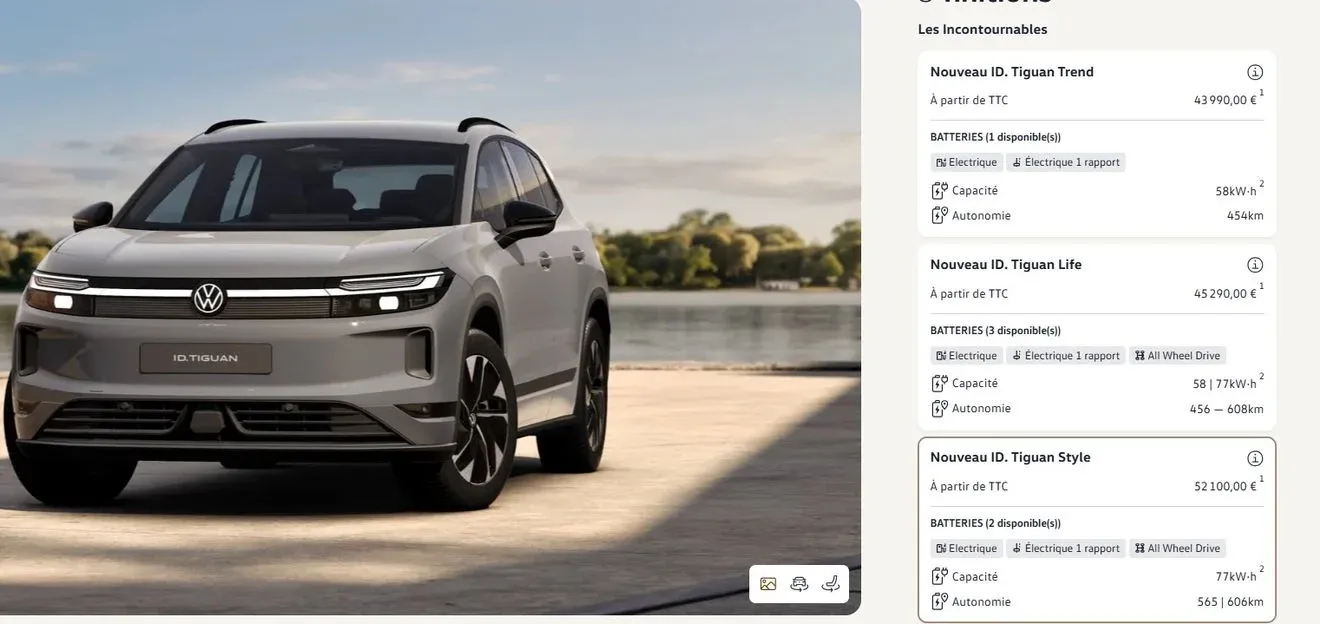
Volkswagen has already started revealing pricing for its new electric SUV. In France, the range begins with the ID. Tiguan Trend featuring a 58 kWh battery at 43,990 euros, while the Life version with the same battery costs 45,290 euros. Above that is the ID. Tiguan Style, which comes equipped with a 77 kWh battery and has a price of 52,100 euros.
These prices give a clearer idea of where the new model fits within Volkswagen’s electric lineup. The difference between the Trend and Life models with a 58 kWh battery is 1,300 euros, whereas upgrading to the Style model with a 77 kWh battery results in an increase of 6,810 euros compared to the Life version.
In Spain, Volkswagen had announced a price of 32,400 euros for the ID. Tiguan Match with a 58 kWh battery, subject to financing, subsidies from the Plan Auto+, and the CAES incentive. Thus, we see a clear discrepancy that indicates a strong commercial offer, combined with government subsidies, to achieve such a competitive price.