
The Volkswagen ID. Polo GTI already has a price: nearly 40,000 euros
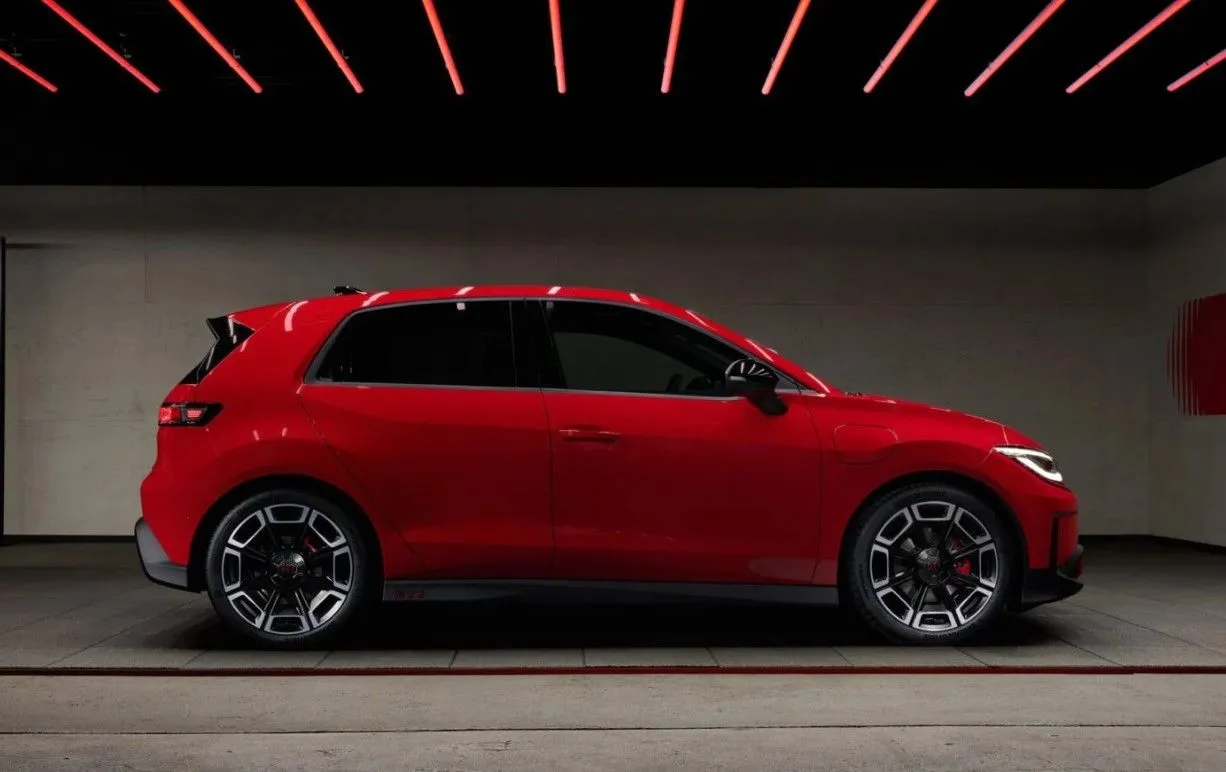
With the new Volkswagen ID. Polo GTI, the German manufacturer aims to bring to the electric world much of the formula that has defined the brand’s compact sports cars for decades: compact size, a more sporty tuning, and an easily recognizable aesthetic. On paper, it has strong reasons to do so.
The problem arises when we consider how much Volkswagen is asking for it. The ID. Polo GTI starts at 39,995 euros in Germany, a price that puts it in a quite competitive position for a car of its size.
This is a significant difference that justifies it solely through higher power and sporty tuning. Volkswagen, however, has made sure the GTI name isn’t just a matter of aesthetics. The new model features changes to the chassis, an electronically controlled front differential, and a dedicated driving mode designed to give it its own distinct character.
GTI in electric form
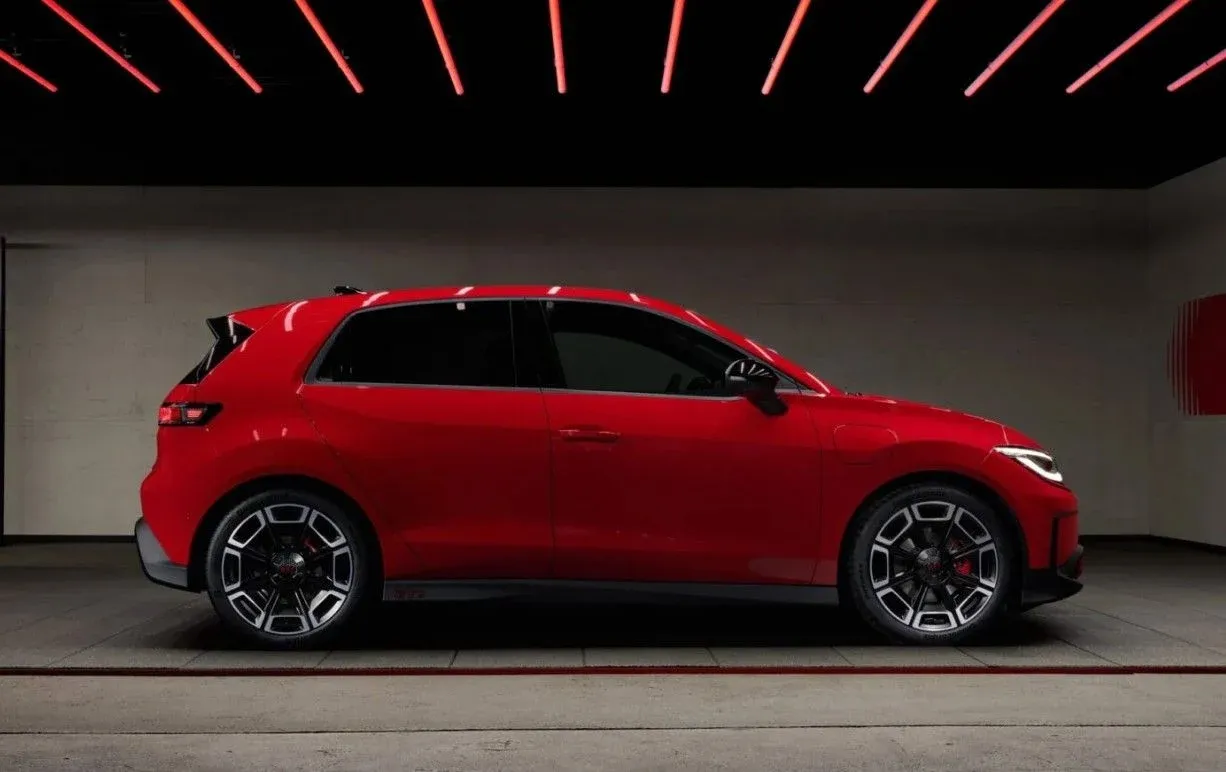
Until now, Volkswagen had used the acronym GTX to identify its most sporty electric versions. This term was generally associated with all-wheel-drive systems powered by a second electric motor, although the ID.3 GTX had already shown that the brand was willing to expand on this concept. The ID. Polo GTI takes a different approach by reusing an acronym with much deeper roots within Volkswagen.
The GTI name carries significant weight. The Polo GTI has always represented the idea of a relatively small car capable of delivering performance far beyond what its size would suggest. The new model aims to preserve this philosophy by replacing the internal combustion engine with an electric system.
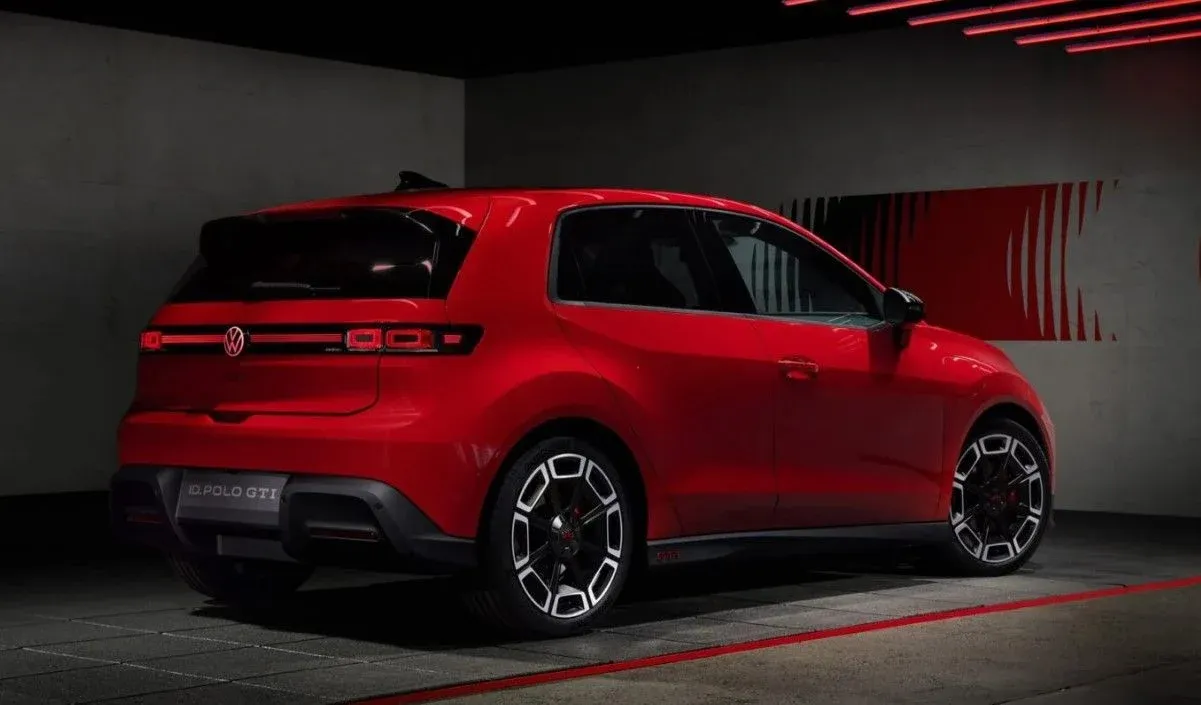
The ID. Polo GTI shares its architecture with the regular ID. Polo and uses the MEB+ platform. The main differences lie in its powertrain and, especially, the modifications made to the chassis. The APP290 engine drives the front wheels and produces 166 kW (226 hp) and 290 Nm of torque. This enables it to accelerate from 0 to 100 km/h in 6.8 seconds and reach a top speed of 190 km/h.
Volkswagen has also worked to ensure that this power doesn’t remain just another figure. The front axle features an electronic limited-slip differential, while the suspension setup combines a McPherson strut front axle with an interlinked rear axle. Additionally, the adaptive damping DCC system is standard and allows adjustments to the car’s handling response.
The driver can choose from Eco, Comfort, Sport, and Individual modes, but the star feature is the new GTI mode. By pressing a dedicated button on the sports steering wheel, the ID. Polo GTI simultaneously adjusts the engine response, steering, and suspension for a more sporty driving experience. It also enables launch control and modifies the function of the seat belt pretensioners.
On the outside, Volkswagen has followed the classic formula. The ID. Polo GTI features a honeycomb-patterned front grille, Tornado red accents, a roof spoiler, and 19-inch alloy wheels. Inside, there are the usual sporty seats along with other elements designed to immediately remind you that this is a GTI and not a regular ID. Polo.
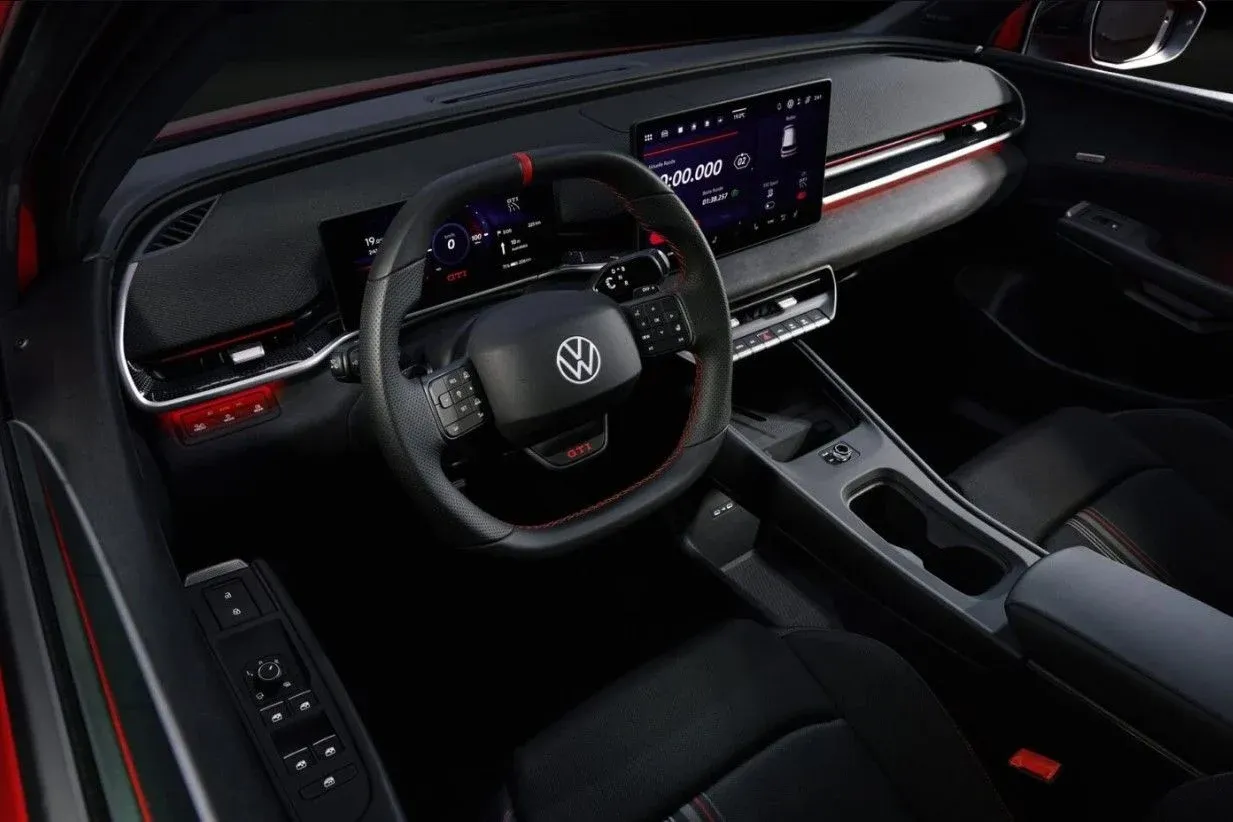
Optional equipment can further elevate its standard. Volkswagen offers a panoramic glass roof, electric front seats with 12 positions and air massage function, as well as a 425-watt Harman Kardon sound system. There is also the option to equip it with specific 19-inch sport tires.
In terms of energy, the ID. Polo GTI uses exclusively a 52 kWh battery with NMC chemistry. Volkswagen does not allow the 37 kWh LFP battery available in the base model to be installed in this version. The certified range reaches up to 431 km WLTP, a reasonable figure for a car of these specifications, though it is not particularly impressive considering its price.
Charging also shows no significant differences compared to some of its competitors. The onboard charger supports up to 11 kW in alternating current, taking a little over 5.5 hours to fully charge the battery. At direct current, it reaches 105 kW and requires just over 24 minutes to go from 10% to 80% charge.
And here lies the main problem with the new Volkswagen. 39,995 euros for an urban car with 226 horsepower and a WLTP range of 431 km is a very high price, even considering it’s a sporty model with better equipment than the regular ID. Polo. The 36,995 euros offered in promotions improves things slightly, but it still represents a significant difference compared to larger alternatives.
A high price, and a problem
If we focus on the numbers, in this segment we find models such as the Alpine A290 and the new Peugeot E-208 GTi. The Peugeot is clearly the most powerful of the three. Its engine delivers 207 kW (281 hp) and 345 Nm of torque, with a 0 to 100 km/h acceleration time of just 5.5 seconds. Additionally, Peugeot Sport has equipped it with a limited-slip differential and specific tuning, so this isn’t simply a 208 with a more powerful engine.
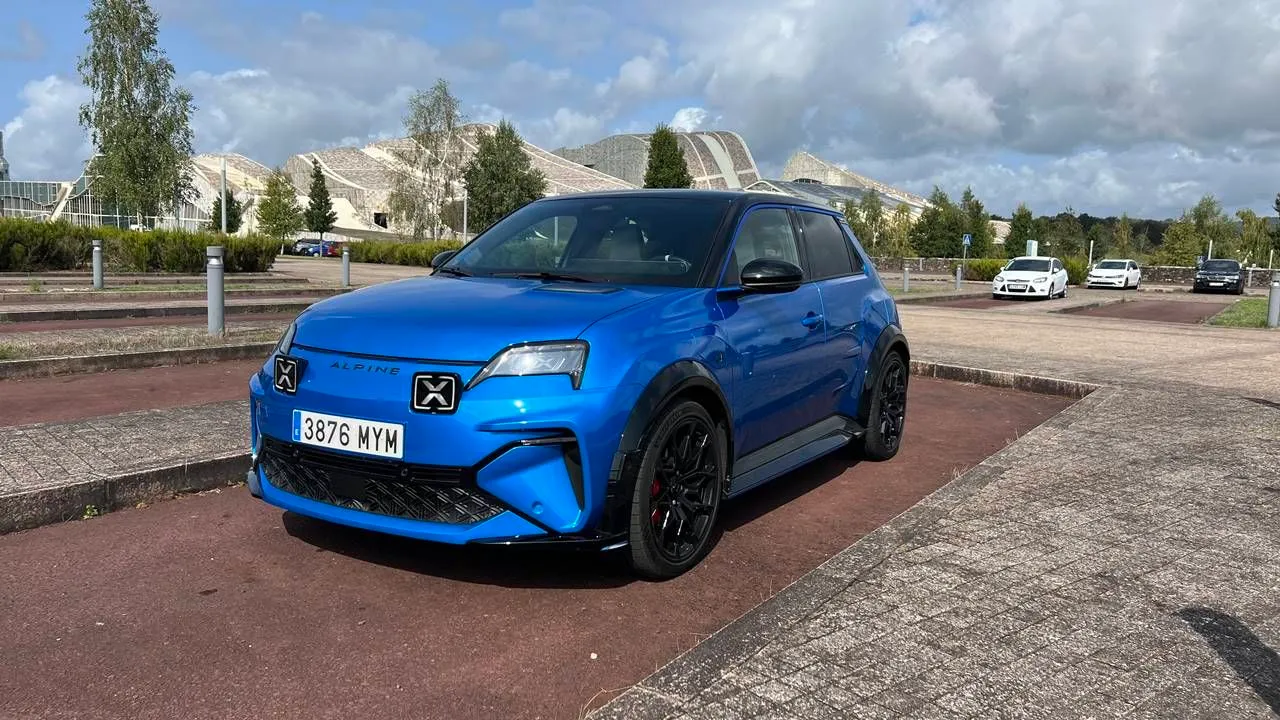
The Alpine A290 GTS is one step lower in power, delivering 220 horsepower, but its approach is likely the most focused on driving dynamics. Alpine has specifically tuned the chassis, tires, and torque management, allowing the A290 to accelerate in 6.4 seconds. The GTS version is also the most equipped in the range, featuring 19-inch Snowflake tires, along with a Devialet sound system and the brand’s specific instrumentation.
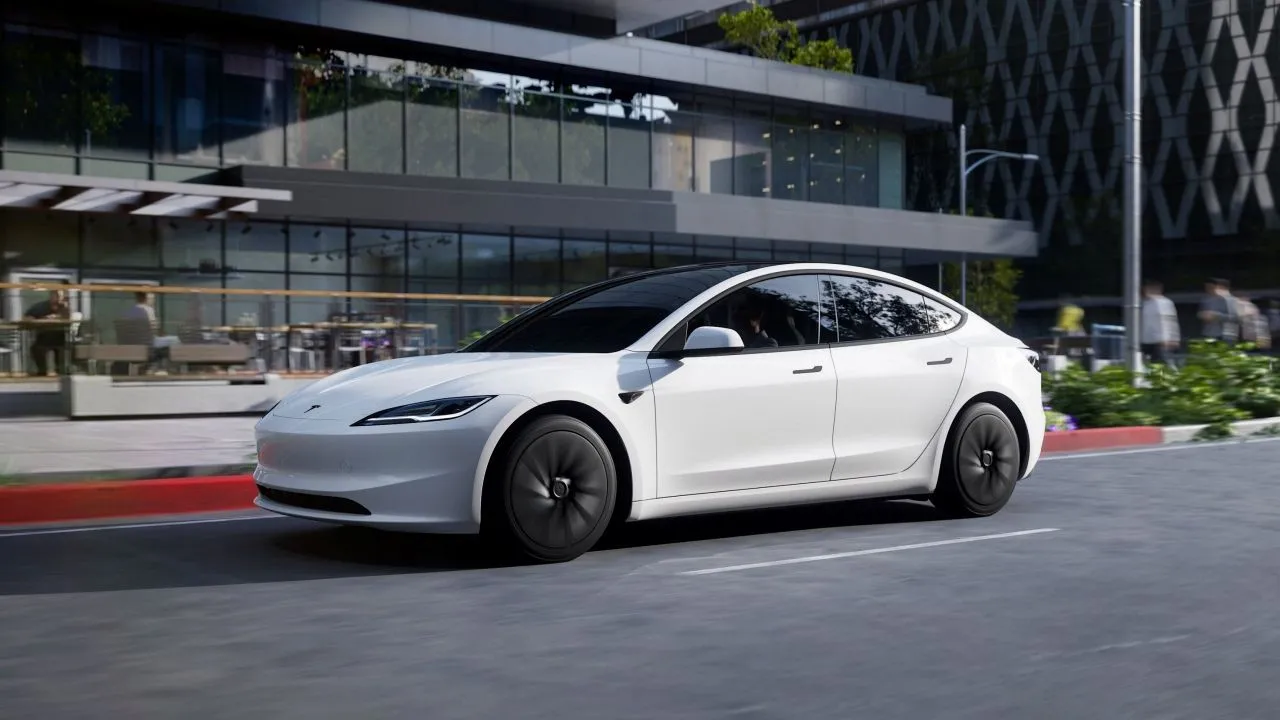
But the elephant in the room comes from across the world. That’s because for less money, a customer can take home a Tesla Model 3. The American sedan, in its base version, offers 283 horsepower, 6.2 seconds to reach 100 km/h, and a significantly higher range of 572 km WLTP. Additionally, it comes at a price much lower than the ID.Polo, starting at 33,365 euros in Spain with the Tesla Bonus. It’s true that they are very different cars, and the ID.Polo GTI relies on its compact size, sporty handling, and the emotional appeal of the GTI designation, but comparison becomes inevitable when prices are so close.
The Model 3 also offers a much larger body and significantly more cargo space, making it hard to ignore the difference when someone has around 37,000–40,000 euros to spend on an electric car. Volkswagen will need to convince customers that its compact size, GTI styling, and dynamic performance justify paying almost the same as for an electric sedan with a much higher range.
That doesn’t mean the ID. Polo GTI is pointless. On the contrary, it’s likely one of the most interesting compact electric cars for those looking for driving fun without needing a larger vehicle. The question is whether that audience will be willing to pay nearly 40,000 euros for it. And here, Volkswagen faces much tougher competition than the old Polo GTIs with internal combustion engines.
The first electric GTI from Volkswagen thus has a challenging mission. Technically, it meets expectations, retaining much of what makes these initials recognizable while adding specific tuning. But its price places it in a segment where being just a small sports car is no longer enough—something truly special must be offered to justify it.
