
The Tesla Model 3 dominates in Spain in September: it is the best-selling car, outpacing all internal combustion engines, though one statistic changes this picture.
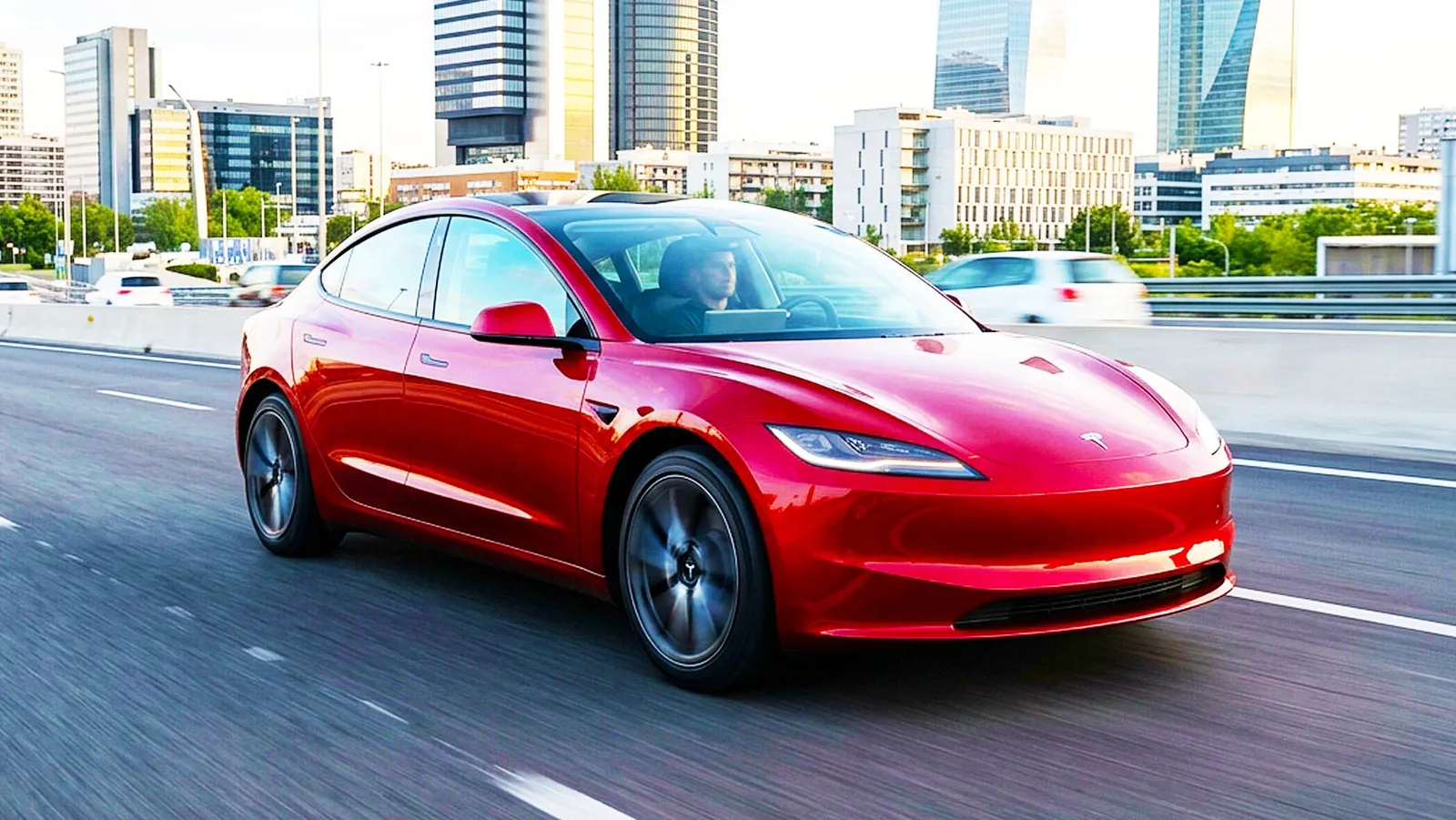
The Tesla Model 3 achieved a historic milestone for electric cars in Spain in September 2026. With 2,571 registrations, it became the best-selling sedan in the market that month, surpassing gasoline, diesel, and hybrid models.
However, there is a factor that changes the interpretation of these figures: Tesla’s strategy of concentrating much of its deliveries at the end of each quarter.
Tesla Model 3 Registrations in Spain, January-September 2026
Month
Registrations
January
80
February
1,260
March
1,400
April
190
May
1,260
June
2,060
July
57
August
210
September
2,571
Total January-September
9,058
Source: DGT Data, data captured for the January-September period of 2026. Values preceded by ≈ are visual estimates from the graph, not exact exported data. The total corresponds to the records displayed in the tool.
From 57 to 2,571 registrations in two months
DGT Data shows how much the results can vary from month to month. In July, only 57 Model 3 units were registered in Spain. Two months later, the figure soared to 2,571. This pattern does not necessarily mean demand increased by the same amount; it also reflects how the manufacturer distributes deliveries throughout the calendar year.
The monthly trend of the Tesla Model 3 in 2026 is characterized by significant fluctuations. The data provided by DGT Data for this analysis includes 9,058 records from January 1 to September 30.
The table shows an irregular pattern, with spikes in February and March, a decline in April, a recovery in May and June, and another drop in July. August foreshadowed the recovery that peaked in September, when the model reached its highest figure for the period.
This sequence of highs and lows makes it necessary to distinguish between registrations and actual demand. Registrations indicate when a vehicle is registered, but they alone do not reveal when the purchase decision was made nor allow for an accurate measurement of consumers' sustained interest.
Therefore, analyzing the market solely based on monthly figures can lead to incorrect conclusions. The end of a quarter is particularly significant for Tesla, whose deliveries tend to concentrate in certain periods.
Spain’s figures don’t tell the whole story
The Spanish market has its own characteristics that also influence how results are interpreted. Its size is relatively small within the broader European market, and buyers’ purchasing power limits access to vehicles that remain expensive for a portion of the population.
Thus, just because one model leads Spanish registrations for a month doesn’t necessarily mean it is performing equally well in Europe or that its market position is equally strong across all markets.
To assess the development of the Model 3, it is more useful to examine longer time periods, compare cumulative figures, and study its performance across the entire European market. This approach helps reduce the impact of concentrated deliveries and provides a more accurate picture of demand.
The results for September remain significant: an electric vehicle can take the top spot in the Spanish market. However, this alone does not prove that the Model 3 will maintain this leadership in the coming months.
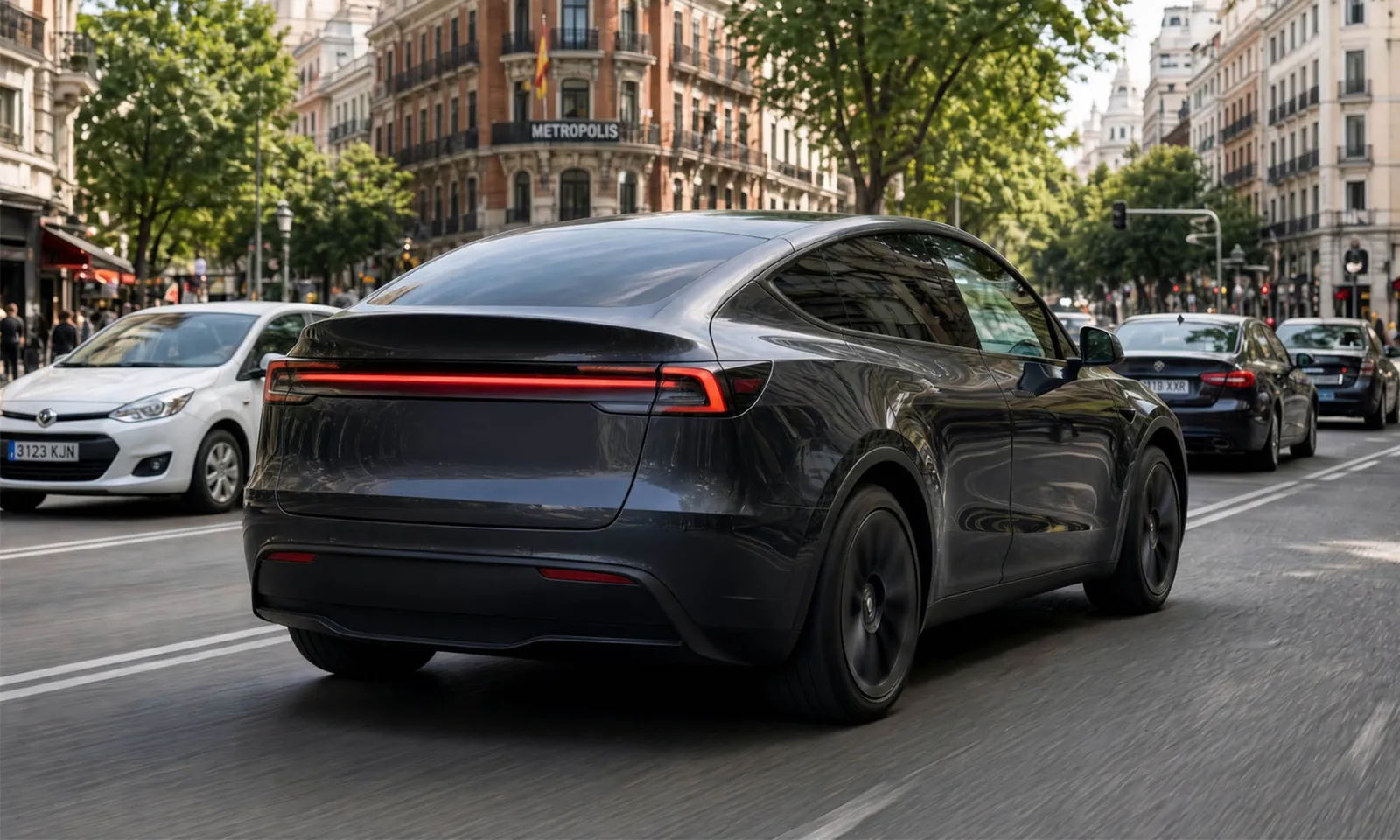
The Model Y focuses on its entry-level version
Another significant factor in understanding Tesla’s business strategy is the performance of the Model Y, the brand’s SUV. In Spain, the version with the highest number of registrations is already the entry-level model in the range.
This variant omits the interior trim that reveals the glass roof, simplifies certain lighting and screen features, and uses a suspension setup for greater comfort.
The trend highlights the importance of entry-level versions in expanding the potential customer base for electric vehicles. In a price-sensitive market, reducing the entry cost can be just as crucial as adding more features or equipment.
The Tesla Model 3 has shown it can lead the sedan segment in Spain. However, its 2,571 registrations in September must be viewed alongside the 57 in July and the performance for the rest of the year.
The conclusion isn’t that the result is worthless, but rather that it needs context. To determine whether the model is in a phase of sustained growth, it will be necessary to examine cumulative registrations, European trends, and the consistency of deliveries.