
The risk of another blackout in Spain is once again on the table: signs that concern Red Eléctrica
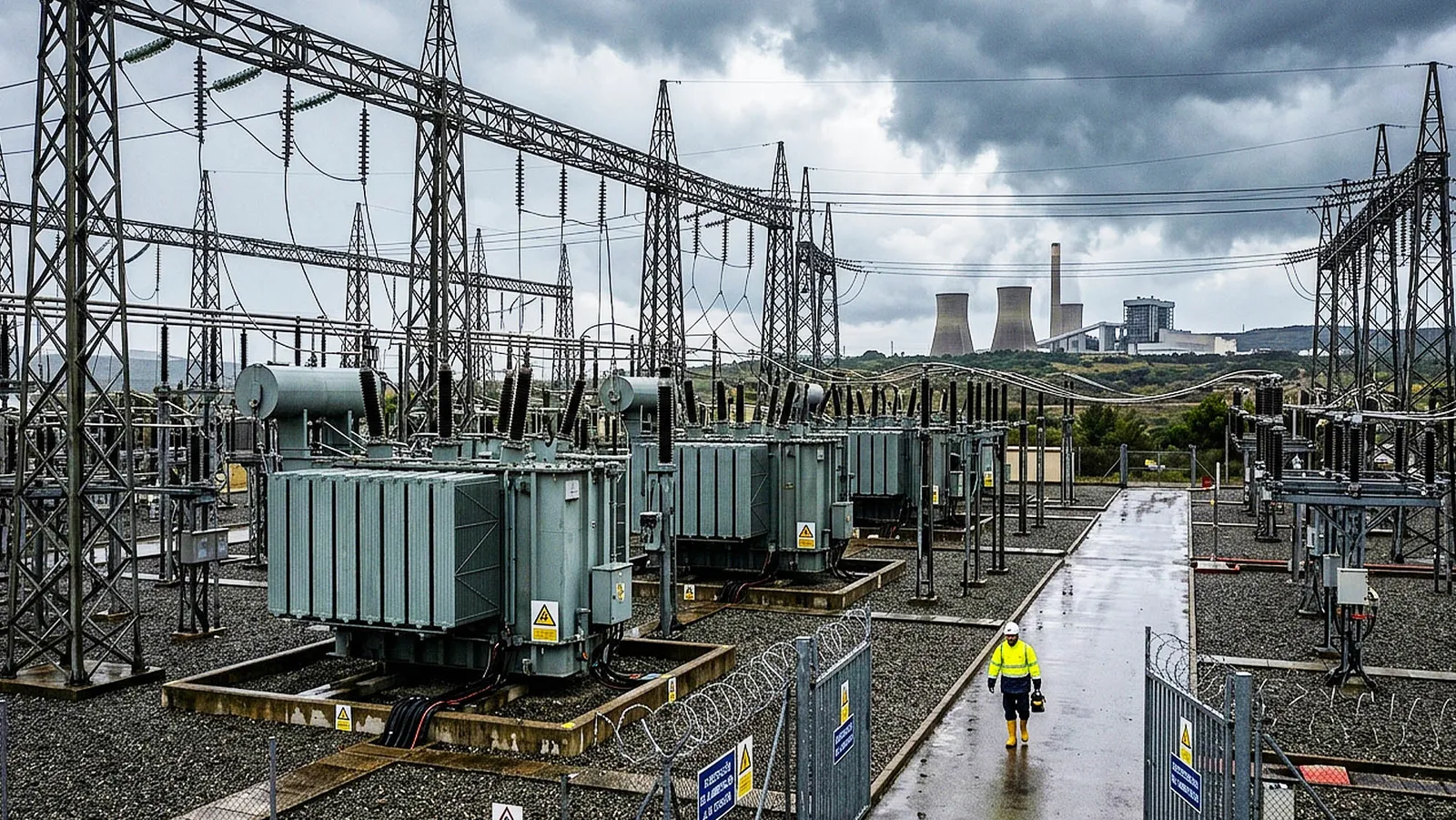
The risk of another power outage in Spain has once again raised concerns following several incidents that have tested the balance between electricity generation and demand. The activation of the mechanism allowing temporary suspension of power to certain industries, along with the unexpected shutdown of the Cofrentes nuclear plant, has once more placed system stability at the center of the debate.
On Tuesday, October 6, Red Eléctrica activated the Demand Response Active service (SRAD) twice, at 7:43 p.m. and 8:02 p.m. The first time, it requested a reduction of 832 megawatts (MW) in consumption, and the second time, 943 MW—the highest level recorded during an activation in 2026, according to data released on these incidents.
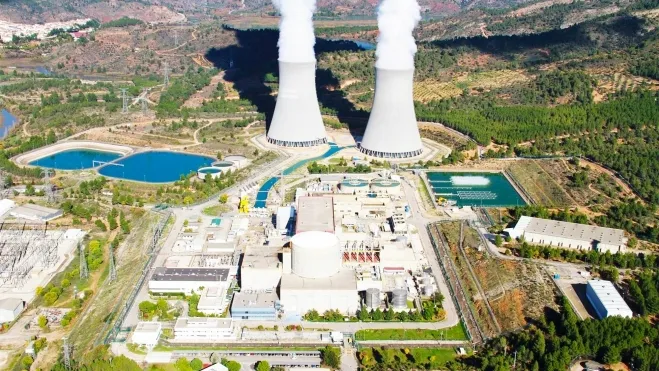
Cofrentes outage adds pressure to the system
The mechanism allows certain industrial facilities to temporarily reduce their operations when the operator needs to adjust electricity consumption based on available supply. Participating companies receive compensation for maintaining this response capacity.
The reason for these interventions was lower power generation than expected, amid high unavailability of thermal power plants and low renewable energy production at the end of a stormy afternoon. With these two activations, SRAD has been used 11 times in 2026: twice in the first half of the year and nine since July.
The repetition of these measures shows that the system has had to rely more frequently on demand flexibility. However, activating this mechanism does not mean a power outage is occurring or that there is necessarily an imminent risk of widespread supply disruption.
These incidents were compounded by the unplanned shutdown of the Cofrentes nuclear power plant in Valencia. The facility informed the Nuclear Safety Council of its inability to operate due to a failure in a power supply for the main turbine, related to components in several safety systems.
The regulatory body stated that the incident had no impact on workers, the public, or the environment. The initial plan was to begin restart procedures on Thursday and reconnect the plant to the grid on Friday.
The outage reduced nuclear power’s contribution to the electricity system. According to figures published based on data from Red Eléctrica, nuclear power generation to meet demand dropped from 6,972 MWh to 5,911 MWh after the shutdown.
However, the operator stated that the disconnection of Cofrentes and the two activations of SRAD were independent events. Their temporal coincidence does not allow us to conclude that there was a single cause or that both incidents resulted from the same technical problem.
What really happened during the blackout on April 28, 2025
To assess the risk of another power outage, it is necessary to remember that the blackout on April 28, 2025, was not simply due to a lack of generation.
The final report by the European expert panel, published on March 20, 2026, concluded that the incident had a multifactorial origin. Among the identified causes were two critical oscillations, improper disconnections of generation facilities, and deficiencies in the dynamic voltage control of certain conventional units. The disconnection of numerous small photovoltaic installations, mainly for self-consumption, during these oscillations also played a role.
The combination of these factors triggered a sequence of disconnections and voltage spikes that ultimately led to the collapse of the Iberian Peninsula’s electrical system. The incident also affected Portugal and highlighted the importance of ensuring that different generation technologies meet their technical requirements and respond appropriately to disturbances.
Therefore, a nuclear shutdown or the need to reduce industrial consumption alone do not recreate the conditions that caused that blackout. The decisive question is whether the system can absorb an incident without triggering a chain reaction.
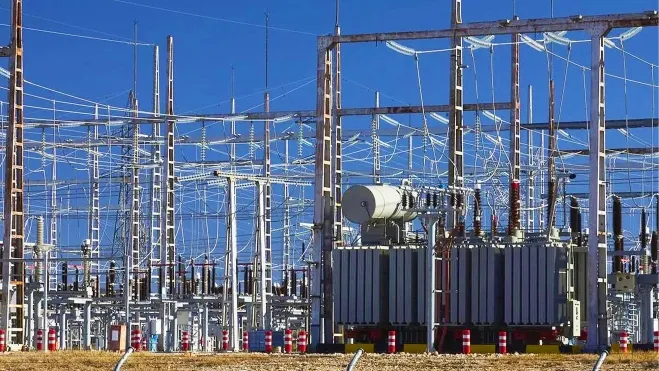
Could another widespread blackout occur?
The possibility of another serious incident cannot be completely ruled out. No electricity system is free from failures, but the data from October also does not indicate that Spain is on the verge of another blackout like the one in 2025.
The April incident highlighted the need to improve voltage control, the response of generation facilities, and the ability to prevent cascading outages. Red Eléctrica has announced the implementation of corrective measures, including a new dynamic voltage control service, in line with the technical recommendations issued after the incident.
The integration of renewable energies presents operational challenges because solar and wind power generation depends on weather conditions. However, attributing the risk solely to renewables would be incorrect: the European report identified a combination of technical and operational factors, rather than a single responsible technology.
It is also essential to have backup power generation, resources capable of regulating voltage, and mechanisms that allow for rapid response to unexpected changes in supply and demand.
The two industrial outages and the shutdown at Cofrentes are events that justify monitoring the system’s development, especially if situations of insufficient available power generation recur. But they do not, on their own, indicate that blackouts will happen again.