
The Renault Twingo comes equipped with features many were expecting: the Twingobay is here.
When the fourth-generation Renault Twingo debuted just under a year ago, its charming retro-futuristic design received unanimous praise from the public and industry press. However, many pointed out a notable absence: the canvas roof that was present in the original model from the 1990s. Interestingly, this feature is available on the R4 version.
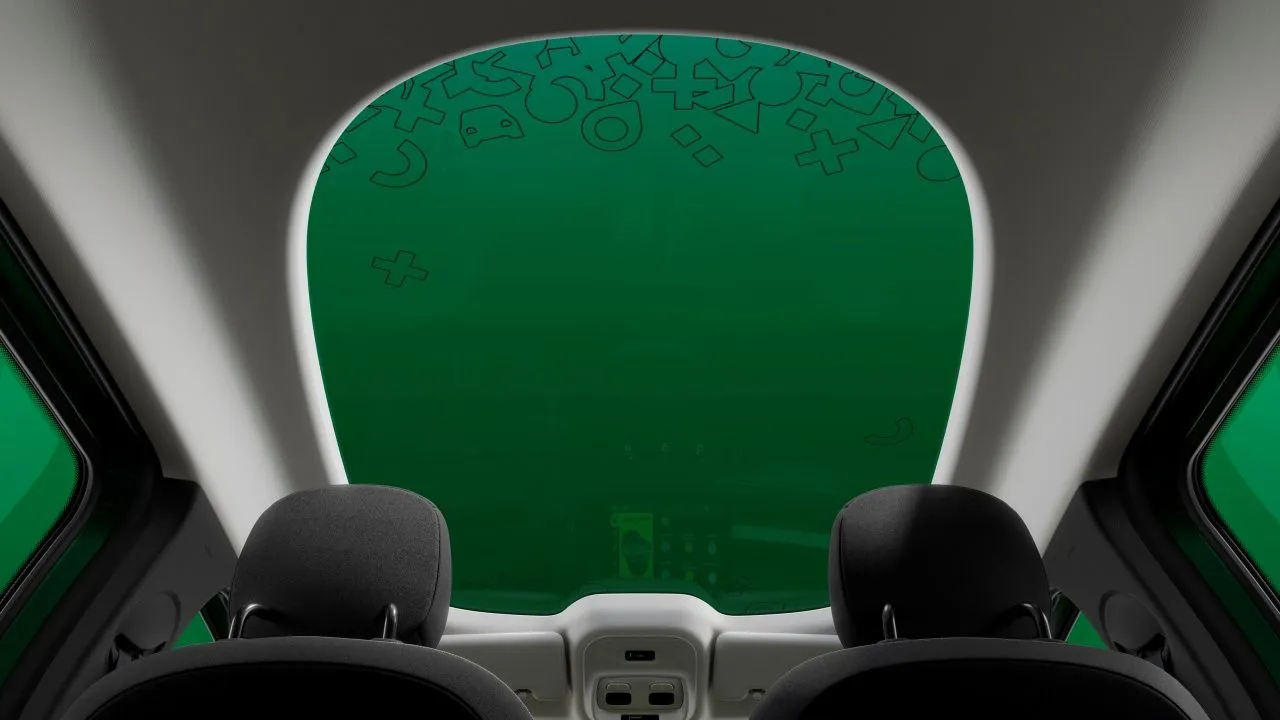
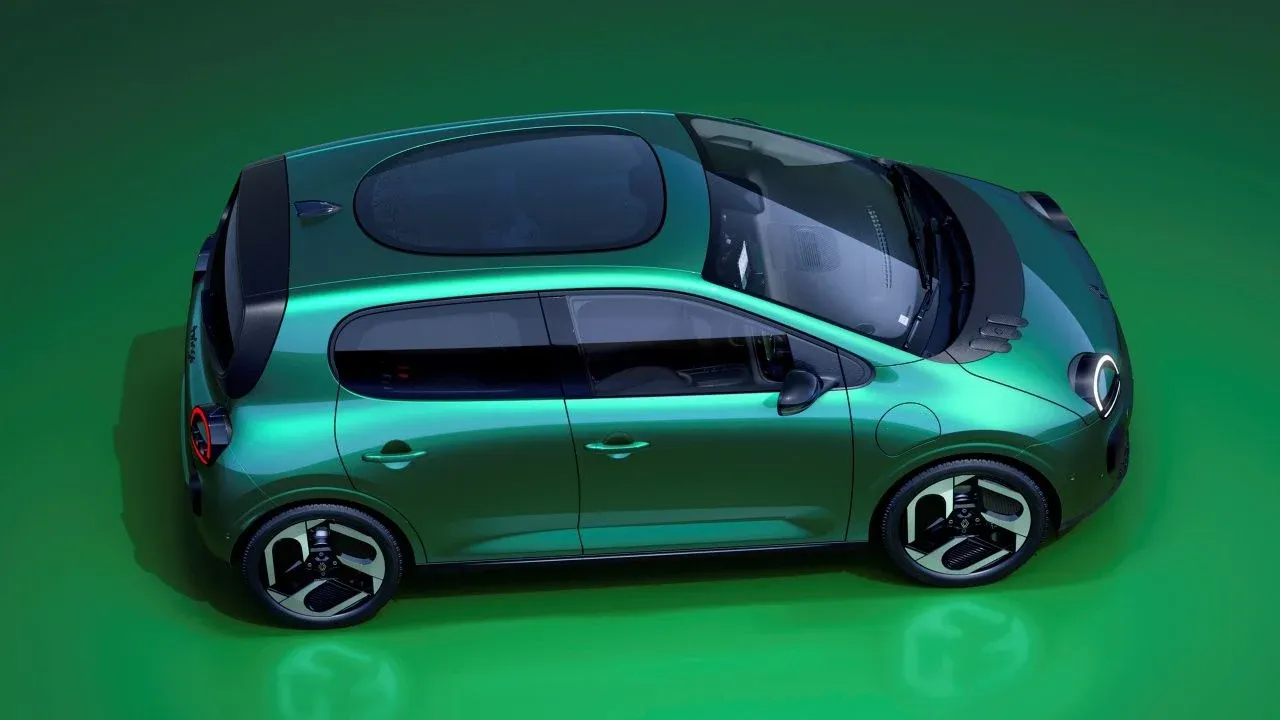
Now, the brand has added an optional feature that will delight those who want a brighter Twingo: the Twingobay panoramic roof, which covers an area of 0.7 square meters. It is a nearly oval-shaped glass roof with rounded corners. According to Renault, these rounded contours are in line with the vehicle’s character.
The interior glass incorporates the model’s graphic design language. Renault has used a multi-layer technology capable of filtering 99.9% of UV rays and blocking most infrared radiation; additionally, a low-emissivity coating helps maintain a comfortable temperature inside the cabin regardless of the time of year.
According to the brand, this thermal control eliminates the need for a sunshade, reducing weight and enhancing the sense of space. This won’t be the only innovation introduced by the Twingo at the upcoming Paris Motor Show, as it will also benefit from the Gemini artificial intelligence assistant as part of an optional over-the-air update for Google Assistant.
The Renault Twingo Makes a Strong Debut in Europe
The Renault Twingo is performing very well commercially in markets such as Germany and France. It is the cheapest model in the range, as despite being electric, its prices are lower than those of the Clio. Additionally, since it is manufactured in Europe (specifically in Novo Mesto, Slovenia), it can benefit from maximum subsidies in countries like Spain and France.
The Twingo is equipped with a permanent magnet motor producing 82 HP (60 kW), a technology not found in other Renault electric vehicles that use wound-rotor motors. This engine is paired with a 27.5 kWh battery using LFP (lithium-iron-phosphate) cells from CATL. Thanks to the low power consumption of its propulsion system, it achieves a WLTP range of 264 km.
Recently, the Twingo has gained two siblings: the Dacia Spring and Nissan Pixo, which share the same platform (RGEV Small) and mechanical components as the French model. With the launch of these three models, Renault Group has taken the lead over rivals such as Stellantis or Volkswagen in introducing affordable electric vehicles in the A-segment with prices comparable to those of Chinese models.
Source | Renault
