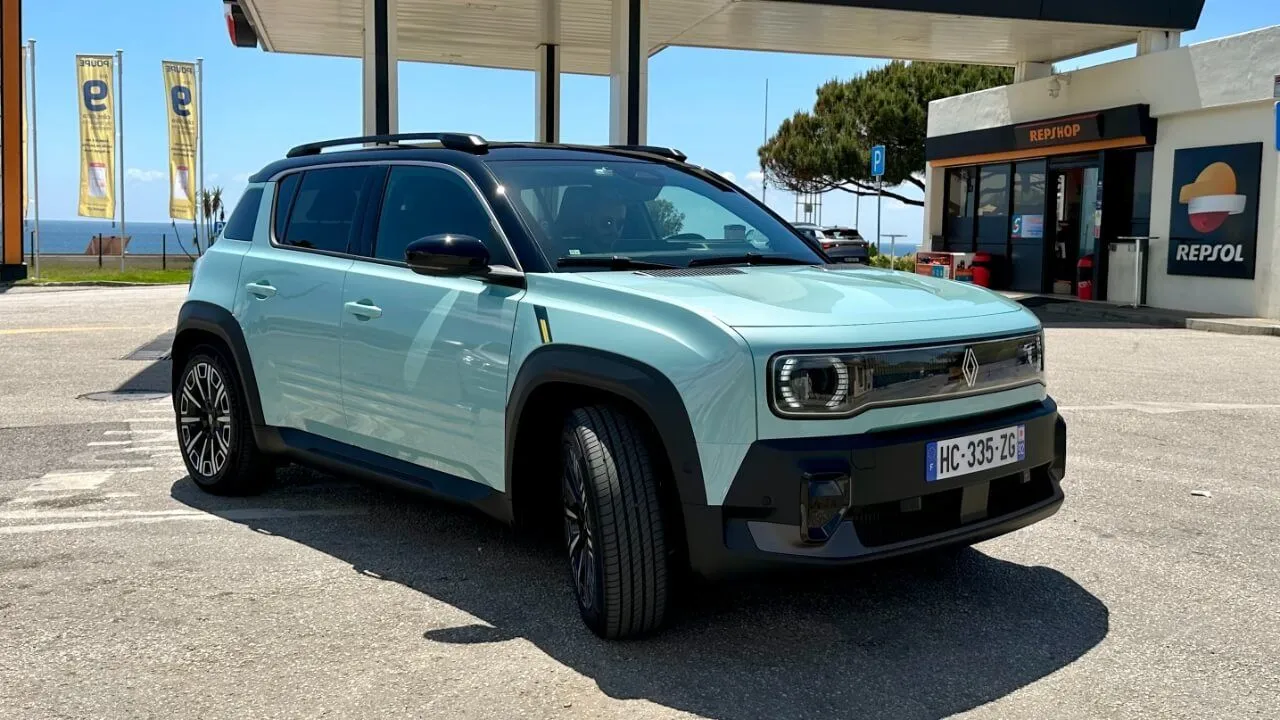
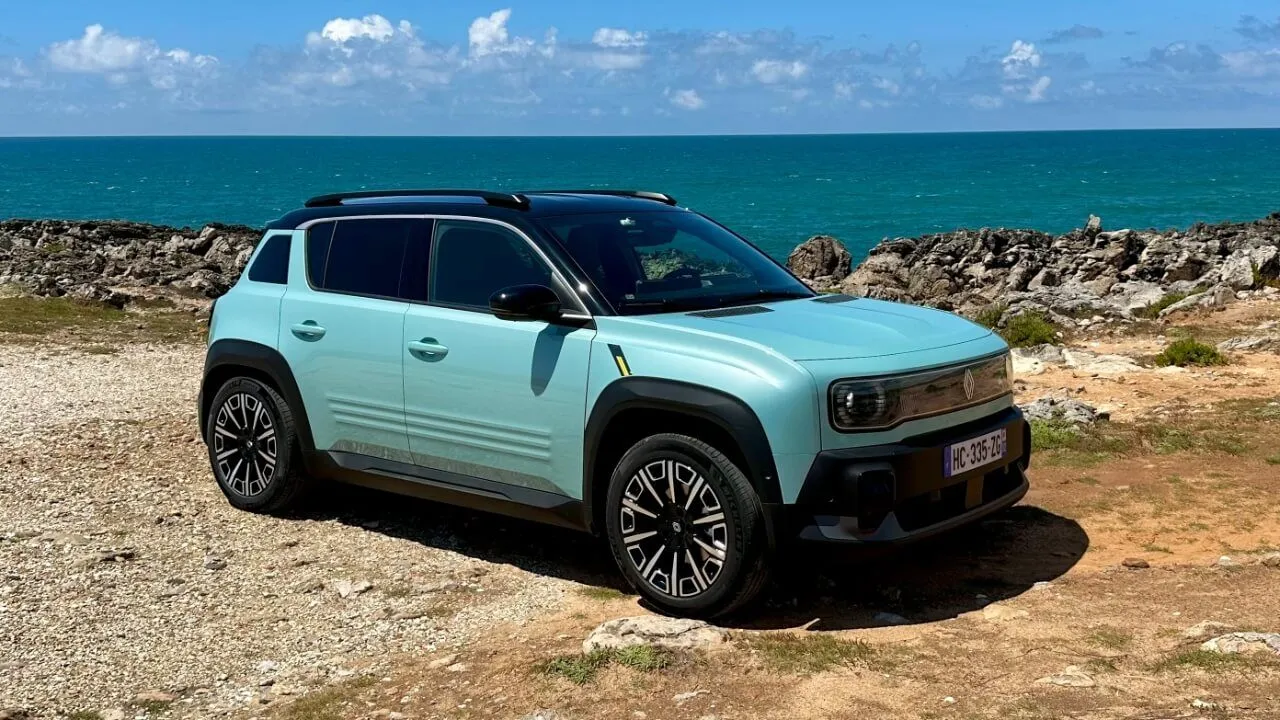
The Renault 4 electric model is being updated with a cheaper version featuring an LFP battery.
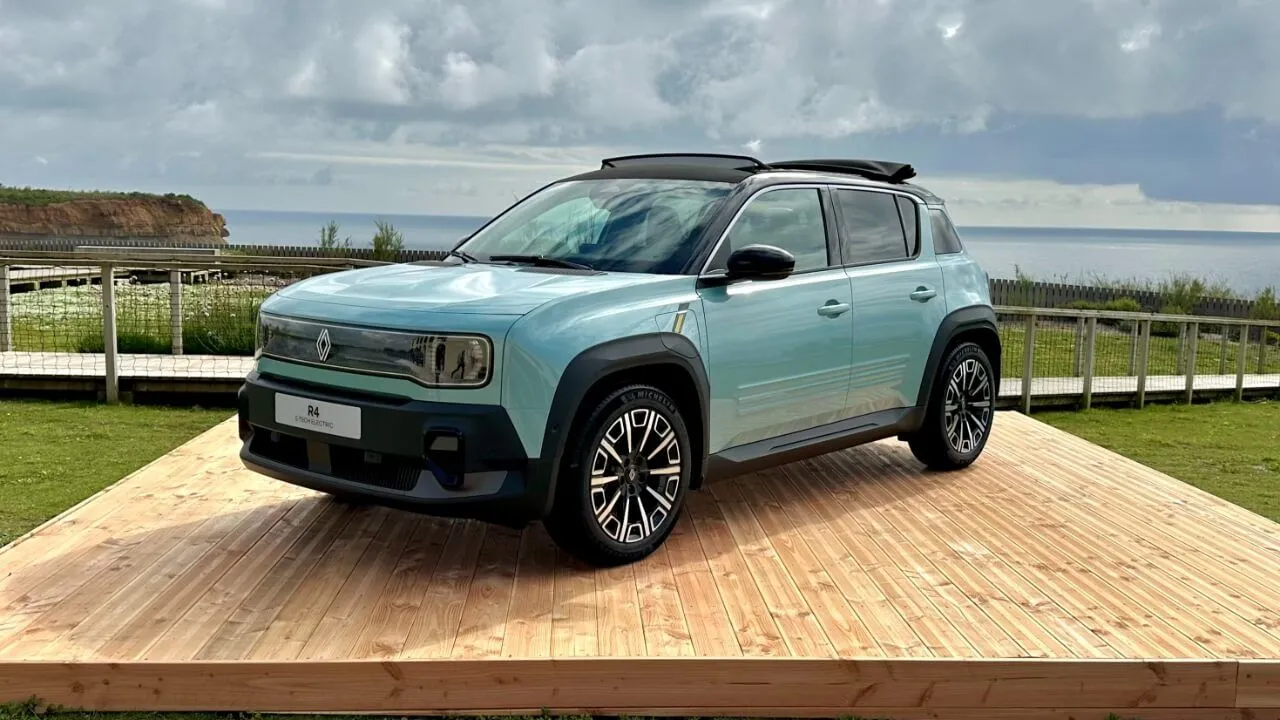
The Renault 4 electric model receives its first update just over a year after its launch. The vehicle largely retains its original design, but Renault has taken the opportunity to introduce some changes aimed at improving efficiency, slightly increasing range, and updating certain features.
The goal is to boost sales that have been rather modest, at least compared to its sibling the R5. This model maintains a neo-retro appearance but has been overshadowed by the success of the Renault 5, which has sold extremely well, despite factors such as its compact size of 4.14 meters in length and a large trunk capacity of 420 liters.
The main innovation lies not so much in the versions we already knew but rather in the expansion of the range. Renault is preparing a new entry-level variant that features a battery with a different chemistry and a less powerful propulsion system, aiming to lower the entry price of a model that still has room for increased sales.
An electric Renault 4 with minor changes and a new entry version
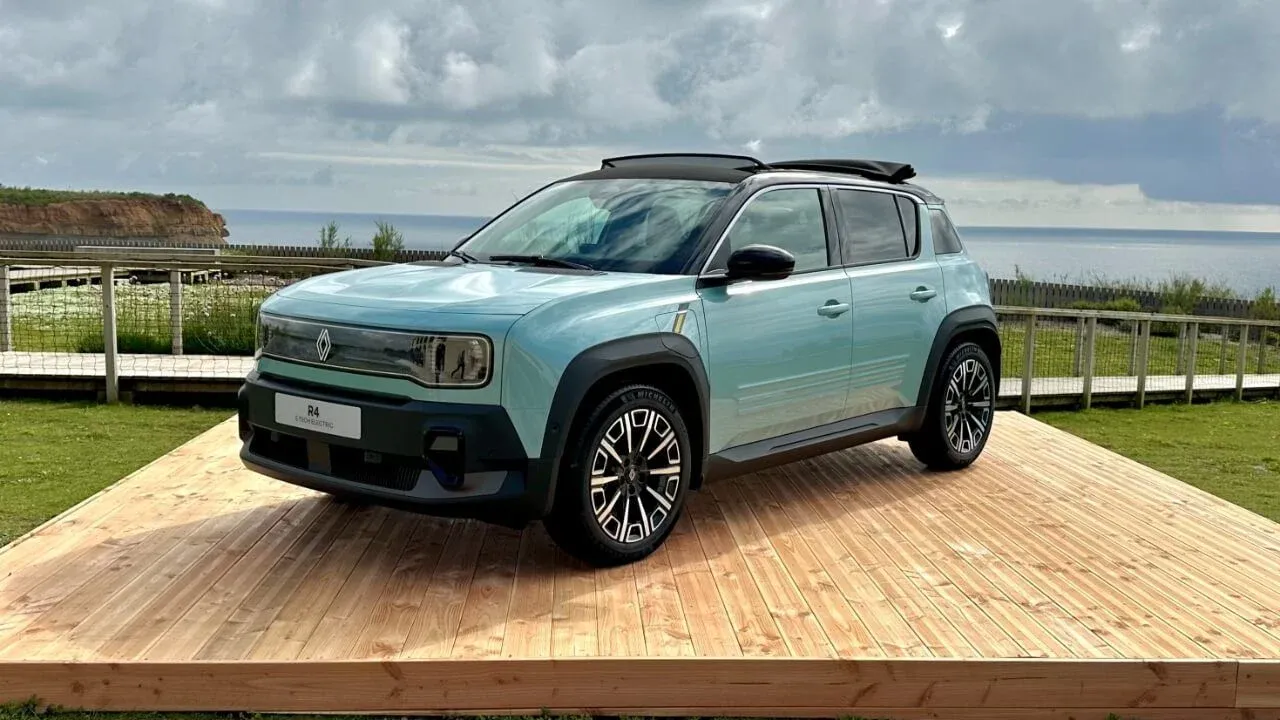
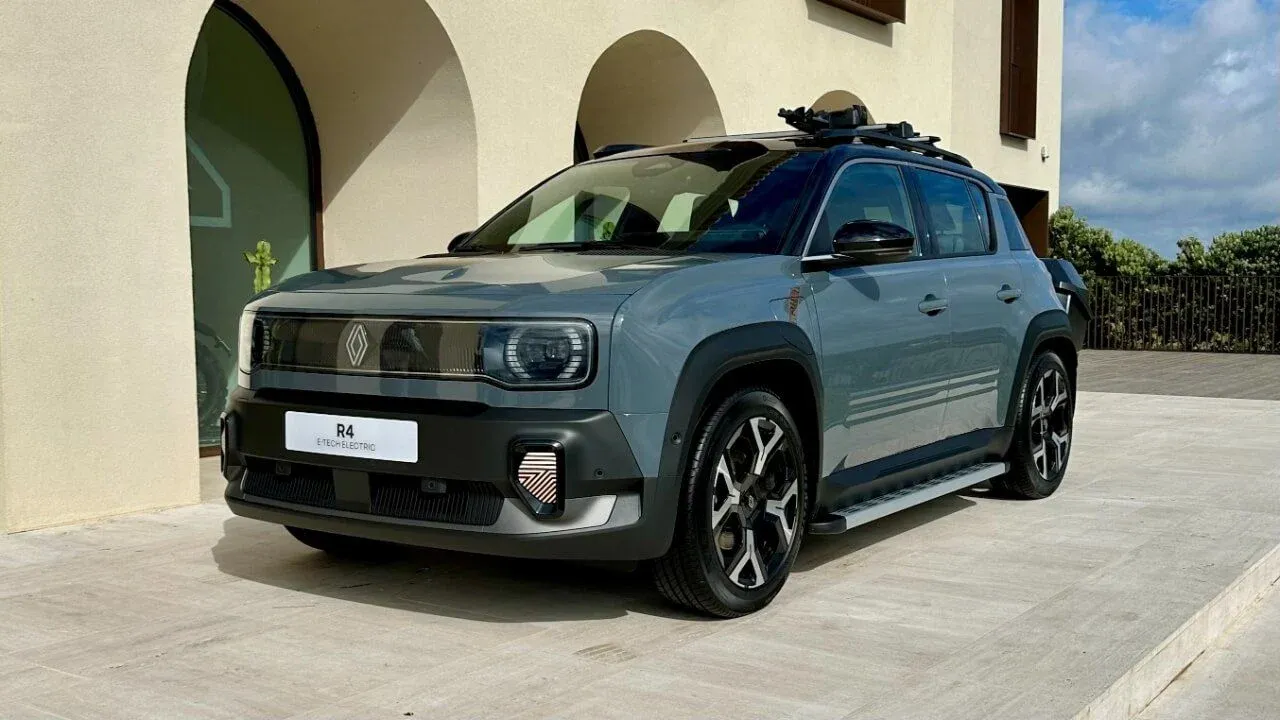
The Renault 4 features some aerodynamic improvements aimed at slightly reducing fuel consumption. These include new lower bumpers and revised mirrors—subtle changes that hardly alter the car’s appearance but help increase its rated range by a few kilometers.
With the 40 kWh NMC battery and a 120 CV engine, the Renault 4 sees its rated range increase from 308 to 310 kilometers. The version equipped with a 52 kWh NMC battery and a 150 CV engine also sees an improvement, with its range rising from 408 to 415 kilometers. For the Renault 4 Plein Sud, the version with a sliding roof, the range increases from 392 to 400 kilometers.
The improvements aren’t particularly striking, and in fact, the Renault 4 still has range as one of its weakest areas compared to some of its competitors. Renault will have to wait until 2027 to introduce a model with better range, while sales of this vehicle have started more slowly than expected.
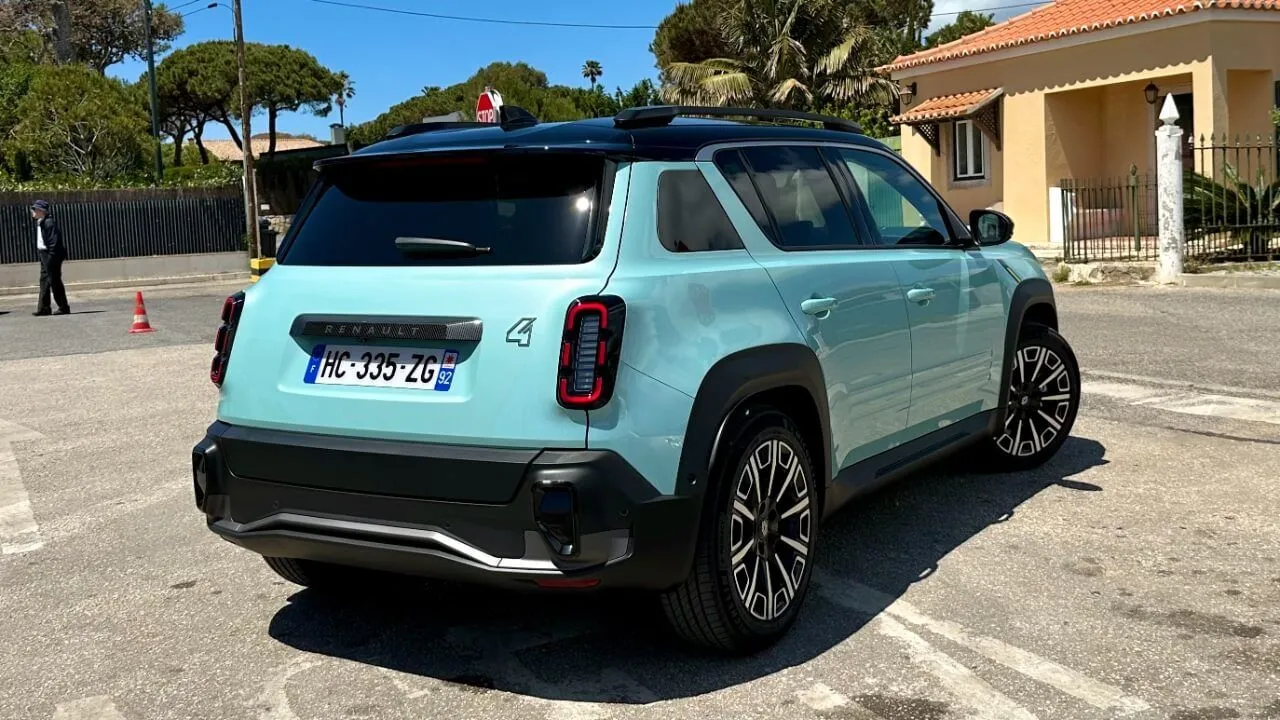
But undoubtedly the biggest new feature for this range is the introduction of the Jogging version, which will serve as a new entry-level option. This Renault 4 is equipped with an 80 kW (109 HP) engine, derived from that used in the Renault Twingo electric vehicle, along with a 36.5 kWh LFP battery. The certified range reaches 305 kilometers under WLTP standards, a reasonable figure considering the more economical approach of this variant.
The Renault 4 Jogging comes with a 6.6 kW AC charger, instead of the 11 kW bidirectional charger available in other versions. It also features fast charging, up to 80 kW, allowing it to go from 10% to 80% charge in 25 minutes.
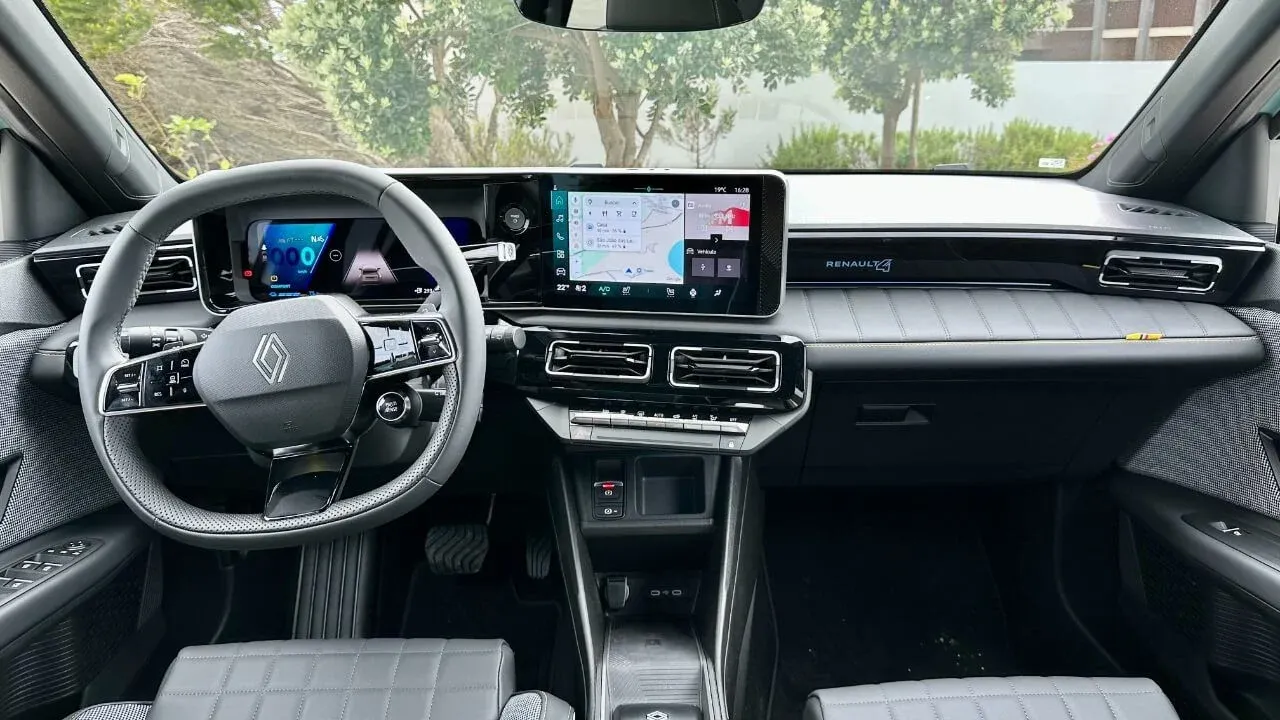
Regarding the equipment, this version comes standard with manual air conditioning, a 7-inch instrument panel, a 10.1-inch central touchscreen compatible with Apple CarPlay and Android Auto, as well as a rear-view camera. The goal is to offer a simpler setup without sacrificing features that are now practically essential.
Beyond the new versions, Renault has introduced a range of technological improvements for the entire Renault 4. Among them is manual pre-conditioning of the battery, which can now be activated directly from the central screen and allows the battery to be prepared before using a fast charger, which is especially useful when temperatures are unfavorable.
The system can also alert the user through the My Renault app when charging is complete. The notification is sent five minutes before the time estimated by the system or when the battery reaches the level necessary to start driving.
The driver assistance systems have also seen some improvements. The Renault 4 features a predictive driving assistance function that can detect elements such as curves and roundabouts to advise the driver to slow down in advance. The goal is to make better use of energy and avoid unnecessary acceleration and braking.
An emergency braking assist is also included, working in conjunction with the active driving assistance system. If the driver remains inactive, the system can bring the car to a complete stop within its lane when conditions permit.
Another new feature is the intelligent driving mode, which replaces the previous Personal mode. The system automatically switches between Eco, Comfort, and Sport modes depending on the situation. For example, it may use the Sport mode when quick response is needed during overtaking and switch to Eco mode once the car is traveling at a lower speed again.
The Renault 4 also introduces a new magnetic charger with ventilated wireless charging for phones compatible with the Qi2 standard. The higher power allows up to 50% of the phone’s battery to be charged in one hour, while the ventilation system helps regulate temperature during charging.
Lastly, the electric rear door also receives a minor modification to improve its performance. There is no longer a need to move the foot under the bumper: when the owner approaches the trunk with an access card and key fob, the door can open automatically.
We lack the key figure for the price of the entry-level version, but considering that in France, its first market, the new Renault 4 with a 120 CV engine and 40 kWh battery starts at 29,990 euros. The 150 CV version with a 52 kWh battery begins at 33,490 euros, while the Evolution, Techno, and Roland Garros configurations gradually raise the price to 38,490 euros for the latter. These are prices before any subsidies or promotions.
Therefore, this entry-level Renault 4 variant with LFP cells should cost around 26,000 euros before subsidies or promotions, a figure comparable to the 29,270 euros Volkswagen charges for its ID. Polo Life, which has a 37.5 kWh battery and a WLTP range of 331 km. It’s a slightly smaller model, 4.05 meters long, but also features a large trunk with less interior space.
Key Specs of Renault 4 LFP
Version: Renault 4 Jogging
Engine: 80 kW (110 HP)
0-100 km/h: 10.2 seconds
Battery: 36.5 kWh usable (37 kWh total)
Chemistry: LFP
WLTP range: 305 km
AC charging: 6.6 kW
DC charging: 80 kW
Charging from 10-80%: 25 minutes
Central screen: 10.1 inches
Digital dashboard: 7 inches
Apple CarPlay/Android Auto: Yes
Rear camera: Yes
Wheels: 18 inches
Launch: before the end of 2026
Price: not yet announced