
The Maextro V800’s brake pedal has broken three times, raising concerns about the quality of some Chinese brands.
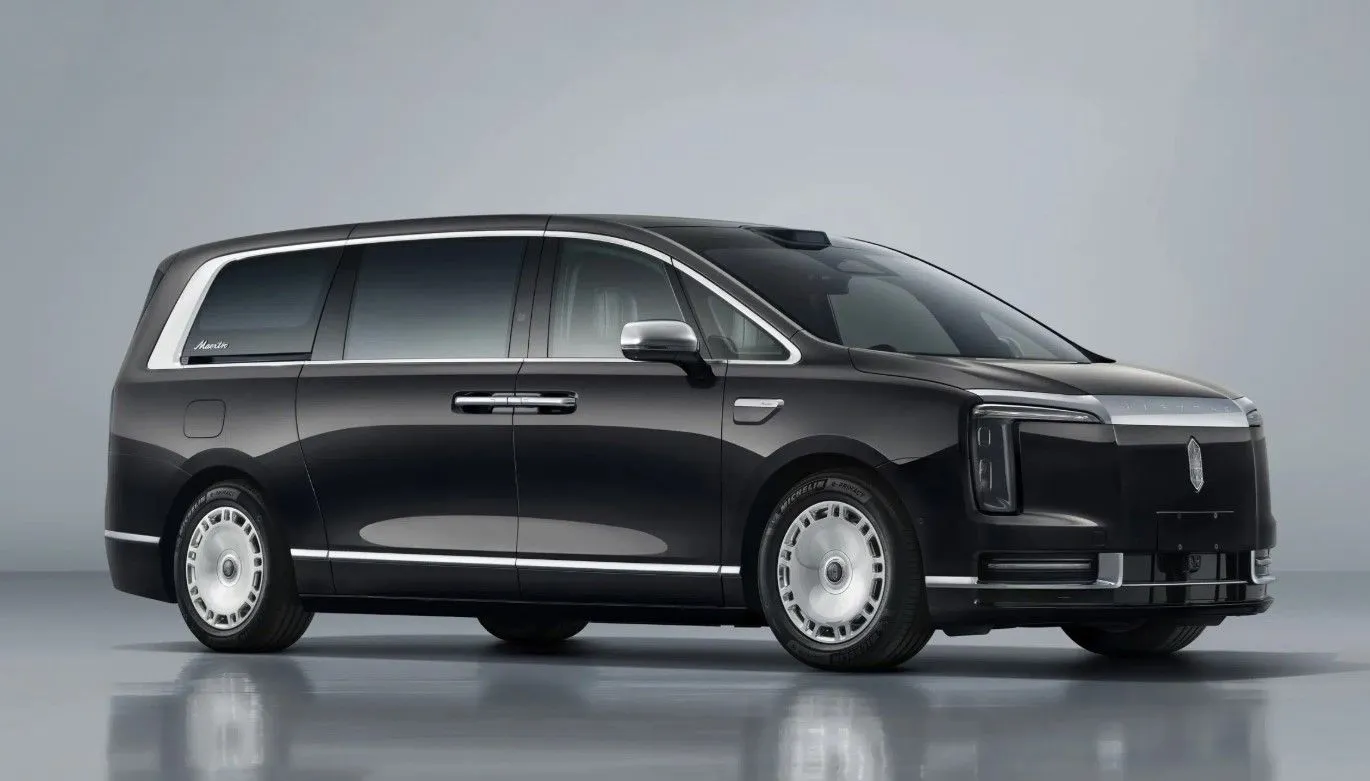
The Maextro V800, a luxury seven-seater minivan developed by Huawei and JAC, has become the center of a controversy that directly affects one of the most important aspects of any car: safety. The issue came to light after a Chinese media outlet detected a structural flaw during several emergency braking tests.
The incident forced the brand to issue a statement and announce changes to the design of a key component. It also raises questions about quality control and validation of new models, especially in the Chinese market where competition is accelerating the development of new cars and shortening launch timelines.
The tests, conducted by the specialized magazine Dongchedi on a closed circuit, involved braking from 100 km/h until the vehicle came to a complete stop. In all three vehicles tested, the brake pedal bracket broke, though the failure occurred after a different number of braking attempts. In the third vehicle, purchased specifically for the test, the pedal broke during the second full brake application.
A structural failure that compromises braking
The results have drawn particular attention because the problem was not limited to a single unit. The first Maextro V800 suffered a failure on the third attempt, while the second failed on the fourth. In the third unit, the support broke during the second emergency braking test. The recurrence of the same failure in all three vehicles suggests a possible design flaw or an issue with the durability of the components used.
Dongchedi also clarified one of the figures that initially accompanied the controversy. Although an image from the video seemed to show a force of 4,589 newtons, the outlet later explained that this reading was a visual effect caused by the difference between the camera’s frame rate and the display of the measurement device. The actual maximum force recorded before failure was 1,612 newtons, a figure lower than the 2,000 newtons required by Chinese regulations for a five-second durability test, according to the published information.
Preliminary analysis indicates several areas for improvement in the construction of this assembly. The center of the pedal is located about 130 millimeters from the rotation axis, while the pivot area has only one layer of vertical reinforcement. Other models using components from the same supplier employ two or three layers. Additionally, inspection of the fractured parts revealed weld areas subjected to high stress, reduced material thickness, and reinforcement ribs that may be insufficient.
The consequences of such a failure are particularly severe. If the pedal loses its functionality, the driver may be unable to operate the foot brake in the usual manner. Tests conducted by Dongchedi showed that when using the P gear position to try to stop the vehicle, the braking distance increased from about 38 meters to roughly 140 meters. The Maextro V800’s own manual warns that this emergency function is intended to reduce speed only and does not replace the conventional braking system.
Maextro promises to fix the problem
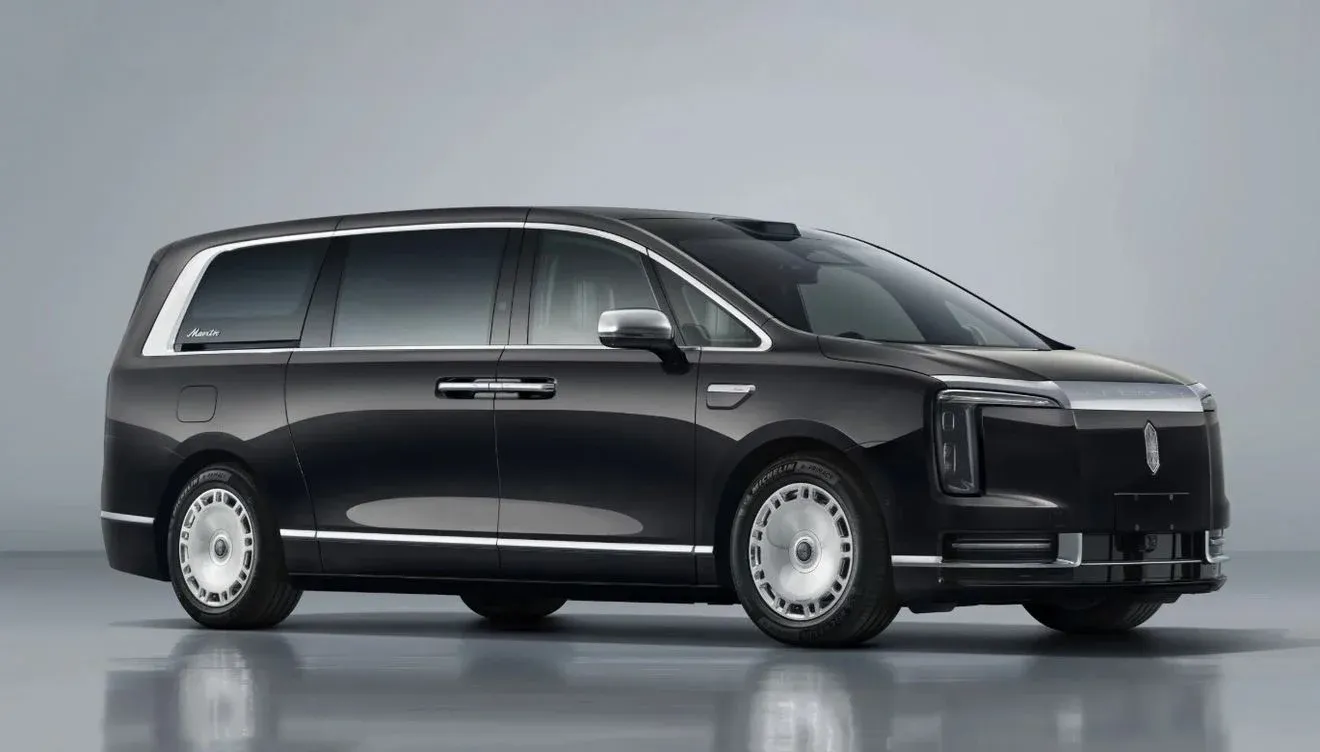
After the tests were made public, Maextro confirmed it would optimize the design of the brake pedal and provide a free update to affected owners. The company also assured that it would review the design validation procedures, testing parameters, and production quality controls related to these components.
The brand, however, argued that the V800’s testing process met the requirements set by China’s national standards GB 21670-2025 and GB 7258-2026, as well as the industry standard QC/T 788-2018. It also claimed that no breaks in the pedal support base have been reported by customers since the first deliveries.
The case is particularly striking due to the vehicle’s positioning. The Maextro V800 is sold in China at prices ranging from 766,000 to 1,016,000 yuan (between 101,800 and 135,000 euros), so it is not an affordable model for which compromises in component quality could be justified. This malfunction raises questions about development and manufacturing controls, especially at a time when many Chinese manufacturers are competing to launch increasingly advanced models within very tight deadlines.
The issue doesn’t mean that all Chinese electric or hybrid vehicles have similar flaws, but it does remind us that technology, screens, and power figures alone are not enough to ensure a safe product. The reliability of the simplest mechanical components remains crucial, especially when a failure could compromise the ability to stop a vehicle weighing nearly four tons.
Maextro’s response and the announced free update are a first step, but it will be important to see how well the solution is implemented and whether the changes affect all units already in owners’ hands. At this price point, safety must be proven both through specifications and real-world testing.
