
The new Xiaomi Skynomad N70 dominates China, selling 70,000 units in its first month
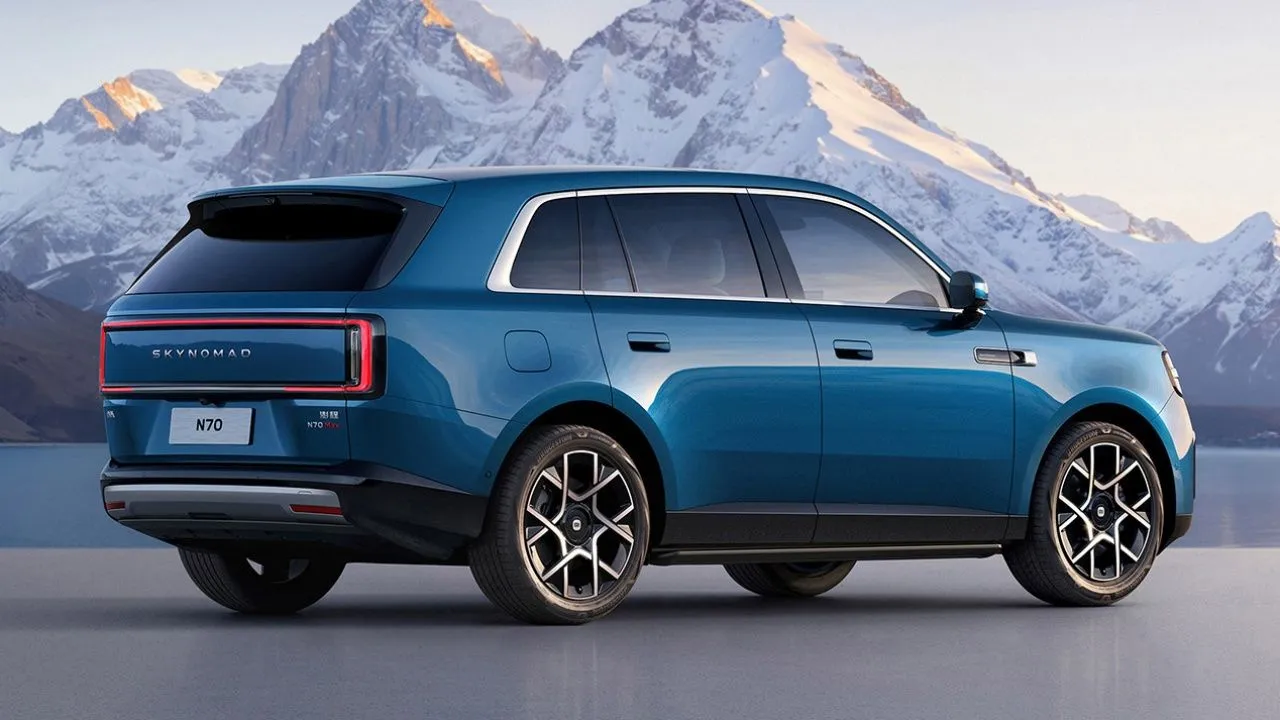
Xiaomi once again proves that its entry into the automotive market was not a mere symbolic move. The company has quickly brought its new Skynomad lineup to the center of attention in China, just a few weeks after starting deliveries. It does this with a different approach from what it has used in its previous models, aiming to capture customers among families that still do not want to rely solely on batteries for long trips.
Between September 7 and October 7, Xiaomi received over 70,000 formal orders for the new Skynomad series. This figure represents configurations that have already been finalized by customers, making it more significant than a simple accumulation of initial reservations. The series began deliveries in September and includes the N70 Pro, N70 Max, N90 Max, and N90 Max Explorer Edition.
The result comes at a particularly interesting time for this type of models. Electric vehicles with extended range (EREV) are losing ground in the Chinese market, where the availability of electric cars with greater range and faster charging speeds is causing some buyers to abandon the generator-style engine. Nevertheless, Xiaomi has achieved a very significant commercial success with its first foray into this technology.
A range designed for families, available in two sizes
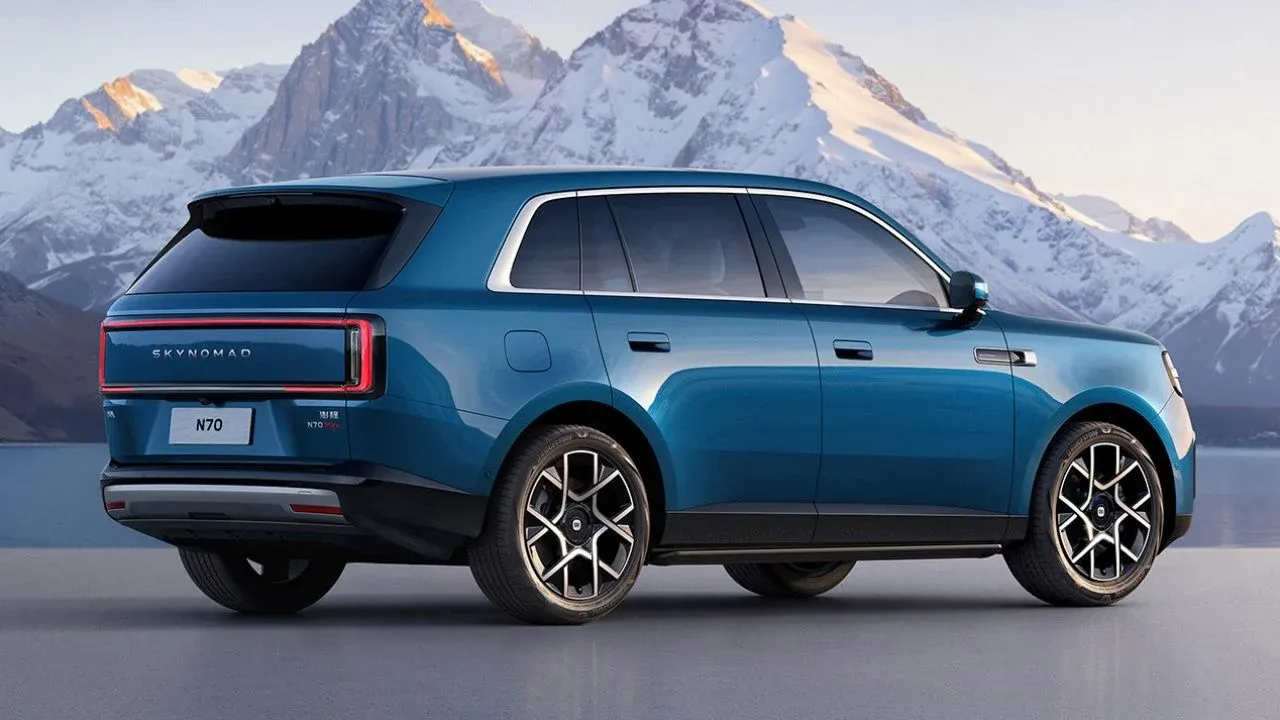
The Skynomad comes in two distinctly different models. The N70 is 4.96 meters long, 2.00 meters wide, and 1.79 meters high, with a wheelbase of 2.95 meters. Above it is the N90, which measures 5.29 meters in length, 2.00 meters in width, and 1.83 meters in height, with a wheelbase of 3.08 meters.
The range offers both five-seater and seven-seater configurations, primarily aimed at family use. The N70 Pro features front-wheel drive, while the N70 Max and various versions of the N90 use all-wheel drive. In all cases, the EREV system is employed, with electric motors driving the vehicle and a combustion engine acting as a generator to extend range when needed.
In terms of range, the N70 Pro features a 52 kWh battery and achieves 351 kilometers on electric power alone according to the CLTC cycle. The N70 Max boosts this figure to 505 kilometers, while the N90 Max combines a 76 kWh battery with 464 kilometers of electric range. For the N90, the total range claimed is up to 1,705 kilometers per CLTC cycle. Based on our estimates, these figures would be approximately 305, 439, and 404 kilometers of electric range respectively, according to a more WLTP-based comparison.
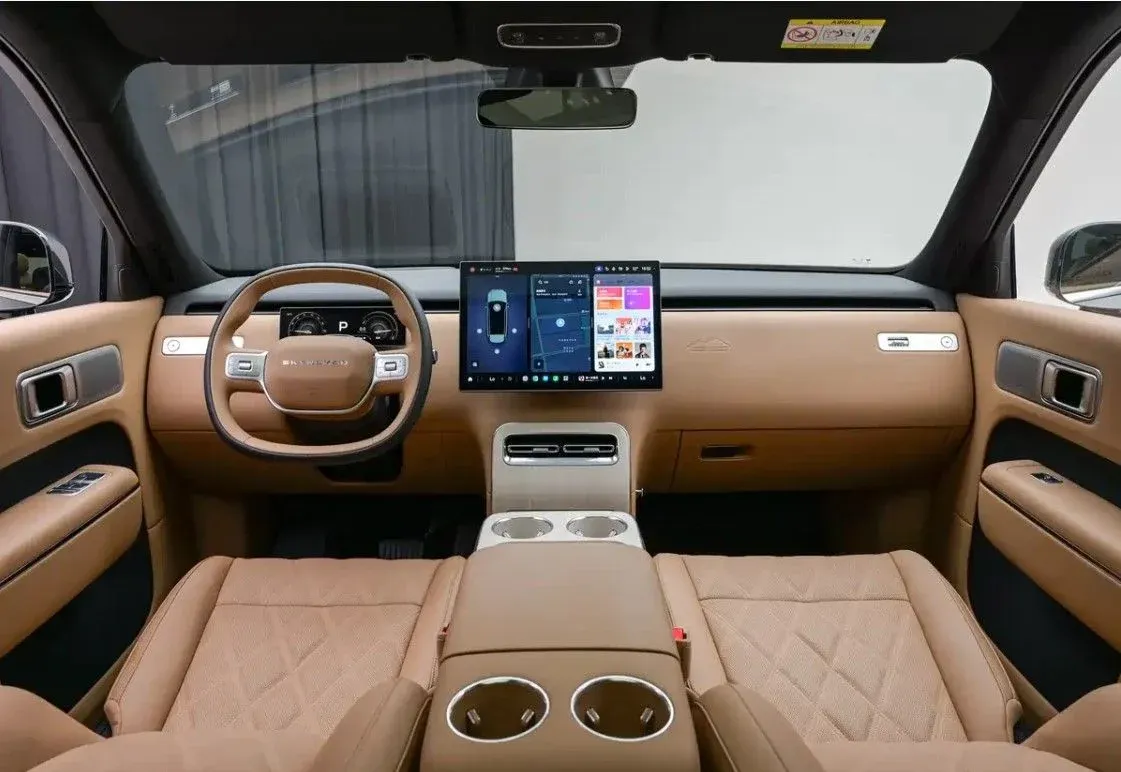
Xiaomi had made it clear from the launch that the Skynomad was aimed at attracting a different audience from its SU7 and YU7 models. The new lineup offers more space, the option for seven seats, and exceptionally high range, while still emphasizing electric driving as its core feature. This approach aims to serve as a bridge for users who still find the charging infrastructure insufficient for certain trips.
The pricing also helps explain Xiaomi’s strategy. The five-seater N70 Pro FWD starts at 209,900 yuan (28,000 euros), while the five-seater N70 Max AWD goes up to 239,900 yuan (32,000 euros). The five-seater N90 Max AWD is priced at 269,900 yuan (36,000 euros), and the seven-seater N90 Max AWD in its Explorer Edition version reaches 299,900 yuan (40,010 euros).
The initial response was particularly fast. Within the first four minutes after its launch, the range had already received over 10,000 formal orders. Now, as it completes its first month in sales, that figure has risen sevenfold, though Xiaomi has not specified how those more than 70,000 orders are distributed among the different versions.
The Skynomad has also played a significant role in driving growth for Xiaomi’s automotive division. The company ended September with over 40,000 deliveries, its best monthly record for 2026 up to that point, with more than 10,000 of those coming from the new range during its first month. The manufacturer had delivered 30,153 units in August and 31,267 in July, so the launch has helped significantly boost its production and delivery pace.
However, Xiaomi still has a long way to go if it wants to meet its annual target. The company has set a goal of delivering 550,000 vehicles by 2026, a figure that requires a significant acceleration in the final three months of the year. September was the first month it exceeded 40,000 units, so maintaining a clearly higher pace will be essential to get closer to that goal.
This situation is particularly important because Xiaomi is entering a phase of expanding its automotive business where the huge interest generated by its initial models is no longer sufficient. The SU7 and especially the YU7 have shown that the brand can compete with established manufacturers, but the Skynomad now needs to prove it can also make a foothold in an EREV segment that is starting to lose prominence.
The 70,000 confirmed orders are very good news for Xiaomi, though it remains to be seen how many of them result in actual deliveries and how demand will evolve once the incentives tied to the launch are no longer available. The next quarter will be crucial in determining whether the Skynomad can maintain this pace and, most importantly, whether Xiaomi can approach its ambitious sales target for 2026.